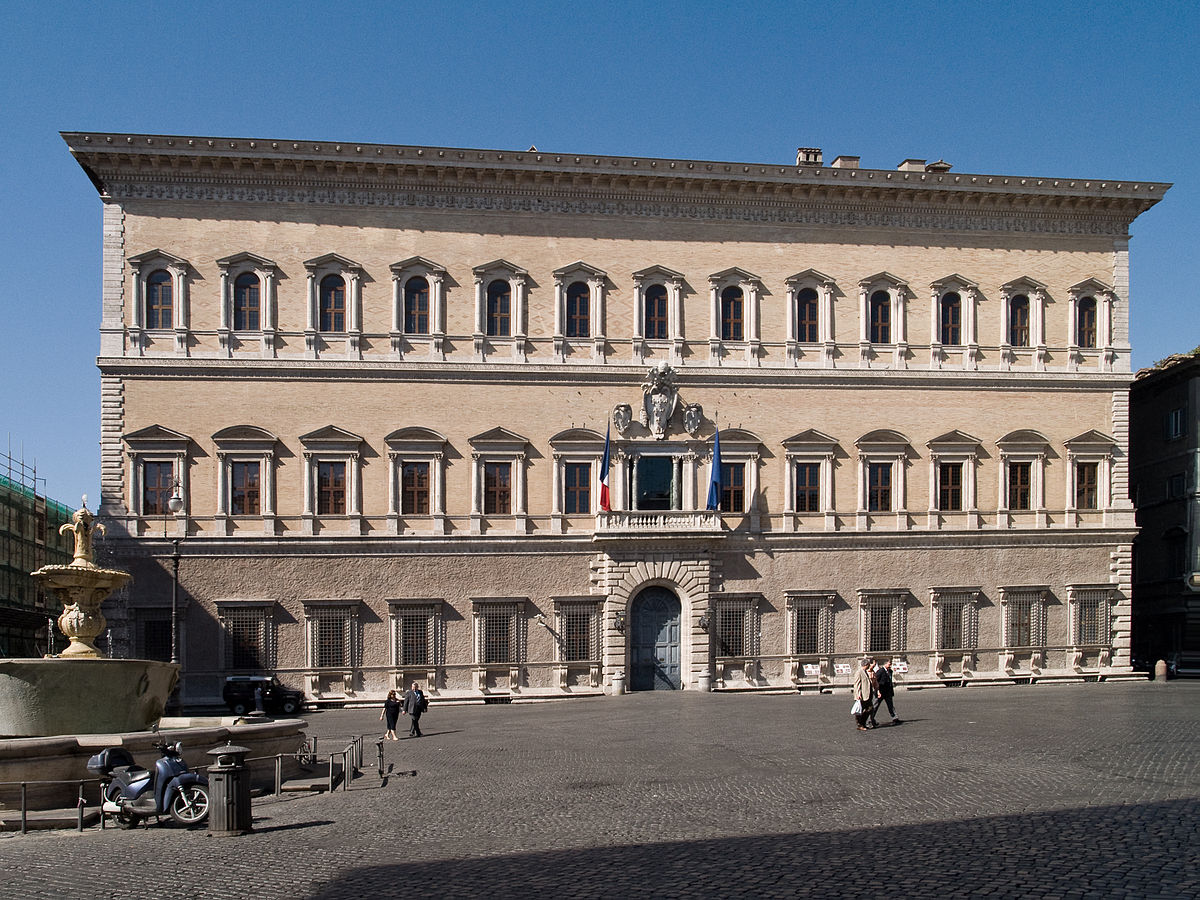


Palazzo Farnese
Overview
Palazzo Farnese, an architectural masterpiece located in the heart of Rome, Italy, is a striking example of Renaissance design and power. Constructed primarily in the late 16th century, it was commissioned by the Farnese family, one of the most influential families in Italy during this period. The palace showcases the grandeur of the era and serves as a reminder of the political and cultural significance held by the Farnese family. Its opulent design and rich history attract visitors from around the world, eager to explore its remarkable features and the stories it embodies.
Situated in the Lazio region, Palazzo Farnese is strategically located near other historical landmarks, making it a must-visit site for anyone interested in Rome’s architectural and cultural heritage. The palace is not just an architectural wonder; it also serves as the French embassy in Italy today, blending historical significance with contemporary function. Visitors can expect a rich experience that highlights both the artistic achievements of the Renaissance and the ongoing cultural exchanges that characterize modern Italy.
History and Significance
The construction of Palazzo Farnese began under the direction of the architect Antonio da Sangallo the Younger in the early 1500s, although the palace was not completed until the 17th century. The Farnese family—a powerful noble family—sought to establish a residence that would reflect their status and influence in Rome. The palace was designed to serve as a symbol of their wealth and power, showcasing their extensive art collection and providing a space for entertaining dignitaries and hosting significant political events.
The building itself is a reflection of the architectural innovations of the Renaissance, characterized by its grand facades and symmetrical forms. The Farnese family was instrumental in the cultural and political life of Italy, and their palace was a hub of activity during this vibrant period. The palace’s historical significance is further highlighted by its association with notable figures, including Pope Paul III, who was a member of the Farnese family and played a pivotal role in the Counter-Reformation.
Throughout its history, Palazzo Farnese has undergone several transformations. After the decline of the Farnese family, the palace was repurposed; it now houses the French embassy in Italy. This dual role as both a historical site and a functioning diplomatic mission adds to its unique charm and importance.
The palace is also home to exquisite artwork, including frescoes by renowned artists such as Annibale Carracci. Visitors can admire the stunning artistry that adorns the ceilings and walls, as well as the carefully curated collections that reflect the tastes and interests of the Farnese family.
Architecture and Features
Palazzo Farnese is celebrated for its impressive architectural design that combines elements of Renaissance and Baroque styles. The palace’s facade is characterized by its robust stone structure and harmonious proportions, creating an imposing yet elegant appearance. The use of travertine blocks, sourced from the nearby hills, enhances its durability and aesthetic appeal.
One of the most notable architectural features of Palazzo Farnese is its grand entrance, which is framed by a series of arches and columns. The entrance leads to a spacious courtyard, surrounded by beautifully designed loggias and arcades. This courtyard serves as a focal point, allowing natural light to flood the interior and providing a serene atmosphere amid the bustling city.
Inside, visitors can explore a variety of rooms, each showcasing intricate details and artistic masterpieces. The Salone d’Onore, or Hall of Honor, is particularly impressive, featuring stunning frescoes and elaborate decorations that exemplify the grandeur of the Renaissance. The artwork within the palace reflects the tastes of the Farnese family, with themes of mythology, nature, and power portrayed throughout the various rooms.
Additionally, the palace’s gardens, although not as extensive as some other royal gardens in Rome, offer a tranquil escape and provide a glimpse into the horticultural practices of the Renaissance. The careful planning of both the building and its surroundings demonstrates the Farnese family’s commitment to beauty and harmony.
Overall, Palazzo Farnese is not only an architectural wonder but also a showcase of artistic achievements, making it a significant cultural landmark in Rome.
Visiting Information
Visitors planning to explore Palazzo Farnese should consider the best ways to reach this historic site. The palace is centrally located in Rome, making it easily accessible via public transportation. The nearest metro station is the Colosseo station, which is a short walk away. Additionally, various bus lines service the area, providing convenient options for getting to the palace.
Check the official website for current information on hours and prices, as these may vary based on the season or special events. It is advisable to allocate at least a couple of hours for your visit to fully appreciate the architecture, artwork, and history that the palace has to offer. Guided tours can enhance your experience, providing deeper insights into the significance of the various features and art pieces.
The best times to visit are typically during the shoulder seasons of spring and fall when the weather is mild, and tourist crowds are generally smaller. Early morning or late afternoon visits can also help you avoid the busiest times.
Inside the palace, expect to find a mix of historical rooms and modern amenities due to its current function as the French embassy. Ensure that you respect the guidelines in place, particularly in areas that are still in use.
Nearby Attractions
Palazzo Farnese is ideally located near several other notable attractions in Rome:
Piazza Navona: A short walk from the palace, this lively square is famous for its stunning Baroque fountains and vibrant street life.
Campo de’ Fiori: Known for its daily market, this bustling square offers a taste of local life and is surrounded by cafés and shops.
The Pantheon: A marvel of ancient Roman architecture, this well-preserved temple is located not far from the palace and is a must-visit for any traveler.
Santa Maria in Vallicella: This beautiful church, also known as Chiesa Nuova, features remarkable artwork and a serene atmosphere, making it a perfect stop after visiting the palace.
Castel Sant’Angelo: Just a short distance away, this historic fortress offers stunning views of the city and a fascinating glimpse into Rome’s past.
Insider Tips
To make the most of your visit to Palazzo Farnese, consider the following insider tips:
Photography: While photography may be allowed in certain areas, be sure to check for any restrictions, especially in rooms with delicate artwork.
Crowd Avoidance: Aim to visit during weekdays or early in the morning to enjoy a quieter experience and have more opportunities to appreciate the details without the distraction of large crowds.
Guided Tours: Consider joining a guided tour or audio tour for in-depth insights and stories about the palace’s history and its architectural features. This can greatly enhance your understanding and appreciation of the site.
Practical Information
When visiting Palazzo Farnese, be sure to bring along a few essentials to enhance your experience:
Comfortable Shoes: As you will be exploring both indoors and outdoors, comfortable footwear is advisable.
Water Bottle: Staying hydrated is important, especially if you are visiting in warmer months.
Seasonal Considerations: If visiting in winter, dress warmly as some areas of the palace may be chilly. In summer, light clothing and sun protection are recommended.
Check the official website for current information on accessibility, as certain areas may have restrictions. It is also wise to check for any temporary exhibitions or events that might be happening during your visit.
Frequently Asked Questions
How long should I spend visiting?
Visitors typically spend around 1.5 to 2 hours exploring Palazzo Farnese, depending on their interest in art and history.
Is photography allowed?
Photography may be permitted in certain areas, but it is advisable to check for any restrictions, especially regarding artwork.
Are there guided tours?
Yes, guided tours are available and can provide valuable insights into the history and architecture of the palace.
What’s the best time to visit?
The best time to visit is during the shoulder seasons of spring and fall, and early mornings or late afternoons tend to be less crowded.
Is it wheelchair accessible?
Check the official website for details regarding accessibility, as some historical sites may have limitations.
Can I buy tickets online?
Check the official website for current information on ticket purchasing options.
Are there restrooms and cafes?
Restrooms may be available on-site, but for cafes and dining options, it is best to explore nearby areas.
What should I wear?
Dress comfortably and appropriately for the weather, keeping in mind that some areas may require more formal attire due to its function as an embassy.
With its stunning architecture, rich history, and cultural significance, Palazzo Farnese remains a key highlight for any visitor to Rome. Make sure to include it in your travel itinerary and immerse yourself in the grandeur of this remarkable palace.
Photo Gallery
Location
More in lazio
Abatino Park
📍 lazio, Italy
The Abatino Park is a serene natural park located in Lazio, Italy, offering visitors a peaceful retreat with lush landscapes and recreational …
Abbazia di Santa Maria di Ponza
📍 lazio, Italy
The Abbazia di Santa Maria di Ponza is a Cistercian monastery on Ponza Island, Italy, renowned for its serene atmosphere and historical significance.

Academia Belgica
📍 lazio, Italy
The Academia Belgica is a Belgian cultural institution located in Rome, Italy, notable for its role in promoting Belgian heritage and fostering …
Accademia di Belle Arti di Frosinone
📍 lazio, Italy
The Accademia di Belle Arti di Frosinone is an educational institution in Frosinone, Italy, renowned for its commitment to fostering artistic talent …
Acqua Vergine
📍 lazio, Italy
Acqua Vergine is a modern aqueduct located in Rome, Italy, known for its engineering marvel and role in the city's water supply system.

Acquedotto delle Arcatelle
📍 lazio, Italy
The Acquedotto delle Arcatelle is a 17th-century aqueduct located in Tarquinia, Italy, recognized for its impressive architectural design and …
More Palace

Archbishop's Palace
📍 campania, Italy
The Archbishop's Palace is a historic palace located in Naples, Italy, known for its architectural elegance and cultural significance in the region.

Bevilacqua Palace
📍 veneto, Italy
The Bevilacqua Palace is a historic palace located in Verona, Italy, renowned for its architectural elegance and cultural significance in the region.

Ca Cappello
📍 veneto, Italy
Ca Cappello is a historic palace located in Venice, Italy, renowned for its architectural elegance and cultural significance in the heart of the city.

Ca Robegan
📍 veneto, Italy
Ca Robegan is a historic palace located in Treviso, Italy, known for its architectural elegance and cultural significance in the Veneto region.

Ca' Amalteo
📍 veneto, Italy
Ca' Amalteo is a historic palace in Venice, Italy, renowned for its architectural elegance and rich cultural heritage.
Ca' Caotorta
📍 veneto, Italy
Ca' Caotorta is a historic palace in Venice, Italy, known for its unique architectural style and cultural significance in the heart of the city.