


Palazzo Ducale di Camerino
Overview
The Palazzo Ducale di Camerino, a striking Renaissance palace, stands as a prominent historical site in the charming town of Camerino, located in the Marche region of Italy. With its elegant façade and rich history, the palace has played a crucial role in the cultural and political life of the region since its inception. The structure reflects the artistic and architectural advancements of the Renaissance period, inviting visitors to explore its intricate designs and historical narratives.
Camerino itself is a town steeped in history, situated amidst the rolling hills and picturesque landscapes of Marche. The region is known for its medieval towns, stunning natural beauty, and artistic heritage, making it an appealing destination for travelers seeking both cultural enrichment and scenic vistas. The Palazzo Ducale di Camerino serves as a key landmark in this vibrant locale, offering insights into the life of the nobility and the artistic currents of its time.
Visitors to the palace can expect to be captivated by its grandeur and the stories that echo through its halls. The combination of architectural beauty and historical significance makes the Palazzo Ducale a must-visit for anyone traveling through Marche, promising a memorable experience that highlights both the artistic legacy of the Renaissance and the rich narrative of the town of Camerino.
History and Significance
The Palazzo Ducale di Camerino has historical roots that trace back to the Renaissance era, a time marked by significant cultural and artistic developments in Italy. While specific dates and events are less documented, the palace stands as a symbol of the power and influence of the ruling families who resided within its walls.
Originally constructed as a residence for the nobility, the palace has witnessed numerous transformations over the centuries. It served as a political center and a site for cultural patronage, reflecting the ambitions of its owners. The influence of the various duchies that governed the area is evident in the artistic choices made during its construction and subsequent renovations, showcasing the palace’s role as a focal point of authority and culture.
The significance of the Palazzo Ducale extends beyond its architecture; it embodies the historical narrative of Camerino itself. The town has been a site of various historical events, and the palace has often been at the heart of these developments. As a result, it stands as a testament to the region’s resilience and adaptability through the ages, providing a window into the lives of those who shaped its history.
Today, the Palazzo Ducale di Camerino continues to attract visitors, serving as a cultural venue that celebrates the arts and heritage of Marche. Its historical importance, combined with its architectural beauty, makes it a vital part of Italy’s cultural landscape.
Architecture and Features
The architectural design of the Palazzo Ducale di Camerino is a quintessential example of Renaissance aesthetics, characterized by symmetry, proportion, and an emphasis on beauty. The palace’s façade is adorned with elegant details that reflect the artistic trends of its time, inviting admiration from passersby and visitors alike.
One of the notable features of the palace is its grand entrance, which is framed by intricately designed stonework. As visitors step inside, they are greeted by spacious rooms that showcase the opulence of the period, complete with high ceilings and ornate decorations. The interior spaces are often filled with historical artifacts and artworks that provide further insight into the life and times of the palace’s former inhabitants.
The layout of the palace is designed to facilitate both private and public life, with rooms that served various functions, from grand receptions to intimate gatherings. The presence of courtyards and gardens within the palace grounds adds to the overall charm, offering serene spaces for reflection and enjoyment of the natural surroundings.
Throughout the building, visitors can observe the influence of different artistic movements, as well as the craftsmanship that went into creating this architectural masterpiece. The attention to detail in the frescoes, sculptures, and furnishings enhances the overall experience, allowing guests to appreciate the historical and cultural narrative embedded within the walls of the Palazzo Ducale di Camerino.
Visiting Information
When planning a visit to the Palazzo Ducale di Camerino, travelers can expect a rewarding experience filled with cultural exploration. The palace is generally accessible to the public, offering insights into its historical and artistic significance. Visitors are encouraged to check the official website for current information regarding hours of operation and ticket prices, as these can fluctuate.
Reaching Camerino is relatively straightforward, with various transport options available. Those traveling by car can take advantage of the well-maintained roadways that connect the town to larger cities in the region. Public transportation options may also be available, providing convenient access for those relying on buses or trains.
Once at the palace, visitors should allocate a few hours to fully appreciate the architecture and exhibitions. A leisurely stroll through the rooms and gardens allows for a deeper understanding of the site’s history and the artistic achievements it represents. The best times to visit are generally during the spring and fall, when the weather is pleasant, and the tourist crowds are more manageable.
In addition to the palace itself, the surrounding area offers various amenities, including cafes and shops, where travelers can enjoy local cuisine or purchase souvenirs to commemorate their visit.
Nearby Attractions
Camerino is surrounded by several noteworthy attractions that complement a visit to the Palazzo Ducale. Here are a few suggestions:
Chiesa di San Francesco: This historic church features stunning frescoes and a peaceful atmosphere, showcasing the religious art of the region.
Castello della Rancia: Located just outside of Camerino, this well-preserved fortress offers panoramic views and an insight into the military history of the area.
Museo Civico: This civic museum houses a collection of artworks and artifacts that reflect the cultural heritage of Camerino, making it a great addition to any itinerary.
Parco Nazionale dei Monti Sibillini: A short drive from Camerino, this national park offers breathtaking landscapes, hiking trails, and opportunities for outdoor activities amidst nature.
Pieve di San Venanzio: A nearby ancient church known for its architectural style and historical significance, providing insight into the region’s ecclesiastical history.
Insider Tips
To make the most of your visit to the Palazzo Ducale di Camerino, consider the following insider tips:
Photography: While photography is generally allowed, be respectful of any restrictions on flash photography or specific exhibits. Capture the intricate details of the architecture and artworks to remember your visit.
Crowd Avoidance: To enjoy a more peaceful experience, consider visiting during weekdays or in the early morning hours. This will allow for a more intimate exploration of the palace without the hustle and bustle of larger crowds.
Guided Tours: If available, consider joining a guided tour to gain deeper insights into the history and significance of the palace. Guides often provide fascinating anecdotes that enhance the overall experience.
Practical Information
When preparing for your visit to the Palazzo Ducale di Camerino, keep the following practical considerations in mind:
What to Bring: Comfortable walking shoes are recommended, as visitors may spend considerable time exploring the palace and its grounds. A camera is also advisable for capturing the stunning architecture and art.
Seasonal Considerations: Be mindful of the weather when planning your visit. The spring and fall seasons are generally more temperate, while the summer months may experience higher temperatures. Dress appropriately for the climate and plan for potential rain.
Local Cuisine: During your visit, take the opportunity to sample local dishes at nearby restaurants. The Marche region is known for its culinary delights, including traditional pasta dishes and local wines.
Frequently Asked Questions
How long should I spend visiting?
Visitors typically spend around 1-2 hours exploring the Palazzo Ducale di Camerino, depending on their interest in the details and exhibits.
Is photography allowed?
Photography is generally permitted, but be sure to check for any specific restrictions, especially in temporary exhibitions.
Are there guided tours?
Guided tours may be available; check the official website for details on scheduling and availability.
What’s the best time to visit?
Visiting during the spring or fall is ideal, as the weather is pleasant, and crowds are typically smaller.
Is it wheelchair accessible?
While efforts are made to accommodate all visitors, it’s advisable to check the official website for specific accessibility information.
Can I buy tickets online?
Ticket purchasing options may vary; check the official website for current information regarding online ticket sales.
Are there restrooms and cafes?
Facilities, including restrooms and nearby cafes, are typically available, but it’s best to verify on the official site for the most accurate information.
What should I wear?
Comfortable clothing and shoes are recommended, especially if you plan to explore the gardens and surrounding areas. Dress according to the weather conditions during your visit.
Photo Gallery
More in marche
Ambro
📍 marche, Italy
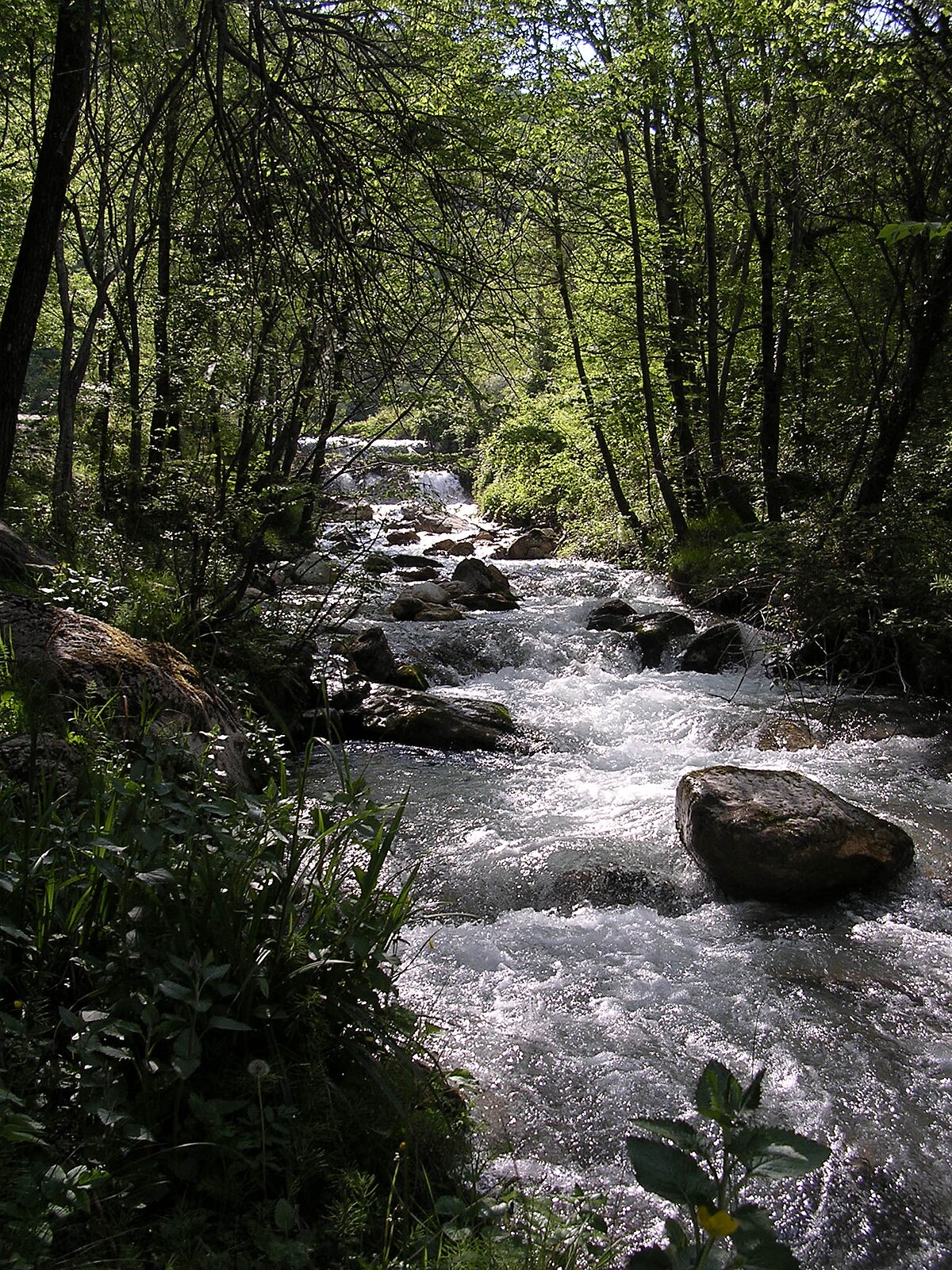
The Ambro River is a picturesque waterway in the Marche region of Italy, known for its serene landscapes and ecological significance.

Ancient Ostra
📍 marche, Italy
Ancient Ostra is an archaeological site located in Marche, Italy, notable for its remnants of an ancient Roman city that offers insights into …

Ancona
📍 marche, Italy
Ancona is a historic city in the Marche region of Italy, renowned for its stunning coastal views and significant maritime heritage.

Antiquarium of Palazzone
📍 marche, Italy
The Antiquarium of Palazzone is a museum located in Perugia, Italy, renowned for its collection of artifacts that showcase the region's rich …
Archivio Diocesano e Biblioteca dell'Arcidiocesi di Pesaro
📍 marche, Italy
The Archivio Diocesano e Biblioteca dell'Arcidiocesi di Pesaro is a conservation library in Marche, Italy, renowned for its extensive collection of …
Archivio e Biblioteca della Cattedrale di S. Rufino (Duomo)
📍 marche, Italy
The Archivio e Biblioteca della Cattedrale di S. Rufino (Duomo) is a historical library and archive located in Assisi, Italy, renowned for its rich …
More Palace

Archbishop's Palace
📍 campania, Italy
The Archbishop's Palace is a historic palace located in Naples, Italy, known for its architectural elegance and cultural significance in the region.

Bevilacqua Palace
📍 veneto, Italy
The Bevilacqua Palace is a historic palace located in Verona, Italy, renowned for its architectural elegance and cultural significance in the region.

Ca Cappello
📍 veneto, Italy
Ca Cappello is a historic palace located in Venice, Italy, renowned for its architectural elegance and cultural significance in the heart of the city.

Ca Robegan
📍 veneto, Italy
Ca Robegan is a historic palace located in Treviso, Italy, known for its architectural elegance and cultural significance in the Veneto region.

Ca' Amalteo
📍 veneto, Italy
Ca' Amalteo is a historic palace in Venice, Italy, renowned for its architectural elegance and rich cultural heritage.
Ca' Caotorta
📍 veneto, Italy
Ca' Caotorta is a historic palace in Venice, Italy, known for its unique architectural style and cultural significance in the heart of the city.