


Palazzo dell'Arengo
Overview
Situated in the heart of Ascoli Piceno, the Palazzo dell’Arengo is a compelling example of medieval architecture that reflects the city’s rich history and cultural heritage. This majestic building, which has served various civic purposes over the centuries, stands as a symbol of local governance and community life. The palace is not just an important architectural landmark; it also hosts significant events and exhibitions, making it a vibrant part of contemporary cultural life in the region.
Ascoli Piceno itself, located in the Marche region of Italy, is known for its stunning medieval structures and picturesque piazzas. The Palazzo dell’Arengo contributes to the city’s charm, drawing visitors not only for its historical importance but also for its role in modern civic activities. The palace’s location in the central square makes it a convenient stop for those exploring the broader historical narrative of Ascoli Piceno, which is characterized by its well-preserved medieval architecture and rich traditions.
Visiting the Palazzo dell’Arengo offers a unique opportunity to engage with the local culture and history, providing insights into how the past continues to influence the present in this fascinating Italian city.
History and Significance
The Palazzo dell’Arengo has a storied past, serving as a central hub for civic life in Ascoli Piceno. While specific dates of its construction and key events are not detailed, the building reflects the architectural styles and social dynamics prevalent during the medieval period in Italy. Historically, it has played a crucial role in local governance, housing the town’s administrative activities and serving as a venue for public gatherings and celebrations.
Ascoli Piceno has long been a significant cultural and political center in the Marche region, and the Palazzo dell’Arengo is integral to this legacy. The building’s importance extends beyond its function as a palace; it also represents the collective identity of the Ascolani, the local inhabitants. The architecture and the activities that have taken place within its walls resonate with the city’s values and aspirations throughout the centuries.
Moreover, the Palazzo has been a stage for various cultural events, exhibitions, and public meetings, reinforcing its role as a living part of the community. This ongoing use of the palace underscores its relevance in contemporary society, bridging the historical and the modern.
Architecture and Features
The Palazzo dell’Arengo is characterized by its distinct medieval architectural style, which showcases the craftsmanship and artistic sensibilities of its time. The building features a robust stone façade that is both imposing and inviting, a hallmark of the civic buildings of the era. Its design incorporates elements typical of medieval palaces, such as arched windows and intricately carved stone detailing.
Inside, the palace is likely to include spacious halls and chambers, which have been used for various civic functions over the years. Although specific details about the interior are not provided, such buildings typically showcase large meeting rooms and areas for public gatherings, all adorned with historical artifacts and artworks that highlight the region’s cultural heritage.
The façade and overall structure of the Palazzo dell’Arengo contribute to the historical narrative of Ascoli Piceno, reflecting the artistic trends of the period and the importance of civic architecture in Italian towns. The building’s enduring presence serves as a reminder of the city’s historical depth and the architectural evolution that has taken place over the centuries.
Visiting Information
When planning a visit to the Palazzo dell’Arengo, it’s crucial to consider transportation options. Ascoli Piceno is accessible by train and bus, with connections from major cities in Italy. Once in the city, the palace is conveniently located in the central square, making it easy to reach on foot.
Check the official website for current information on opening hours and ticket prices, as these can vary throughout the year. Visitors can expect to spend about one to two hours exploring the palace, depending on their interest in the exhibitions and the surrounding area.
The best times to visit the Palazzo dell’Arengo are during the spring and autumn months when the weather is pleasant, and the city is less crowded. This allows for a more enjoyable experience as you take in the architecture and local culture without the overwhelming presence of tourists.
Nearby Attractions
- Piazza del Popolo: The main square of Ascoli Piceno, surrounded by beautiful medieval buildings and cafés, perfect for a leisurely stroll.
- Cattedrale di Sant’Emidio: The city’s cathedral, known for its stunning architecture and significant religious artifacts.
- Museo Archeologico: This museum showcases the rich archaeological history of the region, featuring artifacts from ancient times.
- Palazzo Comunale: A nearby municipal palace that offers additional insights into the city’s governance and history.
- Porta Gemina: A well-preserved Roman gate that provides a glimpse into Ascoli Piceno’s ancient past.
Insider Tips
For photography enthusiasts, the Palazzo dell’Arengo presents numerous opportunities to capture its architectural beauty. Early morning or late afternoon light can enhance the textures and details of the stonework. To avoid crowds, consider visiting during weekdays, particularly outside of peak tourist seasons. This will allow for a more intimate experience with the site and its surroundings.
Practical Information
When visiting the Palazzo dell’Arengo, it’s advisable to bring comfortable walking shoes, as the surrounding area features cobblestone streets that can be uneven. Seasonal considerations are also important; summers can be hot, while winters may bring rain or cooler temperatures, so dressing in layers is recommended. Additionally, check the official website for any special events or exhibitions that may be taking place during your visit.
Frequently Asked Questions
How long should I spend visiting?
A visit to the Palazzo dell’Arengo typically takes about one to two hours, depending on your interest in the exhibitions and the architecture.
Is photography allowed?
Photography is generally permitted, but be mindful of any specific regulations regarding flash photography or restricted areas.
Are there guided tours?
Check the official website for information on guided tours, which may enhance your understanding of the palace’s history and significance.
What’s the best time to visit?
The best times to visit are during the spring and autumn months when the weather is pleasant, and the crowds are smaller.
Is it wheelchair accessible?
Check the official website for accessibility information, as not all historical buildings are equipped for wheelchair access.
Can I buy tickets online?
Ticket purchasing options may vary, so it’s best to check the official website for current information regarding online ticket availability.
Are there restrooms and cafes?
Facilities may be limited within the palace itself, so it’s advisable to locate nearby cafés or public restrooms in the square.
What should I wear?
Comfortable clothing and walking shoes are recommended, as you will be exploring both the palace and the surrounding historic area.
Photo Gallery
More in marche
Ambro
📍 marche, Italy
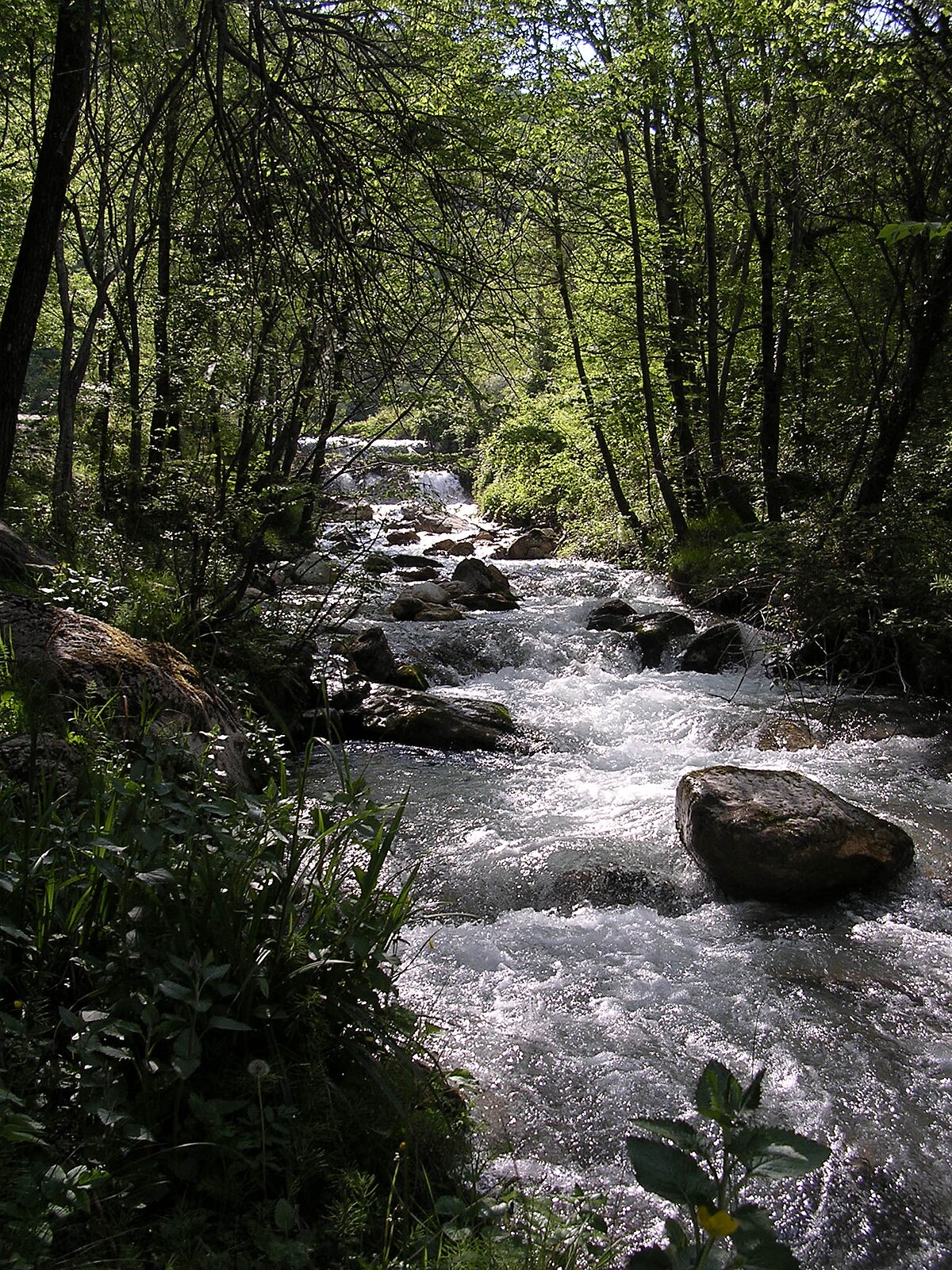
The Ambro River is a picturesque waterway in the Marche region of Italy, known for its serene landscapes and ecological significance.

Ancient Ostra
📍 marche, Italy
Ancient Ostra is an archaeological site located in Marche, Italy, notable for its remnants of an ancient Roman city that offers insights into …

Ancona
📍 marche, Italy
Ancona is a historic city in the Marche region of Italy, renowned for its stunning coastal views and significant maritime heritage.

Antiquarium of Palazzone
📍 marche, Italy
The Antiquarium of Palazzone is a museum located in Perugia, Italy, renowned for its collection of artifacts that showcase the region's rich …
Archivio Diocesano e Biblioteca dell'Arcidiocesi di Pesaro
📍 marche, Italy
The Archivio Diocesano e Biblioteca dell'Arcidiocesi di Pesaro is a conservation library in Marche, Italy, renowned for its extensive collection of …
Archivio e Biblioteca della Cattedrale di S. Rufino (Duomo)
📍 marche, Italy
The Archivio e Biblioteca della Cattedrale di S. Rufino (Duomo) is a historical library and archive located in Assisi, Italy, renowned for its rich …
More Palace

Archbishop's Palace
📍 campania, Italy
The Archbishop's Palace is a historic palace located in Naples, Italy, known for its architectural elegance and cultural significance in the region.

Bevilacqua Palace
📍 veneto, Italy
The Bevilacqua Palace is a historic palace located in Verona, Italy, renowned for its architectural elegance and cultural significance in the region.

Ca Cappello
📍 veneto, Italy
Ca Cappello is a historic palace located in Venice, Italy, renowned for its architectural elegance and cultural significance in the heart of the city.

Ca Robegan
📍 veneto, Italy
Ca Robegan is a historic palace located in Treviso, Italy, known for its architectural elegance and cultural significance in the Veneto region.

Ca' Amalteo
📍 veneto, Italy
Ca' Amalteo is a historic palace in Venice, Italy, renowned for its architectural elegance and rich cultural heritage.
Ca' Caotorta
📍 veneto, Italy
Ca' Caotorta is a historic palace in Venice, Italy, known for its unique architectural style and cultural significance in the heart of the city.