


Palazzo della Signoria
Overview
Located in the charming town of Iesi in the Marche region of Italy, the Palazzo della Signoria is a captivating testament to Renaissance architecture and civic pride. This palace holds an esteemed place in the town’s history, serving as a center of governance and culture. Its grand façade and intricate details reflect the artistic aspirations of its era, making it a noteworthy landmark for visitors interested in the rich heritage of Italy.
As you approach the Palazzo, you are greeted by its imposing presence, which hints at the important role it played in the political and social life of Iesi. The building not only serves as an architectural marvel but also as a repository of stories that intertwine with the lives of the people who have walked its halls over the centuries. The Palazzo della Signoria stands as an enduring symbol of the town’s identity and offers a glimpse into the past while inviting exploration of its significant artistic contributions.
History and Significance
The Palazzo della Signoria’s history is deeply interwoven with the development of Iesi itself. Originally constructed as a seat of power, it has witnessed numerous political changes and cultural shifts throughout the years. The palace served as the residence for the local government, embodying the civic pride of the inhabitants. Its strategic location allowed it to function as a hub for administrative and judicial activities, influencing the governance of the region.
Over time, the Palazzo became a symbol of local identity, reflecting the cultural and political aspirations of its citizens. The architecture of the building is representative of the Renaissance style, characterized by its harmonious proportions and classical elements. As a site of historical significance, the Palazzo has hosted many events, including public gatherings and celebrations, further cementing its role in the community.
The cultural importance of the Palazzo della Signoria extends beyond its physical structure. It has been a witness to the evolution of Iesi, which has maintained a strong sense of identity through its historical roots. Throughout its existence, the palace has inspired artists, scholars, and locals alike, becoming a focal point for cultural activities and artistic endeavors. This legacy continues to influence the town’s cultural landscape today.
Architecture and Features
The architectural style of the Palazzo della Signoria is a fine example of Renaissance aesthetics, showcasing meticulous attention to detail and symmetry. The façade presents a striking appearance, characterized by its elegant lines and sophisticated use of materials. Visitors will notice the harmonious balance between the building’s structural elements and decorative features, which reflect the artistry of the time.
One of the key features of the Palazzo is its grand entrance, which is often adorned with intricate stone carvings that depict various historical and mythological motifs. The windows are elegantly framed, adding to the overall grandeur of the structure. Inside, the palace boasts spacious rooms that were once used for governmental functions and gatherings, showcasing beautiful ceiling frescoes and ornate decorations that highlight the artistic flair of the Renaissance period.
The interior layout of the Palazzo allows for a glimpse into its historical significance, with rooms that have been preserved to reflect their original use. This sense of authenticity enhances the visitor experience, as one can imagine the bustling activity that once filled the halls. The interplay of light and shadow through the windows further enhances the ambiance of the space, inviting contemplation and appreciation of the craftsmanship involved in its creation.
Visiting Information
Reaching the Palazzo della Signoria is relatively straightforward, with access via various modes of transport. Visitors can arrive by car, with parking options available nearby, or use public transportation, which connects Iesi to other major cities in the Marche region. The town is well-served by local bus routes, making it convenient for travelers.
Check the official website for current information on opening hours and ticket prices, as these may vary throughout the year. Typically, visitors should allocate approximately one to two hours to explore the Palazzo, allowing ample time to appreciate its architectural details and historical significance.
The best times to visit are during the spring and early fall when the weather is mild, and the town is less crowded with tourists. This allows for a more leisurely exploration of the Palazzo and its surroundings.
Nearby Attractions
While visiting the Palazzo della Signoria, consider exploring these nearby attractions:
Castello di Iesi: A historic castle that offers stunning views of the surrounding landscape and a chance to delve deeper into the region’s medieval history.
Duomo di Iesi: This impressive cathedral features beautiful frescoes and a serene atmosphere, perfect for those interested in religious architecture.
Museo della Storia della Medicina: A unique museum dedicated to the history of medicine, showcasing fascinating artifacts and exhibits.
Parco del Cardeto: A lovely park offering a peaceful retreat with walking paths and green spaces, ideal for a leisurely stroll after visiting the palace.
Teatro Pergolesi: A charming theater that hosts various performances and cultural events, providing insight into the local arts scene.
Insider Tips
For the best photography opportunities, visit the Palazzo during the early morning or late afternoon when the light is softer. This will highlight the architectural details beautifully. Additionally, try to visit on weekdays if possible, as weekends may draw larger crowds.
If you wish to avoid the busiest times, plan your visit for the off-peak season or early in the day. This will allow you to explore the Palazzo at a more relaxed pace and enjoy its history with fewer distractions.
Practical Information
When visiting the Palazzo della Signoria, it is advisable to wear comfortable shoes, as you may be walking on uneven surfaces within and around the palace. Additionally, consider bringing a water bottle and a light jacket, as the interior can be cooler than expected.
Check the official website for seasonal considerations, as opening hours and guided tour availability may change throughout the year. Be sure to also verify any special events or exhibitions that may be taking place during your visit.
Frequently Asked Questions
How long should I spend visiting?
Visitors typically spend about one to two hours exploring the Palazzo, which allows for a thorough appreciation of its features and historical significance.
Is photography allowed?
Photography is generally permitted, but it is best to check for any specific restrictions upon entry.
Are there guided tours?
Guided tours may be available; check the official website for details on booking and availability.
What’s the best time to visit?
The best times to visit are during the spring and early fall when the weather is pleasant, and crowds are lighter.
Is it wheelchair accessible?
Accessibility options may vary; it’s advisable to check in advance for specific accommodations.
Can I buy tickets online?
Check the official website for information on purchasing tickets online and any special offers.
Are there restrooms and cafes?
Facilities such as restrooms may be available, but it’s a good idea to check in advance. Nearby cafes can provide refreshments.
What should I wear?
Dress comfortably and consider layers, as indoor temperatures can be cooler than outside.
Photo Gallery
More in marche
Ambro
📍 marche, Italy
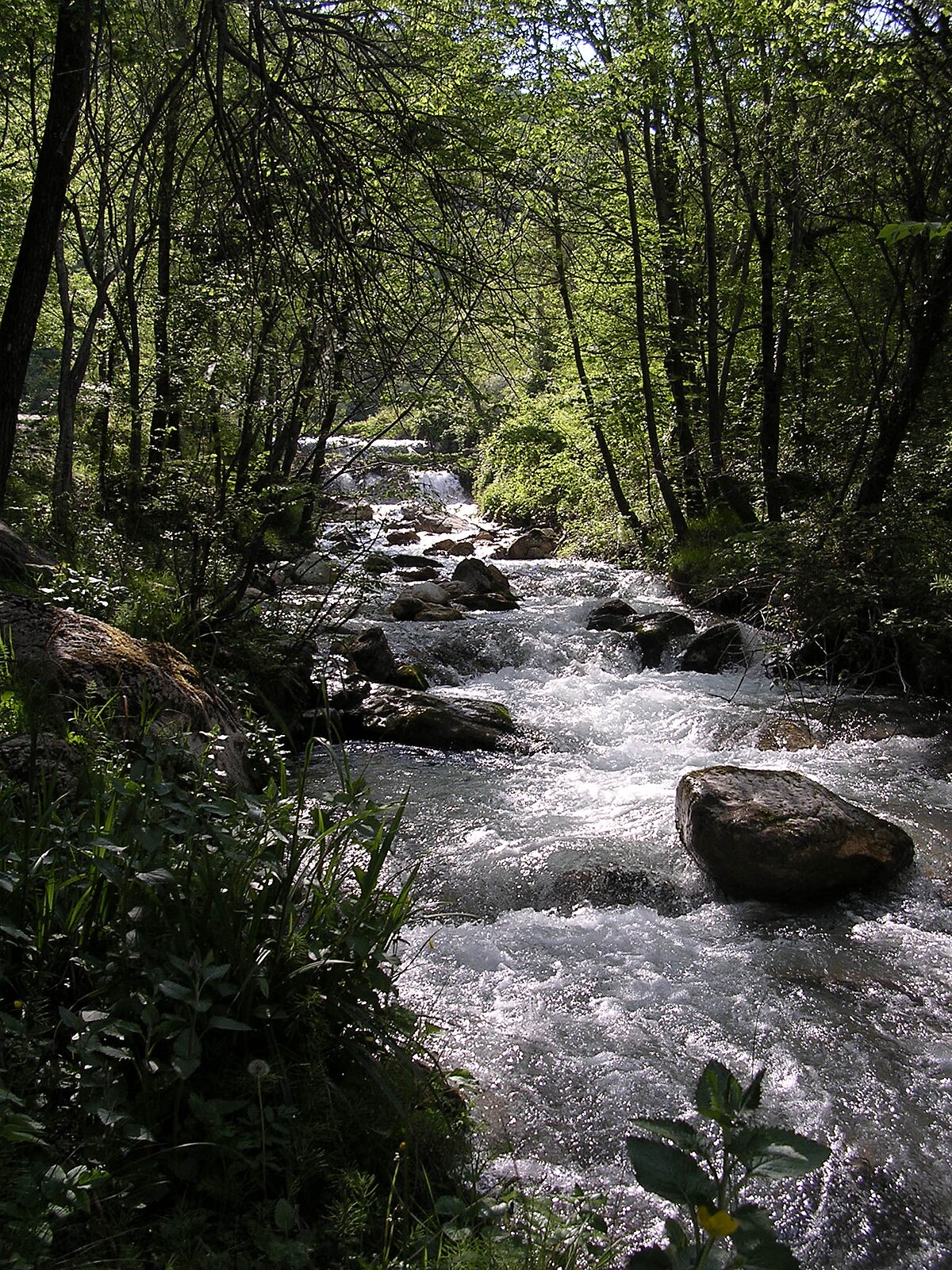
The Ambro River is a picturesque waterway in the Marche region of Italy, known for its serene landscapes and ecological significance.

Ancient Ostra
📍 marche, Italy
Ancient Ostra is an archaeological site located in Marche, Italy, notable for its remnants of an ancient Roman city that offers insights into …

Ancona
📍 marche, Italy
Ancona is a historic city in the Marche region of Italy, renowned for its stunning coastal views and significant maritime heritage.

Antiquarium of Palazzone
📍 marche, Italy
The Antiquarium of Palazzone is a museum located in Perugia, Italy, renowned for its collection of artifacts that showcase the region's rich …
Archivio Diocesano e Biblioteca dell'Arcidiocesi di Pesaro
📍 marche, Italy
The Archivio Diocesano e Biblioteca dell'Arcidiocesi di Pesaro is a conservation library in Marche, Italy, renowned for its extensive collection of …
Archivio e Biblioteca della Cattedrale di S. Rufino (Duomo)
📍 marche, Italy
The Archivio e Biblioteca della Cattedrale di S. Rufino (Duomo) is a historical library and archive located in Assisi, Italy, renowned for its rich …
More Palace

Archbishop's Palace
📍 campania, Italy
The Archbishop's Palace is a historic palace located in Naples, Italy, known for its architectural elegance and cultural significance in the region.

Bevilacqua Palace
📍 veneto, Italy
The Bevilacqua Palace is a historic palace located in Verona, Italy, renowned for its architectural elegance and cultural significance in the region.

Ca Cappello
📍 veneto, Italy
Ca Cappello is a historic palace located in Venice, Italy, renowned for its architectural elegance and cultural significance in the heart of the city.

Ca Robegan
📍 veneto, Italy
Ca Robegan is a historic palace located in Treviso, Italy, known for its architectural elegance and cultural significance in the Veneto region.

Ca' Amalteo
📍 veneto, Italy
Ca' Amalteo is a historic palace in Venice, Italy, renowned for its architectural elegance and rich cultural heritage.
Ca' Caotorta
📍 veneto, Italy
Ca' Caotorta is a historic palace in Venice, Italy, known for its unique architectural style and cultural significance in the heart of the city.