
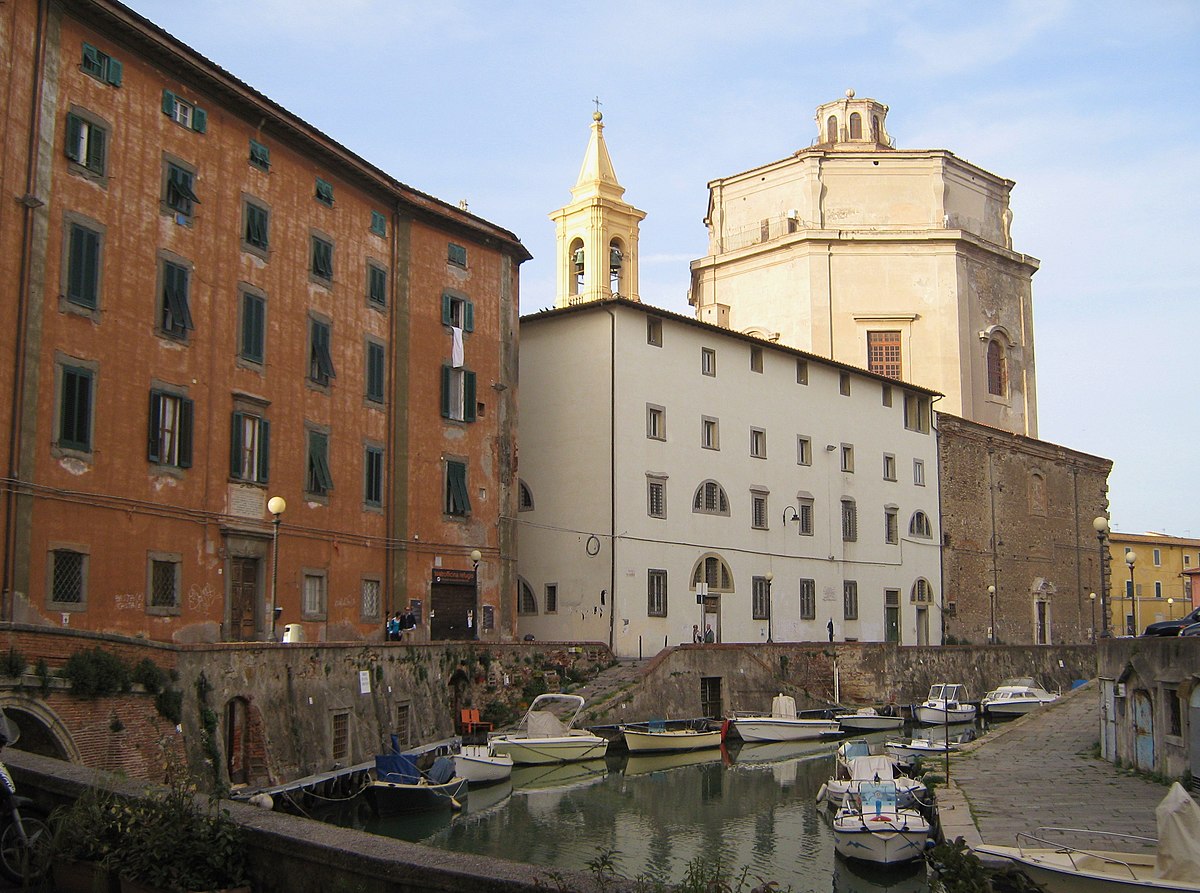


Palazzo dei Domenicani (Livorno)
Overview
The Palazzo dei Domenicani, situated in the vibrant port city of Livorno, Tuscany, stands as a notable example of the architectural styles that characterize the region. This historical palace reflects the cultural and social dynamics that have shaped Livorno over the centuries. Originally constructed to serve as a convent for the Dominican order, the building has undergone various transformations, mirroring the city’s evolution from a bustling maritime hub to a center of commerce and culture.
With its strategic location near the coast and along the ancient trade routes, Livorno played a crucial role in Italy’s maritime history. The Palazzo dei Domenicani adds to this narrative, offering insights into the religious and communal life of the Dominican friars, who were instrumental in the city’s development. Visitors to the palace can expect an engaging experience that combines architectural appreciation with historical exploration, making it a must-see for those interested in Tuscany’s rich heritage.
History and Significance
The history of the Palazzo dei Domenicani is intertwined with the establishment of the Dominican order in Italy. Although specific dates regarding its construction are not documented, the palace has served various functions throughout its existence. Originally, it was designed as a convent, where Dominican friars lived and worked on their religious missions. The order was known for its commitment to education and social service, and the palace played a pivotal role in these endeavors.
As Livorno developed into a bustling port city, the significance of the Palazzo dei Domenicani grew. It became a center for community activities and a place for the local population to engage with the Dominican friars. The architectural features of the building reflect the influence of various styles that have emerged in Tuscany over the centuries.
The site has also witnessed significant historical events, including periods of social change and the impact of various political regimes. Each phase of its history adds layers to its cultural significance, reflecting the broader narrative of Livorno and its inhabitants.
In recent years, efforts have been made to preserve the Palazzo dei Domenicani, ensuring that its historical and cultural importance is recognized and appreciated by future generations. Today, it serves as a reminder of the city’s past while also functioning as a space for cultural events and exhibitions, fostering a connection between history and contemporary life.
Architecture and Features
The architectural style of the Palazzo dei Domenicani is reflective of the various influences that have shaped Livorno. The building features a combination of Renaissance and Baroque elements, typical of Tuscan architecture. Its façade is characterized by symmetrical lines, large windows, and decorative motifs that showcase the craftsmanship of the era.
The interior spaces of the palace are equally noteworthy, with rooms that may display original frescoes and details rich in historical significance. The layout of the building, designed to accommodate the communal lifestyle of the Dominican friars, includes chapels, common areas, and individual quarters, all contributing to the overall functionality of the space.
While specific details about the palace’s interior are limited, elements such as vaulted ceilings and ornate arches are common in architecture from this period, providing visitors with an immersive experience of the building’s historical context.
Visitors to the Palazzo dei Domenicani are encouraged to appreciate not only the exterior beauty of the structure but also to take note of the subtle details that hint at its storied past. Each corner of the building tells a story, inviting exploration and contemplation.
Visiting Information
Visiting the Palazzo dei Domenicani offers an enriching experience for those interested in history and architecture. To reach the palace, visitors can utilize various modes of transportation, including public buses or taxis, which are readily available in Livorno. The palace’s central location makes it easily accessible for those exploring the city on foot.
Check the official website for current information regarding opening hours and ticket prices, as these may vary depending on the season or special events. It is advisable to allocate at least one to two hours for your visit, allowing ample time to thoroughly explore the palace and absorb its historical significance.
The best times to visit are during the shoulder seasons of spring and autumn when the weather is mild, and the tourist crowds are generally smaller. Visiting during these periods enhances the experience, allowing for a more intimate exploration of the site.
Inside, guests can expect to find informative displays and possibly guided tours that offer deeper insights into the palace’s history and architectural features. Be prepared for limited amenities, as the focus is primarily on the preservation of the building and its historical context.
Nearby Attractions
While visiting the Palazzo dei Domenicani, consider exploring other notable attractions in Livorno to enrich your experience:
Terrazza Mascagni: A renowned seafront promenade offering spectacular views of the Ligurian Sea, perfect for a leisurely stroll.
Fortezza Nuova: A historical fortress dating back to the 16th century, providing insights into Livorno’s military history and stunning views of the harbor.
Museo di Storia Naturale del Mediterraneo: A natural history museum showcasing the biodiversity of the Mediterranean region, ideal for families and nature lovers.
Chiesa di Santa Caterina: An impressive church known for its beautiful architecture and serene atmosphere, located just a short distance from the palace.
Porto Mediceo: The Medici Port, a historical area that highlights Livorno’s maritime heritage, featuring shops, restaurants, and picturesque views.
Insider Tips
To make the most of your visit to the Palazzo dei Domenicani, consider these insider tips:
Photography: While photography is typically allowed, be respectful of any restrictions in specific areas, especially if there are ongoing events or exhibitions.
Crowd Avoidance: To avoid larger crowds, plan your visit early in the morning or later in the afternoon on weekdays, particularly if you are visiting during peak tourist seasons.
Guided Tours: If available, opt for a guided tour to gain deeper insights into the history and significance of the palace, as well as the architecture.
Practical Information
When planning your visit, keep the following practical information in mind:
What to Bring: Comfortable walking shoes are recommended, as exploring the palace and surrounding areas may involve some walking. A reusable water bottle is also a good idea to stay hydrated.
Seasonal Considerations: Weather conditions can vary, so check the forecast before your visit and dress accordingly. Sunscreen and hats are advisable during the warmer months, while layers may be needed in cooler seasons.
Accessibility: While the palace aims to be accessible, it is advisable to check in advance regarding specific accommodations for visitors with mobility challenges.
Frequently Asked Questions
How long should I spend visiting?
A visit typically takes about one to two hours, depending on your interest in exploring the site and its features.
Is photography allowed?
Photography is generally permitted, but it’s advisable to be mindful of any restrictions in certain areas.
Are there guided tours?
Guided tours may be available, providing deeper insights into the history and architecture of the palace.
What’s the best time to visit?
The best times to visit are during the shoulder seasons of spring and autumn, when the weather is mild and tourist crowds are smaller.
Is it wheelchair accessible?
While efforts are made to accommodate all visitors, it’s best to check the official website for specific accessibility details.
Can I buy tickets online?
Check the official website for information on ticket availability and purchasing options.
Are there restrooms and cafes?
Amenities may be limited; it is advisable to plan accordingly, perhaps visiting nearby cafes or restaurants for refreshments.
What should I wear?
Dress comfortably and appropriately for the weather conditions, considering layers if visiting during cooler months.
Photo Gallery
More in tuscany

Abbazia di San Gaudenzio
📍 tuscany, Italy
The Abbazia di San Gaudenzio is a historic abbey located in San Gaudenzio, Tuscany, Italy, notable for its architectural elegance and spiritual …

Abbey of St Maria del Monte
📍 tuscany, Italy
The Abbey of St Maria del Monte is a historic church building located in Cesena, Italy, celebrated for its architectural beauty and serene ambiance.
Abiogen Pharma
📍 tuscany, Italy
Abiogen Pharma is an educational institution located in Pisa, Italy, recognized for its contributions to pharmaceutical education and research.

Academia de la Crusca library
📍 tuscany, Italy
The Academia de la Crusca library is a historic library located in Tuscany, Italy, renowned for its dedication to the Italian language and its …

Acquedotto leopoldino
📍 tuscany, Italy
The Acquedotto Leopoldino is an impressive aqueduct system located in Livorno, Tuscany, Italy, recognized for its historical significance and …

Acquedotto Lorenese
📍 tuscany, Italy
The Acquedotto Lorenese is a historic aqueduct located in Campiglia Marittima, Tuscany, Italy, known for its 19th-century architecture and engineering …
More Palace

Archbishop's Palace
📍 campania, Italy
The Archbishop's Palace is a historic palace located in Naples, Italy, known for its architectural elegance and cultural significance in the region.

Bevilacqua Palace
📍 veneto, Italy
The Bevilacqua Palace is a historic palace located in Verona, Italy, renowned for its architectural elegance and cultural significance in the region.

Ca Cappello
📍 veneto, Italy
Ca Cappello is a historic palace located in Venice, Italy, renowned for its architectural elegance and cultural significance in the heart of the city.

Ca Robegan
📍 veneto, Italy
Ca Robegan is a historic palace located in Treviso, Italy, known for its architectural elegance and cultural significance in the Veneto region.

Ca' Amalteo
📍 veneto, Italy
Ca' Amalteo is a historic palace in Venice, Italy, renowned for its architectural elegance and rich cultural heritage.
Ca' Caotorta
📍 veneto, Italy
Ca' Caotorta is a historic palace in Venice, Italy, known for its unique architectural style and cultural significance in the heart of the city.