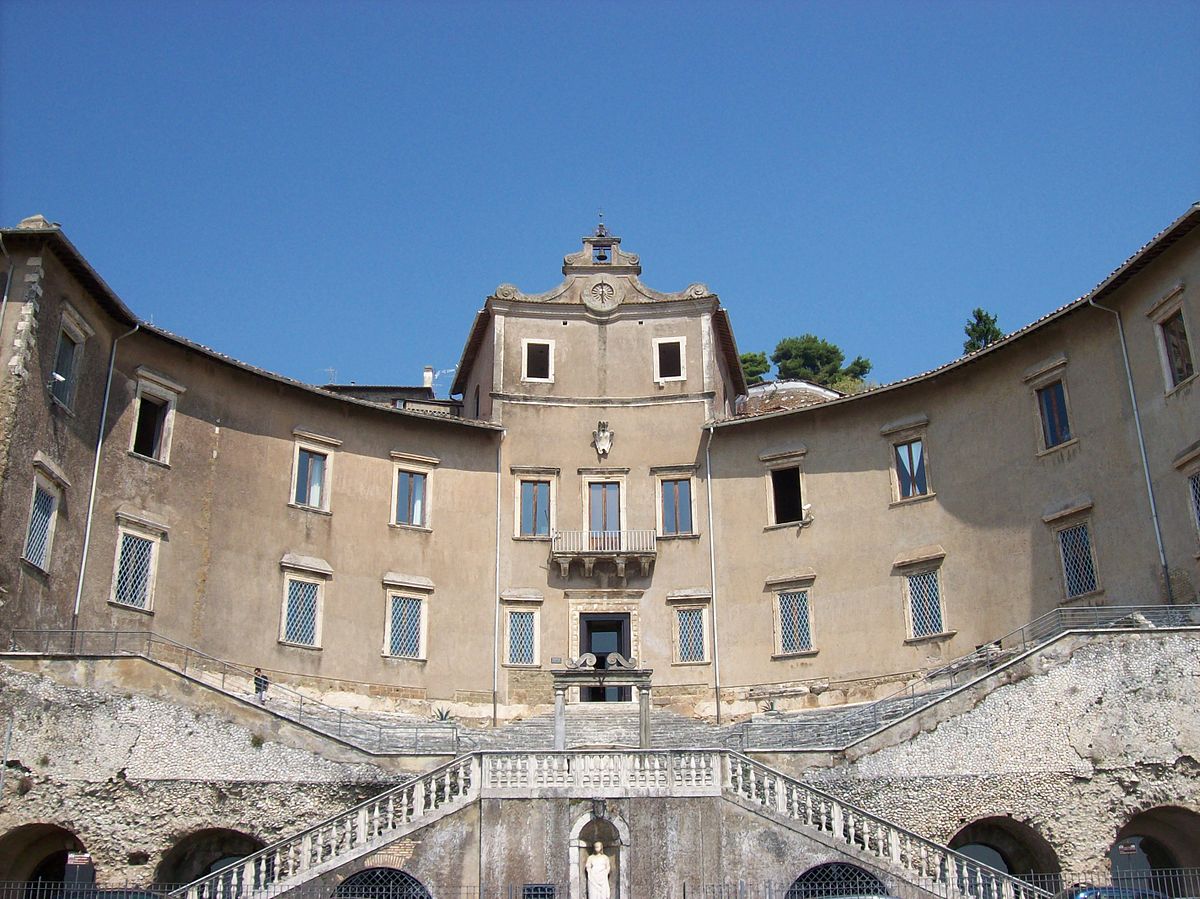


Palazzo Colonna Barberini
Overview
The Palazzo Colonna Barberini is an exceptional palace situated in the charming town of Palestrina, within the Lazio region of Italy. This architectural marvel is not only a prominent example of Italian baroque style but also serves as a significant cultural landmark, reflecting the rich history and artistic heritage of the area. The palace is renowned for its opulent interiors and beautifully crafted artworks, making it a must-visit destination for history enthusiasts and art lovers alike.
Positioned on a hill overlooking the surrounding landscape, the Palazzo offers visitors a glimpse into the noble lives of the Colonna and Barberini families, who played pivotal roles in Italian history. The palace’s strategic location also provides an engaging context for understanding the evolution of Palestrina from ancient times to the present day.
As you explore the palace, you will encounter not only its grand halls and exquisite decorations but also a sense of the stories and events that have shaped this remarkable site. The blend of art, architecture, and history at Palazzo Colonna Barberini promises to captivate anyone who walks through its doors.
History and Significance
The history of the Palazzo Colonna Barberini is deeply intertwined with that of the Colonna and Barberini families, who held considerable power and influence in the region. The Colonna family, one of the oldest noble families in Rome, has roots that extend back to the medieval period. Their prominence in the political and religious landscape of Italy is evident in the various architectural and artistic contributions they made.
The Barberini family, on the other hand, rose to prominence in the 17th century, particularly during the papacy of Urban VIII, a member of the family. Their influence is marked by significant artistic patronage, and their legacy continues to shape the cultural landscape of Italy.
The palace itself has undergone various renovations and changes throughout the centuries, reflecting the evolving tastes and styles of its inhabitants. It has witnessed numerous historical events, including the tumultuous periods of the Renaissance and Baroque eras. Today, it stands as a testament to the artistic and cultural movements that flourished in Italy during these times.
Visitors can appreciate the importance of the Palazzo Colonna Barberini not only as a residence but also as a hub for art and culture. The palace houses an impressive collection of artworks, sculptures, and frescoes, many of which were commissioned by the Colonna and Barberini families. This collection provides insight into the artistic trends of the time and the family’s role in promoting the arts.
Architecture and Features
The Palazzo Colonna Barberini showcases the elegant features typical of baroque architecture, characterized by grandeur and intricate detail. Its façade is adorned with ornate decorations that reflect the artistic sensibilities of the period. Visitors are often struck by the dramatic interplay of light and shadow created by the building’s architectural elements.
Upon entering the palace, guests will find themselves in spacious halls and rooms adorned with exquisite frescoes, elaborate stuccoes, and an array of artistic treasures. The interiors are designed to evoke a sense of opulence and sophistication, with each room telling its own unique story through the artworks it contains.
One of the standout features of the palace is its grand staircase, which serves as a focal point for visitors. This impressive architectural element leads to the main reception areas, where the richness of the palace’s history is palpable. The attention to detail in the craftsmanship of the staircase and surrounding walls exemplifies the skill of the artisans who worked on the palace.
In addition to its artistic offerings, the Palazzo Colonna Barberini is surrounded by beautifully landscaped gardens that provide a serene backdrop to the grandeur of the palace. These gardens are a testament to the careful planning and design that went into creating a harmonious environment that complements the architecture.
Visiting Information
Visiting the Palazzo Colonna Barberini is an enriching experience that allows you to immerse yourself in the history and culture of Palestrina. The palace is accessible by various modes of transport, including public transportation options that connect to major cities in the Lazio region.
Check the official website for current information regarding hours of operation and ticket prices, as these may vary depending on the season and any special events taking place. Visitors typically recommend allocating a few hours for the visit to fully appreciate the palace’s extensive collection and architectural grandeur.
The best times to visit are during weekdays, as weekends may attract larger crowds. This will allow for a more leisurely exploration of the palace and its gardens. Additionally, early morning hours can provide a more tranquil atmosphere, ideal for photography and reflection.
Inside, expect to find informative displays and guides that enhance your understanding of the artworks and historical context. The palace often hosts temporary exhibitions, so it’s worth checking in advance to see if any special events coincide with your visit.
Nearby Attractions
While the Palazzo Colonna Barberini is a destination in itself, the surrounding area offers several other attractions worth exploring:
Palestrina Archaeological Museum: Just a short distance from the palace, this museum showcases artifacts from the ancient city of Praeneste, providing insight into the region’s rich archaeological history.
Santuario della Fortuna Primigenia: An ancient sanctuary that dates back to the Roman era, this site is renowned for its impressive ruins and historical significance.
Palazzo Barberini: Located in nearby Rome, this palace is another stunning example of Baroque architecture and houses an extensive art collection, including works by Caravaggio and Raphael.
Castello di Palestrina: A medieval castle that offers panoramic views of the surrounding countryside and a glimpse into the town’s historical defenses.
Parco Regionale dei Castelli Romani: A beautiful regional park that features hiking trails, scenic vistas, and opportunities for outdoor activities amidst nature.
Insider Tips
When visiting the Palazzo Colonna Barberini, consider bringing a camera to capture the stunning architecture and artworks. However, be mindful of any photography restrictions in certain areas of the palace.
To avoid crowds, plan your visit during weekdays, especially in the morning hours. This will enhance your experience, allowing you to take your time exploring the various rooms and appreciating the intricate details.
If you’re interested in the historical context of the palace, consider joining a guided tour. Knowledgeable guides can provide valuable insights and stories that may not be immediately apparent when exploring on your own.
Practical Information
When visiting the Palazzo Colonna Barberini, be sure to wear comfortable shoes, as you will likely be walking on uneven surfaces and exploring various levels of the palace.
Seasonal considerations are important; summer months can be hot, so dress appropriately and stay hydrated. Spring and autumn are typically more temperate, making them ideal for both indoor and outdoor exploration.
Check the official website for specific information on tickets, opening hours, and any special events that may affect your visit. It’s also advisable to check for any seasonal closures or maintenance updates before planning your trip.
Frequently Asked Questions
How long should I spend visiting?
It is recommended to spend around 2-3 hours at the Palazzo Colonna Barberini to fully appreciate its art and architecture.
Is photography allowed?
Photography is generally allowed, but be sure to check for specific restrictions in certain areas of the palace.
Are there guided tours?
Yes, guided tours are available and can enhance your understanding of the palace’s history and artworks.
What’s the best time to visit?
Weekdays, particularly in the morning, are the best times to visit to avoid large crowds.
Is it wheelchair accessible?
Check the official website for current accessibility information, as conditions may vary.
Can I buy tickets online?
Yes, tickets can often be purchased online, which may save you time upon arrival.
Are there restrooms and cafes?
Facilities may be available; check the official website for specific amenities.
What should I wear?
Dress comfortably and appropriately for the season, as you will be walking and exploring various spaces within the palace.
Photo Gallery
More in lazio
Abatino Park
📍 lazio, Italy
The Abatino Park is a serene natural park located in Lazio, Italy, offering visitors a peaceful retreat with lush landscapes and recreational …
Abbazia di Santa Maria di Ponza
📍 lazio, Italy
The Abbazia di Santa Maria di Ponza is a Cistercian monastery on Ponza Island, Italy, renowned for its serene atmosphere and historical significance.

Academia Belgica
📍 lazio, Italy
The Academia Belgica is a Belgian cultural institution located in Rome, Italy, notable for its role in promoting Belgian heritage and fostering …
Accademia di Belle Arti di Frosinone
📍 lazio, Italy
The Accademia di Belle Arti di Frosinone is an educational institution in Frosinone, Italy, renowned for its commitment to fostering artistic talent …
Acqua Vergine
📍 lazio, Italy
Acqua Vergine is a modern aqueduct located in Rome, Italy, known for its engineering marvel and role in the city's water supply system.

Acquedotto delle Arcatelle
📍 lazio, Italy
The Acquedotto delle Arcatelle is a 17th-century aqueduct located in Tarquinia, Italy, recognized for its impressive architectural design and …
More Palace

Archbishop's Palace
📍 campania, Italy
The Archbishop's Palace is a historic palace located in Naples, Italy, known for its architectural elegance and cultural significance in the region.

Bevilacqua Palace
📍 veneto, Italy
The Bevilacqua Palace is a historic palace located in Verona, Italy, renowned for its architectural elegance and cultural significance in the region.

Ca Cappello
📍 veneto, Italy
Ca Cappello is a historic palace located in Venice, Italy, renowned for its architectural elegance and cultural significance in the heart of the city.

Ca Robegan
📍 veneto, Italy
Ca Robegan is a historic palace located in Treviso, Italy, known for its architectural elegance and cultural significance in the Veneto region.

Ca' Amalteo
📍 veneto, Italy
Ca' Amalteo is a historic palace in Venice, Italy, renowned for its architectural elegance and rich cultural heritage.
Ca' Caotorta
📍 veneto, Italy
Ca' Caotorta is a historic palace in Venice, Italy, known for its unique architectural style and cultural significance in the heart of the city.