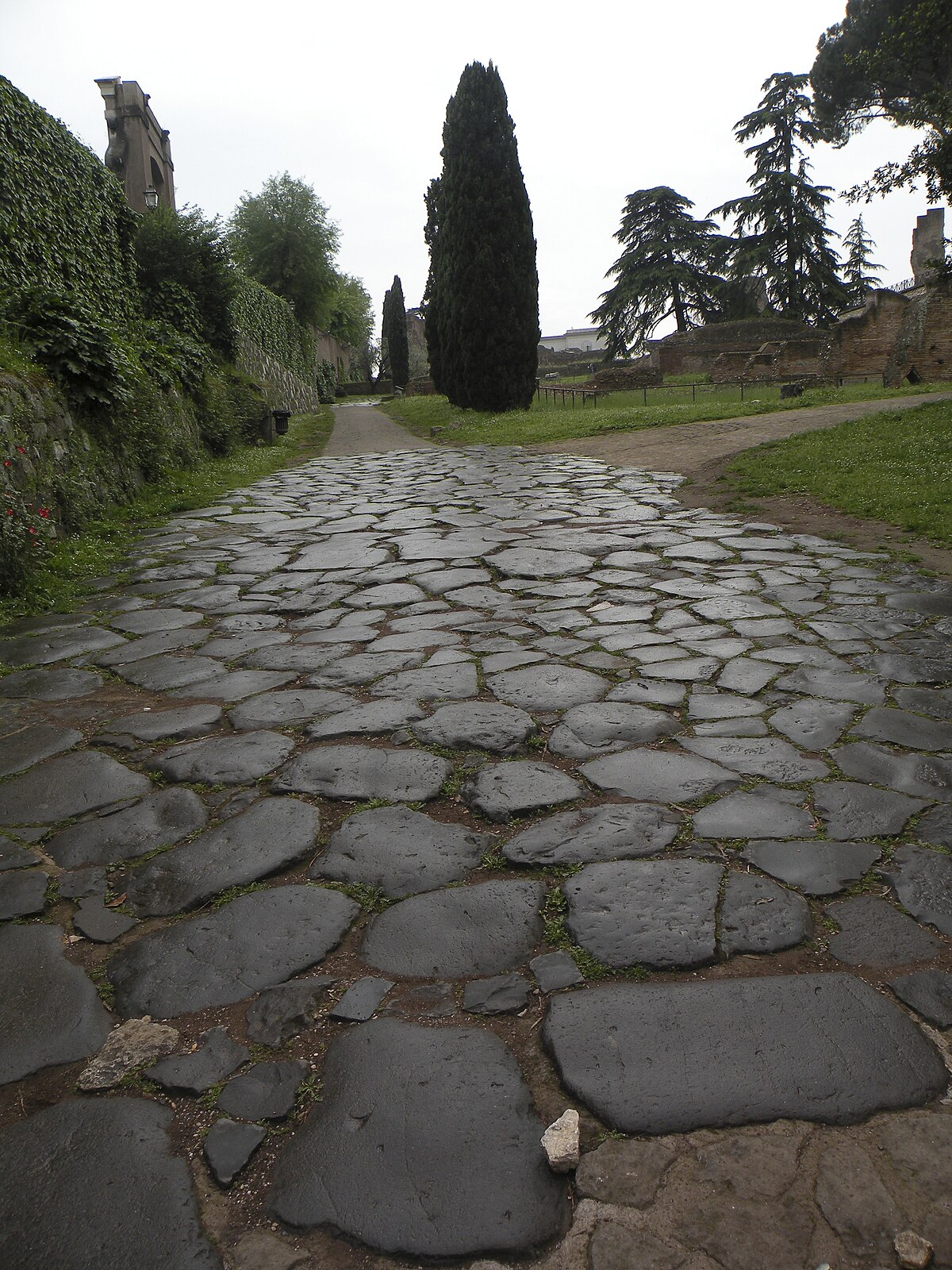


Palatine Hill
Overview
Palatine Hill, one of the most significant sites in the city of Rome, is the centermost of the seven hills that define the city’s landscape. It holds a prominent place in Roman mythology and history, as it is traditionally considered the birthplace of Romulus, the founder of Rome. This hill is not only a geographical landmark but also a cultural and historical symbol, representing the heart of ancient Roman civilization.
Visitors to Palatine Hill are often captivated by its extensive archaeological remains, lush gardens, and sweeping views of the Forum and the Colosseum. As you explore the ruins of ancient palaces and temples, you will uncover layers of history that encompass the rise and fall of one of the greatest empires in human history. A visit to this site promises a profound connection to the past, allowing you to grasp the grandeur of Rome’s imperial legacy.
History and Significance
The history of Palatine Hill stretches back to ancient times, with evidence of habitation dating to the 10th century BC. The hill was initially settled by pastoral communities before evolving into an elite residential area during the regal and republican periods. It became the preferred location for the homes of Rome’s wealthy and powerful citizens, including emperors like Augustus, Tiberius, and Domitian.
As the center of political and social life, Palatine Hill was a focal point for the development of Roman architecture and urban planning. The area was adorned with opulent palaces, temples, and public buildings, reflecting the power and prestige of its inhabitants. Augustus, in particular, transformed the hill into a monumental complex, blending private residences with public spaces, thereby setting a precedent for future imperial constructions.
The hill’s significance extends beyond its physical structures; it is intimately linked to Roman mythology. According to legend, Romulus founded Rome after slaying his brother Remus on the hill. This mythological association has made Palatine Hill a central element in Roman identity, symbolizing the origins of the city and the divine favor believed to have been bestowed upon it.
Over the centuries, Palatine Hill witnessed the decline of Rome’s imperial power, leading to the abandonment of its grand palaces. However, its historical significance was recognized during the Renaissance, prompting archaeological excavations that revealed the remnants of its glorious past. Today, Palatine Hill serves as a testament to Rome’s rich history and architectural innovation, attracting historians, archaeologists, and tourists alike.
Architecture and Features
The architectural landscape of Palatine Hill is diverse and reflective of various periods in Roman history. Visitors can explore the ruins of grand palaces, including the House of Augustus, which offers a glimpse into the opulence of imperial life. This complex features frescoes, gardens, and well-preserved rooms that showcase the artistic and architectural advancements of the time.
Another notable structure is the Flavian Palace, built during the reign of Emperor Domitian. This expansive complex includes vast terraces, gardens, and intricate architectural elements that highlight the scale and ambition of Roman engineering. The remains of the palace provide insight into the luxurious lifestyle of the emperors, complete with elaborate water features and expansive courtyards.
In addition to these palaces, the hill is dotted with remnants of temples dedicated to various deities, such as the Temple of Apollo and the Temple of Cybele. These structures not only served religious purposes but also symbolized the connection between the emperors and the divine, reinforcing their authority in the eyes of the populace.
Lush gardens and scenic pathways enhance the experience of exploring Palatine Hill. The combination of nature and ancient ruins creates a serene environment, inviting visitors to reflect on the grandeur of Rome’s past while enjoying the beauty of the surrounding landscape.
Visiting Information
Reaching Palatine Hill is relatively straightforward, as it is located in the heart of Rome, adjacent to the Colosseum and the Roman Forum. Visitors can access the site via public transportation, including buses and metro services. Upon arrival, expect to find well-marked pathways leading through the archaeological site, allowing for a self-guided exploration.
To make the most of your visit, plan to spend at least a couple of hours at Palatine Hill. The site is expansive, and each corner reveals new historical treasures. While the official hours and ticket prices may vary, it’s advisable to check the official website for current information to ensure a smooth experience.
The best times to visit Palatine Hill are during the spring and fall months when the weather is mild, and the tourist crowds are less dense. Early morning or late afternoon visits can provide a more tranquil experience, allowing you to fully appreciate the site’s historical significance without the hustle and bustle of larger crowds.
Nearby Attractions
Palatine Hill is conveniently located near several other notable attractions in Rome.
The Colosseum: Just a short walk away, this iconic amphitheater is a must-visit for its historical significance and architectural grandeur.
Roman Forum: Adjacent to Palatine Hill, the Forum was the heart of ancient Rome, bustling with political, social, and economic activity.
Circus Maximus: This ancient chariot racing stadium is located nearby and provides a glimpse into the entertainment culture of ancient Rome.
Capitoline Museums: A bit further away, these museums house an extensive collection of art and artifacts from ancient Rome.
The Arch of Constantine: Located near the Colosseum, this triumphal arch commemorates Emperor Constantine’s victory and is a significant monument in Roman history.
Insider Tips
To capture the beauty of Palatine Hill, consider bringing a camera, as the site features stunning vistas of the Roman Forum and the Colosseum. Early morning visits can also provide softer lighting for photography while avoiding the larger afternoon crowds.
For a more enriching experience, consider joining a guided tour, which can provide deeper insights into the historical context and significance of the ruins. If you prefer to explore independently, be sure to download a map or guide to help navigate the extensive pathways and sites.
Practical Information
When visiting Palatine Hill, it’s wise to dress comfortably and wear sturdy shoes, as the terrain can be uneven. Bring water and snacks, particularly if you plan to spend several hours exploring the area. Seasonal considerations are important; summers can be hot, so sunscreen and hats are recommended, while spring and fall provide milder weather.
Restrooms and cafes are available on-site, but options may be limited, so plan accordingly. Check the official website for any current updates on facilities and visitor services.
Frequently Asked Questions
How long should I spend visiting?
Most visitors spend about 2-3 hours exploring Palatine Hill to fully appreciate its historical significance and architectural features.
Is photography allowed?
Yes, photography is allowed throughout Palatine Hill, so feel free to capture the stunning ruins and views.
Are there guided tours?
Yes, guided tours are available and can provide in-depth knowledge about the site’s history and significance.
What’s the best time to visit?
The best times to visit are during the spring and fall months, when the weather is pleasant and crowds are generally smaller.
Is it wheelchair accessible?
Palatine Hill has some accessible pathways, but the terrain can be uneven in parts. It’s advisable to check the official website for detailed accessibility information.
Can I buy tickets online?
Yes, tickets can often be purchased online, which may help you avoid long lines at the entrance.
Are there restrooms and cafes?
Restrooms are available on-site, and there are also cafes where visitors can take a break.
What should I wear?
Comfortable clothing and sturdy footwear are recommended, as there is a fair amount of walking and some uneven surfaces.
Photo Gallery
Location
More in lazio
Abatino Park
📍 lazio, Italy
The Abatino Park is a serene natural park located in Lazio, Italy, offering visitors a peaceful retreat with lush landscapes and recreational …
Abbazia di Santa Maria di Ponza
📍 lazio, Italy
The Abbazia di Santa Maria di Ponza is a Cistercian monastery on Ponza Island, Italy, renowned for its serene atmosphere and historical significance.

Academia Belgica
📍 lazio, Italy
The Academia Belgica is a Belgian cultural institution located in Rome, Italy, notable for its role in promoting Belgian heritage and fostering …
Accademia di Belle Arti di Frosinone
📍 lazio, Italy
The Accademia di Belle Arti di Frosinone is an educational institution in Frosinone, Italy, renowned for its commitment to fostering artistic talent …
Acqua Vergine
📍 lazio, Italy
Acqua Vergine is a modern aqueduct located in Rome, Italy, known for its engineering marvel and role in the city's water supply system.

Acquedotto delle Arcatelle
📍 lazio, Italy
The Acquedotto delle Arcatelle is a 17th-century aqueduct located in Tarquinia, Italy, recognized for its impressive architectural design and …
More Archaeological Site

Abbazia di Santa Maria di Corazzo
📍 calabria, Italy
The Abbazia di Santa Maria di Corazzo is an archaeological site located in Carlopoli, Calabria, Italy, renowned for its historical significance and …

Abella
📍 campania, Italy
The archaeological site of Abella in Campania, Italy, is an ancient human settlement known for its historical significance and cultural heritage.

Abellinum
📍 campania, Italy
Abellinum is an archaeological site in Atripalda, Italy, known for its ancient ruins that reveal insights into Roman settlement and urban planning.

Aeculanum
📍 campania, Italy
Aeculanum is an archaeological site in Campania, Italy, known for its remnants of an ancient town that offer insight into early Roman urban life.
Aesernia
📍 molise, Italy
Aesernia is an ancient Roman archaeological site located in Molise, Italy, renowned for its well-preserved ruins that reflect the grandeur of Roman …

Alba Fucens
📍 lazio, Italy
Alba Fucens is an ancient archaeological site in Lazio, Italy, known for its well-preserved ruins that reflect the grandeur of a once-thriving Roman …