

Padua
Overview
Padua, the capital city of the Province of Padua in the Veneto region of Italy, is a remarkable destination steeped in history and culture. With its roots tracing back to ancient times, the city has long been a center of academic and artistic achievement. It is home to one of the oldest universities in the world, the University of Padua, which has shaped the intellectual landscape of Europe since its founding. Padua is also known for its picturesque squares, vibrant markets, and a blend of Gothic, Renaissance, and Baroque architecture that invites exploration.
The city is strategically located just a short distance from Venice, making it an ideal place for those looking to delve into the rich tapestry of Venetian culture while enjoying a more local experience. Notably, Padua houses the exquisite Scrovegni Chapel, adorned with frescoes by Giotto, which is a UNESCO World Heritage site and a must-see for visitors. The city’s unique blend of historical significance, artistic treasures, and lively urban life creates a compelling atmosphere that enchants travelers from around the world.
History and Significance
Padua’s history is both complex and fascinating, with evidence of human settlement dating back to the Bronze Age. The city was founded by the Romans in 302 BC, who named it Patavium. Over the centuries, Padua evolved into a significant cultural and political center, particularly during the Middle Ages and the Renaissance. The University of Padua, established in 1222, played a crucial role in advancing knowledge and attracting prominent figures such as Galileo Galilei and Nicolaus Copernicus.
During the 14th century, Padua came under the control of the Carrara family, who fostered a flourishing of the arts and architecture. The city became a hub for painters, sculptors, and architects, leaving behind a legacy that continues to influence the region. The establishment of the city’s famed botanical garden, one of the oldest in Europe, in 1545, further highlights Padua’s role in scientific advancement.
In addition to its academic achievements, Padua has long been a site of religious significance. The Basilica of Saint Anthony, dedicated to one of the most beloved saints in Christianity, attracts pilgrims and visitors alike. The city’s blend of secular and religious history creates a unique cultural fabric that continues to define its identity.
Architecture and Features
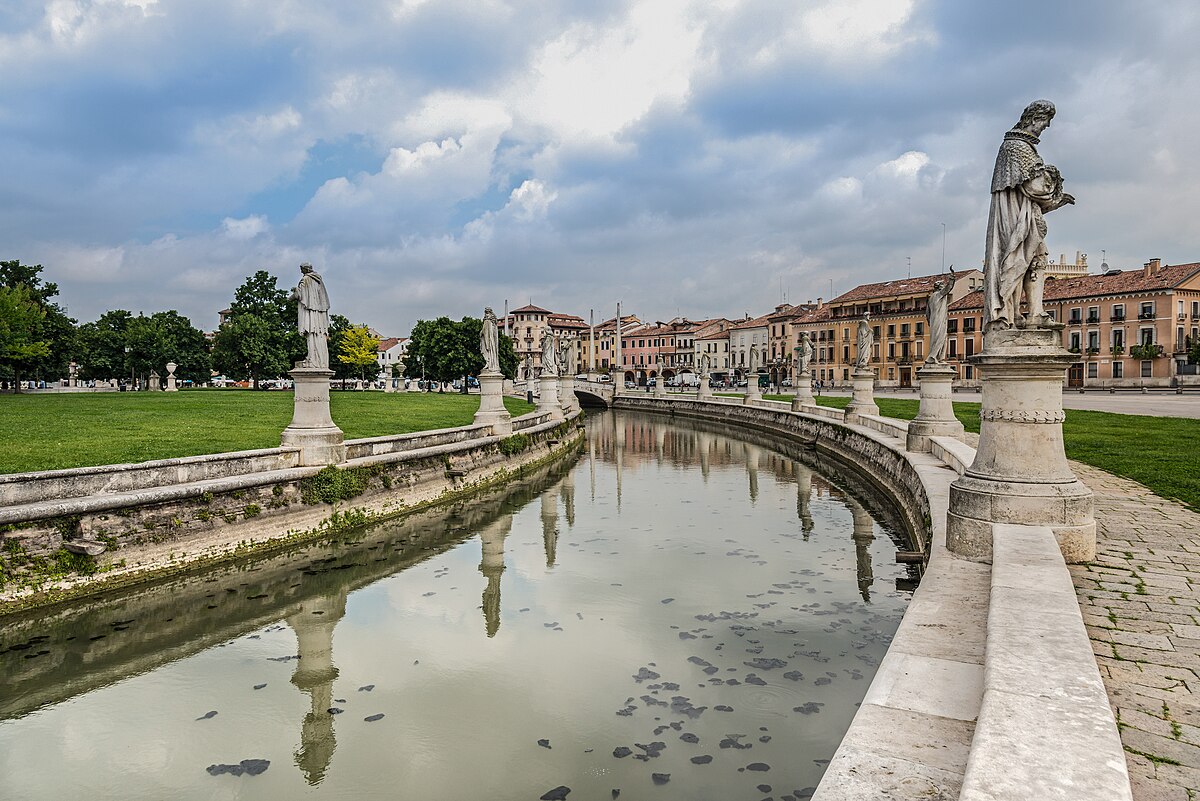
Padua is celebrated for its architectural diversity, showcasing styles from various historical periods. The heart of the city is marked by the Prato della Valle, one of the largest squares in Europe, which features a stunning elliptical island surrounded by a canal and adorned with statues representing prominent figures from Padua’s history.
The Scrovegni Chapel is undoubtedly one of Padua’s architectural highlights. Commissioned by the wealthy banker Enrico Scrovegni, the chapel is renowned for its breathtaking frescoes painted by Giotto, which depict the lives of the Virgin Mary and Christ. This masterpiece is an essential stop for art enthusiasts and a significant contribution to the history of Western art.
Another remarkable site is the Basilica of Saint Anthony, characterized by its unique blend of Romanesque and Byzantine architectural styles. Its impressive domes and ornate decorations reflect the artistic influences that have shaped Padua over the centuries. The basilica is not only a place of worship but also a cultural landmark that embodies the city’s spiritual heritage.
The city’s historic center is filled with charming streets, vibrant markets, and beautifully preserved buildings, making it an inviting area for leisurely strolls. The Palazzo della Ragione, a medieval town hall, is particularly striking, with its grand hall featuring wooden ceilings and frescoes that narrate the city’s history.
Visiting Information
Traveling to Padua is relatively straightforward, as it is well-connected by train and road. The city is located approximately 40 kilometers west of Venice, making it an easy day trip for those visiting the famous canals. The train station offers frequent services to major cities, including Venice, Verona, and Bologna.
When planning your visit, check the official website for current information regarding hours and prices for specific attractions. The best time to explore Padua is during the spring and early autumn when the weather is milder, and outdoor activities are plentiful. Expect to spend at least a full day in the city to fully appreciate its many attractions, from historical sites to local markets.
The city is generally pedestrian-friendly, allowing visitors to explore its narrow streets and squares at leisure. Do consider bringing comfortable footwear as some areas may involve cobblestone paths.
Nearby Attractions
Padua’s location in the Veneto region places it within reach of several other notable attractions:
- Venice: Just a short train ride away, Venice offers iconic canals, historic architecture, and vibrant culture.
- Verona: Known for its association with Shakespeare’s “Romeo and Juliet,” Verona features a well-preserved Roman amphitheater and charming medieval streets.
- Vicenza: Famous for its Palladian architecture, this city showcases the works of the renowned architect Andrea Palladio.
- Castelfranco Veneto: A picturesque town with a well-preserved medieval wall and significant artistic heritage.
- Colli Euganei Regional Park: This natural park offers beautiful landscapes, hiking trails, and quaint villages, ideal for nature enthusiasts.
Insider Tips
To capture the best photographs of Padua’s stunning architecture, consider visiting early in the morning when the light is soft, and the streets are less crowded. The Prato della Valle and the Scrovegni Chapel are particularly photogenic at this time.
For a more tranquil experience, avoid weekends when local festivals and markets can draw larger crowds. Weekdays are often quieter and provide a better opportunity to engage with the city’s historical sites without the hustle and bustle of tourists.
Practical Information
When visiting Padua, it’s advisable to bring a reusable water bottle, as many public fountains offer fresh drinking water. A lightweight bag for carrying personal items, including a camera or sketchbook, can enhance your experience as you explore the city’s artistic landscapes.
Seasonal considerations are also important; summers can be quite hot, so plan for shade and hydration. The winter months may bring occasional rain, so having an umbrella or waterproof jacket can be beneficial.
Frequently Asked Questions
How long should I spend visiting?
A full day is recommended to explore Padua’s main attractions thoroughly. For a more in-depth visit, consider spending two days.
Is photography allowed?
Yes, photography is generally permitted in public areas and outside most attractions. However, be respectful of any specific rules within religious sites.
Are there guided tours?
Yes, guided tours are available for various attractions, providing insight into the city’s rich history and culture.
What’s the best time to visit?
Spring (April-June) and early autumn (September-October) are ideal due to pleasant weather and fewer crowds.
Is it wheelchair accessible?
Many areas in Padua are accessible, but some historical sites may have limitations. Check specific attractions for detailed accessibility information.
Can I buy tickets online?
Yes, many attractions offer online ticket sales. Check the official websites for availability and options.
Are there restrooms and cafes?
Public restrooms are available throughout the city, and numerous cafes offer local cuisine and refreshments.
What should I wear?
Dress comfortably and appropriately for the weather. Comfortable shoes are recommended for walking on cobblestone streets.
Photo Gallery
Location
Visit Information
Quick Facts
- Heritage Type
- City-State
- Region
- veneto
- Wikidata ID
- Q617
More in veneto

Abbazia della Misericordia
📍 veneto, Italy
The Abbazia della Misericordia is a historic former church and abbey in Venice, Italy, renowned for its architectural significance and rich cultural …

Abbazia di Pomposa
📍 veneto, Italy
The Abbazia di Pomposa is a historic church building located in Pomposa, Codigoro, Italy, known for its architectural features and serene atmosphere.
Abbazia di San Bartolo
📍 veneto, Italy
The Abbazia di San Bartolo is a historic monastery located in Aguscello, Ferrara, Italy, known for its serene atmosphere and architectural …

Abbey of Santa Giustina
📍 veneto, Italy
The Abbey of Santa Giustina is a historic basilica in Padua, Italy, celebrated for its stunning architecture and religious significance.

Adigetto
📍 veneto, Italy
Adigetto is a serene river located in the Veneto region of Italy, known for its tranquil waters and natural beauty, offering a peaceful retreat for …

Adria Cathedral
📍 veneto, Italy
Adria Cathedral is a historic church building located in Adria, Italy, renowned for its architectural beauty and cultural significance in the Veneto …
More City-State

Alba Longa
📍 lazio, Italy
Alba Longa is an ancient city-state in Lazio, Italy, known for its historical significance as the legendary birthplace of Rome and rich cultural …

Caere
📍 lazio, Italy
Caere, an ancient Etruscan metropolis located in Lazio, Italy, is renowned for its archaeological significance and well-preserved necropolises.
Clusium
📍 tuscany, Italy
The ancient Etruscan city-state of Clusium in Tuscany, Italy, is renowned for its archaeological significance and rich cultural heritage.
Corniculum
📍 lazio, Italy
Corniculum is an ancient Latin town in Lazio, Italy, renowned for its historical significance as a former city-state and cultural center.

Free Territory of Trieste
📍 friuli-venezia-giulia, Italy
The Free Territory of Trieste is a historic city-state located in Friuli-Venezia Giulia, Italy, renowned for its unique status and rich cultural …