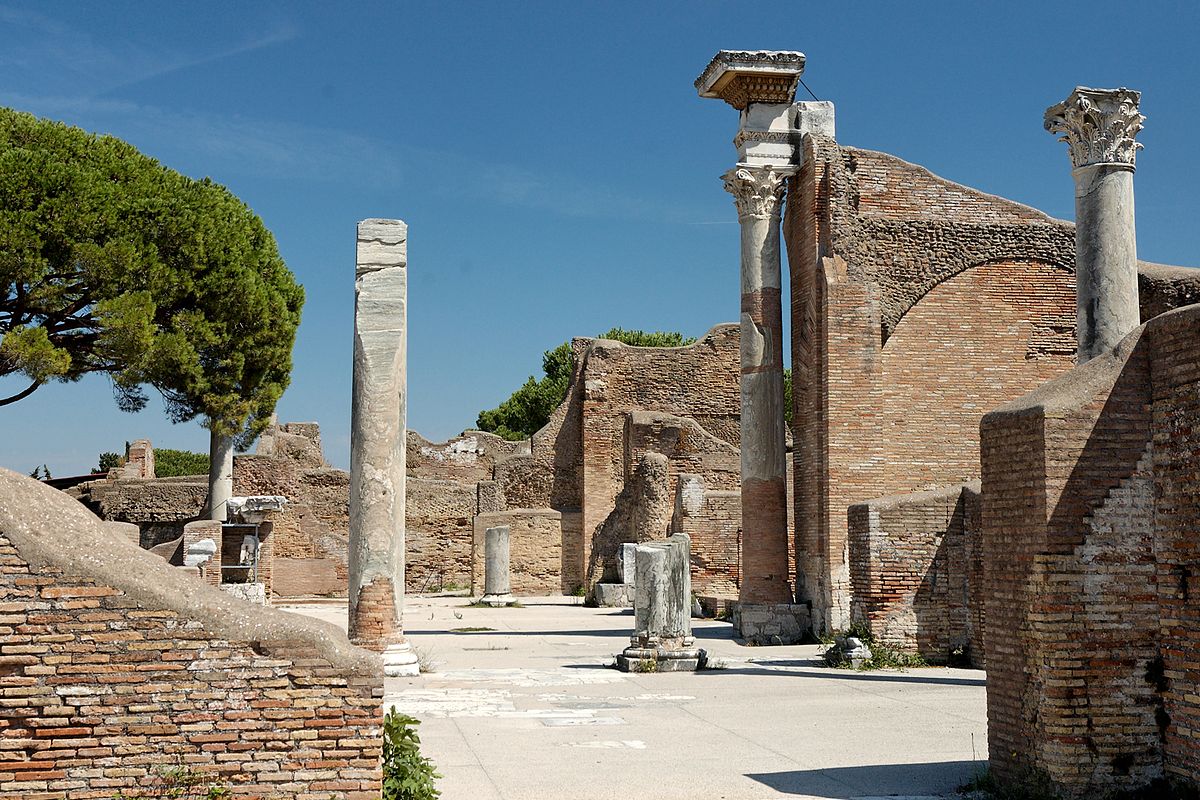


Ostia
Overview
Ostia, once the bustling port city of ancient Rome, offers visitors a fascinating glimpse into the daily life and architecture of Roman civilization. Situated approximately 30 kilometers southwest of Rome, Ostia was strategically positioned at the mouth of the Tiber River, serving as a critical commercial hub that facilitated trade and cultural exchange throughout the empire. Declining in importance after the rise of the nearby port of Portus, Ostia remained a vital settlement for centuries, becoming a center of early Christian activity by the 4th century.
Today, Ostia’s extensive ruins, which spread across a sprawling area, provide an invaluable opportunity for archaeologists and historians to study Roman urban planning, architecture, and society. The site is a UNESCO World Heritage Site, recognized for its historical significance and well-preserved state, making it a must-visit destination for anyone interested in ancient history. With its intricate mosaics, impressive public buildings, and residential areas, Ostia promises an engaging exploration of Roman life, inviting visitors to imagine the bustling streets and vibrant communities that once thrived within its walls.
History and Significance
Ostia was founded in the 4th century BCE as a military outpost to protect the Roman state from maritime threats. Over time, it evolved into a thriving commercial center, crucial for supplying Rome with essential goods such as grain, wine, and olive oil. At its height, Ostia was home to a diverse population, including merchants, sailors, and craftsmen, reflecting the cosmopolitan nature of the Roman Empire. The city’s strategic location facilitated trade with other Mediterranean cultures, contributing to its growth and prosperity.
As Rome expanded, so did Ostia, which became an essential point of access for goods entering the capital. The city’s infrastructure developed significantly, with the construction of warehouses, docks, and residential quarters. The importance of Ostia continued into the late Roman Empire, where it played a role in the spread of Christianity. The Christian community in Ostia was notable, with the construction of several basilicas, including the Basilica of St. Aurea, which showcased early Christian architecture.
However, as the empire faced economic challenges and shifting trade routes, Ostia began to decline. By the 5th century, the silting of the Tiber River and the rise of Portus, a newer port city, further diminished its significance. By the medieval period, Ostia was largely abandoned, leading to its preservation underneath layers of earth. Excavations began in the 19th century, revealing a wealth of artifacts and structures that provide insight into Roman urban life.
Architecture and Features
Visitors to Ostia will encounter an impressive array of architectural styles and structures that reflect the city’s evolution over centuries. One of the most notable features is the Forum, the heart of the civic life of Ostia, where political, social, and economic activities took place. The Forum is surrounded by important buildings, including the Temple of Rome and Augustus, which illustrates the city’s dedication to the imperial cult.
Another significant structure is the Amphitheater, which dates back to the 1st century BCE and could accommodate thousands of spectators for various forms of entertainment. The well-preserved mosaics found throughout the site, particularly in the baths and private homes, showcase intricate designs that reflect the artistic achievements of the Romans. The House of Diana, for example, features stunning mosaics that depict mythological scenes and daily life.
The Decumanus Maximus, the main thoroughfare of Ostia, runs through the city and is lined with shops and public buildings, allowing visitors to envision the bustling activity that once characterized this ancient urban center. Additionally, the remains of the Baths of Neptune, adorned with beautiful mosaics of marine life, provide insights into the social customs of the time, illustrating how public bathing was an integral part of Roman culture.
Visiting Information
Ostia is easily accessible from Rome, with various transportation options available for visitors. The most common way to reach the site is by taking the Metro Line B to the Piramide station, followed by a train from the Ostiense railway station to the Ostia Antica stop. The journey typically takes about 30 minutes.
Check the official website for current information on opening hours and ticket prices, as these can vary seasonally. It’s advisable to allocate at least three to four hours to explore the site thoroughly, as the extensive ruins can be overwhelming yet are incredibly rewarding.
The best times to visit are in the spring (April to June) and fall (September to October) when temperatures are mild, and the crowds are smaller. Summer can be quite hot, making early morning visits preferable.
Nearby Attractions
Ostia’s location allows for easy access to several other notable sites in the region:
Portus: The ancient port of Rome, located just a short distance from Ostia, features ruins that highlight its role as a major shipping hub.
Rome: A 30-minute journey back to the capital opens up a wealth of historical attractions, including the Colosseum, the Vatican, and the Roman Forum.
Castel Fusano: A picturesque natural park nearby, perfect for a leisurely stroll or a picnic after a visit to the archaeological site.
Lido di Ostia: A charming seaside town offering beaches, restaurants, and a lively promenade, ideal for relaxation after exploring the ruins.
Villa di Plinio: This historical villa complex, located near Ostia, provides additional insights into the lifestyle of affluent Romans.
Insider Tips
For the best photography opportunities, consider visiting early in the morning when the light is soft and the site is less crowded. The expansive ruins create dramatic backdrops for photos, particularly in the Forum and around the mosaics.
To avoid the busiest times, plan your visit on weekdays rather than weekends. Additionally, consider visiting during the shoulder seasons of spring and fall, when the weather is pleasant, and the crowds are thinner.
Practical Information
When visiting Ostia, wear comfortable walking shoes, as the site covers a large area with uneven terrain. Also, bring a water bottle, sunscreen, and a hat, especially if visiting during warmer months.
Seasonal considerations are important; while the spring and fall are ideal for visiting, summer heat can be intense. Ensure you stay hydrated and take breaks in shaded areas.
Restrooms are available on-site, but food options may be limited, so it’s wise to bring snacks or plan to enjoy a meal in nearby Lido di Ostia after your exploration.
Frequently Asked Questions
How long should I spend visiting?
It is recommended to spend three to four hours exploring Ostia to fully appreciate its extensive ruins.
Is photography allowed?
Yes, photography is permitted throughout the site, allowing you to capture its remarkable architecture and mosaics.
Are there guided tours?
Guided tours are available, offering insights into the history and significance of the site, enhancing your experience.
What’s the best time to visit?
The best times to visit are in the spring and fall when temperatures are mild and crowds are smaller.
Is it wheelchair accessible?
Some areas of Ostia may pose challenges for wheelchair users due to uneven surfaces. Check with the site for specific accessibility information.
Can I buy tickets online?
Check the official website for current ticket purchasing options, including any available online booking systems.
Are there restrooms and cafes?
Restroom facilities are available on-site, but dining options may be limited. Consider bringing snacks or dining at nearby establishments.
What should I wear?
Dress comfortably and wear sturdy shoes, as you will be walking on uneven terrain. Consider the weather when choosing your attire.
Photo Gallery
Visit Information
Quick Facts
- Heritage Type
- Archaeological Site
- Region
- lazio
- Wikidata ID
- Q1012797
More in lazio
Abatino Park
📍 lazio, Italy
The Abatino Park is a serene natural park located in Lazio, Italy, offering visitors a peaceful retreat with lush landscapes and recreational …
Abbazia di Santa Maria di Ponza
📍 lazio, Italy
The Abbazia di Santa Maria di Ponza is a Cistercian monastery on Ponza Island, Italy, renowned for its serene atmosphere and historical significance.

Academia Belgica
📍 lazio, Italy
The Academia Belgica is a Belgian cultural institution located in Rome, Italy, notable for its role in promoting Belgian heritage and fostering …
Accademia di Belle Arti di Frosinone
📍 lazio, Italy
The Accademia di Belle Arti di Frosinone is an educational institution in Frosinone, Italy, renowned for its commitment to fostering artistic talent …
Acqua Vergine
📍 lazio, Italy
Acqua Vergine is a modern aqueduct located in Rome, Italy, known for its engineering marvel and role in the city's water supply system.

Acquedotto delle Arcatelle
📍 lazio, Italy
The Acquedotto delle Arcatelle is a 17th-century aqueduct located in Tarquinia, Italy, recognized for its impressive architectural design and …
More Archaeological Site

Abbazia di Santa Maria di Corazzo
📍 calabria, Italy
The Abbazia di Santa Maria di Corazzo is an archaeological site located in Carlopoli, Calabria, Italy, renowned for its historical significance and …

Abella
📍 campania, Italy
The archaeological site of Abella in Campania, Italy, is an ancient human settlement known for its historical significance and cultural heritage.

Abellinum
📍 campania, Italy
Abellinum is an archaeological site in Atripalda, Italy, known for its ancient ruins that reveal insights into Roman settlement and urban planning.

Aeculanum
📍 campania, Italy
Aeculanum is an archaeological site in Campania, Italy, known for its remnants of an ancient town that offer insight into early Roman urban life.
Aesernia
📍 molise, Italy
Aesernia is an ancient Roman archaeological site located in Molise, Italy, renowned for its well-preserved ruins that reflect the grandeur of Roman …

Alba Fucens
📍 lazio, Italy
Alba Fucens is an ancient archaeological site in Lazio, Italy, known for its well-preserved ruins that reflect the grandeur of a once-thriving Roman …