

Orange Garden
Overview
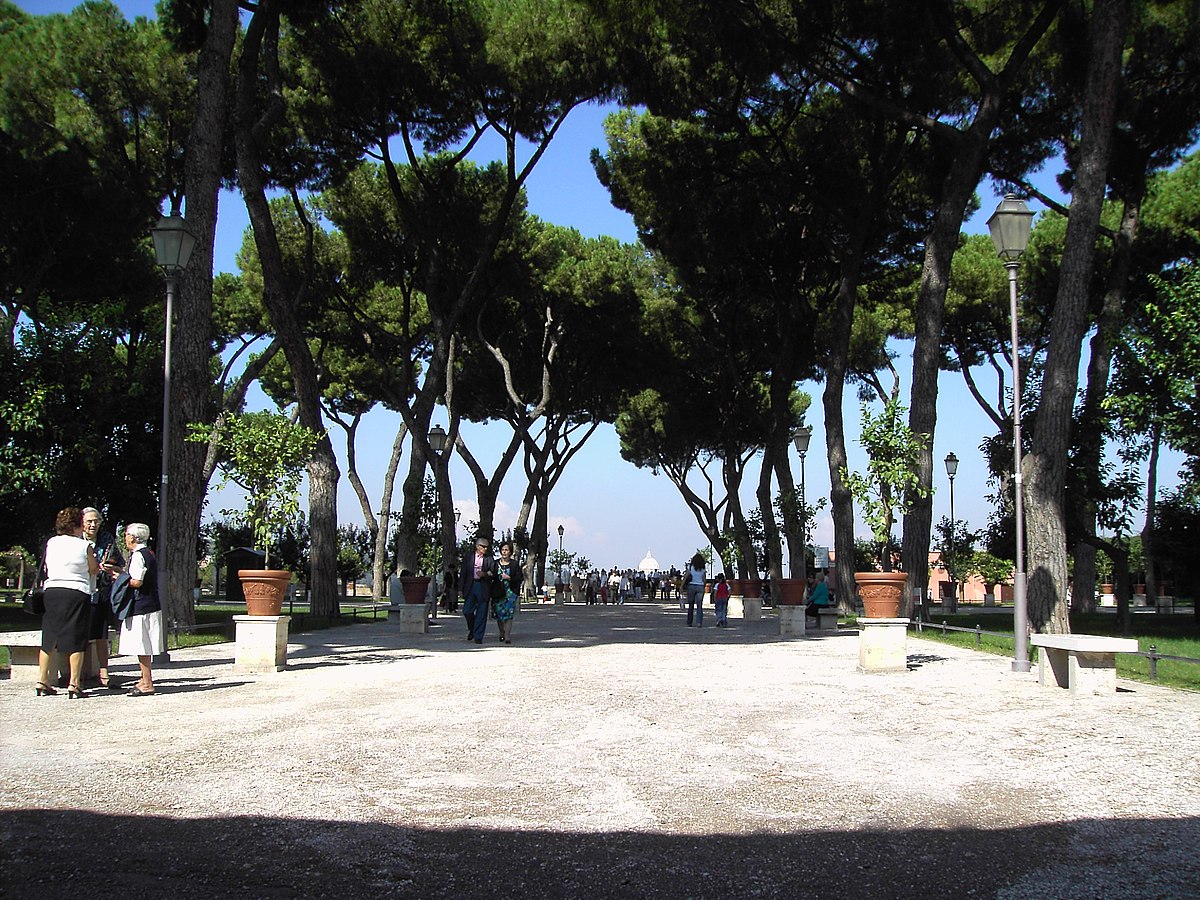
The Orange Garden, or Giardino degli Aranci, is a serene park situated on the Aventine Hill in Rome, Italy. It offers visitors a tranquil escape from the bustling city, combined with some of the most breathtaking vistas of Rome’s skyline. This garden is not just a place for leisurely strolls; it is also a historical site rich in cultural significance, making it an essential stop for anyone exploring the Eternal City. The park is adorned with fragrant orange trees, which contribute to its name, and provides a peaceful environment for both locals and tourists alike. As you wander through the neatly arranged paths, the scent of citrus fills the air, creating a sensory experience that complements the visual beauty of the surroundings.
The Orange Garden is more than just a park; it symbolizes the harmonious blend of nature and history, offering a unique perspective on Rome’s architectural marvels, including St. Peter’s Basilica and the Palatine Hill. Its elevated position provides an ideal vantage point for stunning sunsets, making it a favored spot for couples and photographers. Whether you’re seeking a moment of reflection or simply wish to enjoy the beauty of nature, the Orange Garden promises an experience that highlights both the tranquility of the gardens and the vibrancy of the city.
History and Significance
The Orange Garden’s history is intertwined with Rome’s rich heritage. It was originally part of the property belonging to the Order of the Knights of Malta, who established the garden in the early 20th century. The garden was designed to showcase the beauty of nature in a city renowned for its historical landmarks. The site was chosen for its elevated position, which has been a significant location since ancient times, offering strategic views of the surrounding area.
The garden is home to a variety of citrus trees, specifically orange trees, which were once cultivated for their fruit. Over the years, the Orange Garden has evolved into a beloved public space, maintaining its historical charm while serving as a recreational area for the community. The garden is also associated with the nearby Basilica of Santa Sabina, a significant religious site dating back to the 5th century. The peaceful ambiance of the park complements the spiritual atmosphere of the basilica, making it a perfect place for contemplation and relaxation.
In addition to its historical context, the Orange Garden has become a cultural symbol of Rome. It is often used for various events, including weddings and art exhibitions, which further highlights its role in contemporary Roman life. The blend of history, culture, and nature makes the Orange Garden an essential part of Rome’s heritage, providing insight into the city’s past while serving as a vibrant space for modern-day activities.
Architecture and Features
The design of the Orange Garden is characterized by its orderly layout and vibrant horticulture. The park features well-maintained pathways that wind through rows of lush orange trees, creating a visually appealing landscape. The trees are carefully pruned and arranged, allowing for easy navigation while providing ample shade for visitors. The garden’s design encourages leisurely exploration, with benches strategically placed throughout the area for those wishing to sit and enjoy the views.
One of the standout features of the Orange Garden is the terrace that offers sweeping views of Rome. From this vantage point, visitors can gaze upon iconic landmarks such as the Tiber River, the Colosseum, and the majestic dome of St. Peter’s Basilica. The panorama is particularly stunning during sunset, as the city is bathed in a warm golden light, making it a popular spot for photography enthusiasts.
In addition to the orange trees, the garden is adorned with various flowering plants that bloom throughout the year, adding splashes of color to the greenery. The park is also home to a few historical structures, including a charming fountain that serves as a focal point within the garden. The overall ambiance of the Orange Garden is one of tranquility and beauty, making it an ideal setting for relaxation and reflection.
Visiting Information
Visiting the Orange Garden is an accessible and enjoyable experience for travelers in Rome. The park is located on Aventine Hill, easily reachable by public transportation. Visitors can take the metro to the Circo Massimo station and then enjoy a leisurely walk uphill to the garden. Alternatively, several bus lines service the area, providing convenient options for those traveling throughout the city.
Check the official website for current information on opening hours and any potential entry fees. Generally, the park is open to the public year-round, and no admission fee is required, making it an excellent option for budget-conscious travelers. The best times to visit are early mornings or late afternoons when the light is soft and the park is less crowded.
A visit to the Orange Garden typically requires about an hour, allowing time to stroll through the paths, take in the views, and perhaps enjoy a leisurely picnic. During peak tourist seasons, it is advisable to arrive early to avoid larger crowds, especially if you wish to capture the perfect photograph of the stunning landscape.
Nearby Attractions
The Orange Garden is conveniently located near several notable attractions, making it easy to incorporate into a day of sightseeing. Nearby sites include:
Basilica di Santa Sabina: This ancient basilica, dating back to the 5th century, is just a short walk from the garden. It features stunning architecture and beautiful interiors, including impressive wooden doors.
Giardino degli Aranci (Orange Garden): While this is the park itself, it’s worth mentioning its proximity to the Keyhole of the Knights of Malta, a famous vantage point offering a unique view of St. Peter’s Basilica through a keyhole.
Aventine Hill: Explore the historical significance of this hill, which offers a variety of charming streets and additional green spaces, perfect for a leisurely stroll.
The Circus Maximus: Located nearby, this ancient Roman chariot racing stadium is a significant historical site that provides insight into Rome’s imperial past.
Palatine Hill: A short distance away, this area houses the ruins of ancient palaces and provides another excellent vantage point over the city.
Insider Tips
To maximize your visit to the Orange Garden, consider the following insider tips:
Photography: The best time for photography is during the golden hour, just before sunset. This is when the light casts a warm glow over the city, providing stunning backdrops for pictures.
Crowd Avoidance: To avoid larger crowds, visit during weekdays or early in the morning. The park can become busy on weekends, especially during the spring and summer months.
Pack a Snack: Bring along a light snack or picnic to enjoy while you take in the views. The park’s tranquil atmosphere makes it an ideal setting for a relaxing break.
Practical Information
When planning your visit to the Orange Garden, here are some practical considerations:
What to Bring: Comfortable walking shoes are essential, as the park features various paths that may require some walking. A camera is also recommended for capturing the breathtaking views.
Seasonal Considerations: The Orange Garden is beautiful year-round, but spring is particularly lovely when the flowers bloom, and the trees bear fruit. Summer can be hot, so plan accordingly with sunscreen and water.
Accessibility: While the garden is generally accessible, some areas may have uneven paths, so those with mobility issues should take caution. It’s advisable to check for the most current accessibility information if needed.
Frequently Asked Questions
How long should I spend visiting?
A visit typically requires about an hour, but many guests enjoy spending longer, especially if they plan to relax or take photographs.
Is photography allowed?
Yes, photography is allowed and encouraged, particularly for capturing the stunning views of Rome.
Are there guided tours?
While there are no formal guided tours of the Orange Garden, visitors can explore the park independently at their own pace.
What’s the best time to visit?
Early mornings and late afternoons are the best times to visit to avoid crowds and enjoy the best light for photography.
Is it wheelchair accessible?
The park is generally accessible, though some areas may have uneven paths. It’s best to check for the latest accessibility information.
Can I buy tickets online?
There is no admission fee for the Orange Garden, so tickets are not required.
Are there restrooms and cafes?
There are no restrooms or cafes directly within the park, so it’s advisable to plan accordingly before your visit.
What should I wear?
Dress comfortably for walking, and consider wearing layers, as temperatures can vary throughout the day. Comfortable shoes are recommended.
The Orange Garden offers a delightful blend of nature and history, making it a must-visit destination for anyone exploring Rome. Whether you’re looking for a quiet place to reflect or a scenic spot to capture memorable photographs, this park provides an enriching experience that highlights the beauty of the Eternal City.
Photo Gallery
More in lazio
Abatino Park
📍 lazio, Italy
The Abatino Park is a serene natural park located in Lazio, Italy, offering visitors a peaceful retreat with lush landscapes and recreational …
Abbazia di Santa Maria di Ponza
📍 lazio, Italy
The Abbazia di Santa Maria di Ponza is a Cistercian monastery on Ponza Island, Italy, renowned for its serene atmosphere and historical significance.

Academia Belgica
📍 lazio, Italy
The Academia Belgica is a Belgian cultural institution located in Rome, Italy, notable for its role in promoting Belgian heritage and fostering …
Accademia di Belle Arti di Frosinone
📍 lazio, Italy
The Accademia di Belle Arti di Frosinone is an educational institution in Frosinone, Italy, renowned for its commitment to fostering artistic talent …
Acqua Vergine
📍 lazio, Italy
Acqua Vergine is a modern aqueduct located in Rome, Italy, known for its engineering marvel and role in the city's water supply system.

Acquedotto delle Arcatelle
📍 lazio, Italy
The Acquedotto delle Arcatelle is a 17th-century aqueduct located in Tarquinia, Italy, recognized for its impressive architectural design and …
More Park
Abatino Park
📍 lazio, Italy
The Abatino Park is a serene natural park located in Lazio, Italy, offering visitors a peaceful retreat with lush landscapes and recreational …
Albero d'oro
📍 emilia-romagna, Italy
The Albero d'oro is a serene park located in Emilia-Romagna, Italy, known for its lush landscapes and tranquil environment, perfect for relaxation and …
Alessandro Manzoni Park
📍 molise, Italy
The Alessandro Manzoni Park is a scenic park located in Molise, Italy, known for its tranquil environment and community significance.

Andreas Hofer Park
📍 veneto, Italy
Andreas Hofer Park is a scenic park located in Mantua, Italy, celebrated for its tranquil ambiance and historical significance connected to the local …
Andriace archeological park
📍 apulia, Italy
The Andriace Archaeological Park is an ancient site in Montalbano Jonico, Italy, known for its rich archaeological heritage and historical remnants.
Anello espositivo
📍 lombardy, Italy
The Anello espositivo is a park located in Lombardy, Italy, known for its serene landscapes and natural beauty, making it a perfect retreat for nature …