


Napoleon's bridge
Overview
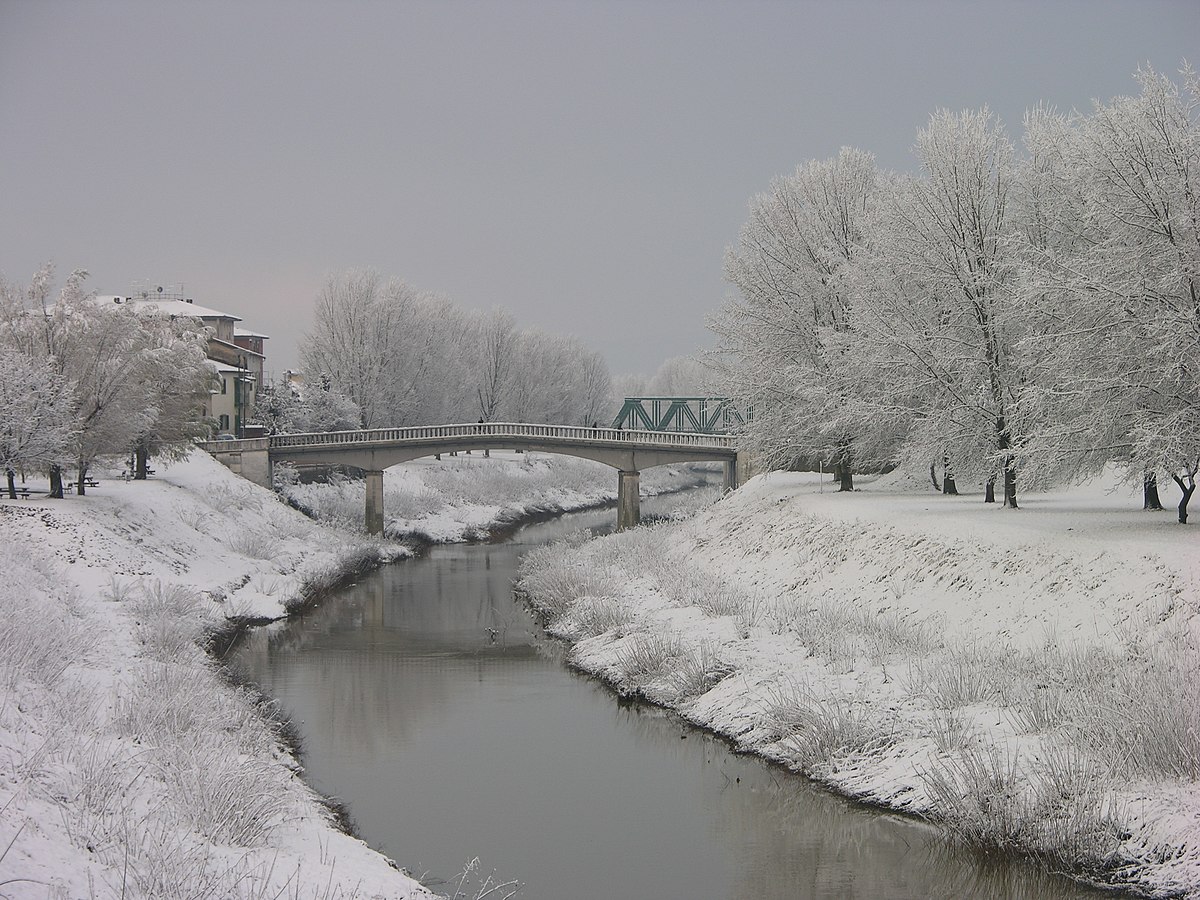
Napoleon’s Bridge (Ponte di Napoleone) is not just any crossing; it represents a significant point of interest in the charming town of Pontedera, nestled in the heart of Tuscany. Spanning a picturesque canal, this bridge embodies the neoclassical style that flourished during the Napoleonic period, serving both functional and aesthetic purposes. The bridge offers visitors a glimpse into the region’s architectural evolution and its historical context during a time of great change in Europe.
As you approach the bridge, you are greeted by an inviting sight—a blend of historical elegance and the natural beauty that characterizes the Tuscan landscape. Its strategic location provides a unique vantage point to appreciate the surrounding scenery, making it an ideal spot for photography and leisurely strolls. The bridge is not only a functional structure but also a symbol of the era’s ambition and the artistic sensibilities of the time. Visitors to Pontedera will find that Napoleon’s Bridge is an essential stop, reflecting the region’s heritage and serving as a reminder of its past.
History and Significance
The history of Napoleon’s Bridge is intertwined with the broader narratives of the Napoleonic era in Italy. Built during a time of significant political and social upheaval, the bridge stands as a testimony to Napoleon Bonaparte’s influence on the region. While specific dates are not documented, the construction of the bridge aligns with the period when Napoleon sought to modernize various aspects of Italian infrastructure, including transportation routes that facilitated trade and military movements.
The bridge played a crucial role in connecting different parts of Pontedera, enhancing both commerce and communication. Its design reflects the neoclassical architectural style that was prevalent during this period, characterized by clean lines, symmetry, and an emphasis on proportion. This style was not only popular in Italy but also echoed the ideals of the Enlightenment, which emphasized reason, science, and the importance of civic virtue.
Over the years, the bridge has witnessed numerous historical events, from the everyday life of the townsfolk to larger political shifts that swept through Italy. Today, it serves as a reminder of the region’s rich history and is a focal point for cultural activities and local gatherings. The bridge’s significance extends beyond its physical structure; it symbolizes the enduring legacy of a transformative period in Italian history.
Architecture and Features
Napoleon’s Bridge is an exemplary piece of neoclassical architecture, characterized by its robust stone construction and elegant design. The bridge features a solid arch structure, which not only provides stability but also adds to the aesthetic appeal of the site. The use of local materials in its construction reflects the traditional building techniques of the region, showcasing the craftsmanship of the time.
One of the notable features of the bridge is its wide arch, which allows for the passage of both pedestrians and vehicles, making it a vital thoroughfare in the area. The bridge is adorned with decorative elements that highlight the artistic influences of the period, including subtle carvings and clean lines that lend a sense of harmony to the overall structure.
Visitors will appreciate the bridge’s integration into the surrounding landscape, as it gracefully spans the canal, offering picturesque views that change with the seasons. The tranquil waters flowing beneath the bridge enhance its charm, making it a popular spot for photographers and art enthusiasts alike. The combination of functionality and beauty makes Napoleon’s Bridge a remarkable example of historical engineering and design.
Visiting Information
To visit Napoleon’s Bridge, travelers can easily reach Pontedera by train or car, as the town is well-connected to major cities in Tuscany. Once in Pontedera, the bridge is centrally located and can be accessed on foot, allowing visitors to explore the town’s charming streets and local attractions.
Check the official website for current information regarding visiting hours and any potential entry fees, as these may vary throughout the year. A visit to the bridge typically requires about an hour, allowing ample time to soak in the surroundings and capture photographs. The best times to visit are during the early morning or late afternoon when the light casts a warm glow over the structure and the nearby canal.
While exploring the area, be prepared for varying weather conditions, especially during the winter months when rain can be frequent. Spring and fall are particularly pleasant times to visit, as the weather is mild and the surrounding foliage is vibrant.
Nearby Attractions
- Pontedera Town Center: A vibrant area filled with shops, cafes, and local markets, perfect for experiencing the town’s culture.
- Museo Piaggio: A museum dedicated to the history of the Piaggio brand, showcasing classic scooters and the evolution of Italian transportation.
- Santuario della Madonna di Montenero: A beautiful sanctuary located on a hill, offering serene surroundings and panoramic views of the region.
- Casciana Terme: A nearby spa town known for its thermal baths and wellness treatments, ideal for relaxation.
- Pisa: Just a short drive away, visitors can explore the iconic Leaning Tower and other historical landmarks.
Insider Tips
For the best photographs of Napoleon’s Bridge, consider visiting early in the morning or late in the afternoon when the natural light enhances the structure’s features. Aim to avoid weekends, as the bridge may attract more visitors during these peak times. Additionally, exploring the surrounding area on foot allows for a more intimate experience with the local culture and architecture.
Practical Information
When planning your visit to Napoleon’s Bridge, it is advisable to wear comfortable walking shoes, as the area is best explored on foot. Bring a camera to capture the stunning architecture and surrounding scenery. Check the seasonal weather forecasts before your trip, as Tuscany can experience diverse weather conditions throughout the year. Always be prepared for sudden changes, particularly in fall and spring.
Frequently Asked Questions
How long should I spend visiting?
A visit to Napoleon’s Bridge typically takes about an hour, allowing time for photographs and a leisurely stroll around the area.
Is photography allowed?
Yes, photography is welcome, and the bridge offers many picturesque angles for capturing its beauty.
Are there guided tours?
While specific guided tours may not be available for the bridge itself, local walking tours often include it as part of a broader exploration of Pontedera.
What’s the best time to visit?
Early morning or late afternoon are ideal times for visiting, as the lighting is favorable for photography and the crowds are generally smaller.
Is it wheelchair accessible?
The bridge and surrounding area are accessible, but it is advisable to check for specific local conditions.
Can I buy tickets online?
Currently, there are no entry fees or tickets required for visiting the bridge. However, check the official website for any updates.
Are there restrooms and cafes?
While there may not be facilities directly at the bridge, the nearby town center offers restrooms and various cafes for refreshments.
What should I wear?
Dress comfortably for walking, and consider layering clothing, as temperatures can vary throughout the day.
Photo Gallery
More in tuscany

Abbazia di San Gaudenzio
📍 tuscany, Italy
The Abbazia di San Gaudenzio is a historic abbey located in San Gaudenzio, Tuscany, Italy, notable for its architectural elegance and spiritual …

Abbey of St Maria del Monte
📍 tuscany, Italy
The Abbey of St Maria del Monte is a historic church building located in Cesena, Italy, celebrated for its architectural beauty and serene ambiance.
Abiogen Pharma
📍 tuscany, Italy
Abiogen Pharma is an educational institution located in Pisa, Italy, recognized for its contributions to pharmaceutical education and research.

Academia de la Crusca library
📍 tuscany, Italy
The Academia de la Crusca library is a historic library located in Tuscany, Italy, renowned for its dedication to the Italian language and its …

Acquedotto leopoldino
📍 tuscany, Italy
The Acquedotto Leopoldino is an impressive aqueduct system located in Livorno, Tuscany, Italy, recognized for its historical significance and …

Acquedotto Lorenese
📍 tuscany, Italy
The Acquedotto Lorenese is a historic aqueduct located in Campiglia Marittima, Tuscany, Italy, known for its 19th-century architecture and engineering …
More Bridge

Adda viaduct
📍 lombardy, Italy
The Adda Viaduct is a remarkable highway bridge located in Lombardy, Italy, distinguished by its impressive engineering and integral role in regional …
Addetta Bridge
📍 lombardy, Italy
The Addetta Bridge is a historic bridge located in Mediglia, Italy, known for its architectural significance and serene surroundings.

Adriatico bridge
📍 apulia, Italy
The Adriatico Bridge is a remarkable bridge located in Bari, Italy, known for its striking design and significance in connecting the city to its …
Alessandro Manzoni Viaduct
📍 lombardy, Italy
The Alessandro Manzoni Viaduct is a remarkable road bridge located in Lombardy, Italy, spanning the Adda River on the SS36, and noted for its …

Ancient Roman bridge
📍 tuscany, Italy
The Ancient Roman Bridge in Tuscany, Italy, is a remarkable structure known for its impressive engineering and historical significance.
Angitola Viaduct
📍 calabria, Italy
The Angitola Viaduct is a railway bridge located in Calabria, Italy, known for its impressive engineering and scenic views of the surrounding …