


Museo speleo paleontologico e archeologico di Genga
Overview
Located in the picturesque region of Marche, the Museo speleo paleontologico e archeologico di Genga offers visitors a unique glimpse into the geological and historical significance of the area. Situated close to the famous Frasassi Caves, the museum serves as an important educational hub that showcases the intersection between paleontology and archaeology. Genga itself is a charming town that attracts those interested in both natural wonders and historical exploration, making the museum an essential stop for travelers looking to immerse themselves in Italy’s diverse heritage.
The Museo speleo paleontologico e archeologico di Genga is not just a museum; it is a testament to the region’s extensive history dating back to prehistoric times. Its collections reflect the rich biodiversity that existed in the area millions of years ago, alongside archaeological findings that highlight human activity throughout history. Visitors can expect to leave with a deeper understanding of the interplay between the natural environment and human development in this captivating locale.
History and Significance
The roots of the Museo speleo paleontologico e archeologico di Genga can be traced back to the growing interest in the Frasassi Caves, which were discovered in the 1970s. These caves are renowned for their stunning natural formations and the unique ecosystem they house. The museum was established to complement visits to the caves, providing context and education about the geological processes that formed them and the paleontological discoveries made in the surrounding areas.
The museum’s significance extends beyond just the display of artifacts. It serves as a vital research center where scientists and students can study the paleontological and archaeological findings that have been uncovered in the region. The collection features fossilized remains of ancient organisms, which provide valuable insights into the area’s prehistoric life. Additionally, archaeological artifacts shed light on human settlements and cultural development over the centuries.
Over the years, the museum has become a key player in promoting the heritage of Genga and its surroundings. It actively engages with the community and educational institutions, hosting workshops and educational programs aimed at raising awareness of the importance of geology and archaeology. This commitment to education and community involvement underscores the museum’s role as a custodian of local history.
Architecture and Features
The Museo speleo paleontologico e archeologico di Genga features a contemporary architectural design that harmonizes with the natural landscape of the region. The building itself is characterized by clean lines and an open layout, allowing for easy navigation and accessibility for visitors. The interiors are thoughtfully designed to enhance the visitor experience, with well-lit exhibition spaces that showcase the museum’s extensive collection.
One of the notable features of the museum is its thematic exhibition layout, which guides visitors through different aspects of paleontology and archaeology. Each section is curated to provide an engaging narrative, linking artifacts and fossils to their historical and ecological significance. Interactive displays and informative panels enhance understanding and encourage exploration.
The museum also includes a dedicated space for temporary exhibitions, allowing it to showcase new and exciting research or collections from other institutions. This dynamic aspect of the museum ensures that returning visitors can always discover something new, keeping the experience fresh and engaging.
Visiting Information
The Museo speleo paleontologico e archeologico di Genga is easily accessible by various means of transport. Visitors traveling by car can take advantage of nearby parking facilities, while public transport options, such as buses, connect Genga to major cities in the Marche region.
Check the official website for current information regarding opening hours and admission prices, as these may vary by season. A visit to the museum typically lasts around one to two hours, providing ample time to explore the exhibits and engage with the educational materials on display.
The best times to visit are during the spring and fall months when the weather is mild, and the tourist crowds are less intense, allowing for a more relaxed experience. Additionally, the museum often hosts special events and educational programs, so checking the calendar on the official website can enhance your visit.
Nearby Attractions
Frasassi Caves: Just a stone’s throw away, these stunning caves are a must-visit for nature enthusiasts, known for their impressive stalactites and stalagmites.
Castello di Genga: This historical castle offers a glimpse into medieval architecture and provides scenic views of the surrounding landscape.
Parco Naturale Regionale della Gola della Rossa e di Frasassi: A beautiful natural park ideal for hiking and exploring the breathtaking scenery of the region.
San Vittore alle Chiuse Abbey: An ancient abbey showcasing remarkable architecture and serene surroundings, perfect for a peaceful visit.
Fabriano: A nearby town known for its paper-making tradition, Fabriano offers additional historical and cultural experiences, including museums and artisan workshops.
Insider Tips
To capture the essence of the Museo speleo paleontologico e archeologico di Genga, consider bringing a good camera, but be mindful of any photography restrictions that may apply in specific exhibition areas. Visiting during weekdays or early in the morning can help you avoid larger crowds, allowing for a more intimate experience with the exhibits.
Additionally, take your time to read the informative panels and engage with any interactive displays, as they provide valuable insights that deepen your understanding of the collections.
Practical Information
When planning your visit to the Museo speleo paleontologico e archeologico di Genga, consider bringing a light jacket, as indoor temperatures may be cooler than expected, especially in the exhibition areas. Comfortable walking shoes are recommended, particularly if you plan to explore the nearby Frasassi Caves or hiking trails.
Seasonal considerations include checking the weather forecast, as the region can experience rainfall in the spring and fall. If you are visiting during peak tourist seasons, it may be wise to book accommodations in advance and consider visiting during off-peak hours for a more enjoyable experience.
Frequently Asked Questions
How long should I spend visiting?
A visit typically takes about one to two hours, allowing ample time to explore the exhibits.
Is photography allowed?
Photography policies can vary; check with museum staff for specific restrictions in exhibition areas.
Are there guided tours?
Guided tours may be available; check the official website for current offerings and schedules.
What’s the best time to visit?
Spring and fall are ideal due to milder weather and fewer crowds.
Is it wheelchair accessible?
The museum is designed to be accessible for individuals with mobility challenges; check for specific accessibility features.
Can I buy tickets online?
Check the official website for information on online ticket purchasing options.
Are there restrooms and cafes?
Facilities such as restrooms are available; dining options may vary, so plan accordingly.
What should I wear?
Dress comfortably, and consider layering to accommodate indoor climate variations.
Photo Gallery
Visit Information
Quick Facts
- Heritage Type
- Museum
- Region
- marche
- Wikidata ID
- Q3868460
More in marche
Ambro
📍 marche, Italy
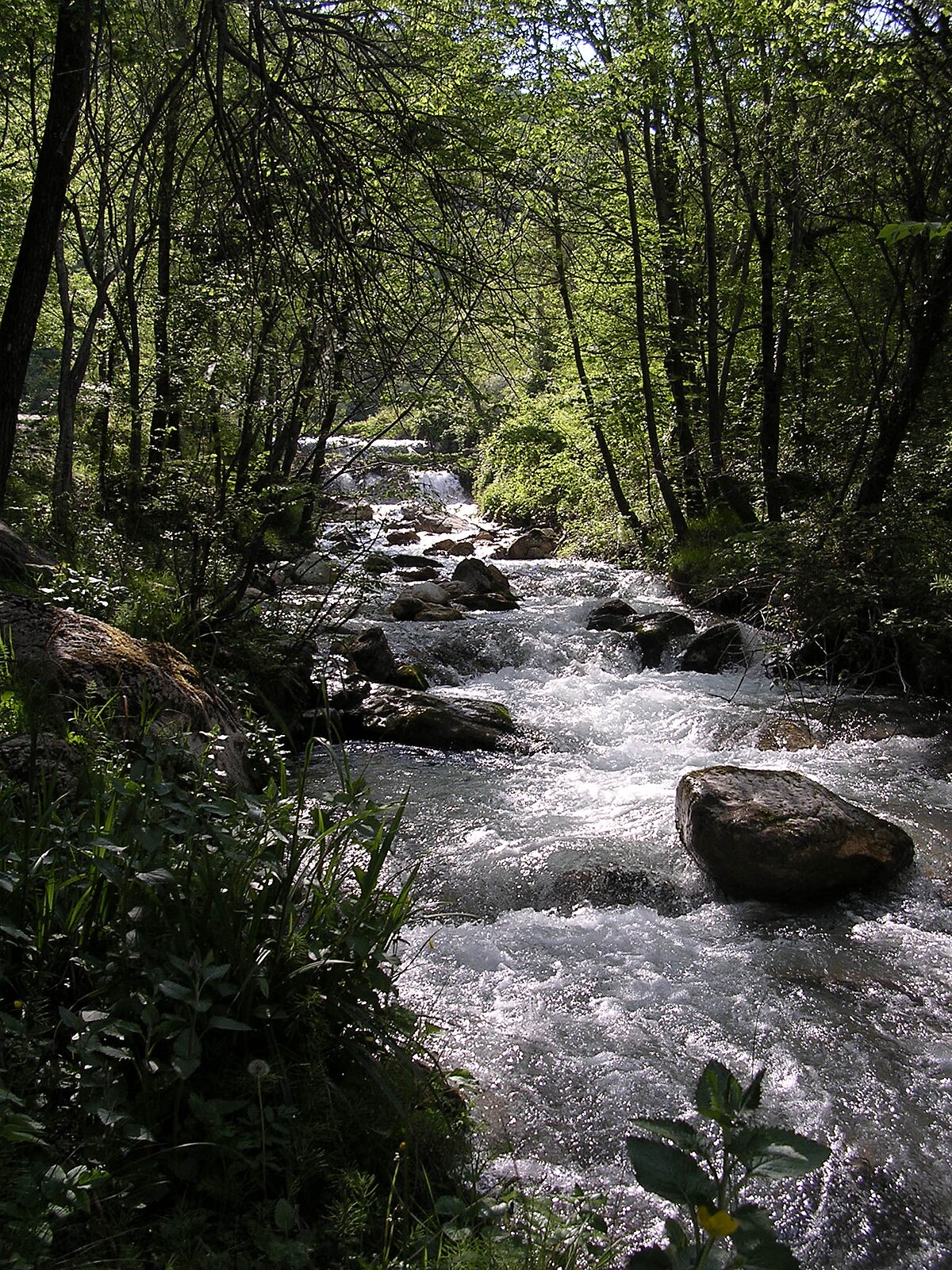
The Ambro River is a picturesque waterway in the Marche region of Italy, known for its serene landscapes and ecological significance.

Ancient Ostra
📍 marche, Italy
Ancient Ostra is an archaeological site located in Marche, Italy, notable for its remnants of an ancient Roman city that offers insights into …

Ancona
📍 marche, Italy
Ancona is a historic city in the Marche region of Italy, renowned for its stunning coastal views and significant maritime heritage.

Antiquarium of Palazzone
📍 marche, Italy
The Antiquarium of Palazzone is a museum located in Perugia, Italy, renowned for its collection of artifacts that showcase the region's rich …
Archivio Diocesano e Biblioteca dell'Arcidiocesi di Pesaro
📍 marche, Italy
The Archivio Diocesano e Biblioteca dell'Arcidiocesi di Pesaro is a conservation library in Marche, Italy, renowned for its extensive collection of …
Archivio e Biblioteca della Cattedrale di S. Rufino (Duomo)
📍 marche, Italy
The Archivio e Biblioteca della Cattedrale di S. Rufino (Duomo) is a historical library and archive located in Assisi, Italy, renowned for its rich …
More Museum

Aghinolfi Castle
📍 tuscany, Italy
Aghinolfi Castle is a historic museum located in Montignoso, Tuscany, Italy, renowned for its medieval architecture and rich cultural heritage.
Alessi Museum
📍 sicily, Italy
The Alessi Museum is a captivating museum located in Sicily, Italy, renowned for its unique collection of decorative arts and design pieces.
Anatomical Museum "Eugenio Morelli"
📍 lazio, Italy
The Anatomical Museum "Eugenio Morelli" is a museum in Lazio, Italy, renowned for its fascinating collection of anatomical specimens and educational …
Antiquarium of Palazzone
📍 marche, Italy
The Antiquarium of Palazzone is a museum located in Perugia, Italy, renowned for its collection of artifacts that showcase the region's rich …
Aquarium of Alghero
📍 sardinia, Italy
The Aquarium of Alghero is a fascinating museum in Sardinia, Italy, known for its diverse marine life exhibits and educational experiences.

Ara Pacis
📍 lazio, Italy
The Ara Pacis is an ancient Roman monument located in Rome, Italy, renowned for its intricate relief sculptures and its role in celebrating peace and …