Museo Polare "Silvio Zavatti"
Overview
The Museo Polare “Silvio Zavatti” serves as an essential repository of knowledge regarding Italian polar expeditions and the diverse cultures of Arctic populations. Located in the picturesque region of Marche, this museum invites visitors to explore the fascinating narratives surrounding polar exploration, scientific endeavors, and the lives of the indigenous peoples of the Arctic. It stands as a distinctive cultural institution that not only highlights the achievements of Italian researchers but also fosters a greater understanding of the intricate relationship between humanity and the polar regions.
As you step into the museum, you will encounter a blend of artifacts, photographs, and informative displays that encapsulate the spirit of adventure and discovery inherent in polar research. The museum pays homage to Silvio Zavatti, an influential figure in Italian polar studies, whose contributions have left an indelible mark on the field. This museum not only serves as a historical archive but also as a platform for education and cultural exchange, making it a vital stop for anyone interested in the Arctic’s history and its contemporary significance.
History and Significance
The Museo Polare “Silvio Zavatti” is dedicated to celebrating the legacy of Italian polar research and the cultures that inhabit the Arctic regions. While specific dates regarding its establishment are not readily available, the museum encapsulates a long-standing tradition of polar exploration that has characterized Italy’s contributions to this field. Silvio Zavatti, after whom the museum is named, was a pivotal figure in promoting the study of polar regions, and his work significantly advanced the understanding of Arctic environments and the peoples who reside there.
The museum focuses on the scientific missions undertaken by Italian explorers and researchers, detailing their findings, hardships, and the technological advancements that emerged from these expeditions. It highlights the importance of polar research in understanding climate change, biodiversity, and the socio-economic conditions of Arctic communities. The narratives presented within the museum foster a deeper appreciation for the resilience and adaptability of these populations, as well as the challenges they face in a rapidly changing world.
In addition to its historical relevance, the museum serves as a reminder of the ongoing importance of polar exploration in addressing global issues such as climate change and environmental conservation. By showcasing the intricate ties between exploration and indigenous cultures, the Museo Polare “Silvio Zavatti” contributes significantly to the discourse surrounding environmental stewardship and cultural preservation.
Architecture and Features
The architectural design of the Museo Polare “Silvio Zavatti” complements its thematic focus on polar exploration. Although specific architectural details are not provided, the museum is likely designed to reflect the rugged and resilient nature of polar environments, potentially utilizing materials and styles that resonate with themes of exploration and adventure.
Inside, visitors can expect to find a variety of exhibits that include photographs, artifacts, and multimedia presentations. These displays offer insights into the daily lives of Arctic populations, the equipment used during polar expeditions, and the scientific discoveries made in these extreme environments. The museum aims to provide an engaging and informative experience, utilizing interactive elements where possible to enhance visitor understanding.
Notable features of the museum may include dedicated spaces for temporary exhibitions, where contemporary issues related to polar research and indigenous rights can be explored further. This focus on dynamic content helps keep the museum relevant and engaging for repeat visitors, providing new perspectives on ongoing discussions surrounding the Arctic and its inhabitants.
Visiting Information
Visiting the Museo Polare “Silvio Zavatti” provides a unique opportunity to delve into the world of polar exploration. To reach the museum, visitors can utilize local transportation options, including buses and taxis. The museum’s location in Marche makes it accessible for those traveling within the region, but specific details regarding transport options should be verified through local sources.
Check the official website for current information on opening hours and ticket prices, as these can vary seasonally. Generally, visitors should allow at least one to two hours to fully appreciate the exhibits and engage with the informative displays. The museum may attract more crowds during weekends and holidays, so those seeking a quieter experience may wish to visit during the week.
The best times to visit the Museo Polare “Silvio Zavatti” are typically during the spring and fall months, when the weather is pleasant, and there are fewer tourists. This allows for a more leisurely exploration of the museum and its surroundings.
Nearby Attractions
While visiting the Museo Polare “Silvio Zavatti,” consider exploring these nearby attractions:
- Parco Nazionale dei Monti Sibillini - A stunning national park that offers a variety of hiking trails and breathtaking landscapes.
- Urbino - A UNESCO World Heritage Site known for its Renaissance architecture and the historic Palazzo Ducale.
- Fano - A charming coastal town with beautiful beaches, Roman ruins, and a lively atmosphere.
- San Marino - A small independent republic with rich history and panoramic views from its mountaintop fortress.
These nearby sites provide additional context to the cultural and natural heritage of the Marche region, enhancing your overall travel experience.
Insider Tips
When visiting the Museo Polare “Silvio Zavatti,” consider the following insider tips to maximize your experience:
- Photography: Be mindful of any restrictions regarding photography within the museum, as some exhibits may have specific guidelines.
- Crowd Avoidance: To enjoy a more peaceful visit, aim to arrive early in the day or later in the afternoon, especially on weekdays.
- Engage with Staff: Don’t hesitate to ask museum staff questions; they can provide valuable insights and enhance your understanding of the exhibits.
Practical Information
When planning a visit to the Museo Polare “Silvio Zavatti,” here are some practical considerations:
- What to Bring: Comfortable walking shoes are recommended, as you may spend time exploring the museum and its surroundings. A camera is also a good idea to capture your experience.
- Seasonal Considerations: Be aware of the weather conditions, especially if you plan to explore the outdoor areas nearby. Dressing in layers is advisable, as temperatures can vary throughout the day.
Frequently Asked Questions
How long should I spend visiting?
Visitors typically spend about one to two hours at the museum to fully engage with the exhibits.
Is photography allowed?
Check the museum’s policy regarding photography, as some areas may have restrictions.
Are there guided tours?
Information on guided tours may vary; inquire at the museum for the latest offerings.
What’s the best time to visit?
Spring and fall are recommended for pleasant weather and fewer crowds.
Is it wheelchair accessible?
Check the official website or contact the museum for information on accessibility options.
Can I buy tickets online?
Verify the availability of online ticket purchases through the museum’s official website.
Are there restrooms and cafes?
Facilities such as restrooms and cafés may be available, but it’s best to confirm this information prior to your visit.
What should I wear?
Dress comfortably and appropriately for the weather, especially if you plan on exploring outdoor sites nearby.
Location
Visit Information
Quick Facts
- Heritage Type
- Museum
- Region
- marche
- Wikidata ID
- Q3868445
More in marche
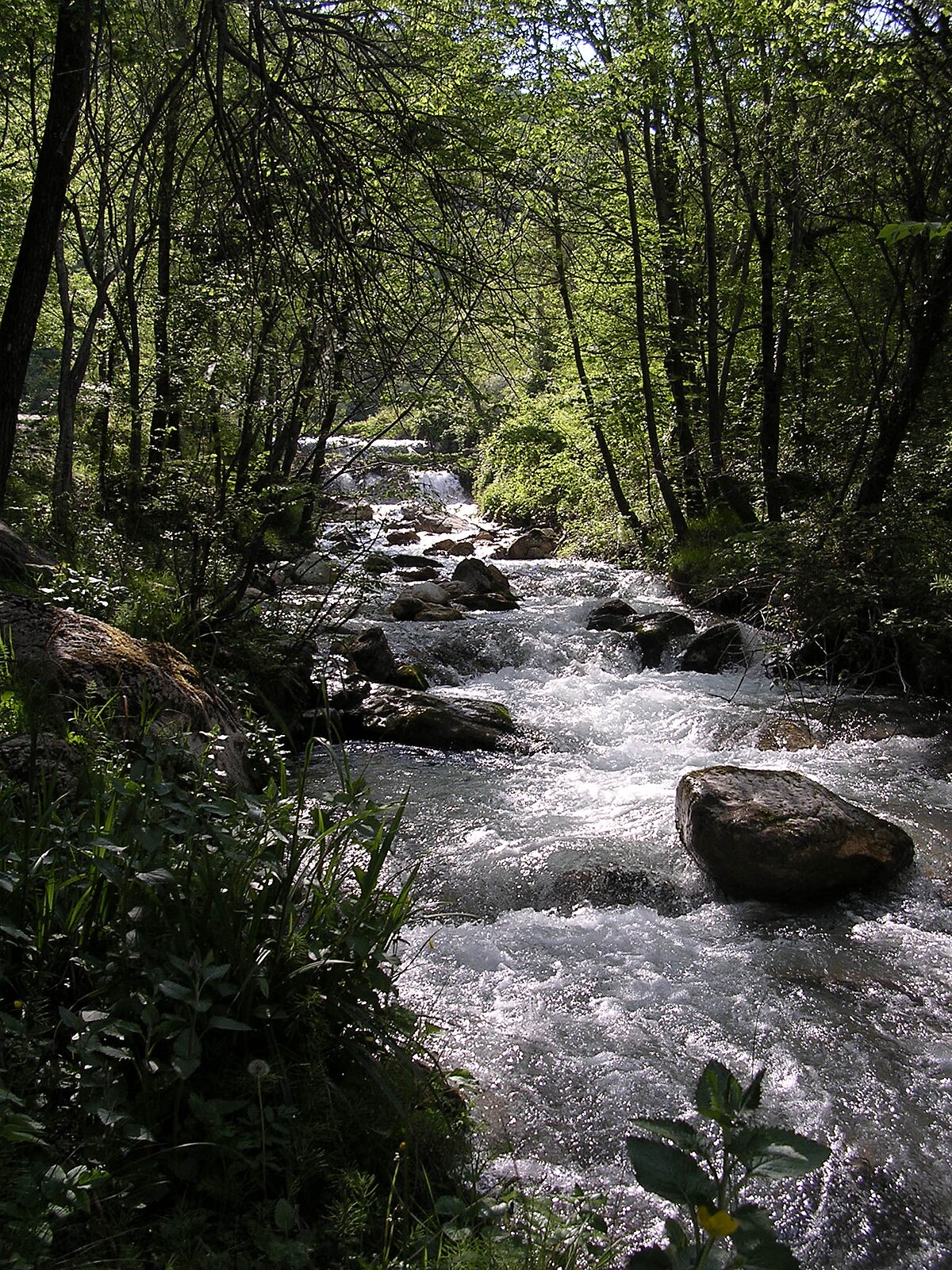
Ambro
📍 marche, Italy
The Ambro River is a picturesque waterway in the Marche region of Italy, known for its serene landscapes and ecological significance.

Ancient Ostra
📍 marche, Italy
Ancient Ostra is an archaeological site located in Marche, Italy, notable for its remnants of an ancient Roman city that offers insights into …

Ancona
📍 marche, Italy
Ancona is a historic city in the Marche region of Italy, renowned for its stunning coastal views and significant maritime heritage.

Antiquarium of Palazzone
📍 marche, Italy
The Antiquarium of Palazzone is a museum located in Perugia, Italy, renowned for its collection of artifacts that showcase the region's rich …
Archivio Diocesano e Biblioteca dell'Arcidiocesi di Pesaro
📍 marche, Italy
The Archivio Diocesano e Biblioteca dell'Arcidiocesi di Pesaro is a conservation library in Marche, Italy, renowned for its extensive collection of …
Archivio e Biblioteca della Cattedrale di S. Rufino (Duomo)
📍 marche, Italy
The Archivio e Biblioteca della Cattedrale di S. Rufino (Duomo) is a historical library and archive located in Assisi, Italy, renowned for its rich …
More Museum

Aghinolfi Castle
📍 tuscany, Italy
Aghinolfi Castle is a historic museum located in Montignoso, Tuscany, Italy, renowned for its medieval architecture and rich cultural heritage.
Alessi Museum
📍 sicily, Italy
The Alessi Museum is a captivating museum located in Sicily, Italy, renowned for its unique collection of decorative arts and design pieces.
Anatomical Museum "Eugenio Morelli"
📍 lazio, Italy
The Anatomical Museum "Eugenio Morelli" is a museum in Lazio, Italy, renowned for its fascinating collection of anatomical specimens and educational …
Antiquarium of Palazzone
📍 marche, Italy
The Antiquarium of Palazzone is a museum located in Perugia, Italy, renowned for its collection of artifacts that showcase the region's rich …
Aquarium of Alghero
📍 sardinia, Italy
The Aquarium of Alghero is a fascinating museum in Sardinia, Italy, known for its diverse marine life exhibits and educational experiences.

Ara Pacis
📍 lazio, Italy
The Ara Pacis is an ancient Roman monument located in Rome, Italy, renowned for its intricate relief sculptures and its role in celebrating peace and …