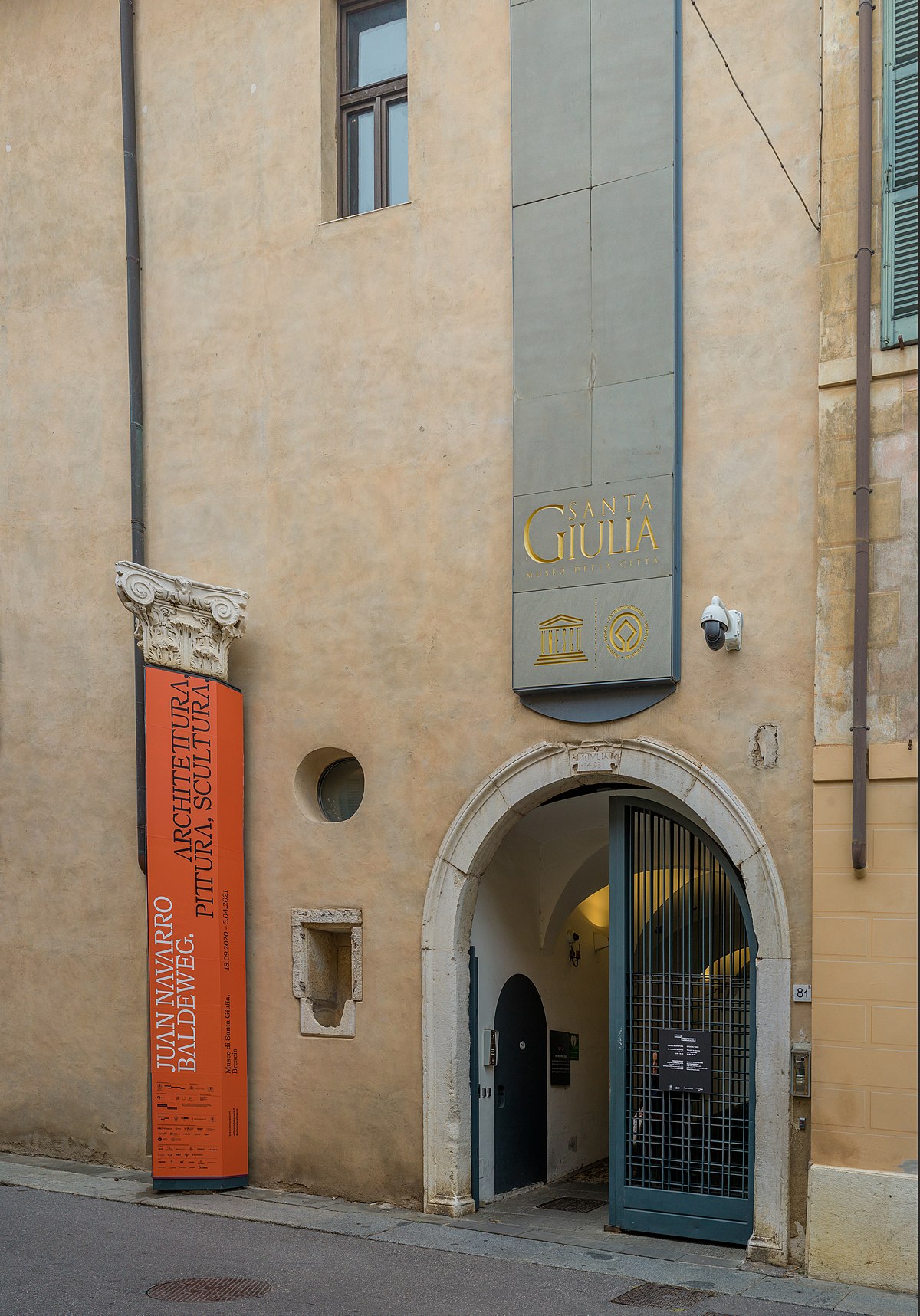


Museo di Santa Giulia
Overview
Located in the heart of Brescia, the Museo di Santa Giulia offers an insightful glimpse into the artistic and historical evolution of the Lombardy region. Housed in a former Benedictine monastery, the museum is not only an architectural marvel but also a custodian of the area’s cultural milestones. Visitors can explore a diverse array of exhibits that span from prehistoric times to the Middle Ages, thus providing a comprehensive overview of the region’s history. The museum’s layout allows for an engaging experience, where art and artifacts come together to tell the story of Brescia’s past.
With its stunning architecture and rich collections, the Museo di Santa Giulia is an essential stop for anyone interested in the heritage of Northern Italy. The museum’s strategic location makes it an ideal starting point for exploring other historical sites in Brescia, making it a must-visit destination for heritage enthusiasts.
History and Significance
The Museo di Santa Giulia is situated in a building that has a storied past, originally serving as a monastery for the Benedictine nuns. The site has deep roots in Brescia’s history, reflecting the city’s significance during various periods, including Roman and medieval times. The museum was established to preserve and showcase the wealth of artifacts uncovered in the region, emphasizing Brescia’s role as a cultural hub throughout history.
One of the standout features of the museum is its collection of archaeological finds that date back to prehistoric times, illustrating the continuous human settlement in the area. The museum also emphasizes the importance of the Lombardy region in the broader context of Italian history, showcasing artifacts that highlight trade, craftsmanship, and artistic expression during different eras.
The museum’s dedication to education and preservation makes it a vital institution for understanding the evolution of culture in Brescia and its surroundings. By providing insights into the daily lives, rituals, and artistic endeavors of past societies, the Museo di Santa Giulia plays a crucial role in cultural heritage conservation.
Architecture and Features
The architectural design of the Museo di Santa Giulia is as captivating as the collections it houses. The museum is set within a former Benedictine monastery, with structures that date back to the 10th century. The building itself is a blend of Romanesque and Gothic styles, characterized by its intricate facades and serene cloisters. Visitors are welcomed by the stunning entrance that leads into spacious galleries filled with light, enhancing the viewing experience of the exhibits.
Inside, the museum features several key areas, including the archaeological section, which showcases a wide range of artifacts such as Roman sculptures, ancient pottery, and medieval relics. The layout is designed to facilitate a smooth flow of movement, allowing visitors to navigate through various themes and periods effectively.
One of the museum’s highlights is the “Santa Giulia’s Church,” which is an integral part of the complex. This beautifully preserved space features remarkable frescoes and sculptures, creating an atmosphere of reverence and reflection. The museum’s design not only enhances the presentation of its collections but also provides a historical context that enriches the visitor’s experience.
Visiting Information
Reaching the Museo di Santa Giulia is convenient, as it is centrally located in Brescia. Visitors can arrive by public transportation, including buses and trains, which connect to the city’s main transportation hubs. If you are driving, there are parking facilities nearby, but it is advisable to check the official website for the latest information regarding parking availability and any potential restrictions.
Before planning your visit, it is essential to check the official website for current hours of operation and ticket prices. The museum typically offers a variety of ticket options, including reduced prices for students and seniors. A visit to the Museo di Santa Giulia generally requires around two to three hours to fully appreciate the collections and exhibitions.
The best time to visit is during the spring and early autumn months when the weather is mild, and the tourist crowds are generally smaller. Weekdays tend to be less crowded than weekends, providing a more intimate experience with the exhibits.
Nearby Attractions
While visiting the Museo di Santa Giulia, several other attractions in Brescia warrant attention:
Castello di Brescia: This historic castle overlooks the city and provides panoramic views, along with several museums and exhibitions within its walls.
Piazza della Loggia: A stunning square characterized by its Renaissance architecture, it is a great spot for a leisurely stroll or a coffee break.
Duomo Vecchio (Old Cathedral): An architectural landmark, this cathedral features a unique circular design and houses significant artworks.
Pinacoteca Tosio Martinengo: An art gallery that showcases an impressive collection of Renaissance and Baroque paintings, located close to the museum.
Teatro Grande: A historic theater known for its beautiful interiors and vibrant cultural events, offering a glimpse into Brescia’s artistic scene.
Insider Tips
To make the most of your visit to the Museo di Santa Giulia, consider arriving early in the day to avoid crowds, especially during weekends and holidays. This will allow you to enjoy the exhibits at a leisurely pace and take in the details without feeling rushed.
For photography enthusiasts, be mindful of any restrictions regarding flash photography, which may be in place to protect the artworks. The museum’s natural lighting can provide excellent opportunities for candid shots, capturing the essence of the artifacts in their historical context.
If you plan to visit multiple attractions in Brescia, consider purchasing a combined ticket, which may offer a discount and make it easier to explore the city’s rich heritage.
Practical Information
When preparing for your visit to the Museo di Santa Giulia, it is advisable to wear comfortable clothing and shoes, as you will likely spend a significant amount of time walking through the galleries and the surrounding historical sites. If you are visiting during the summer months, consider bringing a water bottle to stay hydrated, as the climate can be warm.
Seasonal considerations are also important; during the winter months, be prepared for cooler temperatures and potential rain. Always check the official website for any seasonal events or special exhibitions that may be taking place during your visit.
Frequently Asked Questions
How long should I spend visiting?
A visit to the Museo di Santa Giulia typically takes around two to three hours, allowing time to explore the collections and exhibitions fully.
Is photography allowed?
Photography is generally permitted, but be mindful of any specific restrictions regarding flash photography.
Are there guided tours?
Yes, the museum often offers guided tours that provide additional insights into the collections and the history of the site. Check the official website for availability and booking details.
What’s the best time to visit?
The best times to visit are during the spring and early autumn months when the weather is pleasant, and crowds are smaller.
Is it wheelchair accessible?
The museum aims to be accessible to all visitors, including those with mobility challenges. Check the official website for specific accessibility information.
Can I buy tickets online?
Yes, tickets can typically be purchased online in advance. It is advisable to check the official website for the most current ticketing options and prices.
Are there restrooms and cafes?
The museum is equipped with restrooms for visitors. There may also be a café or food options nearby; confirming on the official website is recommended.
What should I wear?
Wear comfortable clothing and shoes, as you will be walking through galleries and exploring the historical site. Consider seasonal weather when choosing your outfit.
In conclusion, the Museo di Santa Giulia is a cornerstone of Brescia’s cultural landscape, offering visitors an opportunity to engage with the rich heritage of the region. Whether you are an art lover, history enthusiast, or casual traveler, this museum provides a thoughtful and enriching experience that resonates long after your visit.
Photo Gallery
Visit Information
Quick Facts
- Heritage Type
- Museum
- Region
- lombardy
- Wikidata ID
- Q3868183
More in lombardy
Abbazia dei SS. Pietro e Paolo
📍 lombardy, Italy
The Abbazia dei SS. Pietro e Paolo is a historic monastery located in Lombardy, Italy, known for its serene atmosphere and cultural significance.

Abbazia dell'Acquafredda
📍 lombardy, Italy
The Abbazia dell'Acquafredda is a serene monastery located in Lombardy, Italy, near Lake Como, known for its tranquil atmosphere and historical …
Abbazia di S. Giovanni
📍 lombardy, Italy
The Abbazia di S. Giovanni is a historic monastery located in Lombardy, Italy, known for its serene atmosphere and architectural simplicity.
abbazia di San Giovanni
📍 lombardy, Italy
The abbazia di San Giovanni is a historic monastery located in Vertemate con Minoprio, Italy, known for its tranquil ambiance and architectural …

Abbazia di San Nicola (Rodengo Saiano)
📍 lombardy, Italy
The Abbazia di San Nicola is a historic monastery located in Rodengo Saiano, Italy, renowned for its architectural beauty and tranquil ambiance.
Abbey of Cavatigozzi
📍 lombardy, Italy
The Abbey of Cavatigozzi is a historic monastery located in Lombardy, Italy, renowned for its serene ambiance and architectural beauty.
More Museum

Aghinolfi Castle
📍 tuscany, Italy
Aghinolfi Castle is a historic museum located in Montignoso, Tuscany, Italy, renowned for its medieval architecture and rich cultural heritage.
Alessi Museum
📍 sicily, Italy
The Alessi Museum is a captivating museum located in Sicily, Italy, renowned for its unique collection of decorative arts and design pieces.
Anatomical Museum "Eugenio Morelli"
📍 lazio, Italy
The Anatomical Museum "Eugenio Morelli" is a museum in Lazio, Italy, renowned for its fascinating collection of anatomical specimens and educational …

Antiquarium of Palazzone
📍 marche, Italy
The Antiquarium of Palazzone is a museum located in Perugia, Italy, renowned for its collection of artifacts that showcase the region's rich …
Aquarium of Alghero
📍 sardinia, Italy
The Aquarium of Alghero is a fascinating museum in Sardinia, Italy, known for its diverse marine life exhibits and educational experiences.

Ara Pacis
📍 lazio, Italy
The Ara Pacis is an ancient Roman monument located in Rome, Italy, renowned for its intricate relief sculptures and its role in celebrating peace and …