


Monastery of Fonte Avellana
Overview
The Monastery of Fonte Avellana is more than just a historical site; it is a serene sanctuary that invites visitors to explore its rich monastic heritage. Situated in the rolling hills of the Marche region, the monastery is surrounded by lush forests and offers a peaceful atmosphere that has attracted hermits and monks for centuries. The site is a captivating blend of natural beauty and spiritual depth, where one can reflect on the traditions of monastic life and the history of the Catholic Church in Italy.
This hermitage, established to provide a place for hermitic contemplation, showcases not only the architectural and artistic styles of its time but also the enduring legacy of its monastic community. As you approach the monastery, the tranquil environment and the sound of rustling leaves create a sense of calm, making it an ideal destination for both spiritual seekers and history enthusiasts. Visitors can expect a unique experience that combines natural beauty with cultural significance, offering insights into the lives of those who dedicated themselves to a life of solitude and prayer.
History and Significance
The Monastery of Fonte Avellana has a profound historical background tied to the Order of Camaldoli, which emphasizes a contemplative lifestyle. The origins of the monastery are closely linked to the spiritual movements that swept through Italy during the early medieval period. Although specific dates in its early history are not well-documented, it is known that the site has been a center for monastic life and spiritual retreat since its establishment.
Throughout the centuries, Fonte Avellana has served as a refuge for numerous monks seeking solitude and a deeper connection to their faith. The monastic community has played a significant role in the region’s religious landscape, contributing to the spread of Christian teachings and monastic practices. The monks at Fonte Avellana engaged in various forms of scholarship, including theology and philosophy, making it a key site for intellectual and spiritual development.
The monastery’s significance extends beyond its religious practices; it has also been a place of pilgrimage for countless individuals. Visitors come to the site not only for its spiritual offerings but also to appreciate the rich cultural and historical narratives that have unfolded here over the centuries. The enduring presence of the monastic community has added layers of meaning to the site, making it a vital part of the heritage of the Marche region.
Architecture and Features
The architectural style of the Monastery of Fonte Avellana reflects its long-standing history and the evolution of monastic design. The complex features a harmonious blend of Romanesque and Gothic elements, which can be seen in the layout and decorative details throughout the buildings. The monastery is characterized by its simplicity and functionality, aligning with the values of monastic life that emphasize humility and contemplation.
One of the notable features of Fonte Avellana is its cloister, which serves as a tranquil area for meditation and reflection. The cloister is surrounded by arches and columns that exemplify the craftsmanship of the period, creating a serene environment that encourages visitors to pause and immerse themselves in the peaceful surroundings. Additionally, the chapel within the monastery is adorned with beautiful frescoes and religious art that depict scenes from the lives of saints and biblical narratives, offering insight into the spiritual life of the monastic community.
The surrounding landscape of the monastery further enhances its architectural beauty. The lush forests and hills create a picturesque backdrop, reinforcing the connection between nature and spirituality that is central to monastic life. The integration of the natural environment with the monastery’s structures fosters a sense of harmony, inviting visitors to appreciate both the artistic and spiritual dimensions of the site.
Visiting Information
The Monastery of Fonte Avellana is accessible to visitors seeking both spiritual enrichment and a deeper understanding of monastic life. To reach the monastery, travelers can use various modes of transportation, including private vehicles or local public transport. The monastery is situated in a scenic area, making the journey to the site a part of the overall experience.
Check the official website for current information regarding hours and any entry fees, as these can vary throughout the year. Typically, visitors can expect to spend a few hours exploring the grounds, taking in the architecture, and reflecting in the tranquil spaces available. The best times to visit are during the spring and autumn months, when the weather is mild, and the natural surroundings are particularly beautiful.
Upon arrival, guests can explore the monastery grounds, participate in guided tours, or engage in personal reflection. The atmosphere is generally quiet, allowing for a contemplative experience. It is advisable to dress modestly and respectfully, keeping in mind the spiritual significance of the site.
Nearby Attractions
While visiting the Monastery of Fonte Avellana, there are several nearby attractions that may enhance your travel experience:
Serra Sant’Abbondio: This charming village offers quaint streets and local shops, perfect for a leisurely stroll and a taste of local culture.
Parco Naturale Regionale del Sasso Simone e Simoncello: A stunning natural park ideal for hiking and enjoying the region’s biodiversity.
Castello di Frontino: A historic castle that provides insights into the medieval history of the region, complete with scenic views and fascinating architecture.
Fossombrone: This nearby town is rich in art and history, featuring Roman ruins and a picturesque riverside setting.
Urbino: A UNESCO World Heritage site known for its Renaissance architecture and the renowned Palazzo Ducale, a must-visit for art lovers.
Insider Tips
To maximize your experience at the Monastery of Fonte Avellana, consider these insider tips:
Photography: While the monastery’s architecture and landscapes provide stunning photographic opportunities, be respectful of the spiritual environment. Always check if photography is allowed in specific areas.
Crowd Avoidance: Visit during weekdays or early in the morning to enjoy a quieter experience, as weekends can attract more visitors.
Practical Information
When planning your trip to the Monastery of Fonte Avellana, keep the following practical considerations in mind:
What to Bring: Comfortable walking shoes are recommended, as the terrain may involve uneven paths. Additionally, a water bottle and a light jacket can be useful, especially during cooler months.
Seasonal Considerations: The monastery is accessible year-round, but visiting during the spring or fall is particularly pleasant due to the mild weather and beautiful foliage.
Frequently Asked Questions
How long should I spend visiting?
A visit typically lasts 2-3 hours, allowing time to explore the grounds and reflect in the serene environment.
Is photography allowed?
Photography is generally permitted in the outdoor areas, but it’s advisable to inquire about specific restrictions within the chapel and other sacred spaces.
Are there guided tours?
Yes, guided tours may be available, offering deeper insights into the history and significance of the monastery.
What’s the best time to visit?
Spring and autumn are ideal for visiting, as the weather is pleasant and the surroundings are particularly beautiful.
Is it wheelchair accessible?
Check the official website for information about accessibility features, as some areas may have limitations.
Can I buy tickets online?
It is advisable to check the official website for details on ticket purchasing options and pricing.
Are there restrooms and cafes?
Facilities may be limited, so it’s best to check the official website for information on amenities available on-site.
What should I wear?
Visitors should dress modestly and comfortably, keeping in mind the spiritual nature of the site.
Photo Gallery
Visit Information
Quick Facts
- Heritage Type
- Monastery
- Region
- marche
- Wikidata ID
- Q978549
More in marche
Ambro
📍 marche, Italy
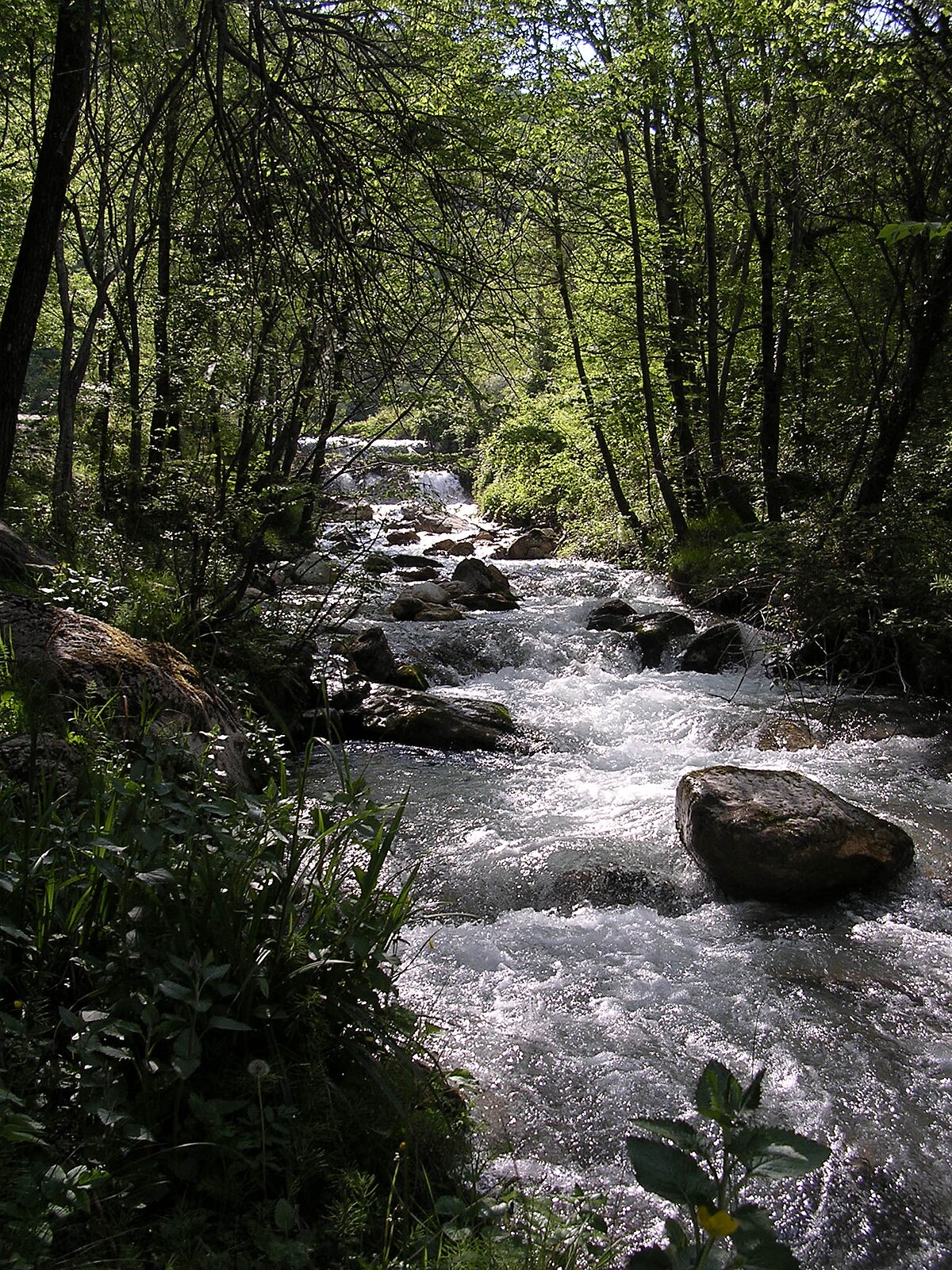
The Ambro River is a picturesque waterway in the Marche region of Italy, known for its serene landscapes and ecological significance.

Ancient Ostra
📍 marche, Italy
Ancient Ostra is an archaeological site located in Marche, Italy, notable for its remnants of an ancient Roman city that offers insights into …

Ancona
📍 marche, Italy
Ancona is a historic city in the Marche region of Italy, renowned for its stunning coastal views and significant maritime heritage.

Antiquarium of Palazzone
📍 marche, Italy
The Antiquarium of Palazzone is a museum located in Perugia, Italy, renowned for its collection of artifacts that showcase the region's rich …
Archivio Diocesano e Biblioteca dell'Arcidiocesi di Pesaro
📍 marche, Italy
The Archivio Diocesano e Biblioteca dell'Arcidiocesi di Pesaro is a conservation library in Marche, Italy, renowned for its extensive collection of …
Archivio e Biblioteca della Cattedrale di S. Rufino (Duomo)
📍 marche, Italy
The Archivio e Biblioteca della Cattedrale di S. Rufino (Duomo) is a historical library and archive located in Assisi, Italy, renowned for its rich …
More Monastery
Abbazia dei SS. Pietro e Paolo
📍 lombardy, Italy
The Abbazia dei SS. Pietro e Paolo is a historic monastery located in Lombardy, Italy, known for its serene atmosphere and cultural significance.

Abbazia dell'Acquafredda
📍 lombardy, Italy
The Abbazia dell'Acquafredda is a serene monastery located in Lombardy, Italy, near Lake Como, known for its tranquil atmosphere and historical …

Abbazia di S. Benedetto
📍 sicily, Italy
The Abbazia di S. Benedetto is a historic monastery located in Militello in Val di Catania, Sicily, renowned for its architectural beauty and serene …
Abbazia di S. Giovanni
📍 lombardy, Italy
The Abbazia di S. Giovanni is a historic monastery located in Lombardy, Italy, known for its serene atmosphere and architectural simplicity.
Abbazia di San Bartolo
📍 veneto, Italy
The Abbazia di San Bartolo is a historic monastery located in Aguscello, Ferrara, Italy, known for its serene atmosphere and architectural …
abbazia di San Giovanni
📍 lombardy, Italy
The abbazia di San Giovanni is a historic monastery located in Vertemate con Minoprio, Italy, known for its tranquil ambiance and architectural …