Monastero di Santa Chiara
Overview
The Monastero di Santa Chiara, situated in the charming town of Filottrano in the Marche region of Italy, is a site of profound spiritual significance and architectural beauty. This monastery has been a center for contemplation and monastic life, attracting those seeking peace and a connection to history. The serene surroundings and the monastery’s tranquil ambiance make it a perfect destination for spiritual seekers, history enthusiasts, and architecture lovers alike. Visitors can expect to find not only a place of worship but also a rich tapestry of culture and tradition that echoes the values of the Franciscan order to which it is linked.
The town of Filottrano itself, with its picturesque streets and local charm, offers a unique glimpse into the Italian way of life, making the Monastero di Santa Chiara an essential stop for anyone exploring the Marche region. Its location amidst the rolling hills enhances the experience, providing a backdrop that complements the monastery’s serene environment. Whether you are drawn by the spiritual heritage, the architectural details, or the tranquil setting, Monastero di Santa Chiara promises a meaningful visit.
History and Significance
The Monastero di Santa Chiara is tied to the Franciscan order, which emphasizes a life of poverty and service, embodying principles that have shaped the spiritual landscape of Italy. While specific dates of its establishment may not be readily available, the monastery has served as a vital center of monastic life, contributing to the local community through its religious practices and outreach.
Throughout its history, the monastery has been a place of refuge and spirituality. It has housed many individuals who sought a deeper connection with their faith away from the distractions of daily life. The teachings and lifestyle of the Franciscans have influenced not only the monastery itself but also the surrounding region, helping to foster a sense of community and shared values among its residents.
The significance of Monastero di Santa Chiara extends beyond its religious functions; it also plays a role in preserving the cultural heritage of Filottrano and the Marche region. The monastery stands as a reminder of the enduring legacy of monasticism in Italy, which has left an indelible mark on the country’s historical narrative. As such, it serves as a focal point for those interested in understanding the broader context of Italian spirituality and community life.
Architecture and Features
The architectural style of the Monastero di Santa Chiara reflects the simplicity and functionality characteristic of Franciscan design. The layout typically includes essential elements such as a cloister, chapel, and living quarters, all arranged to promote a sense of community while allowing for personal reflection.
Visitors can appreciate the tranquility of the cloister, which often features serene gardens and a peaceful atmosphere, ideal for contemplation. The chapel, central to the monastic life, is likely adorned with religious iconography and provides a space for worship and prayer. The design emphasizes natural light and open spaces, creating an inviting environment that encourages meditation.
While specific architectural details may vary, the overall aesthetic is one of understated elegance, aligning with the Franciscan values of humility and simplicity. The use of local materials in construction often reflects the surrounding landscape, further integrating the monastery into its environment.
The Monastero di Santa Chiara may also include various artworks or historical artifacts that tell the story of its past and the lives of those who have inhabited it. Each corner of the monastery offers a glimpse into the spiritual and cultural journey that has unfolded within its walls.
Visiting Information
Visiting the Monastero di Santa Chiara provides a unique opportunity to immerse oneself in a serene environment steeped in history. To reach Filottrano, visitors can utilize various modes of transport, including personal vehicles or public transportation options available in nearby cities.
Check the official website for current information regarding visiting hours and any potential entry fees. While specific details may vary, it is advisable to allocate at least a couple of hours for your visit to fully appreciate the monastery’s tranquility and significance.
The best times to visit are during the spring and early autumn when the weather is generally pleasant, allowing for a more enjoyable experience as you explore the monastery and its surroundings. Additionally, visiting during weekdays may help avoid crowds, providing a more peaceful atmosphere for reflection and exploration.
Upon arrival, visitors can expect a welcoming environment, with opportunities for quiet contemplation and engagement with the monastery’s history. Guided tours may or may not be available, so checking in advance is recommended if this is of interest.
Nearby Attractions
Filottrano Town Center: Explore the quaint streets of Filottrano, where local shops and cafes offer a taste of Italian life.
Santa Maria Assunta Church: A nearby church showcasing local religious architecture and art, providing additional context to the region’s spirituality.
Parco del Conero: A stunning natural park that offers hiking trails and scenic views of the Adriatic coastline, perfect for nature lovers.
Osimo: A nearby town known for its rich history and charming medieval architecture, making it a great day trip from Filottrano.
Ancona: The regional capital, just a short drive away, offers a wealth of cultural landmarks, including the historic Ancona Cathedral and the National Archaeological Museum.
Insider Tips
When visiting the Monastero di Santa Chiara, consider bringing a camera to capture the monastery’s serene atmosphere and beautiful architecture. Early mornings or late afternoons are ideal for photography, as the lighting during these times enhances the beauty of the surroundings.
To avoid potential crowds, plan your visit for weekdays, particularly outside of local holidays. This will allow for a quieter experience, enabling deeper reflection and enjoyment of the monastery’s peaceful ambiance.
Practical Information
When planning your visit, comfortable walking shoes are recommended, as exploring the monastery and its grounds may involve some walking. It’s also wise to bring a light jacket or sweater, as temperatures can vary, particularly in the spring and fall.
As a religious site, visitors are encouraged to dress modestly, respecting the spiritual nature of the monastery. Seasonal considerations should also be taken into account, as visiting during the warmer months might mean more tourists, while winter visits can offer solitude, albeit with cooler temperatures.
Frequently Asked Questions
How long should I spend visiting?
A visit of 2-3 hours is recommended to fully appreciate the monastery and its surroundings.
Is photography allowed?
Photography rules may vary; check upon arrival to ensure respectful practices are followed.
Are there guided tours?
Guided tours may or may not be available; it’s best to check the official website for more information.
What’s the best time to visit?
Spring and early autumn are ideal for pleasant weather and fewer crowds.
Is it wheelchair accessible?
Accessibility features may vary; check the official website for specific information.
Can I buy tickets online?
Check the official website for current information on ticket purchasing options.
Are there restrooms and cafes?
Facilities may be limited; it’s advisable to check the official website for details.
What should I wear?
Modest attire is recommended, respecting the religious nature of the site. Comfortable walking shoes are advised for exploration.
More in marche
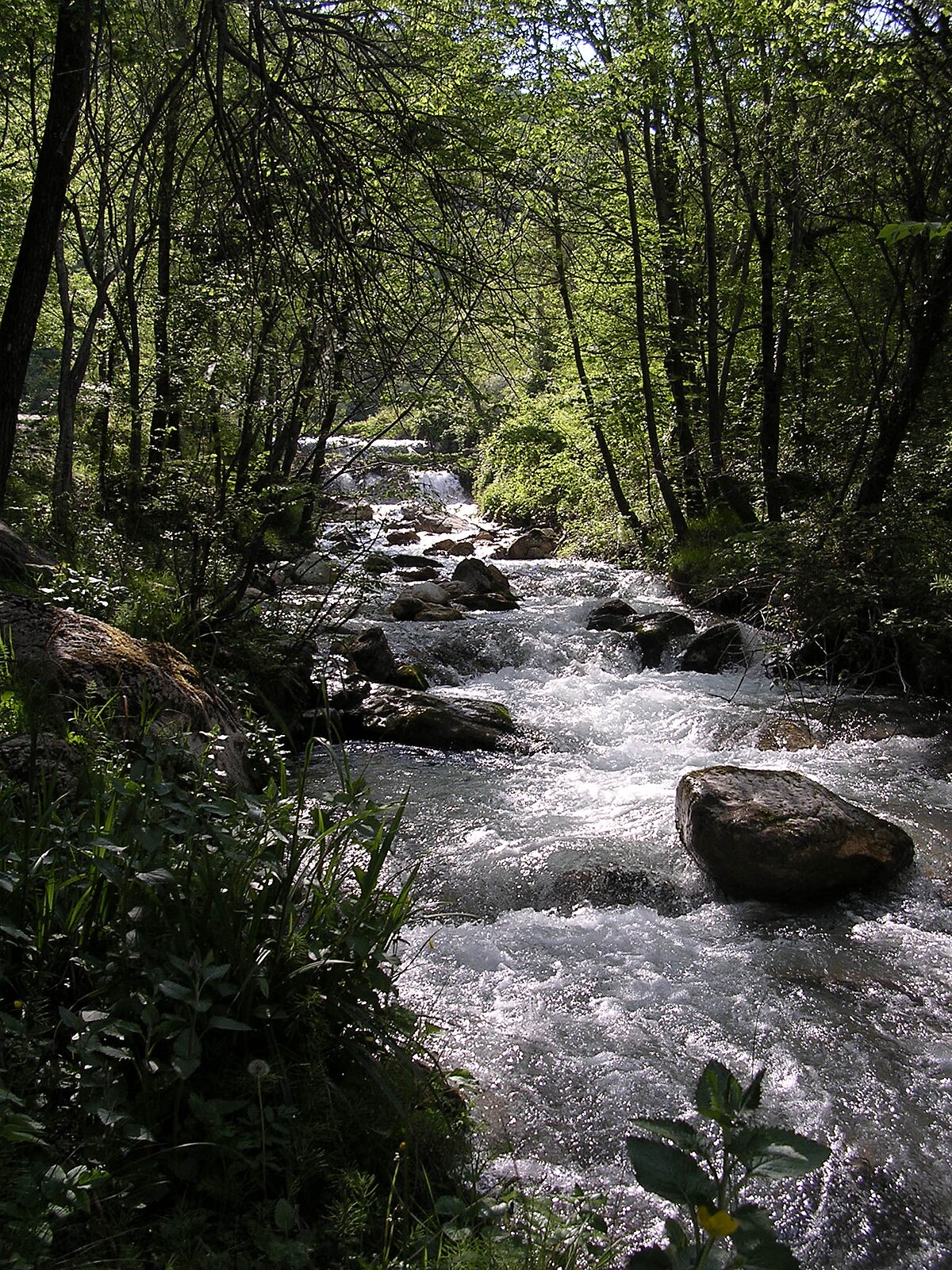
Ambro
📍 marche, Italy
The Ambro River is a picturesque waterway in the Marche region of Italy, known for its serene landscapes and ecological significance.

Ancient Ostra
📍 marche, Italy
Ancient Ostra is an archaeological site located in Marche, Italy, notable for its remnants of an ancient Roman city that offers insights into …

Ancona
📍 marche, Italy
Ancona is a historic city in the Marche region of Italy, renowned for its stunning coastal views and significant maritime heritage.

Antiquarium of Palazzone
📍 marche, Italy
The Antiquarium of Palazzone is a museum located in Perugia, Italy, renowned for its collection of artifacts that showcase the region's rich …
Archivio Diocesano e Biblioteca dell'Arcidiocesi di Pesaro
📍 marche, Italy
The Archivio Diocesano e Biblioteca dell'Arcidiocesi di Pesaro is a conservation library in Marche, Italy, renowned for its extensive collection of …
Archivio e Biblioteca della Cattedrale di S. Rufino (Duomo)
📍 marche, Italy
The Archivio e Biblioteca della Cattedrale di S. Rufino (Duomo) is a historical library and archive located in Assisi, Italy, renowned for its rich …
More Monastery
Abbazia dei SS. Pietro e Paolo
📍 lombardy, Italy
The Abbazia dei SS. Pietro e Paolo is a historic monastery located in Lombardy, Italy, known for its serene atmosphere and cultural significance.

Abbazia dell'Acquafredda
📍 lombardy, Italy
The Abbazia dell'Acquafredda is a serene monastery located in Lombardy, Italy, near Lake Como, known for its tranquil atmosphere and historical …

Abbazia di S. Benedetto
📍 sicily, Italy
The Abbazia di S. Benedetto is a historic monastery located in Militello in Val di Catania, Sicily, renowned for its architectural beauty and serene …
Abbazia di S. Giovanni
📍 lombardy, Italy
The Abbazia di S. Giovanni is a historic monastery located in Lombardy, Italy, known for its serene atmosphere and architectural simplicity.
Abbazia di San Bartolo
📍 veneto, Italy
The Abbazia di San Bartolo is a historic monastery located in Aguscello, Ferrara, Italy, known for its serene atmosphere and architectural …
abbazia di San Giovanni
📍 lombardy, Italy
The abbazia di San Giovanni is a historic monastery located in Vertemate con Minoprio, Italy, known for its tranquil ambiance and architectural …