


monastero di San Liberatore
Overview
The monastero di San Liberatore, situated in the picturesque region of Marche, Italy, offers visitors a glimpse into the spiritual and architectural heritage of the area. This remarkable monastery is set against the backdrop of the stunning Italian countryside, characterized by rolling hills and lush landscapes. Established in a tranquil environment, it serves not only as a religious site but also as a cultural landmark that reflects the history of monastic life in Italy.
The monastery’s significance extends beyond its walls, as it represents the enduring legacy of monasticism in the region. Visitors are invited to explore its peaceful surroundings and appreciate the artistry of the structures that have stood for centuries. The site embodies a sense of serenity and contemplation, making it a perfect retreat for those seeking spiritual solace or a deeper understanding of Italy’s monastic traditions. Whether you’re an architecture enthusiast, a history buff, or simply in search of a quiet place to reflect, the monastero di San Liberatore promises an enriching experience.
History and Significance
The monastero di San Liberatore traces its origins back to a period when monasticism was pivotal in shaping the cultural landscape of Italy. While specific dates and details of its foundation are not widely documented, the monastery is believed to have been established during a time when the region was experiencing a spiritual revival. Monasteries like San Liberatore played a crucial role in the preservation of religious practices, education, and culture throughout the Middle Ages.
The monastery’s influence extends beyond its religious functions; it has also served as a center for artistic and scholarly pursuits. Monastic communities were often responsible for the transcription of texts, the creation of religious art, and the cultivation of knowledge, all of which contributed to the cultural richness of the region. As the monastery evolved over the centuries, it became an important site for local pilgrimage and community gatherings, further solidifying its role in the spiritual and social fabric of Castelsantangelo sul Nera.
The monastery’s architecture and layout reflect the monastic ideals of simplicity and functionality, aiming to create a space conducive to prayer and meditation. The preservation of such sites is vital for future generations, offering insights into the spiritual lives of those who came before. The monastero di San Liberatore remains a symbol of resilience and faith, capturing the essence of Italy’s monastic heritage.
Architecture and Features
The architecture of the monastero di San Liberatore is a noteworthy representation of monastic design, characterized by its simplicity and harmony with the natural surroundings. The building itself is constructed with local materials, which not only enhances its aesthetic appeal but also integrates it seamlessly into the landscape. The monastery’s façade is marked by traditional features typical of the region, including stone walls and arched doorways that invite visitors to explore further.
Inside, the monastery offers a variety of spaces intended for prayer and reflection. The main chapel is likely adorned with religious iconography, providing a serene atmosphere for worship. The layout of the monastery typically includes cloisters, which serve as peaceful walkways for contemplation, and communal areas where monks would gather for meals and discussions. While specific interior details are not extensively documented, these elements are common in monastic architecture and contribute to the overall experience of the site.
The monastery’s design is not just functional; it also embodies the spiritual principles of monastic life. Light plays a significant role in the structure, often filtering through stained glass windows to create an ethereal ambiance that enhances the sense of tranquility. Visitors are encouraged to take their time exploring the various areas, observing the intricate details and reflecting on the history embedded within the walls.
Visiting Information
Reaching the monastero di San Liberatore is relatively straightforward, as it is accessible by car from nearby towns and cities in the Marche region. Those traveling by public transport should check local schedules, as the area may require some walking after arriving at the nearest bus or train station.
Before planning your visit, it is advisable to check the official website for current information on opening hours and ticket prices, as these can vary seasonally. Visitors can expect a serene environment, ideal for quiet reflection and exploration. A visit typically lasts a couple of hours, allowing ample time to wander the grounds, appreciate the architecture, and engage in personal contemplation.
The best times to visit are during the spring and early autumn months when the weather is mild and the surrounding nature is in bloom. This not only enhances the overall experience but also provides opportunities for photography amidst the beautiful landscape.
Nearby Attractions
While the monastero di San Liberatore is a highlight in itself, the surrounding area offers several attractions worth exploring:
Castelsantangelo sul Nera: The charming village nearby is known for its picturesque streets and local cuisine. A stroll through the town provides insight into the regional culture and history.
Parco Nazionale dei Monti Sibillini: This national park, located close to the monastery, features stunning natural landscapes, hiking trails, and opportunities for outdoor activities, making it an ideal destination for nature lovers.
The Sanctuary of Macereto: A short drive from the monastery, this sanctuary is known for its beautiful architecture and serene setting, attracting visitors seeking spiritual reflection.
Visso: This historic town, situated a bit further away, is famous for its medieval architecture and serves as a gateway to the Sibillini Mountains, offering additional cultural and outdoor experiences.
The Village of Preci: Known for its rich history and traditional stone buildings, Preci provides another glimpse into the heritage of the region, along with scenic views of the surrounding countryside.
Insider Tips
For those planning a visit to the monastero di San Liberatore, consider these tips to enhance your experience:
Photography: While capturing the beauty of the monastery is encouraged, be mindful of any restrictions regarding photography inside the church or specific areas. Respect the peaceful atmosphere by avoiding flash photography during prayer times.
Crowd Avoidance: To enjoy a quieter experience, visit during weekdays or early in the morning. This allows you to explore the site without the distractions of larger crowds.
Practical Information
When preparing for your visit to the monastero di San Liberatore, here are some practical considerations:
What to bring: Comfortable walking shoes are essential, as you may want to explore the grounds thoroughly. A water bottle and light snacks can also be handy, particularly if you plan to spend an extended period at the site.
Seasonal considerations: The best time to visit is during spring and autumn when the weather is pleasant. Summers can be hot, and winters might bring colder temperatures, so dress accordingly.
Accessibility: Check the official website for information regarding accessibility options for those with mobility challenges.
Frequently Asked Questions
How long should I spend visiting?
A visit typically lasts 1-2 hours, allowing time for exploration and reflection.
Is photography allowed?
Photography is generally permitted; however, check for any restrictions in specific areas, particularly inside the chapel.
Are there guided tours?
Guided tours may be available; check the official website for details and to see if pre-booking is required.
What’s the best time to visit?
The best times to visit are during spring and early autumn when the weather is mild and the natural surroundings are especially beautiful.
Is it wheelchair accessible?
For accessibility information, check the official website to confirm available options and facilities.
Can I buy tickets online?
Ticket purchasing options may vary; consult the official website for current information on online ticket availability.
Are there restrooms and cafes?
Facilities may be limited; check the official website for details regarding amenities available on-site.
What should I wear?
Dress comfortably and respectfully, considering the spiritual nature of the site. Modest attire is recommended.
Whether you seek spiritual enrichment, architectural beauty, or a peaceful retreat, the monastero di San Liberatore stands as a significant destination in the Marche region, promising visitors a profound and contemplative experience.
Photo Gallery
More in marche
Ambro
📍 marche, Italy
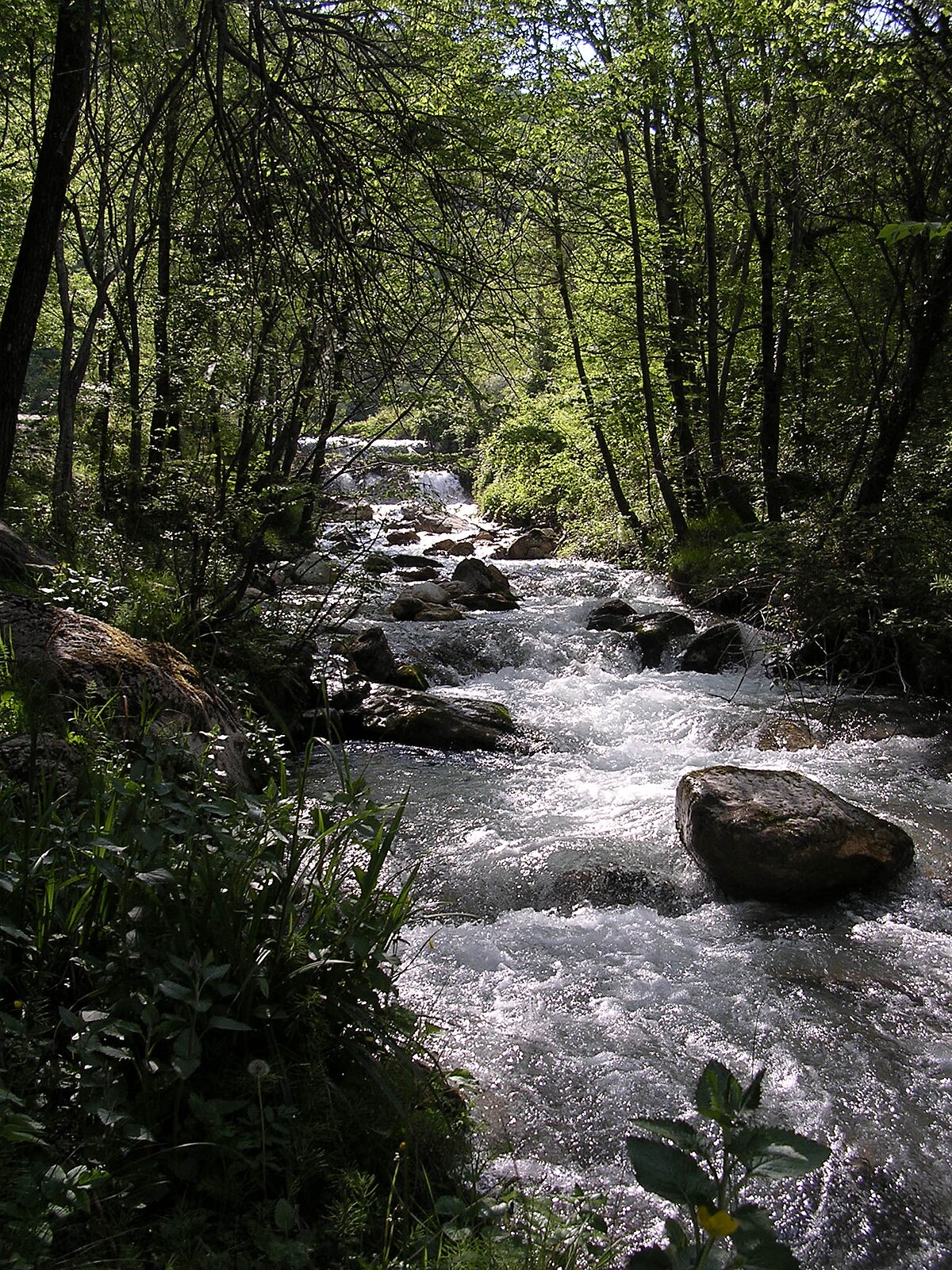
The Ambro River is a picturesque waterway in the Marche region of Italy, known for its serene landscapes and ecological significance.

Ancient Ostra
📍 marche, Italy
Ancient Ostra is an archaeological site located in Marche, Italy, notable for its remnants of an ancient Roman city that offers insights into …

Ancona
📍 marche, Italy
Ancona is a historic city in the Marche region of Italy, renowned for its stunning coastal views and significant maritime heritage.

Antiquarium of Palazzone
📍 marche, Italy
The Antiquarium of Palazzone is a museum located in Perugia, Italy, renowned for its collection of artifacts that showcase the region's rich …
Archivio Diocesano e Biblioteca dell'Arcidiocesi di Pesaro
📍 marche, Italy
The Archivio Diocesano e Biblioteca dell'Arcidiocesi di Pesaro is a conservation library in Marche, Italy, renowned for its extensive collection of …
Archivio e Biblioteca della Cattedrale di S. Rufino (Duomo)
📍 marche, Italy
The Archivio e Biblioteca della Cattedrale di S. Rufino (Duomo) is a historical library and archive located in Assisi, Italy, renowned for its rich …
More Monastery
Abbazia dei SS. Pietro e Paolo
📍 lombardy, Italy
The Abbazia dei SS. Pietro e Paolo is a historic monastery located in Lombardy, Italy, known for its serene atmosphere and cultural significance.

Abbazia dell'Acquafredda
📍 lombardy, Italy
The Abbazia dell'Acquafredda is a serene monastery located in Lombardy, Italy, near Lake Como, known for its tranquil atmosphere and historical …

Abbazia di S. Benedetto
📍 sicily, Italy
The Abbazia di S. Benedetto is a historic monastery located in Militello in Val di Catania, Sicily, renowned for its architectural beauty and serene …
Abbazia di S. Giovanni
📍 lombardy, Italy
The Abbazia di S. Giovanni is a historic monastery located in Lombardy, Italy, known for its serene atmosphere and architectural simplicity.
Abbazia di San Bartolo
📍 veneto, Italy
The Abbazia di San Bartolo is a historic monastery located in Aguscello, Ferrara, Italy, known for its serene atmosphere and architectural …
abbazia di San Giovanni
📍 lombardy, Italy
The abbazia di San Giovanni is a historic monastery located in Vertemate con Minoprio, Italy, known for its tranquil ambiance and architectural …