monastero di Montebello
Overview
The Monastero di Montebello is an extraordinary site that reflects the rich spiritual and cultural tapestry of the Marche region in Italy. Situated in the charming village of Isola del Piano, this monastery serves not only as a place of worship but also as a museum, offering visitors insights into the artistic and historical elements of monastic life. The serene atmosphere and the monastery’s tranquil surroundings create a perfect setting for reflection and exploration, attracting both spiritual seekers and history enthusiasts alike.
The region of Marche, known for its rolling hills and picturesque landscapes, provides a stunning backdrop for this historical monastery. The Monastero di Montebello plays a pivotal role in the cultural life of the area, showcasing the integration of religious practice and artistic expression. Visitors can expect to immerse themselves in the serene ambiance of the monastery while appreciating its historical significance and architectural beauty.
History and Significance
The history of the Monastero di Montebello is intertwined with the spiritual and cultural evolution of the Marche region. Although specific historical dates are not available, the monastery has served as a significant center for religious life and community gatherings for centuries. It has been a site where monks dedicated their lives to prayer, contemplation, and the preservation of knowledge through manuscripts and art.
Throughout its history, the monastery has adapted to the changing tides of culture and society, finding ways to maintain its relevance within the community. The presence of the museum within the monastery adds another layer of significance, as it preserves and showcases artifacts that reflect the monastic lifestyle and the historical context of the region. This combination of spiritual practice and cultural preservation has made the Monastero di Montebello an important landmark in Marche, attracting visitors who seek to understand both the past and the present of monastic life.
The monastery’s role in the local community extends beyond its walls; it has served as a hub for spiritual retreats and educational programs, fostering a deep connection between the monastery and the people of Isola del Piano and surrounding areas. Today, it stands as a testament to the enduring legacy of monastic traditions and their continued importance in contemporary society.
Architecture and Features
The architectural style of the Monastero di Montebello reflects the aesthetic values and practical needs of its time, combining functionality with spiritual symbolism. The structure is characterized by its simplicity and elegance, typical of monastic architecture, designed to inspire contemplation and prayer. While specific architectural details may not be available, the overall design is likely to feature elements such as arched doorways, a cloistered courtyard, and spaces dedicated to both communal and private worship.
One of the notable features of the monastery is its museum, which houses various artifacts related to monastic life, including religious art and manuscripts. These items not only display the craftsmanship of past artisans but also provide context for the daily lives of the monks who once inhabited the space. The integration of the museum within the monastery allows visitors to appreciate the historical continuity of the site while exploring the artistic achievements that emerged from monastic tradition.
Visitors can expect to find serene gardens and tranquil outdoor areas that enhance the overall experience of the monastery. These spaces often serve as contemplation areas, allowing guests to connect with nature and the spiritual atmosphere that permeates the site. Overall, the Monastero di Montebello is a harmonious blend of architecture, art, and nature, inviting exploration and reflection.
Visiting Information
Reaching the Monastero di Montebello is a straightforward journey, especially for those traveling within the Marche region. Isola del Piano is well-connected by road, making it accessible by car or public transportation. Visitors should check the official website for the latest information on opening hours and admission prices, as these can vary throughout the year.
When visiting, allow yourself ample time to explore both the monastery and the museum. A visit typically takes around 1-2 hours, depending on your level of interest in the exhibits and surroundings. The best times to visit are during the spring and fall when the weather is mild, and the gardens are particularly inviting.
As you plan your visit, consider combining your trip to the Monastero di Montebello with other nearby attractions to make the most of your time in the region. Whether you are seeking tranquility, spiritual growth, or cultural enrichment, the monastery offers a unique and fulfilling experience.
Nearby Attractions
- Isola del Piano: Explore the charming village surrounding the monastery, with its quaint streets, local shops, and delightful eateries.
- Santuario di Santa Maria di Loreto: A short distance away, this sanctuary is significant for its religious importance and beautiful architecture.
- Parco Naturale del Monte San Bartolo: An excellent destination for nature lovers, offering hiking trails and panoramic views of the Adriatic Sea.
- Urbino: A UNESCO World Heritage site, this historic city is known for its Renaissance architecture and art, including the Palazzo Ducale.
- Gradara Castle: A medieval fortress with stunning views and rich history, perfect for those interested in the region’s past.
Insider Tips
For the best photography opportunities, consider visiting early in the morning or late in the afternoon when the natural light enhances the monastery’s beauty. To avoid crowds, aim for weekdays rather than weekends, particularly during the peak tourist season. Engaging with the staff can also provide deeper insights into the history and significance of the monastery, enriching your visit.
Practical Information
When planning your visit to the Monastero di Montebello, it’s advisable to dress modestly, in keeping with the site’s spiritual nature. Comfortable shoes are recommended, especially if you plan to explore the gardens and surrounding areas. Seasonal considerations include the possibility of rain, so check the weather forecast ahead of your visit. Bringing a small water bottle is also a good idea, as hydration is essential during your exploration.
Frequently Asked Questions
How long should I spend visiting?
A typical visit to the Monastero di Montebello takes about 1-2 hours, allowing time to explore both the monastery and the museum.
Is photography allowed?
Photography policies may vary, so it’s best to check with the staff upon arrival to understand any restrictions.
Are there guided tours?
Guided tours may be available, providing deeper insights into the history and significance of the monastery. Check the official website for details.
What’s the best time to visit?
The ideal times to visit are during spring and fall when the weather is pleasant and the gardens are in bloom.
Is it wheelchair accessible?
Accessibility features may vary; it’s advisable to contact the monastery directly for specific inquiries regarding wheelchair access.
Can I buy tickets online?
Check the official website for the latest information on ticket purchasing options, as availability may vary.
Are there restrooms and cafes?
Facilities may be available on-site, but it’s a good idea to confirm before your visit. Local cafes can also be found in Isola del Piano.
What should I wear?
Dress modestly in consideration of the spiritual nature of the site. Comfortable shoes are recommended for exploring the grounds.
The Monastero di Montebello offers a unique blend of spiritual, historical, and artistic experiences, making it a worthwhile destination for travelers exploring the Marche region of Italy.
More in marche
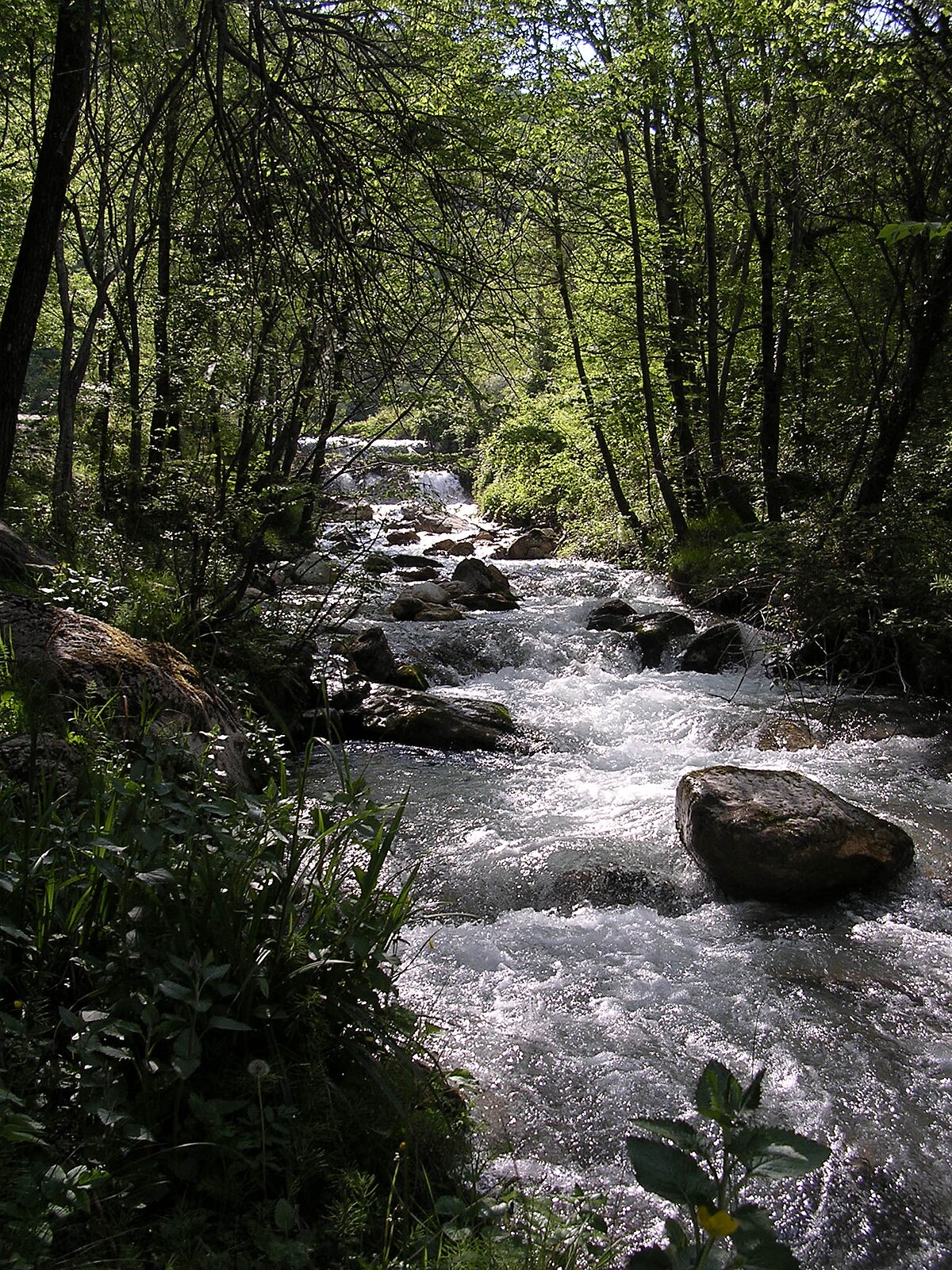
Ambro
📍 marche, Italy
The Ambro River is a picturesque waterway in the Marche region of Italy, known for its serene landscapes and ecological significance.

Ancient Ostra
📍 marche, Italy
Ancient Ostra is an archaeological site located in Marche, Italy, notable for its remnants of an ancient Roman city that offers insights into …

Ancona
📍 marche, Italy
Ancona is a historic city in the Marche region of Italy, renowned for its stunning coastal views and significant maritime heritage.

Antiquarium of Palazzone
📍 marche, Italy
The Antiquarium of Palazzone is a museum located in Perugia, Italy, renowned for its collection of artifacts that showcase the region's rich …
Archivio Diocesano e Biblioteca dell'Arcidiocesi di Pesaro
📍 marche, Italy
The Archivio Diocesano e Biblioteca dell'Arcidiocesi di Pesaro is a conservation library in Marche, Italy, renowned for its extensive collection of …
Archivio e Biblioteca della Cattedrale di S. Rufino (Duomo)
📍 marche, Italy
The Archivio e Biblioteca della Cattedrale di S. Rufino (Duomo) is a historical library and archive located in Assisi, Italy, renowned for its rich …
More Monastery
Abbazia dei SS. Pietro e Paolo
📍 lombardy, Italy
The Abbazia dei SS. Pietro e Paolo is a historic monastery located in Lombardy, Italy, known for its serene atmosphere and cultural significance.

Abbazia dell'Acquafredda
📍 lombardy, Italy
The Abbazia dell'Acquafredda is a serene monastery located in Lombardy, Italy, near Lake Como, known for its tranquil atmosphere and historical …

Abbazia di S. Benedetto
📍 sicily, Italy
The Abbazia di S. Benedetto is a historic monastery located in Militello in Val di Catania, Sicily, renowned for its architectural beauty and serene …
Abbazia di S. Giovanni
📍 lombardy, Italy
The Abbazia di S. Giovanni is a historic monastery located in Lombardy, Italy, known for its serene atmosphere and architectural simplicity.
Abbazia di San Bartolo
📍 veneto, Italy
The Abbazia di San Bartolo is a historic monastery located in Aguscello, Ferrara, Italy, known for its serene atmosphere and architectural …
abbazia di San Giovanni
📍 lombardy, Italy
The abbazia di San Giovanni is a historic monastery located in Vertemate con Minoprio, Italy, known for its tranquil ambiance and architectural …