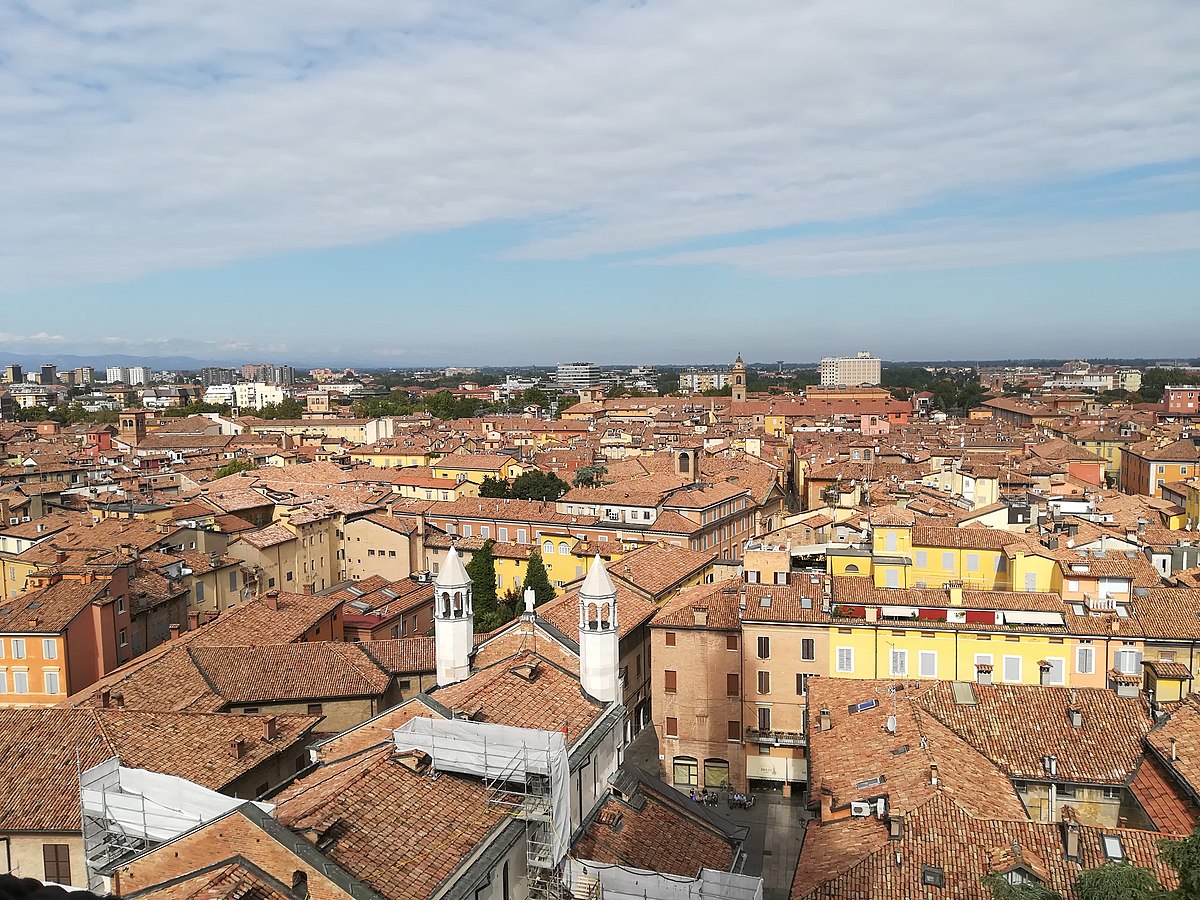


Modena
Overview
Modena, a vibrant city located in the Emilia-Romagna region of Italy, is a place where historic charm meets culinary excellence. Situated approximately 30 kilometers northwest of Bologna, this city is renowned for its rich cultural offerings and deep-rooted traditions. With its picturesque streets, impressive architecture, and a legacy that includes being the birthplace of the celebrated composer Luciano Pavarotti, Modena invites travelers to explore its unique blend of history and modernity.
The city is particularly famous for its Traditional Balsamic Vinegar of Modena, a culinary treasure that has been produced for centuries. Visitors can savor not only the flavors but also the stories and craftsmanship behind these artisanal products. Beyond its gastronomic delights, Modena is home to several UNESCO World Heritage Sites, including the stunning Cathedral of Modena, which showcases remarkable Romanesque architecture. This guide will provide you with everything you need to know to experience the best of Modena, from its historical significance to practical visiting information.
History and Significance
Modena has a storied past that stretches back to ancient times. Originally founded by the Romans as “Mutina” in 183 BC, the city was strategically positioned along vital trade routes. Over the centuries, Modena has been influenced by various cultures and political entities, including the Byzantine Empire and the Lombards, which have shaped its development.
During the Middle Ages, Modena flourished as an important center of trade and commerce. The city became a significant political entity, often being contested by powerful families and rival city-states. The Este family, who ruled Modena from the 13th to the 17th century, played a crucial role in its cultural and architectural development. Under their patronage, Modena became a hub for the arts, fostering renowned artists and musicians.
In addition to its historical landmarks, Modena is also celebrated for its contributions to cuisine, most notably the production of its traditional balsamic vinegar. This delicacy is produced through a meticulous aging process that can last for decades, showcasing the region’s commitment to quality and tradition.
Today, Modena is not only a city steeped in history but also a vibrant cultural hub. Its annual events, such as the Modena Balsamic Vinegar Festival, celebrate local traditions and draw visitors from around the world. The city’s blend of history, culture, and gastronomy makes it a significant destination in Italy, appealing to those who seek to understand the depth of Italian heritage.
Architecture and Features
Modena’s architectural landscape is a testament to its rich history and cultural evolution. The city is characterized by a mix of Romanesque, Gothic, and Renaissance styles, reflecting the various periods of its development. One of the most iconic features is the Cathedral of Modena, a UNESCO World Heritage Site. Built between the 11th and 12th centuries, it represents one of the finest examples of Romanesque architecture in Italy. The cathedral’s façade is adorned with intricate sculptures and carvings, while its bell tower, known as the Ghirlandina, offers panoramic views of the city.
Another architectural highlight is the Palazzo Ducale, the former residence of the Este family. Although much of it is not open to the public, the exterior itself is an impressive sight, featuring grand staircases and ornate decorations. The nearby Piazza Grande serves as a central gathering place, surrounded by historic buildings, shops, and cafes, making it an ideal spot to experience the local atmosphere.
Modena’s streets are lined with charming porticoes, which provide shade and shelter, enhancing the pedestrian experience throughout the city. These arcades are not only functional but also contribute to the aesthetic appeal of Modena, inviting visitors to stroll leisurely while enjoying the vibrant local culture.
Visiting Information
Getting to Modena is relatively straightforward, with several options available. The city is accessible via train from major cities like Bologna and Florence, making it an easy day trip or stopover. The Modena train station is conveniently located, allowing for easy exploration of the city on foot.
When planning your visit, it’s essential to check the official website for current information regarding opening hours and ticket prices for specific attractions. Many of the city’s historical sites, including the Cathedral and Palazzo Ducale, often have free entry or minimal fees.
Typically, a visit to Modena can be enjoyed in one to two days, allowing ample time to explore its key sights, indulge in local cuisine, and perhaps take a guided tour to learn more about its history. The best times to visit are during the spring and fall, when the weather is mild, and numerous events take place.
Expect to encounter a blend of outdoor and indoor attractions, with opportunities for both leisurely exploration and cultural immersion. Be prepared to enjoy local delicacies, particularly the famous balsamic vinegar, which can be sampled at various shops and markets throughout the city.
Nearby Attractions
Bologna: Just a short train ride away, Bologna offers its own rich history, vibrant markets, and renowned cuisine, including the famous ragu sauce.
Ferrara: Known for its Renaissance architecture and UNESCO-listed Estense Castle, Ferrara is another excellent destination for day trips from Modena.
Parma: Famous for its cheese and ham, Parma features beautiful art galleries and historic churches, making it a worthy addition to your itinerary.
Sassuolo: Located just outside Modena, Sassuolo is known for its magnificent Ducal Palace and beautiful gardens, ideal for a quiet retreat.
Insider Tips
To capture the charm of Modena through photography, aim to visit the Cathedral at sunrise or sunset, when the lighting enhances the architectural details. The Ghirlandina tower also offers striking views and is a fantastic backdrop for photos.
To avoid crowds, consider visiting popular sites early in the morning or during weekdays. While weekends can be bustling, especially during festivals or major events, exploring the city in the early hours can provide a more intimate experience.
Practical Information
When visiting Modena, it’s advisable to bring comfortable walking shoes, as many of the city’s attractions are best explored on foot. A reusable water bottle can also be handy, as there are public drinking fountains throughout the city.
Seasonal considerations include enjoying local festivals in spring and fall, as well as sampling seasonal dishes in local restaurants. Summer can be warm, so light clothing is recommended, while a light jacket may be needed in the cooler months.
Frequently Asked Questions
How long should I spend visiting?
A visit of one to two days is recommended to explore the main attractions and enjoy the local cuisine.
Is photography allowed?
Photography is generally permitted at most outdoor sites and in public areas, but be respectful of signage in certain indoor locations.
Are there guided tours?
Yes, various guided tours are available, offering insights into Modena’s history, architecture, and culinary traditions.
What’s the best time to visit?
Spring and fall are ideal for pleasant weather and vibrant local events, though summer offers lively festivals.
Is it wheelchair accessible?
Many areas in Modena are accessible, but check specific attractions for detailed accessibility information.
Can I buy tickets online?
Some attractions may offer online ticket purchasing; check the official websites for details.
Are there restrooms and cafes?
Public restrooms are available in various locations, and numerous cafes and restaurants offer local culinary delights throughout the city.
What should I wear?
Comfortable, weather-appropriate clothing and shoes are recommended for exploring Modena’s streets and attractions.
Photo Gallery
Visit Information
Quick Facts
- Heritage Type
- City
- Region
- emilia-romagna
- Wikidata ID
- Q279
More in emilia-romagna

Accademia Atestina di Belle Arti
📍 emilia-romagna, Italy
Accademia Atestina di Belle Arti is a fine arts academy located in Emilia-Romagna, Italy, renowned for fostering artistic talent and creativity.
acquedotto di Castellarano
📍 emilia-romagna, Italy
The acquedotto di Castellarano is a medieval aqueduct located in Emilia-Romagna, Italy, known for its historical significance and unique architectural …
Albero d'oro
📍 emilia-romagna, Italy
The Albero d'oro is a serene park located in Emilia-Romagna, Italy, known for its lush landscapes and tranquil environment, perfect for relaxation and …

Ausa River
📍 emilia-romagna, Italy
Ausa River is a serene river located in San Marino, Italy, renowned for its picturesque landscapes and proximity to historical sites.

Aveto
📍 emilia-romagna, Italy
The Aveto River is a picturesque waterway in Emilia-Romagna, Italy, known for its serene landscapes and natural beauty.
Biblioteca Comunale, Sant'Arcangelo di Romagna (I-STAc)
📍 emilia-romagna, Italy
The Biblioteca Comunale in Sant'Arcangelo di Romagna, Italy, serves as a vital cultural institution, showcasing a rich collection of literature and …
More City

Agrigento
📍 sicily, Italy
Agrigento is a historic city in Sicily, Italy, renowned for its ancient ruins and the Valley of the Temples, a UNESCO World Heritage Site showcasing …

Albenga
📍 liguria, Italy
Albenga is an Italian urban comune located in the Liguria region, known for its medieval architecture and rich historical significance.

Alessandria
📍 lombardy, Italy
Alessandria is a historic city in Lombardy, Italy, known for its intriguing blend of cultural heritage and architectural features.

Ancona
📍 marche, Italy
Ancona is a historic city in the Marche region of Italy, renowned for its stunning coastal views and significant maritime heritage.

Andria
📍 apulia, Italy
Andria is a city in Apulia, Italy, known for its unique blend of historical architecture and cultural significance, particularly the stunning Castel …
Arretium
📍 tuscany, Italy
Arretium is an ancient city in Tuscany, Italy, recognized for its historical significance as a human settlement and its rich cultural heritage.