
Misa
Overview
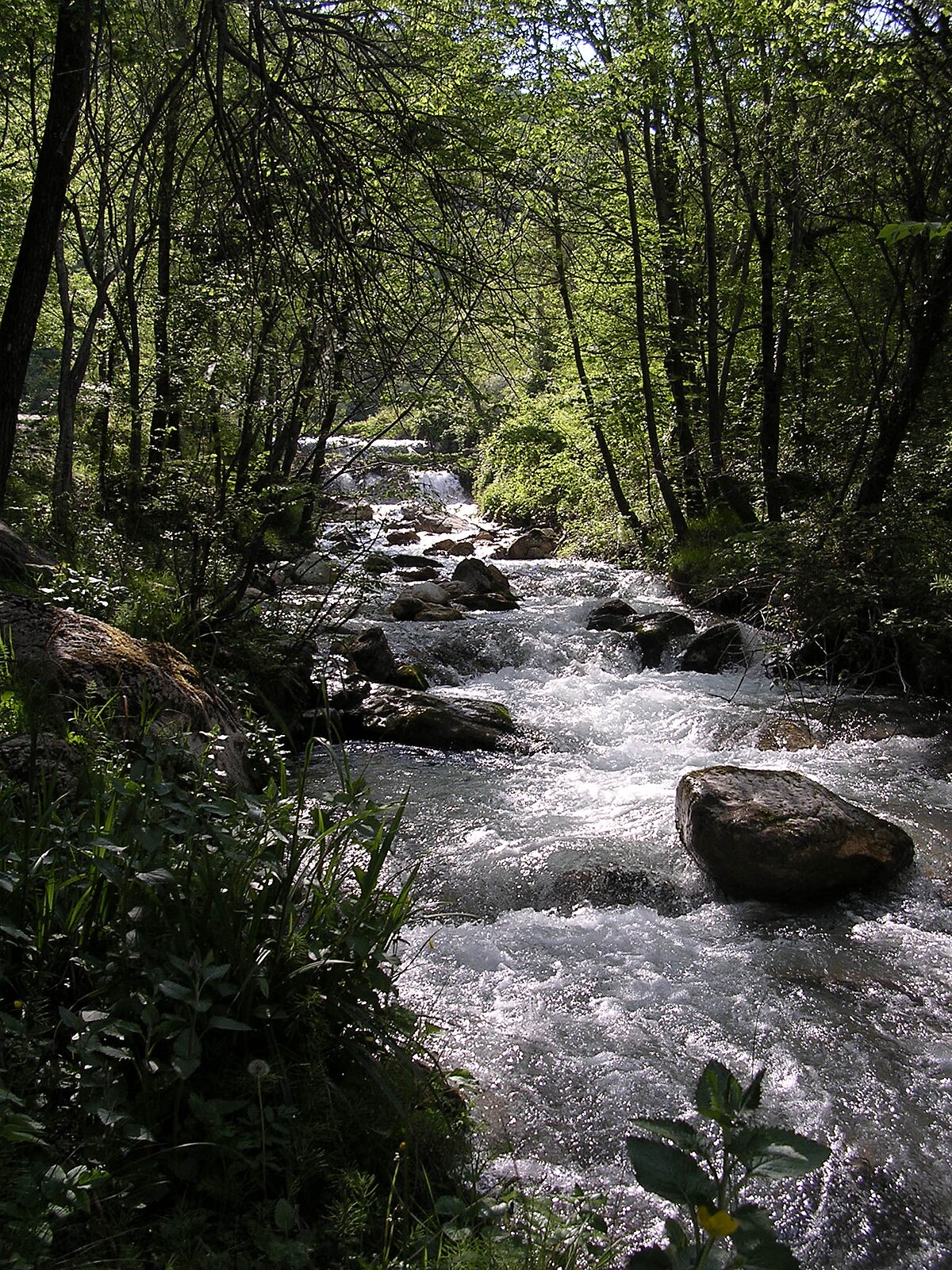
The Misa River flows through the enchanting Marche region, winding its way through charming landscapes that reflect the natural beauty of Italy’s central coast. This river, while lesser-known than some of its counterparts, plays a vital role in the ecological and cultural fabric of the area. It serves as a lifeline for the local flora and fauna, while also offering visitors a glimpse into the serene Italian countryside. The river is characterized by its gentle flow, bordered by lush vegetation and rolling hills, making it an ideal spot for nature enthusiasts and those seeking tranquility away from the bustling tourist hotspots.
Geographically, the Misa River stretches across a scenic landscape, contributing to the beauty of its surroundings and the livelihoods of local communities. The river not only supports agricultural activities but also enhances the biodiversity of the region. As you explore the river’s banks, you’ll find a variety of flora and fauna, inviting you to engage with the natural world.
Visiting the Misa River presents an opportunity to immerse yourself in the peaceful ambiance of the Marche region, where the confluence of nature and culture creates a unique experience. Whether you’re interested in leisurely walks, photography, or simply soaking in the serene atmosphere, the Misa River caters to a variety of interests, offering a refreshing perspective on Italy’s heritage.
History and Significance
The Misa River has been an integral part of the Marche region’s history and ecology. Historically, rivers like the Misa have served as crucial resources for local communities, providing water for agriculture, drinking, and transportation. While detailed historical records specific to the Misa may be limited, the river’s presence has undoubtedly influenced the settlement patterns and economic activities of the region over the centuries.
In ancient times, water bodies were often revered for their life-sustaining properties, and the Misa is no exception. It has likely played a role in local traditions and cultural practices, serving as a backdrop for community gatherings and celebrations. The river’s banks may have hosted various social activities, enhancing its significance beyond mere geography.
Ecologically, the Misa River supports rich biodiversity, providing a habitat for various species of plants and animals. The surrounding ecosystems are vital for maintaining the health of the region, serving as a natural filter for water and a space for wildlife to thrive. Conservation efforts are essential to protect the river and its surroundings, ensuring that future generations can enjoy and benefit from this natural resource.
The cultural landscape surrounding the Misa River is equally significant. Local communities often engage in traditional practices such as fishing and agriculture, which are deeply rooted in the region’s heritage. The river continues to be a source of inspiration for artists, writers, and nature lovers alike, making it a noteworthy part of Italy’s cultural identity.
Architecture and Features
The Misa River is primarily a natural feature, and as such, its architecture is defined by the surrounding landscapes rather than man-made structures. The river’s banks are lined with a variety of vegetation, including trees, shrubs, and grasses that contribute to the river’s ecological health and aesthetic appeal.
While the river itself does not feature traditional architectural elements like bridges or buildings, the area is characterized by charming rural landscapes and agricultural fields that have been cultivated for generations. The gentle curves of the river create picturesque views, especially during sunrise and sunset when the light reflects off the water’s surface.
Notable features along the Misa include its meandering paths, which create small coves and inlets that can be explored by foot or by small watercraft. The surrounding hills provide a stunning backdrop, offering opportunities for hiking and enjoying panoramic views of the countryside. Along its course, visitors may encounter quaint villages and farms that illustrate the region’s agricultural heritage.
The river’s natural environment is also home to various species of wildlife, making it a prime location for birdwatching and nature photography. As you explore the banks of the Misa, keep an eye out for local fauna, which adds to the river’s charm and ecological significance.
Visiting Information
Visiting the Misa River offers a chance to connect with nature in a tranquil setting. To reach the river, travelers can utilize various modes of transportation, including car or public transport, depending on their location in the Marche region. The river is accessible from several towns and villages along its banks, making it easy to incorporate into a broader itinerary of the area.
While specific visiting hours and entrance fees are not applicable to the river itself, it’s advisable to check the official website for any organized activities or events that may be taking place nearby. The river is best enjoyed during daylight hours, and spending a few hours exploring its banks provides ample time to appreciate the natural beauty.
The Misa River can be visited year-round, but the best times are typically in spring and early autumn when the weather is mild and the surrounding flora is vibrant. Visitors should prepare for outdoor conditions by wearing comfortable shoes suitable for walking along the riverbanks and dressing in layers to accommodate changing weather.
Expect to encounter a peaceful atmosphere, with opportunities for photography, picnicking, and leisurely walks. The natural sounds of flowing water and rustling leaves create an idyllic backdrop for relaxation. Depending on your interests, you may also wish to bring along binoculars for birdwatching or a camera to capture the stunning scenery.
Nearby Attractions
While the Misa River itself is a beautiful destination, several nearby attractions enhance the experience of visiting the area:
Corinaldo: This medieval hilltop town is famous for its well-preserved walls and narrow streets. A visit here allows you to explore historic architecture and enjoy panoramic views of the surrounding countryside.
Senigallia: Located on the Adriatic coast, this seaside town is known for its sandy beaches and vibrant promenade. It’s a great spot for those looking to combine river exploration with a day at the beach.
Frasassi Caves: A short drive from the river, these remarkable limestone caves offer guided tours through stunning underground formations, providing a different kind of natural wonder in the Marche region.
Urbino: This UNESCO World Heritage site is renowned for its Renaissance architecture and is home to the famous Palazzo Ducale. A visit to Urbino offers a deeper insight into the cultural heritage of the region.
Monte Conero: This natural park features rugged cliffs, beautiful beaches, and hiking trails with breathtaking views of the Adriatic Sea. It’s perfect for outdoor enthusiasts looking to explore more of the Marche region’s natural beauty.
Insider Tips
When visiting the Misa River, consider these insider tips to enhance your experience:
Photography: The best times for photography are early morning and late afternoon when the light is softer. Bring a tripod for stability and to capture long-exposure shots of the flowing water.
Crowd Avoidance: To enjoy a more peaceful visit, consider visiting on weekdays or during the off-peak season. Early mornings or late afternoons tend to be quieter, allowing you to fully appreciate the serenity of the river.
Wildlife Watching: Bring binoculars for birdwatching, as the area is home to various species. Quiet observation will increase your chances of spotting wildlife along the banks.
Local Tips: Engage with locals when possible. They may share hidden spots along the river or recommend the best places for picnicking.
Practical Information
When planning your visit to the Misa River, keep these practical considerations in mind:
What to Bring: Comfortable walking shoes are essential, as well as a hat and sunscreen for sun protection. A reusable water bottle is recommended to stay hydrated, especially during warmer months.
Seasonal Considerations: Spring and early autumn are ideal for visiting due to pleasant weather and vibrant natural scenery. Summer can be warm, while winter may present chilly conditions.
Safety: Always be cautious around the water’s edge, especially if exploring with children. It’s advisable to stay on established paths and respect local wildlife.
By preparing adequately and embracing the natural beauty of the Misa River, visitors can create memorable experiences in this serene part of Italy.
Frequently Asked Questions
How long should I spend visiting?
A visit to the Misa River can take anywhere from a couple of hours to a full day, depending on your interest in hiking, photography, or picnicking.
Is photography allowed?
Yes, photography is encouraged, especially in the picturesque settings along the river. Just be mindful of your surroundings and wildlife.
Are there guided tours?
While guided tours specifically for the Misa River may not be common, local tourism offices can provide information on nearby attractions and activities.
What’s the best time to visit?
The best times to visit are spring and early autumn for mild weather and vibrant landscapes. Early mornings and late afternoons are ideal for avoiding crowds.
Is it wheelchair accessible?
Accessibility can vary along the riverbanks. Some areas may be more accommodating than others, so it’s best to check local resources for specific paths.
Can I buy tickets online?
There are no entrance fees for the river itself; however, check the official website for any organized events or activities that may require tickets.
Are there restrooms and cafes?
Facilities may be limited along the river. It’s advisable to plan ahead and visit nearby towns for restrooms and dining options.
What should I wear?
Dress in comfortable clothing suitable for outdoor activities. Layers are recommended to accommodate changing weather conditions.
More in marche
Ambro
📍 marche, Italy
The Ambro River is a picturesque waterway in the Marche region of Italy, known for its serene landscapes and ecological significance.

Ancient Ostra
📍 marche, Italy
Ancient Ostra is an archaeological site located in Marche, Italy, notable for its remnants of an ancient Roman city that offers insights into …

Ancona
📍 marche, Italy
Ancona is a historic city in the Marche region of Italy, renowned for its stunning coastal views and significant maritime heritage.

Antiquarium of Palazzone
📍 marche, Italy
The Antiquarium of Palazzone is a museum located in Perugia, Italy, renowned for its collection of artifacts that showcase the region's rich …
Archivio Diocesano e Biblioteca dell'Arcidiocesi di Pesaro
📍 marche, Italy
The Archivio Diocesano e Biblioteca dell'Arcidiocesi di Pesaro is a conservation library in Marche, Italy, renowned for its extensive collection of …
Archivio e Biblioteca della Cattedrale di S. Rufino (Duomo)
📍 marche, Italy
The Archivio e Biblioteca della Cattedrale di S. Rufino (Duomo) is a historical library and archive located in Assisi, Italy, renowned for its rich …
More River

Adige
📍 trentino-alto-adige, Italy
The Adige is a prominent river in northern Italy's Trentino-Alto Adige region, celebrated for its stunning landscapes and cultural significance.

Adigetto
📍 veneto, Italy
Adigetto is a serene river located in the Veneto region of Italy, known for its tranquil waters and natural beauty, offering a peaceful retreat for …
Afra
📍 tuscany, Italy
The Afra is a river in Tuscany, Italy, recognized for its tranquil waters and scenic surroundings that embody the natural beauty of the Italian …
Agamo
📍 lombardy, Italy
The Agamo is a river in Lombardy, Italy, known for its serene waters and the scenic landscapes it traverses, offering a tranquil escape into nature.
Agna
📍 tuscany, Italy
The Agna River is a serene waterway in Tuscany, Italy, known for its picturesque surroundings and the tranquil landscapes it traverses.

Agno
📍 veneto, Italy
The Agno River is a picturesque waterway in Veneto, Italy, recognized for its serene landscape and cultural significance in the region.