

Milan
Overview
Milan, the capital of Lombardy, stands as one of Italy’s most important cultural and economic centers. Located in northern Italy, this bustling metropolis is not only a hub for fashion and design but also a city steeped in history and art. With its blend of contemporary innovation and historic charm, Milan captivates millions of visitors each year. The city offers a unique experience where modernity meets tradition, with stunning architecture, world-renowned museums, and a thriving culinary scene.
Milan’s significance extends beyond its status as a fashion capital; it also plays a crucial role in Italy’s economy, contributing to finance, commerce, and industry. Visitors can explore its famous landmarks, including the iconic Duomo di Milano and the historic Sforza Castle, which reflect the city’s artistic legacy. Whether you are an art enthusiast, a fashion lover, or a history buff, Milan promises a wealth of experiences that cater to diverse interests.
History and Significance
The history of Milan is a tapestry woven with influences from various cultures and epochs, shaping it into the thriving metropolis it is today. Originally founded by the Celts in the 6th century BC, Milan became a Roman colony in 222 BC, known as “Mediolanum.” During the Roman era, it served as a significant administrative and commercial center. The city witnessed considerable growth and prosperity, particularly during the Middle Ages when it emerged as a powerful commune.
In the 15th century, Milan became the seat of the Sforza family, who transformed the city into a hub of Renaissance art and culture. This period saw the commissioning of masterpieces by renowned artists like Leonardo da Vinci and Bramante. The Last Supper, painted by Da Vinci, remains one of Milan’s most celebrated artistic treasures, located in the refectory of the Convent of Santa Maria delle Grazie.
Milan experienced tumultuous times during the 19th and 20th centuries, including its annexation to the Kingdom of Italy in 1859 and significant destruction during World War II. However, the city has undergone extensive reconstruction and revitalization since the war, reclaiming its status as a cultural leader in Europe. Today, Milan is not only known for its historic sites but also for its role as a global capital of fashion and design, hosting events like Milan Fashion Week and the Salone del Mobile.
Architecture and Features
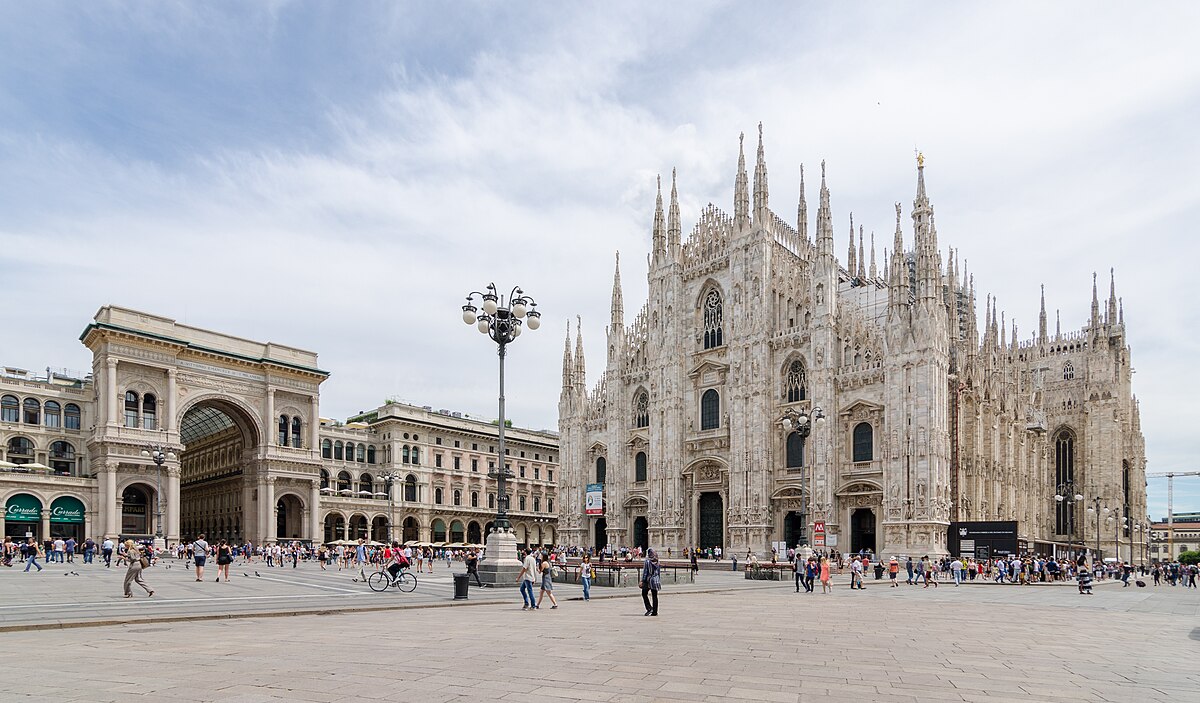
Milan’s architectural landscape is a fascinating blend of historical and modern elements. The Duomo di Milano, a Gothic cathedral that took nearly six centuries to complete, is perhaps the city’s most iconic structure. Its intricate façade, adorned with spires and statues, draws visitors from around the world. The cathedral’s rooftop offers a panoramic view of the city and is a must-see for anyone visiting Milan.
Another remarkable feature is the Galleria Vittorio Emanuele II, an elegant shopping arcade that connects the Duomo to La Scala opera house. This glass-roofed gallery is lined with luxury boutiques and cafés, embodying Milan’s reputation as a fashion capital. The intricate mosaics and architectural details within the gallery reflect the city’s artistic heritage.
The Sforza Castle, a fortress dating back to the 15th century, showcases Milan’s historical significance. Once home to the ruling Sforza family, the castle now houses several museums and art collections, including works by Michelangelo. Its sprawling grounds offer a peaceful retreat from the urban hustle, with beautiful gardens and sculptures.
Modern architecture also plays a vital role in Milan’s identity, with buildings like the UniCredit Tower and the Vertical Forest exemplifying contemporary design. The juxtaposition of these modern structures against historical landmarks creates a unique urban landscape that captivates both locals and visitors.
Visiting Information
Milan is well-connected by an extensive public transport system, including buses, trams, and metro lines. The city’s main airport, Malpensa, is approximately 50 kilometers from the city center and serves both domestic and international flights. Visitors can easily navigate the city using the metro, which offers convenient access to major attractions.
To fully appreciate Milan’s offerings, it is recommended to allocate at least three to four days for exploration. This allows time to visit key landmarks, delve into the local cuisine, and enjoy shopping in the city’s fashionable districts.
Before planning a visit, it’s essential to check the official websites for hours and ticket prices, as these can vary seasonally. Expect to encounter crowds at popular sites, especially during weekends and holidays. Early mornings or late afternoons are often the best times to visit major attractions to avoid the busiest periods.
Nearby Attractions
Milan’s strategic location makes it an excellent base for exploring other notable attractions in Lombardy. Nearby sites include:
- Lake Como: A picturesque lake known for its stunning scenery, charming towns, and luxurious villas, located about an hour from Milan by train.
- Bergamo: A historic city offering a beautiful medieval old town (Città Alta) and a vibrant cultural scene, just a short train ride from Milan.
- Monza: Home to the famous Autodromo Nazionale Monza, this city features a grand royal villa and expansive parkland, perfect for a day trip.
- Pavia: Known for its university and historical landmarks, including the Certosa di Pavia, an impressive monastery just south of Milan.
- Vigevano: Famous for its Renaissance square and the impressive Castello Sforzesco, it is a delightful destination for history enthusiasts.
Insider Tips
To capture the essence of Milan through photography, consider visiting the Duomo early in the morning to avoid crowds and enjoy the soft morning light. The rooftop offers incredible photo opportunities, so don’t miss it.
For those looking to experience Milan like a local, venture into the Brera district, known for its art galleries and quaint streets. Additionally, try to dine at local trattorias where you can savor authentic Milanese dishes, away from the tourist traps.
If you’re visiting during peak tourist seasons, such as summer or around major fashion events, plan your itinerary carefully to avoid the heaviest crowds at key attractions.
Practical Information
When visiting Milan, pack comfortable walking shoes, as the city is best explored on foot. A light jacket or sweater is advisable, especially during the cooler months when temperatures can drop in the evening.
Seasonal considerations include Milan’s hot summers, where temperatures can soar, and rainy winters. Spring and fall are generally pleasant times to visit, with mild temperatures and fewer tourists.
Be prepared for a diverse culinary scene; don’t miss trying local specialties like risotto alla Milanese and panettone. Many restaurants offer outdoor seating, allowing for an enjoyable dining experience amidst the city’s vibrant atmosphere.
Frequently Asked Questions
How long should I spend visiting?
To fully enjoy Milan’s key attractions and experience its vibrant culture, plan for at least three to four days.
Is photography allowed?
Photography is generally allowed in public spaces and many attractions, but always check for specific rules at each site.
Are there guided tours?
Yes, guided tours are available for various attractions, providing insights into Milan’s rich history and culture.
What’s the best time to visit?
The best times to visit Milan are during the spring (April to June) and fall (September to October) when the weather is mild and crowds are manageable.
Is it wheelchair accessible?
Many of Milan’s attractions are wheelchair accessible, but it is advisable to check specific locations for details on accessibility.
Can I buy tickets online?
Yes, many attractions offer the option to purchase tickets online, which is often recommended to avoid long queues.
Are there restrooms and cafes?
Public restrooms can be found in many attractions and public spaces. Cafés and restaurants are plentiful throughout the city.
What should I wear?
Dress comfortably and consider the local fashion trends, especially if you plan to visit high-end shopping areas.
Photo Gallery
Visit Information
Quick Facts
- Heritage Type
- City
- Region
- lombardy
- Wikidata ID
- Q490
More in lombardy
Abbazia dei SS. Pietro e Paolo
📍 lombardy, Italy
The Abbazia dei SS. Pietro e Paolo is a historic monastery located in Lombardy, Italy, known for its serene atmosphere and cultural significance.

Abbazia dell'Acquafredda
📍 lombardy, Italy
The Abbazia dell'Acquafredda is a serene monastery located in Lombardy, Italy, near Lake Como, known for its tranquil atmosphere and historical …
Abbazia di S. Giovanni
📍 lombardy, Italy
The Abbazia di S. Giovanni is a historic monastery located in Lombardy, Italy, known for its serene atmosphere and architectural simplicity.
abbazia di San Giovanni
📍 lombardy, Italy
The abbazia di San Giovanni is a historic monastery located in Vertemate con Minoprio, Italy, known for its tranquil ambiance and architectural …

Abbazia di San Nicola (Rodengo Saiano)
📍 lombardy, Italy
The Abbazia di San Nicola is a historic monastery located in Rodengo Saiano, Italy, renowned for its architectural beauty and tranquil ambiance.
Abbey of Cavatigozzi
📍 lombardy, Italy
The Abbey of Cavatigozzi is a historic monastery located in Lombardy, Italy, renowned for its serene ambiance and architectural beauty.
More City

Agrigento
📍 sicily, Italy
Agrigento is a historic city in Sicily, Italy, renowned for its ancient ruins and the Valley of the Temples, a UNESCO World Heritage Site showcasing …

Albenga
📍 liguria, Italy
Albenga is an Italian urban comune located in the Liguria region, known for its medieval architecture and rich historical significance.

Alessandria
📍 lombardy, Italy
Alessandria is a historic city in Lombardy, Italy, known for its intriguing blend of cultural heritage and architectural features.

Ancona
📍 marche, Italy
Ancona is a historic city in the Marche region of Italy, renowned for its stunning coastal views and significant maritime heritage.

Andria
📍 apulia, Italy
Andria is a city in Apulia, Italy, known for its unique blend of historical architecture and cultural significance, particularly the stunning Castel …
Arretium
📍 tuscany, Italy
Arretium is an ancient city in Tuscany, Italy, recognized for its historical significance as a human settlement and its rich cultural heritage.