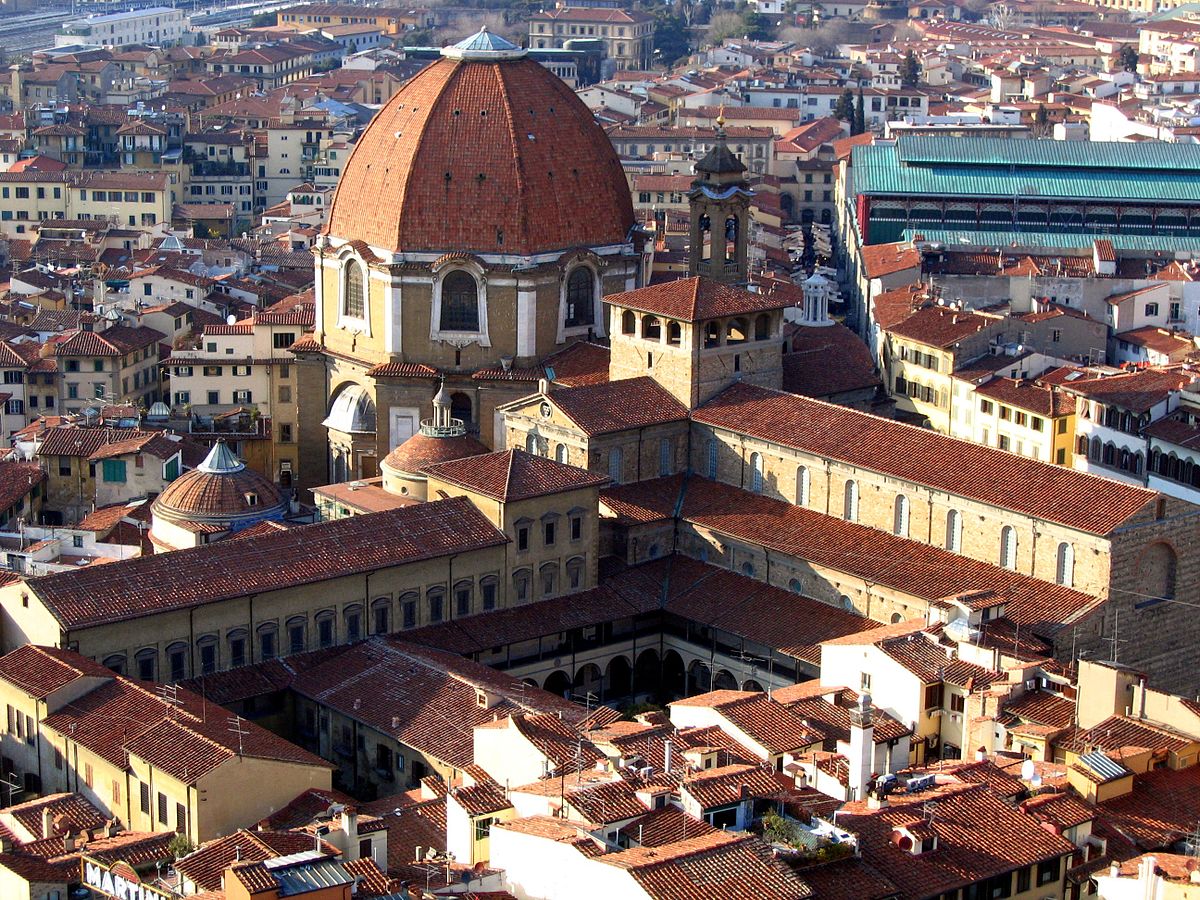


Medici Chapels
Overview
The Medici Chapels, situated within the Basilica of San Lorenzo, are a significant highlight in Florence, Italy. This museum complex serves as the final resting place for some of the most powerful members of the Medici dynasty, a family that played a crucial role in the political and cultural landscape of Renaissance Florence. The chapels themselves are a testament to the artistic and architectural achievements of the era, featuring works by acclaimed artists such as Michelangelo. Visitors are drawn not only by the historical significance of the site but also by the breathtaking artistry that adorns its interiors.
The location of the Medici Chapels is central to Florence’s rich heritage, making it an ideal stop for those exploring the city’s multitude of artistic and historical sites. The intricate designs and opulent decorations reflect the power and influence of the Medici family, offering a glimpse into the grandeur of Renaissance life. As a major cultural hub, the chapels promise an immersive experience into the world of one of history’s most famous families.
History and Significance
The Medici Chapels are deeply intertwined with the history of the Medici family, whose prominence in Florence began in the 14th century. The family’s influence grew through banking, politics, and patronage of the arts, culminating in their role as de facto rulers of Florence. The chapels were constructed to serve not only as a mausoleum for the Medici but also as a symbol of their power and legacy.
The New Sacristy, designed by Michelangelo in the early 16th century, is perhaps the most significant architectural feature of the chapels. It houses the tombs of prominent Medici figures, including Lorenzo de’ Medici, known as Lorenzo the Magnificent, and his brother Giuliano. Michelangelo’s sculptures, including the striking figures of Night and Day, represent the artistic zenith of the Renaissance and serve as poignant memorials to the Medici legacy.
In addition to the New Sacristy, the Chapel of the Princes is another notable feature, characterized by its grandiose design and the use of precious materials such as marble and semi-precious stones. The chapel was built in the 17th century and is a remarkable example of Baroque architecture, showcasing the Medici’s continued prominence even after their political power waned.
Overall, the Medici Chapels stand as a significant reminder of the family’s vast influence in Florence and their contributions to the arts, making it a must-visit site for those interested in Renaissance history.
Architecture and Features
The architecture of the Medici Chapels exemplifies the transition between Renaissance and Baroque styles, showcasing an array of artistic techniques and materials. The New Sacristy, designed by Michelangelo, is characterized by its harmonious proportions and innovative use of space. The interplay of light and shadow within the chapel highlights the sculptural elements, creating an atmosphere of reverence and grandeur.
Inside the New Sacristy, visitors can admire Michelangelo’s masterful sculptures. The figures of Night and Day, along with Dawn and Dusk, are not only remarkable for their artistry but also for the emotional depth they convey, symbolizing the passage of time and the inevitability of death. These sculptures are strategically placed to enhance the viewer’s experience, drawing attention to the tombs they adorn.
The Chapel of the Princes, with its lavishly decorated interior, features a stunning coffered ceiling and intricate marble inlays. The use of semi-precious stones such as lapis lazuli and agate adds to the chapel’s opulence, reflecting the Medici’s wealth and taste. The grandeur of this chapel serves as a visual representation of the family’s enduring legacy and their role as patrons of the arts.
Overall, the architecture and features of the Medici Chapels are a masterclass in Renaissance artistry and provide a profound connection to the historical significance of the Medici family.
Visiting Information
When planning a visit to the Medici Chapels, it’s essential to consider transportation options. The chapels are centrally located in Florence, making them easily accessible by foot from many of the city’s major attractions. Public transportation, including buses and trams, also serves the area, providing convenient access for those traveling from further afield.
Check the official website for current information regarding hours and ticket prices, as these can vary seasonally. A typical visit may take around one to two hours, allowing ample time to explore the chapels and absorb their historical significance. The best times to visit are during the early morning or late afternoon, when crowds are generally lighter, offering a more serene experience.
While visiting, guests can expect to be captivated by the intricate details of the chapels’ architecture and the profound artistry of the sculptures. Audio guides and informational plaques are available to enhance the visitor experience, providing context and insights into the rich history of the Medici family and their contributions to Florence.
Nearby Attractions
The Medici Chapels are conveniently located near several other notable attractions in Florence, making it an ideal starting point for exploring the city’s rich heritage:
Basilica of San Lorenzo – Adjacent to the chapels, this church is one of Florence’s oldest and serves as the parish church of the Medici.
Piazza della Signoria – A short walk away, this historic square is home to the Palazzo Vecchio and the Uffizi Gallery, showcasing significant artworks.
Accademia Gallery – Just a 15-minute stroll from the chapels, this museum is famous for housing Michelangelo’s David, a must-see for art lovers.
Mercato Centrale – Located nearby, this vibrant market offers a taste of local cuisine and artisanal products, perfect for a lunch break after touring.
Ponte Vecchio – A bit further, this iconic bridge lined with shops is an essential part of any Florence itinerary.
Insider Tips
To make the most of your visit to the Medici Chapels, consider the following insider tips:
Photography: While photography is allowed in many areas, be respectful of the environment and other visitors. Focus on capturing the architectural details and sculptures without using flash, which can be disruptive.
Crowd Avoidance: To avoid large crowds, aim for early morning visits, particularly on weekdays. The later hours can also be quieter, especially during off-peak seasons.
Guided Tours: Consider taking a guided tour for a more in-depth understanding of the chapels’ history and significance. Many tours also include other nearby attractions.
Practical Information
When preparing for your visit to the Medici Chapels, keep the following practical considerations in mind:
What to Bring: Comfortable walking shoes are recommended, as you may be exploring the surrounding areas. A water bottle is also advisable, especially during warmer months.
Seasonal Considerations: Florence can be quite hot in the summer, so dress in light clothing and stay hydrated. Conversely, winter can be chilly, so layers are advisable.
Accessibility: The chapels may have some accessibility challenges due to the historic nature of the buildings. Contact the venue in advance for specific information regarding accessibility options.
Frequently Asked Questions
How long should I spend visiting?
A visit typically lasts between one to two hours, allowing time to explore both chapels and appreciate the artwork.
Is photography allowed?
Photography is permitted in many areas, but be sure to avoid using flash to respect the environment and other visitors.
Are there guided tours?
Yes, guided tours are available and can provide a more enriching experience with detailed historical context.
What’s the best time to visit?
Early mornings or late afternoons are ideal for avoiding large crowds, especially during peak tourist seasons.
Is it wheelchair accessible?
Accessibility may be limited due to the historic architecture. Check the official website for specifics on accessibility options.
Can I buy tickets online?
Yes, tickets can typically be purchased online. Check the official website for current information regarding ticket sales.
Are there restrooms and cafes?
Restroom facilities are available on-site, but dining options may be limited. Consider exploring nearby cafes for refreshments.
What should I wear?
Dress comfortably, and consider the weather when planning your attire. Layering is advisable in cooler months, while lightweight clothing is best for summer.
With its historical significance, architectural beauty, and cultural richness, the Medici Chapels invite visitors to explore the legacy of one of the most influential families in European history.
Photo Gallery
Visit Information
Quick Facts
- Heritage Type
- Museum
- Region
- tuscany
- Wikidata ID
- Q1357573
More in tuscany

Abbazia di San Gaudenzio
📍 tuscany, Italy
The Abbazia di San Gaudenzio is a historic abbey located in San Gaudenzio, Tuscany, Italy, notable for its architectural elegance and spiritual …

Abbey of St Maria del Monte
📍 tuscany, Italy
The Abbey of St Maria del Monte is a historic church building located in Cesena, Italy, celebrated for its architectural beauty and serene ambiance.
Abiogen Pharma
📍 tuscany, Italy
Abiogen Pharma is an educational institution located in Pisa, Italy, recognized for its contributions to pharmaceutical education and research.

Academia de la Crusca library
📍 tuscany, Italy
The Academia de la Crusca library is a historic library located in Tuscany, Italy, renowned for its dedication to the Italian language and its …

Acquedotto leopoldino
📍 tuscany, Italy
The Acquedotto Leopoldino is an impressive aqueduct system located in Livorno, Tuscany, Italy, recognized for its historical significance and …

Acquedotto Lorenese
📍 tuscany, Italy
The Acquedotto Lorenese is a historic aqueduct located in Campiglia Marittima, Tuscany, Italy, known for its 19th-century architecture and engineering …
More Museum

Aghinolfi Castle
📍 tuscany, Italy
Aghinolfi Castle is a historic museum located in Montignoso, Tuscany, Italy, renowned for its medieval architecture and rich cultural heritage.
Alessi Museum
📍 sicily, Italy
The Alessi Museum is a captivating museum located in Sicily, Italy, renowned for its unique collection of decorative arts and design pieces.
Anatomical Museum "Eugenio Morelli"
📍 lazio, Italy
The Anatomical Museum "Eugenio Morelli" is a museum in Lazio, Italy, renowned for its fascinating collection of anatomical specimens and educational …

Antiquarium of Palazzone
📍 marche, Italy
The Antiquarium of Palazzone is a museum located in Perugia, Italy, renowned for its collection of artifacts that showcase the region's rich …
Aquarium of Alghero
📍 sardinia, Italy
The Aquarium of Alghero is a fascinating museum in Sardinia, Italy, known for its diverse marine life exhibits and educational experiences.

Ara Pacis
📍 lazio, Italy
The Ara Pacis is an ancient Roman monument located in Rome, Italy, renowned for its intricate relief sculptures and its role in celebrating peace and …