Mausoleum of Lucius Pomponius Grecinus
Overview
The Mausoleum of Lucius Pomponius Grecinus is a significant archaeological site that encapsulates the grandeur of Roman funerary architecture. Located in the picturesque region of Marche, Italy, this tomb serves as a poignant reminder of the customs surrounding death and memorialization in ancient Rome. Although less known compared to other monumental sites, it plays a crucial role in understanding the sociocultural dynamics of Roman society, especially in how they honored influential figures.
The site is believed to be the burial place of Lucius Pomponius Grecinus, a figure of notable importance during his time. His mausoleum is an excellent representation of the architectural practices of the era, showcasing the artistry and engineering skills developed by the Romans. As you approach this historical landmark, you are met with a sense of reverence for the past, making it a compelling destination for those interested in ancient history and archaeology.
History and Significance
The Mausoleum of Lucius Pomponius Grecinus stands as a testament to the Roman tradition of monumental tomb construction, reflecting both personal and public expressions of grief and remembrance. While specific historical dates surrounding Grecinus’s life remain elusive, the tomb itself is indicative of the period’s burial practices, particularly for those of high social standing.
Ancient Roman society placed immense value on legacy and memory, often manifested in elaborate tombs that served not only as final resting places but also as statements of wealth, power, and cultural identity. The mausoleum is believed to have been constructed to honor Grecinus, who played a pivotal role in Roman politics and military affairs. His memory was preserved through this monumental structure, illustrating the importance of commemorating influential figures in Roman culture.
The mausoleum may also provide insights into the artistic and architectural advancements of the time. Roman tombs often featured intricate designs, reflecting the transition from simple burial methods to more elaborate constructions. The influence of Hellenistic styles can be seen in the design elements, indicating cultural exchanges between the Romans and the Greeks. This blending of styles not only enriches the architectural narrative of the mausoleum but also underscores the interactions that shaped ancient civilizations.
Architecture and Features
The architectural design of the Mausoleum of Lucius Pomponius Grecinus is a fascinating study of Roman funerary art. While specific measurements and detailed architectural plans are not readily available, the structure is characterized by its robust construction and classical elements.
Typically, Roman mausoleums featured a cylindrical or rectangular base topped with a domed structure or a decorative roof. The use of local stone in the construction reflects both the availability of materials and the craftsmanship of the builders at the time. The exterior walls may have been adorned with carvings or reliefs, depicting scenes from Grecinus’s life or symbolic motifs related to death and the afterlife.
Inside, the mausoleum would likely have contained a sarcophagus, where the remains of Grecinus were interred. Such sarcophagi were often elaborately decorated, showcasing intricate sculptures that told stories of the deceased’s achievements or beliefs. The interior space would have been designed to accommodate offerings and memorial rituals, further emphasizing the tomb’s role in the cultural practices surrounding death.
Additionally, the mausoleum’s location within the landscape may have been intentionally chosen to reflect its significance. Positioned in a manner that commands attention, it serves as a reminder of the enduring legacy of those buried within its confines.
Visiting Information
Visiting the Mausoleum of Lucius Pomponius Grecinus offers a unique opportunity to delve into the depths of Roman history and experience the architectural marvels of the era. The site is accessible by various modes of transport, including personal vehicles and public transportation options available in the region.
To ensure a fulfilling visit, check the official website for hours and prices, as these can vary seasonally. Typically, visitors should allocate at least an hour to fully explore the site and absorb its historical significance. The best times to visit are during the spring and fall months when the weather is pleasant, and the tourist crowds are generally smaller.
Upon arrival, you can expect a serene atmosphere that encourages reflection and appreciation for the ancient world. The site is usually not crowded, allowing for a more intimate experience with the mausoleum and its surroundings.
Nearby Attractions
After visiting the Mausoleum of Lucius Pomponius Grecinus, consider exploring these nearby attractions for a fuller experience of Marche’s rich heritage:
The Roman Theatre of Fano: This ancient theatre, dating back to the Roman period, offers a glimpse into the cultural life of the time, showcasing impressive ruins and a vibrant history.
Arch of Augustus: Located in the nearby town of Fano, this arch is an extraordinary example of Roman architecture, commemorating the victory of Augustus over the local tribes.
The Fortress of Gradara: A well-preserved medieval fortress that provides stunning views of the surrounding countryside and a fascinating insight into the region’s medieval history.
The Conero Regional Park: A natural park that offers beautiful landscapes, hiking trails, and stunning coastal views, perfect for those looking to explore the natural beauty of Marche.
Urbino: A UNESCO World Heritage site known for its Renaissance architecture and the Palazzo Ducale, offering a rich blend of art, history, and culture.
Insider Tips
For a rewarding visit to the Mausoleum of Lucius Pomponius Grecinus, consider these insider tips:
Photography: Capture the architectural details of the mausoleum, but be respectful of the site’s historical significance. Early mornings or late afternoons provide softer lighting for photography.
Crowd Avoidance: Visit during weekdays or off-peak hours to enjoy a quieter experience. The site is less crowded early in the morning or later in the afternoon.
Practical Information
When planning your visit to the Mausoleum of Lucius Pomponius Grecinus, keep these practical considerations in mind:
What to Bring: Comfortable walking shoes are recommended, as the terrain may vary. Bring a water bottle, a hat for sun protection, and a camera for capturing the site.
Seasonal Considerations: The region experiences a Mediterranean climate, with hot summers and mild winters. Spring and fall are ideal for comfortable exploration, while summer can be quite warm.
Frequently Asked Questions
How long should I spend visiting?
A visit typically lasts about an hour, allowing enough time to explore the mausoleum and appreciate its historical context.
Is photography allowed?
Yes, photography is generally permitted, but be mindful of the site’s reverence and avoid using flash.
Are there guided tours?
Check the official website for information on guided tours, as they may be available on specific days or during peak tourist seasons.
What’s the best time to visit?
Spring and fall are ideal for visiting, offering mild weather and fewer crowds.
Is it wheelchair accessible?
Accessibility information may vary; check the official website for current details regarding wheelchair access.
Can I buy tickets online?
Check the official website for ticket purchasing options, as online sales may be available.
Are there restrooms and cafes?
Facilities such as restrooms and cafes may not be available directly at the site, so plan accordingly.
What should I wear?
Dress comfortably and appropriately for a historical site. Light layers are advisable, especially during warmer months.
Location
More in marche
Ambro
📍 marche, Italy
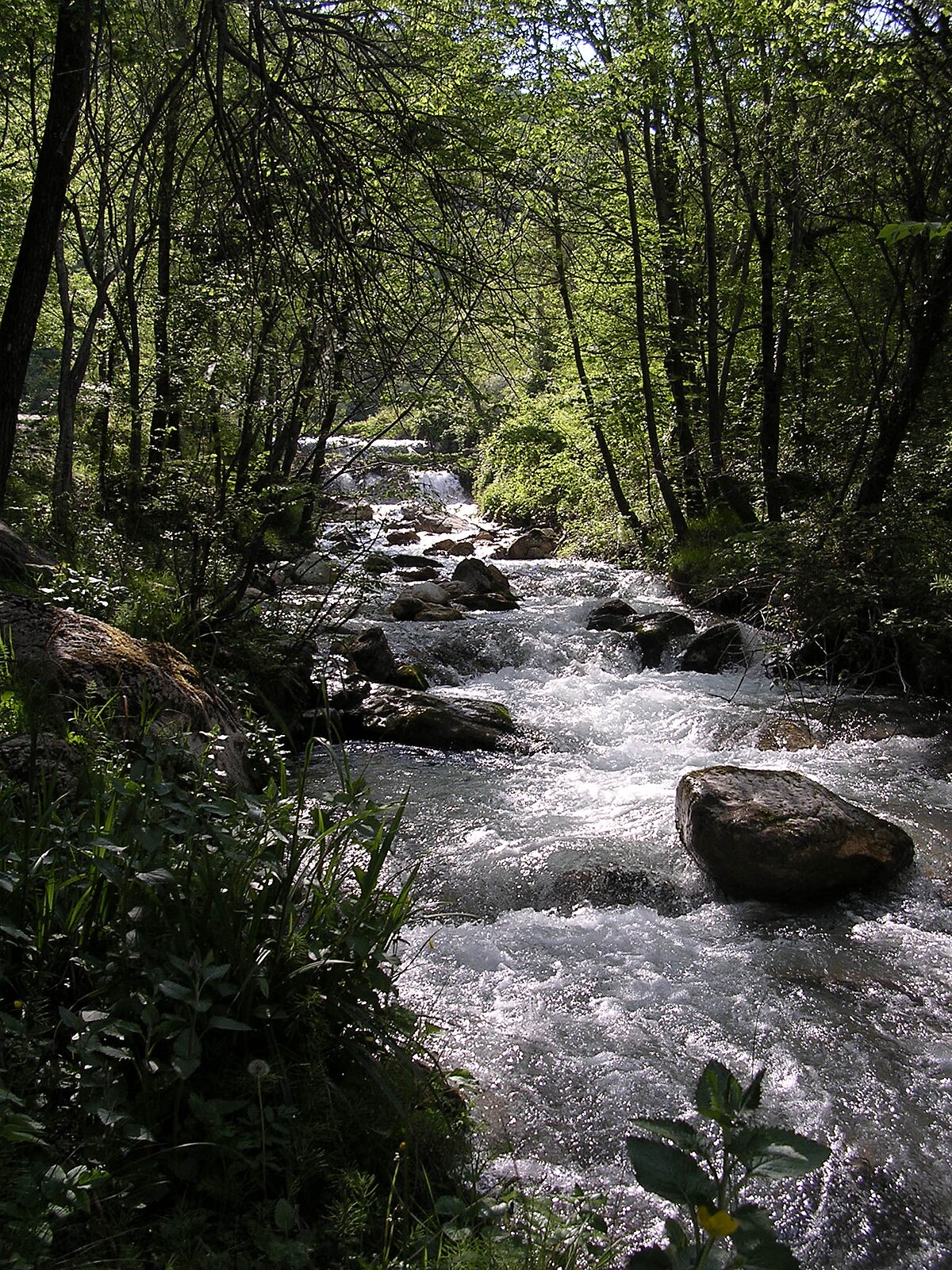
The Ambro River is a picturesque waterway in the Marche region of Italy, known for its serene landscapes and ecological significance.

Ancient Ostra
📍 marche, Italy
Ancient Ostra is an archaeological site located in Marche, Italy, notable for its remnants of an ancient Roman city that offers insights into …

Ancona
📍 marche, Italy
Ancona is a historic city in the Marche region of Italy, renowned for its stunning coastal views and significant maritime heritage.

Antiquarium of Palazzone
📍 marche, Italy
The Antiquarium of Palazzone is a museum located in Perugia, Italy, renowned for its collection of artifacts that showcase the region's rich …
Archivio Diocesano e Biblioteca dell'Arcidiocesi di Pesaro
📍 marche, Italy
The Archivio Diocesano e Biblioteca dell'Arcidiocesi di Pesaro is a conservation library in Marche, Italy, renowned for its extensive collection of …
Archivio e Biblioteca della Cattedrale di S. Rufino (Duomo)
📍 marche, Italy
The Archivio e Biblioteca della Cattedrale di S. Rufino (Duomo) is a historical library and archive located in Assisi, Italy, renowned for its rich …
More Tomb

Aedicula tomb of Publius Vesonius Phileros
📍 campania, Italy
The Aedicula tomb of Publius Vesonius Phileros is a Roman tomb located in Pompeii, Italy, renowned for its intricate frescoes and significance in …
Allée couverte Brancatzu
📍 sardinia, Italy
The Allée couverte Brancatzu is a prehistoric tomb located in Sardinia, Italy, known for its ancient burial practices and intriguing megalithic …

Andreani arks
📍 lombardy, Italy
The Andreani arks are a collection of significant tomb monuments belonging to the Andreani family, located in Dervio, Lombardy, Italy, known for their …

Bassorilievo ai militari caduti nei lager nazisti
📍 piedmont, Italy
The Bassorilievo ai militari caduti nei lager nazisti is a poignant tomb located in the Monumental Cemetery of Staglieno in Piedmont, Italy, …

Bassorilievo ai morti nei campi nazisti
📍 piedmont, Italy
The Bassorilievo ai morti nei campi nazisti is a poignant tomb located in the Monumental Cemetery of Staglieno in Piedmont, Italy, recognized for its …

Berretta del prete
📍 lazio, Italy
The Berretta del prete is a Roman mausoleum located at the ninth mile of the ancient Via Appia in Lazio, Italy, known for its historical significance …