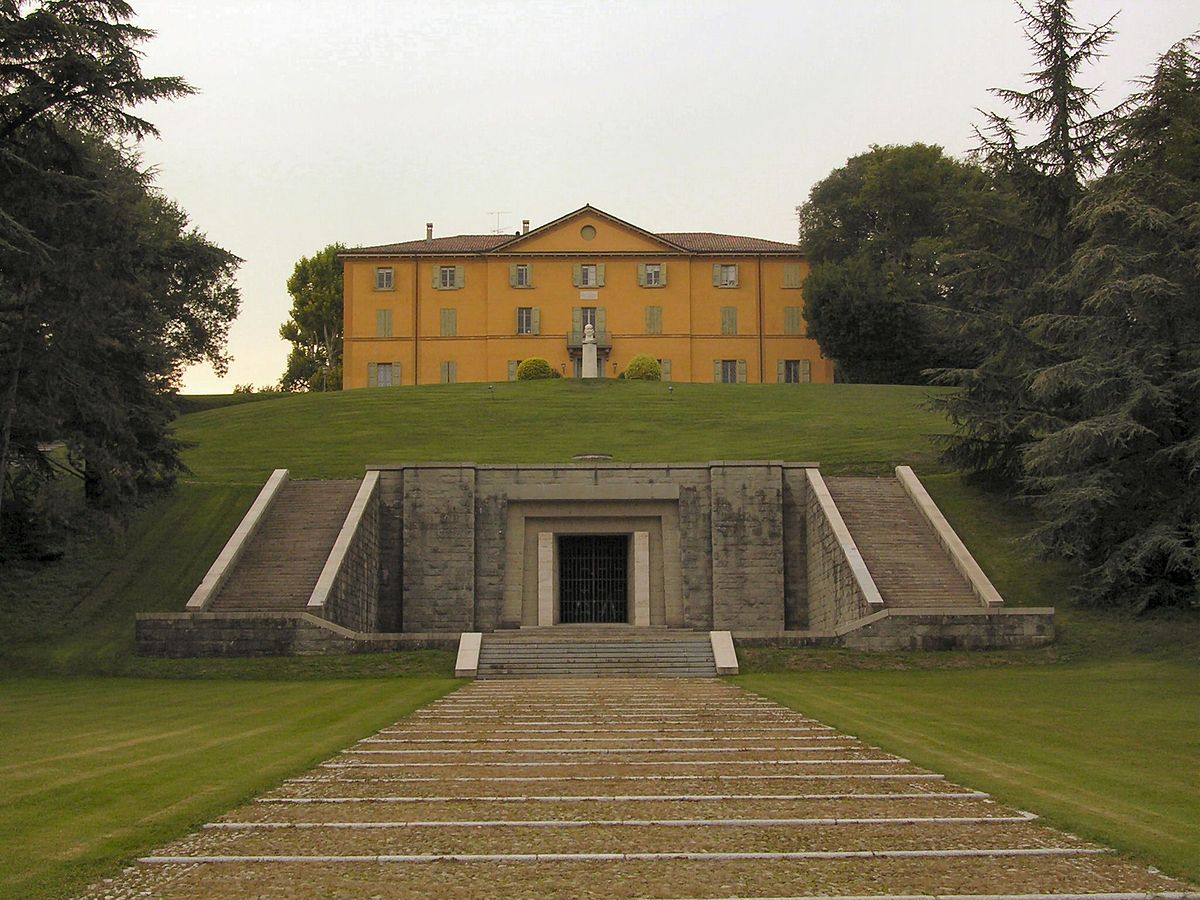
Marconi Museum
Overview
The Marconi Museum offers a unique glimpse into the life and groundbreaking work of Guglielmo Marconi, the Italian inventor who revolutionized communication through wireless technology. Situated in the charming town of Sasso Marconi, the museum celebrates Marconi’s legacy, showcasing artifacts, documents, and exhibits that highlight his contributions to science and technology. The museum is not only a tribute to Marconi’s achievements but also serves as an educational resource for visitors who wish to understand the evolution of communication technology.
Sasso Marconi, named after the inventor, is located in the Emilia-Romagna region of Italy, a place that beautifully blends natural landscapes with rich cultural heritage. The museum itself is an integral part of this narrative, set against a backdrop of lush hills and historical architecture. Visitors can expect a well-curated experience that details Marconi’s pioneering efforts in radio transmission and his profound impact on modern communication. Whether you are a history enthusiast, a technology buff, or simply curious about the past, the Marconi Museum is a compelling destination that promises to enlighten and inspire.
History and Significance
Guglielmo Marconi was born in 1874 in Bologna, Italy, and from an early age, he exhibited a fascination with electricity and radio waves. His work was pivotal in the development of wireless telegraphy, which became the foundation for modern communication systems, including radio and television. Marconi’s initial experiments took place in his family’s estate, where he conducted research on transmitting signals over long distances without the need for wires.
The significance of Marconi’s work cannot be overstated; his innovative approach to communication technology laid the groundwork for the interconnected world we know today. In 1901, Marconi made history by successfully sending the first transatlantic radio signal from Cornwall, England, to Newfoundland, Canada. This monumental achievement demonstrated the potential of wireless communication, leading to widespread adoption and further innovations in the field.
The Marconi Museum was established to honor this remarkable legacy. It serves not only as an exhibition space but also as a center for learning about the historical context of Marconi’s inventions. The museum features a collection of historical equipment, photographs, and documents that illustrate the evolution of wireless technology and Marconi’s role in it. By delving into Marconi’s life and contributions, visitors gain a deeper understanding of the technological advancements that have shaped communication as we know it.
Architecture and Features
The Marconi Museum is housed in a building that reflects the architectural style typical of the region. While specific architectural details are not provided, the museum’s design complements its historical significance, blending functionality with aesthetic appeal. Inside, visitors will find a range of exhibits that showcase Marconi’s inventions and the story of his life.
Notable features of the museum include interactive displays that allow visitors to engage with the technology Marconi helped to develop. These exhibits often include replicas of early radio equipment, photographs chronicling Marconi’s experiments, and informative panels that provide context about his contributions to science and society. The museum also organizes temporary exhibitions that explore various aspects of communication technology, ensuring that there is always something new to discover.
Additionally, the museum’s layout is designed to facilitate a smooth flow of information, guiding visitors through Marconi’s journey from his early experiments to his later achievements. The thoughtful curation of the exhibits allows for a rich educational experience, making the museum a valuable resource for students, researchers, and anyone interested in the history of technology.
Visiting Information
To visit the Marconi Museum, travelers can easily reach Sasso Marconi by various modes of transport. The town is accessible by train, with services connecting it to major cities such as Bologna. For those driving, the museum is conveniently located near the main roads, allowing for easy access.
As for visiting hours and ticket prices, it is advisable to check the official website for current information, as these details may vary seasonally or due to special events. On average, visitors can expect to spend about 1.5 to 2 hours exploring the museum comprehensively.
The best times to visit are during weekdays when the museum tends to be less crowded, allowing for a more intimate experience with the exhibits. Additionally, spring and autumn offer pleasant weather for those who wish to explore the surrounding area after visiting the museum.
Nearby Attractions
While visiting the Marconi Museum, there are several nearby attractions worth exploring:
Villa Aldini: A historic villa located in the vicinity, known for its beautiful gardens and architecture, offering a glimpse into the aristocratic lifestyle of the past.
Sanctuary of Madonna dei Boschi: A serene religious site situated in the hills, perfect for those seeking a peaceful retreat and scenic views of the surrounding countryside.
Parco Regionale dei Gessi Bolognesi e Calanchi dell’Abbadessa: This regional park features stunning natural landscapes, hiking trails, and opportunities for outdoor activities, ideal for nature lovers.
Bologna: Just a short train ride away, the city of Bologna is famed for its medieval architecture, vibrant culture, and delicious cuisine. A visit here complements the historical experience with its rich heritage.
Castello di Bentivoglio: A short drive from Sasso Marconi, this castle offers insights into the region’s feudal history and is surrounded by beautiful landscapes.
Insider Tips
For photography enthusiasts, the Marconi Museum provides ample opportunities to capture the essence of early communication technology. However, be mindful of any restrictions on flash photography, especially near sensitive exhibits.
To avoid crowds, consider visiting during weekdays or early in the morning. This will allow you to explore the museum at a leisurely pace without the distraction of large groups. Additionally, engaging with the museum staff can enhance your experience, as they often have valuable insights and stories to share about Marconi and his inventions.
Practical Information
When planning your visit to the Marconi Museum, it is advisable to bring a few essentials. Comfortable walking shoes are recommended, as you will likely spend a significant amount of time exploring the exhibits.
Seasonal considerations are also important; summers can be hot, so dress accordingly, while winters may require warmer clothing if visiting during the colder months. It’s wise to check the weather forecast before your visit to ensure a pleasant experience.
Frequently Asked Questions
How long should I spend visiting?
Plan for about 1.5 to 2 hours to fully explore the museum and engage with the exhibits.
Is photography allowed?
Photography is generally permitted, but please check for specific restrictions, especially regarding flash.
Are there guided tours?
The museum may offer guided tours; check the official website for details and availability.
What’s the best time to visit?
Weekdays are ideal for a quieter experience, and spring or autumn offers pleasant weather.
Is it wheelchair accessible?
Accessibility information can vary; please check the official website for details on facilities and services.
Can I buy tickets online?
Check the official website for ticket purchasing options and current pricing.
Are there restrooms and cafes?
The museum typically has restrooms available; check the official website for information on café services.
What should I wear?
Dress comfortably, considering the season, as you may be walking for a while during your visit.
Visit Information
Quick Facts
- Heritage Type
- Museum
- Region
- tuscany
- Wikidata ID
- Q3867616
More in tuscany

Abbazia di San Gaudenzio
📍 tuscany, Italy
The Abbazia di San Gaudenzio is a historic abbey located in San Gaudenzio, Tuscany, Italy, notable for its architectural elegance and spiritual …

Abbey of St Maria del Monte
📍 tuscany, Italy
The Abbey of St Maria del Monte is a historic church building located in Cesena, Italy, celebrated for its architectural beauty and serene ambiance.
Abiogen Pharma
📍 tuscany, Italy
Abiogen Pharma is an educational institution located in Pisa, Italy, recognized for its contributions to pharmaceutical education and research.

Academia de la Crusca library
📍 tuscany, Italy
The Academia de la Crusca library is a historic library located in Tuscany, Italy, renowned for its dedication to the Italian language and its …

Acquedotto leopoldino
📍 tuscany, Italy
The Acquedotto Leopoldino is an impressive aqueduct system located in Livorno, Tuscany, Italy, recognized for its historical significance and …

Acquedotto Lorenese
📍 tuscany, Italy
The Acquedotto Lorenese is a historic aqueduct located in Campiglia Marittima, Tuscany, Italy, known for its 19th-century architecture and engineering …
More Museum

Aghinolfi Castle
📍 tuscany, Italy
Aghinolfi Castle is a historic museum located in Montignoso, Tuscany, Italy, renowned for its medieval architecture and rich cultural heritage.
Alessi Museum
📍 sicily, Italy
The Alessi Museum is a captivating museum located in Sicily, Italy, renowned for its unique collection of decorative arts and design pieces.
Anatomical Museum "Eugenio Morelli"
📍 lazio, Italy
The Anatomical Museum "Eugenio Morelli" is a museum in Lazio, Italy, renowned for its fascinating collection of anatomical specimens and educational …

Antiquarium of Palazzone
📍 marche, Italy
The Antiquarium of Palazzone is a museum located in Perugia, Italy, renowned for its collection of artifacts that showcase the region's rich …
Aquarium of Alghero
📍 sardinia, Italy
The Aquarium of Alghero is a fascinating museum in Sardinia, Italy, known for its diverse marine life exhibits and educational experiences.

Ara Pacis
📍 lazio, Italy
The Ara Pacis is an ancient Roman monument located in Rome, Italy, renowned for its intricate relief sculptures and its role in celebrating peace and …