Lupercal
Overview
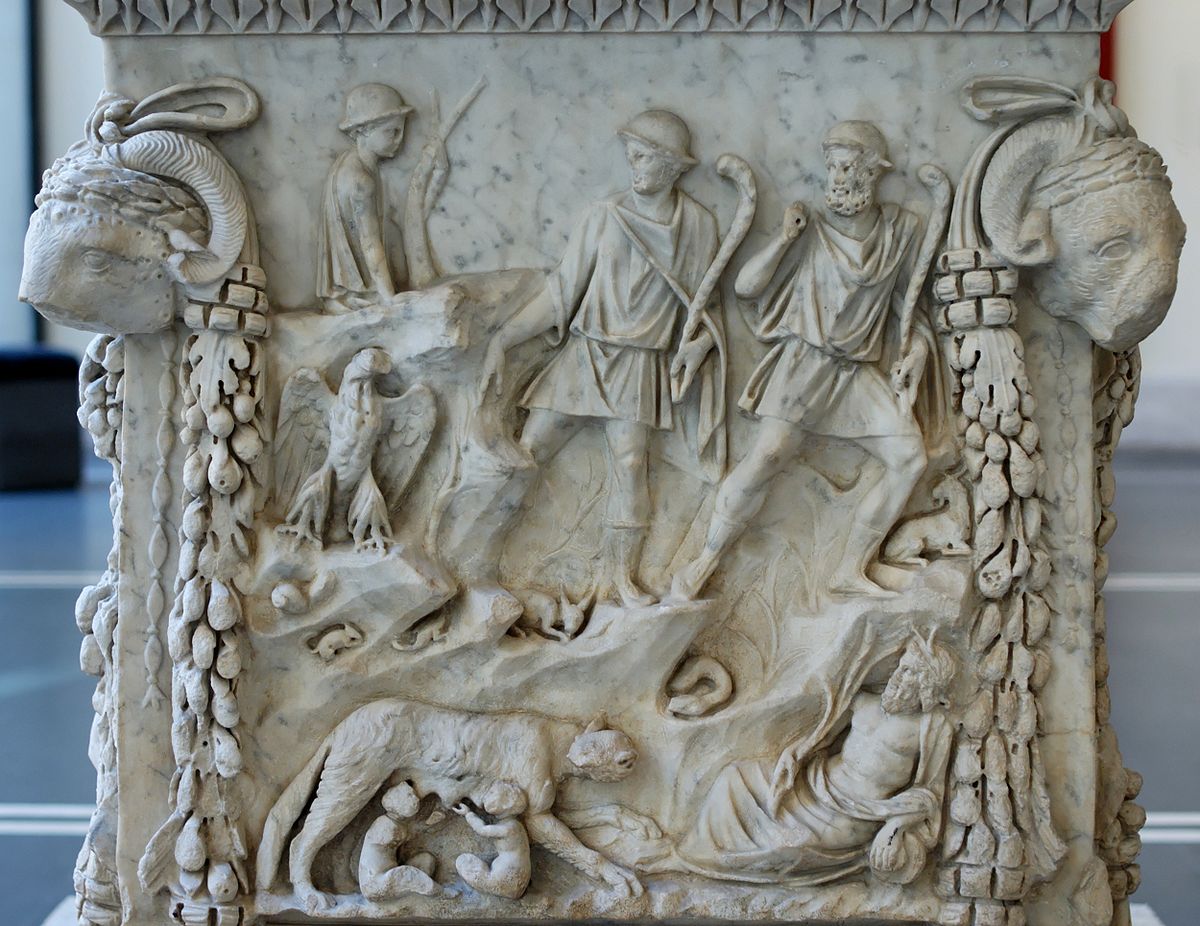
The Lupercal, a cave that holds a significant place in Roman mythology and history, is situated at the base of Palatine Hill in Rome, Italy. This site is most famously associated with the legend of Romulus and Remus, the twin brothers credited with founding Rome. According to ancient sources, the Lupercal was the legendary cave where a she-wolf nurtured the abandoned twins, making it a focal point of Rome’s rich mythological narrative. The cave is not only a testament to the origins of one of the world’s greatest civilizations but also an archaeological treasure that offers insights into the rituals and traditions of ancient Rome.
The significance of the Lupercal extends beyond its mythological roots; it was also the site of the ancient Lupercalia festival, a Roman fertility rite celebrated annually. This festival involved various ceremonies that were believed to promote fertility and purify the city. Visitors to the Lupercal will find that this site encapsulates the essence of Roman culture, intertwining history and mythology in a manner that continues to intrigue scholars and tourists alike.
The archaeological site is relatively modest in size, but its historical weight is monumental. As you explore the Lupercal, you will gain a deeper understanding of the religious practices of the early Romans and their connection to the myths that shaped their identity. The cave stands as a reminder of the enduring legacy of Rome, inviting visitors to contemplate the stories of its founding and the rituals that celebrated its growth.
History and Significance
The history of the Lupercal is deeply intertwined with the myth of Romulus and Remus, who, according to legend, were abandoned as infants and discovered by a she-wolf in the cave. This narrative not only underscores the importance of the site in Roman mythology but also highlights the cultural values of the early Romans, who revered the she-wolf as a symbol of strength and nurturing.
The cave was rediscovered in the 16th century, during the Renaissance, when it became a point of interest for scholars and archaeologists eager to connect the physical remains of ancient Rome with its legendary past. This rediscovery was crucial in validating the myths surrounding the origins of the city and provided a tangible link to the stories that had been passed down through generations.
In addition to its mythological significance, the Lupercal was the site of the Lupercalia festival, which took place annually on February 15. This ancient Roman festival involved rituals aimed at promoting fertility and ensuring the health of the community. During the celebrations, priests known as Luperci would sacrifice goats and dogs, using their hides to create strips that were used to lightly strike women, a practice believed to enhance fertility. The festival was a unique blend of religious observance and public celebration, illustrating the Romans’ deep connection to their traditions and beliefs.
The Lupercal’s importance is further underscored by its connection to the early development of Roman religious practices. The cave was later incorporated into Christian traditions, with some sources suggesting that it was used as a site for early Christian worship. This transformation reflects the broader changes in Roman society as Christianity began to take root, illustrating how the Lupercal has been a focal point of cultural and religious evolution over the centuries.
Architecture and Features
The Lupercal is primarily recognized for its natural cave formation, which is carved into the rock at the base of Palatine Hill. The entrance, which is relatively modest, opens into a chamber that evokes a sense of antiquity and reverence. The cave’s interior is characterized by its rough-hewn walls and the remnants of ancient altars, which were used for the rituals associated with the Lupercalia festival.
Visitors to the site can observe various inscriptions and symbols that have been etched into the stone over the centuries, offering insights into the significance of the cave to those who worshipped there. The cave’s atmosphere is palpable, inviting contemplation and reflection on the rituals that once took place within its confines.
Notably, the site has undergone various archaeological explorations since its rediscovery, revealing additional layers of history and confirming its role in the religious practices of ancient Rome. While the cave itself may not possess elaborate architectural features typical of larger Roman structures, its significance lies in its authentic representation of early Roman spirituality and mythology.
Visiting Information
Situated in the heart of Rome, the Lupercal is easily accessible for those exploring the city’s ancient sites. The coordinates for the Lupercal are 41.888056 latitude and 12.484444 longitude, placing it in close proximity to other significant landmarks such as the Roman Forum and the Colosseum.
When planning your visit, check the official website for current information regarding hours of operation and any entrance fees. It is advisable to allocate about an hour for your visit to fully appreciate the site’s historical context and to explore the surrounding areas, including Palatine Hill.
The best times to visit the Lupercal are during the shoulder seasons of spring (April to June) and fall (September to October), when the weather is generally mild and the tourist crowds are less intense. Early mornings or late afternoons are ideal for avoiding peak visitation times and enjoying a more intimate experience at the site.
Transportation options include public buses and the metro, which offer convenient access to the area. Visitors can also enjoy the scenic walk from the Colosseum or the Roman Forum, making it a pleasant addition to a day of exploring ancient Rome.
Nearby Attractions
Palatine Hill: Just a stone’s throw from the Lupercal, Palatine Hill is one of the seven hills of Rome and is rich in archaeological remains, including ancient palaces and temples.
Roman Forum: The heart of ancient Rome, the Forum served as the city’s political, social, and economic center, and is a must-visit for anyone interested in Roman history.
Colosseum: This iconic amphitheater is a short distance from the Lupercal and offers visitors a glimpse into the grandeur of ancient Roman architecture and entertainment.
Circus Maximus: Once the largest chariot racing stadium in ancient Rome, Circus Maximus is now a public park where visitors can envision the excitement of the races that drew crowds of thousands.
Capitoline Museums: Located nearby, these museums house an extensive collection of ancient Roman art and artifacts, providing further context to the history and culture of the city.
Insider Tips
For photography enthusiasts, the Lupercal presents a unique opportunity to capture the essence of ancient Rome. The cave’s natural lighting can create dramatic contrasts, especially during early mornings or late afternoons. To avoid crowds, consider visiting on weekdays or during off-peak hours.
While the cave itself is relatively small, take your time to appreciate the inscriptions and the atmosphere. A guided tour may enhance your understanding of the site’s historical context, but you can also explore independently for a more personal experience.
Practical Information
When visiting the Lupercal, it’s advisable to wear comfortable shoes, as the area involves some walking and exploration of uneven surfaces. Bring a bottle of water and a camera to capture the moment, but be mindful of the site’s historical significance while taking photographs.
Seasonal considerations include the potential for rain in the winter months, so check the weather forecast before your visit. Spring and fall are generally the most pleasant times to explore the site, with moderate temperatures and less crowded conditions.
Frequently Asked Questions
How long should I spend visiting?
Plan to spend about an hour at the Lupercal to fully appreciate its historical significance and surrounding areas.
Is photography allowed?
Yes, photography is generally allowed, but be respectful of the site’s cultural importance and avoid using flash.
Are there guided tours?
Guided tours are available and can provide valuable insights into the history and mythology of the Lupercal.
What’s the best time to visit?
Early mornings or late afternoons during spring and fall are ideal for avoiding crowds and enjoying pleasant weather.
Is it wheelchair accessible?
The cave may present challenges for wheelchair users due to its natural terrain. Check the official website for more detailed accessibility information.
Can I buy tickets online?
Check the official website for current information regarding ticket availability and purchasing options.
Are there restrooms and cafes?
Nearby attractions may have facilities; however, it’s best to plan ahead, as amenities at the Lupercal itself may be limited.
What should I wear?
Dress comfortably for walking and consider wearing layers, as temperatures can vary throughout the day.
More in lazio
Abatino Park
📍 lazio, Italy
The Abatino Park is a serene natural park located in Lazio, Italy, offering visitors a peaceful retreat with lush landscapes and recreational …
Abbazia di Santa Maria di Ponza
📍 lazio, Italy
The Abbazia di Santa Maria di Ponza is a Cistercian monastery on Ponza Island, Italy, renowned for its serene atmosphere and historical significance.

Academia Belgica
📍 lazio, Italy
The Academia Belgica is a Belgian cultural institution located in Rome, Italy, notable for its role in promoting Belgian heritage and fostering …
Accademia di Belle Arti di Frosinone
📍 lazio, Italy
The Accademia di Belle Arti di Frosinone is an educational institution in Frosinone, Italy, renowned for its commitment to fostering artistic talent …
Acqua Vergine
📍 lazio, Italy
Acqua Vergine is a modern aqueduct located in Rome, Italy, known for its engineering marvel and role in the city's water supply system.

Acquedotto delle Arcatelle
📍 lazio, Italy
The Acquedotto delle Arcatelle is a 17th-century aqueduct located in Tarquinia, Italy, recognized for its impressive architectural design and …
More Archaeological Site

Abbazia di Santa Maria di Corazzo
📍 calabria, Italy
The Abbazia di Santa Maria di Corazzo is an archaeological site located in Carlopoli, Calabria, Italy, renowned for its historical significance and …

Abella
📍 campania, Italy
The archaeological site of Abella in Campania, Italy, is an ancient human settlement known for its historical significance and cultural heritage.

Abellinum
📍 campania, Italy
Abellinum is an archaeological site in Atripalda, Italy, known for its ancient ruins that reveal insights into Roman settlement and urban planning.

Aeculanum
📍 campania, Italy
Aeculanum is an archaeological site in Campania, Italy, known for its remnants of an ancient town that offer insight into early Roman urban life.
Aesernia
📍 molise, Italy
Aesernia is an ancient Roman archaeological site located in Molise, Italy, renowned for its well-preserved ruins that reflect the grandeur of Roman …

Alba Fucens
📍 lazio, Italy
Alba Fucens is an ancient archaeological site in Lazio, Italy, known for its well-preserved ruins that reflect the grandeur of a once-thriving Roman …