

Latina
Overview
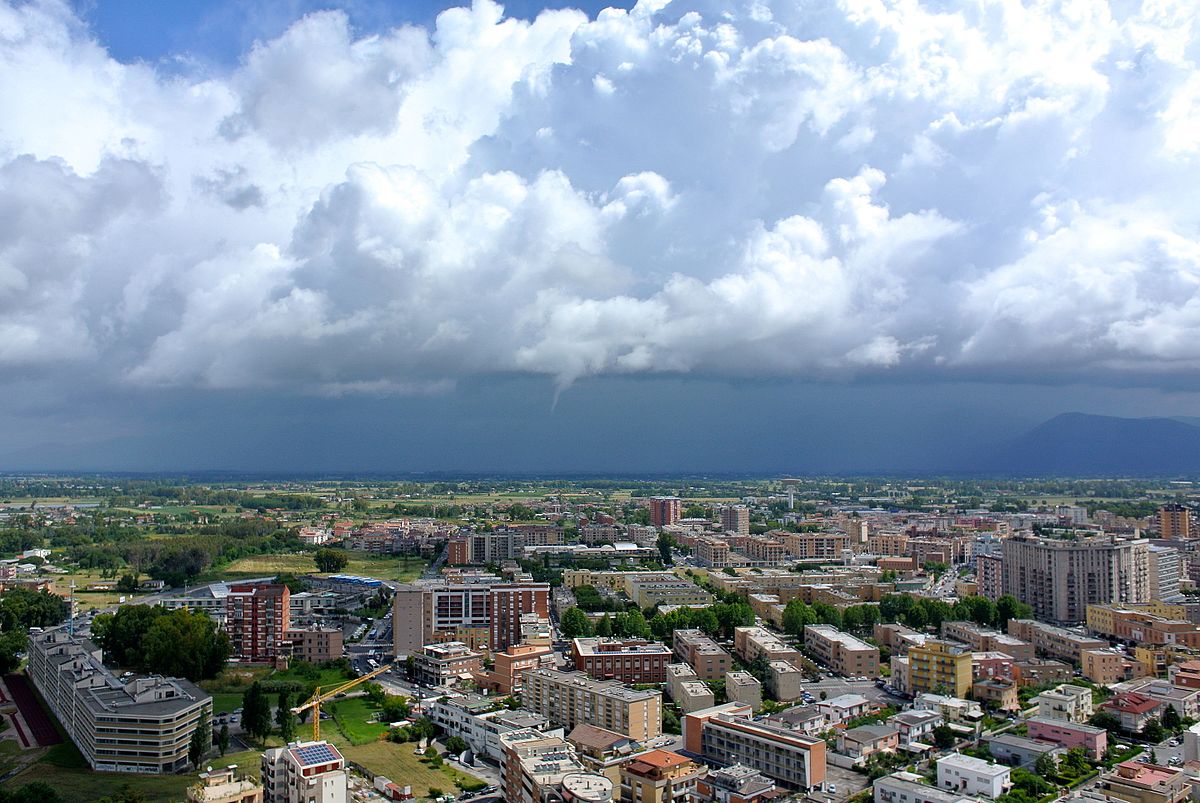
Latina, founded in the 1930s as part of Mussolini’s effort to reclaim the Pontine Marshes, is a city that harmoniously combines modernity with historical remnants. Situated approximately 60 kilometers southeast of Rome, it serves as a crucial administrative and commercial hub in the region of Lazio. With a population of around 125,000, Latina is characterized by its wide boulevards, spacious squares, and a vibrant local culture that reflects both its Fascist past and contemporary Italian life.
The city is not only significant for its recent history but also serves as a gateway to the surrounding natural beauty of the Pontine Marshes and the Tyrrhenian Sea. Visitors can immerse themselves in the local flavors, explore nearby historic towns, and enjoy the picturesque landscapes that define the area. Latina may not be as widely recognized as some of its neighboring cities, but it offers a unique blend of urban life and historical exploration, making it an intriguing destination for travelers seeking to uncover the layers of Italian heritage.
History and Significance
Latina’s origins are relatively recent in the grand narrative of Italy’s historical cities. Established in 1932, it was part of a broader initiative to drain the Pontine Marshes, a project that transformed the swampy land into arable territory. This endeavor was pivotal to the agricultural development of the region, which became known for its productive farms and cultivation techniques.
The city was initially named Littoria, reflecting Fascist ideologies, but was renamed Latina after World War II, shedding its earlier connotations. The architecture and urban planning of Latina reveal the influence of Fascist aesthetics, with wide streets and monumental buildings designed to inspire awe and convey a sense of power. The city’s layout was meticulously planned, which distinguishes it from many ancient towns in Italy that evolved organically over centuries.
Latina also carries cultural significance, as it has developed a vibrant local identity that celebrates its agricultural roots and the diverse communities that have settled in the area. Throughout the years, the city has hosted various cultural events and festivals that highlight its rich traditions, providing a platform for local artists and artisans to showcase their work. The juxtaposition of its modern origins with a deep appreciation for local culture makes Latina a fascinating study of Italy’s evolving identity.
Architecture and Features
Latina’s architecture is a distinctive blend of modernist principles and Fascist-era design, making it unique among Italian cities. The city center features broad avenues lined with trees, and significant public buildings that reflect the ideals of the time of its founding. Noteworthy structures include the Palazzo del Governatore, which houses the town hall and showcases neoclassical elements blended with modernist aesthetics.
One of the most striking features of Latina is the Monumento ai Caduti, a war memorial dedicated to the fallen soldiers of World War I. This monument is a focal point in the city, symbolizing both remembrance and the city’s historical evolution. The central Piazza della Libertà serves as a gathering place for locals and visitors alike, often bustling with markets, cafes, and cultural events.
The city’s contemporary layout is complemented by green spaces, including parks and gardens, which provide a refreshing contrast to the urban environment. The presence of various artworks and sculptures throughout the city enhances Latina’s aesthetic appeal, inviting exploration and engagement with the local culture.
Visiting Information
Getting to Latina is convenient, with various transport options available. The city is accessible by train from Rome, making it a feasible day trip for those looking to explore beyond the capital. Regular services connect Latina with major cities in the region, and local buses provide additional transport options within the city.
While specific hours and prices for attractions may vary, visitors are encouraged to check the official website for current information regarding local sites and events. A typical visit to Latina can take anywhere from a few hours to a full day, depending on your interests in exploring its architecture, parks, and cultural offerings.
The best time to visit Latina is during the spring and early autumn months when the weather is mild, and local festivals often take place. This period allows for an enjoyable experience of the city’s outdoor spaces and cultural activities.
Nearby Attractions
Sabaudia: Located just a short drive from Latina, this coastal town is known for its beautiful beaches and proximity to the Circeo National Park, perfect for nature enthusiasts.
Ninfa Gardens: A remarkable botanical garden situated nearby, Ninfa is famous for its picturesque ruins and diverse plant life, making it a serene escape.
Terracina: This ancient coastal town features Roman ruins and stunning seaside views, offering a glimpse into Italy’s historical depths.
Pontine Marshes: Explore this unique ecosystem, which has been transformed from swampland into fertile agricultural land, showcasing the region’s ecological diversity.
Cori: A charming hilltop town with ancient Roman ruins and beautiful medieval architecture, Cori is a short drive from Latina and provides a scenic day trip option.
Insider Tips
For photography enthusiasts, the best time to capture Latina’s architecture is during the golden hours of sunrise and sunset, when the light beautifully illuminates the facades of the buildings. The city can become busy, especially during local festivals and market days, so visiting early in the morning or on weekdays can help you avoid crowds.
Additionally, exploring off the main thoroughfares can lead to hidden corners of the city, offering unique perspectives and quieter experiences. Engaging with local residents can also enhance your visit, as they often share insights into the city’s history and culture.
Practical Information
When visiting Latina, it’s advisable to bring comfortable walking shoes, as the city is best explored on foot. A reusable water bottle is also recommended, particularly during the warmer months, as you can refill it at public fountains scattered throughout the city.
Seasonal considerations include the hot summers, which can reach high temperatures, making spring and fall the ideal times to explore. Be prepared for occasional rain in the winter months, which may affect outdoor activities.
Local cuisine is a highlight of any visit, so consider setting aside time to enjoy a meal at one of the city’s many trattorias or cafes, where you can sample regional specialties.
Frequently Asked Questions
How long should I spend visiting?
A visit to Latina can range from a few hours to a full day, depending on your interests in exploring its architecture and local culture.
Is photography allowed?
Photography is generally allowed in public spaces, but be mindful of private properties and any specific restrictions at local attractions.
Are there guided tours?
Check for local tourism offices or guides offering tours that can provide deeper insights into the city’s history and culture.
What’s the best time to visit?
The best times to visit Latina are during the spring and early autumn months when the weather is mild and local events occur.
Is it wheelchair accessible?
Many parts of the city are accessible, but some historical sites may have limitations. It’s advisable to check specific locations for accessibility information.
Can I buy tickets online?
For attractions and events, check the official website for availability and online ticket purchasing options.
Are there restrooms and cafes?
Public restrooms are available in some areas, and various cafes and restaurants can be found throughout the city.
What should I wear?
Dress comfortably and appropriately for the season. Comfortable walking shoes are recommended for exploring the city on foot.
Photo Gallery
Location
Visit Information
Quick Facts
- Heritage Type
- City
- Region
- lazio
- Wikidata ID
- Q13410
More in lazio
Abatino Park
📍 lazio, Italy
The Abatino Park is a serene natural park located in Lazio, Italy, offering visitors a peaceful retreat with lush landscapes and recreational …
Abbazia di Santa Maria di Ponza
📍 lazio, Italy
The Abbazia di Santa Maria di Ponza is a Cistercian monastery on Ponza Island, Italy, renowned for its serene atmosphere and historical significance.

Academia Belgica
📍 lazio, Italy
The Academia Belgica is a Belgian cultural institution located in Rome, Italy, notable for its role in promoting Belgian heritage and fostering …
Accademia di Belle Arti di Frosinone
📍 lazio, Italy
The Accademia di Belle Arti di Frosinone is an educational institution in Frosinone, Italy, renowned for its commitment to fostering artistic talent …
Acqua Vergine
📍 lazio, Italy
Acqua Vergine is a modern aqueduct located in Rome, Italy, known for its engineering marvel and role in the city's water supply system.

Acquedotto delle Arcatelle
📍 lazio, Italy
The Acquedotto delle Arcatelle is a 17th-century aqueduct located in Tarquinia, Italy, recognized for its impressive architectural design and …
More City

Agrigento
📍 sicily, Italy
Agrigento is a historic city in Sicily, Italy, renowned for its ancient ruins and the Valley of the Temples, a UNESCO World Heritage Site showcasing …

Albenga
📍 liguria, Italy
Albenga is an Italian urban comune located in the Liguria region, known for its medieval architecture and rich historical significance.

Alessandria
📍 lombardy, Italy
Alessandria is a historic city in Lombardy, Italy, known for its intriguing blend of cultural heritage and architectural features.

Ancona
📍 marche, Italy
Ancona is a historic city in the Marche region of Italy, renowned for its stunning coastal views and significant maritime heritage.

Andria
📍 apulia, Italy
Andria is a city in Apulia, Italy, known for its unique blend of historical architecture and cultural significance, particularly the stunning Castel …
Arretium
📍 tuscany, Italy
Arretium is an ancient city in Tuscany, Italy, recognized for its historical significance as a human settlement and its rich cultural heritage.