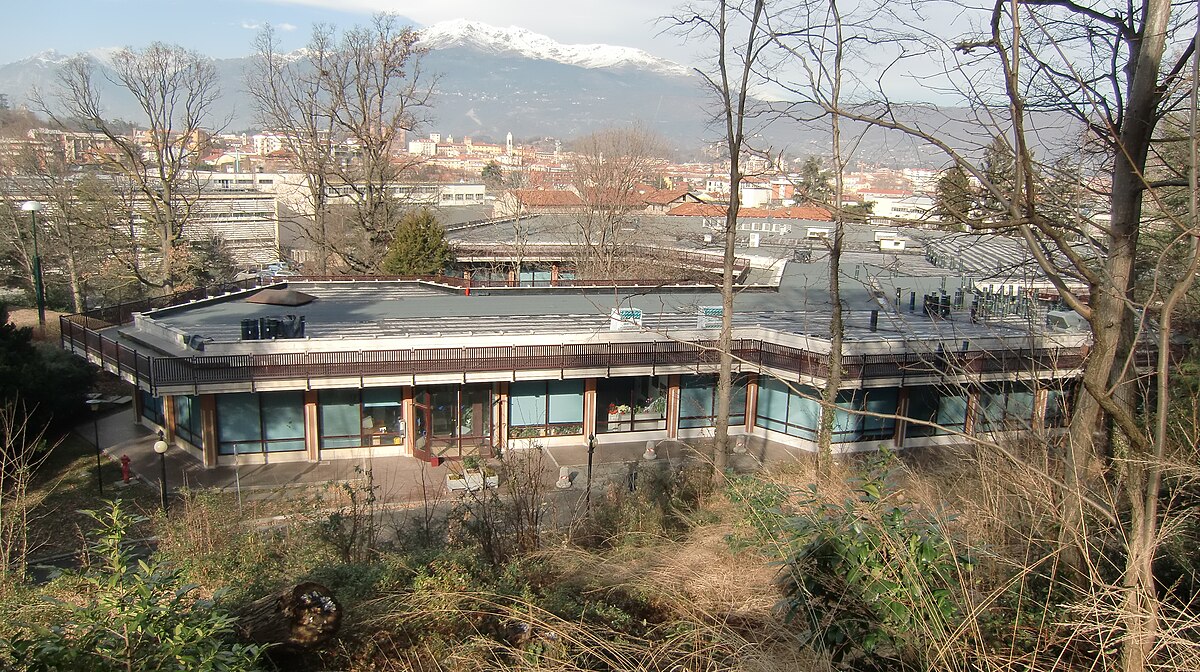
Ivrea, industrial city of the 20th century
Overview
Ivrea, located in the Piedmont region of Italy, is a UNESCO World Heritage site celebrated for its industrial heritage and modernist architecture. This city played a pivotal role in the development of industrial design throughout the 20th century. Emerging from the remnants of its historical significance, Ivrea is characterized by its impressive array of buildings and urban planning, which reflect the innovative spirit of its time. Visitors are invited to explore not only the physical structures but also the cultural narratives that shaped this vibrant community.
The city is often associated with the Olivetti company, a pioneer in the design and manufacturing of typewriters and computers. Ivrea stands out as a remarkable example of urban planning and architecture that integrates industrial functions with residential spaces, creating a unique living environment that promotes both work and life harmoniously. The city’s significance lies not just in its industrial past but also in the way it has preserved its historical identity while embracing modernity. This guide will delve into the rich history, architectural features, and practical information for those wishing to visit this fascinating locale.
History and Significance
Ivrea’s industrial development began in the late 19th century, when the town transformed from a traditional agrarian society into a hub of industrial innovation. The establishment of the Olivetti company in 1908 marked a turning point in the city’s evolution, as it became a leader in the production of office equipment. Under the visionary leadership of Adriano Olivetti, the company not only produced typewriters but also redefined the relationship between industry and community. Olivetti’s commitment to social responsibility and the well-being of his workers influenced the urban landscape of Ivrea, leading to the construction of functional yet aesthetically pleasing buildings and public spaces.
The architectural style of Ivrea is notable for its integration of modernist principles with local traditions. The city served as a canvas for several prominent architects and designers, who crafted innovative structures that reflected the modernist ethos of the early 20th century. These buildings were designed not merely as functional spaces but as environments that fostered creativity and collaboration among workers. The harmonious blend of residential areas, green spaces, and industrial sites illustrates a forward-thinking approach to urban planning.
As a UNESCO World Heritage site, Ivrea is recognized not only for its architectural merit but also for its role in shaping the industrial landscape of Italy and beyond. The site embodies the ideals of modernism and serves as a significant chapter in the history of industrial design. The preservation of Ivrea’s unique urban fabric allows contemporary visitors to appreciate the legacy of innovation that continues to inspire designers and architects today.
Architecture and Features
Ivrea’s architectural landscape is characterized by a combination of functional industrial buildings and striking modernist architecture. The city is home to several key sites that exemplify this aesthetic, including the Olivetti headquarters, which is a masterpiece of industrial design. The headquarters showcases clean lines and a minimalist approach, emphasizing functionality while maintaining a sense of elegance.
One of the most significant features of Ivrea is its urban layout, which was designed to promote a sense of community. The integration of residential areas with industrial facilities reflects Olivetti’s vision of a balanced life for workers. The buildings are often adorned with artistic elements, demonstrating a commitment to beauty in the industrial realm. Notable structures include the Olivetti training center and the famous “Olivetti factory,” which serve as important symbols of the city’s industrial heritage.
The presence of green spaces interspersed throughout the city further enhances its architectural appeal. Parks and communal areas provide a respite from the industrial environment, embodying the belief that nature and industry can coexist harmoniously. The careful planning of these spaces invites both residents and visitors to enjoy the outdoors while appreciating the striking architecture that surrounds them.
In addition to the industrial buildings, Ivrea also features residential structures that are characterized by their modernist design. The clean lines, functional layouts, and use of innovative materials reflect the architectural trends of the early 20th century. This unique combination of industrial and residential architecture makes Ivrea a fascinating destination for those interested in design and urban planning.
Visiting Information
Reaching Ivrea is relatively straightforward, with various transportation options available. The city is accessible by train, with regular services connecting it to major Italian cities such as Turin and Milan. Visitors can also arrive by car, as the city is situated near major highways, making it convenient for those exploring the region.
When planning a visit, it is essential to check the official website for current information regarding opening hours, ticket prices, and any special events that may be taking place. The time required to explore Ivrea can vary depending on individual interests, but a half-day visit is typically sufficient to appreciate the key sites and soak in the atmosphere.
The best times to visit Ivrea are during the spring and fall when the weather is mild, and outdoor activities can be enjoyed comfortably. During these seasons, visitors can wander through the city’s parks and streets, admiring the architecture while engaging with the local culture.
Nearby Attractions
While Ivrea itself offers a wealth of historical and architectural significance, the surrounding area also features several notable attractions. Here are a few suggestions:
Castello di Ivrea: This historic castle offers stunning views of the city and the surrounding landscape. The castle’s architecture and rich history make it a worthwhile stop.
Parco della Burcina: Located just outside Ivrea, this park is famous for its beautiful gardens and diverse flora. It’s an excellent place for a leisurely stroll or a picnic.
Lake Sirio: A short drive from Ivrea, this picturesque lake is perfect for outdoor activities such as hiking, boating, and fishing, offering a tranquil escape from the city.
Biella: This nearby town is known for its textile industry and charming old town. Visitors can explore historical sites and enjoy local cuisine.
Orta San Giulio: A bit further afield, this enchanting lakeside town is famous for its stunning views and the serene island of San Giulio, providing a perfect day trip.
Insider Tips
For visitors keen on photography, early mornings or late afternoons provide the best natural light for capturing Ivrea’s unique architectural features. The interplay of light and shadow can highlight the intricate details of the buildings.
To avoid crowds, consider visiting during weekdays or outside of peak tourist seasons. This allows for a more relaxed experience while exploring the city’s sites.
Engaging with local residents can enhance your visit; many are eager to share stories and insights about Ivrea’s rich history and culture.
Practical Information
When visiting Ivrea, comfortable walking shoes are essential, as much of the exploration involves strolling through the city’s streets and parks. It is advisable to bring a water bottle, especially during warmer months, to stay hydrated while wandering.
Seasonal considerations are important; spring and fall are ideal for pleasant weather, while summers can be quite hot. If visiting during winter, expect cooler temperatures and occasional rain, so dress accordingly.
Visitors should also be aware that some sites may have specific visitor regulations, so checking ahead for any requirements is recommended.
Frequently Asked Questions
How long should I spend visiting?
A half-day is generally sufficient to explore the main sites in Ivrea. However, if you wish to delve deeper into the local history and architecture, a full day may be more enjoyable.
Is photography allowed?
Yes, photography is generally allowed throughout the city, but it is advisable to respect any posted signs regarding photography in specific locations.
Are there guided tours?
Guided tours may be available, providing insightful context and history about Ivrea’s industrial heritage. Check local listings for options.
What’s the best time to visit?
Spring and fall offer mild weather and fewer tourists, making them ideal seasons for visiting Ivrea.
Is it wheelchair accessible?
Many areas of Ivrea are accessible, but some historical sites may have limitations due to their age and structure. It’s best to check specific site accessibility in advance.
Can I buy tickets online?
For certain attractions, tickets may be available for online purchase. Check the official websites for the most current information.
Are there restrooms and cafes?
Public restrooms are available in various locations throughout the city, and there are several cafes and restaurants where visitors can enjoy local cuisine.
What should I wear?
Comfortable clothing and footwear are recommended, especially for walking. Dress in layers to accommodate changing weather conditions, particularly in spring and fall.
Visit Information
Quick Facts
- Heritage Type
- Artificial Geographic Entity
- UNESCO Status
- World Heritage Site
- Region
- piedmont
- Wikidata ID
- Q109123298
More in piedmont

Abbazia di San Nicolò del Boschetto
📍 piedmont, Italy
The Abbazia di San Nicolò del Boschetto is a historic monastery located in Genoa, Italy, known for its serene ambiance and architectural heritage.

Agape Centro Ecumenico
📍 piedmont, Italy
Agape Centro Ecumenico is an educational institution located in Prali, Italy, offering a unique blend of spiritual retreat and educational programs in …

Agogna
📍 piedmont, Italy
The Agogna is a picturesque river in the Piedmont region of Italy, celebrated for its serene landscapes and ecological importance.

Alba Cathedral
📍 piedmont, Italy
The Alba Cathedral is a Romanesque cathedral located in Alba, Piedmont, Italy, known for its stunning architecture and historical significance.

antica sinagoga di Chieri
📍 piedmont, Italy
The antica sinagoga di Chieri is a historic synagogue located in Chieri, Piedmont, Italy, known for its cultural significance and architectural …

Antonini bridge
📍 piedmont, Italy
The Antonini Bridge is a historic bridge located in Varallo Sesia, Italy, known for its remarkable engineering and picturesque setting.