
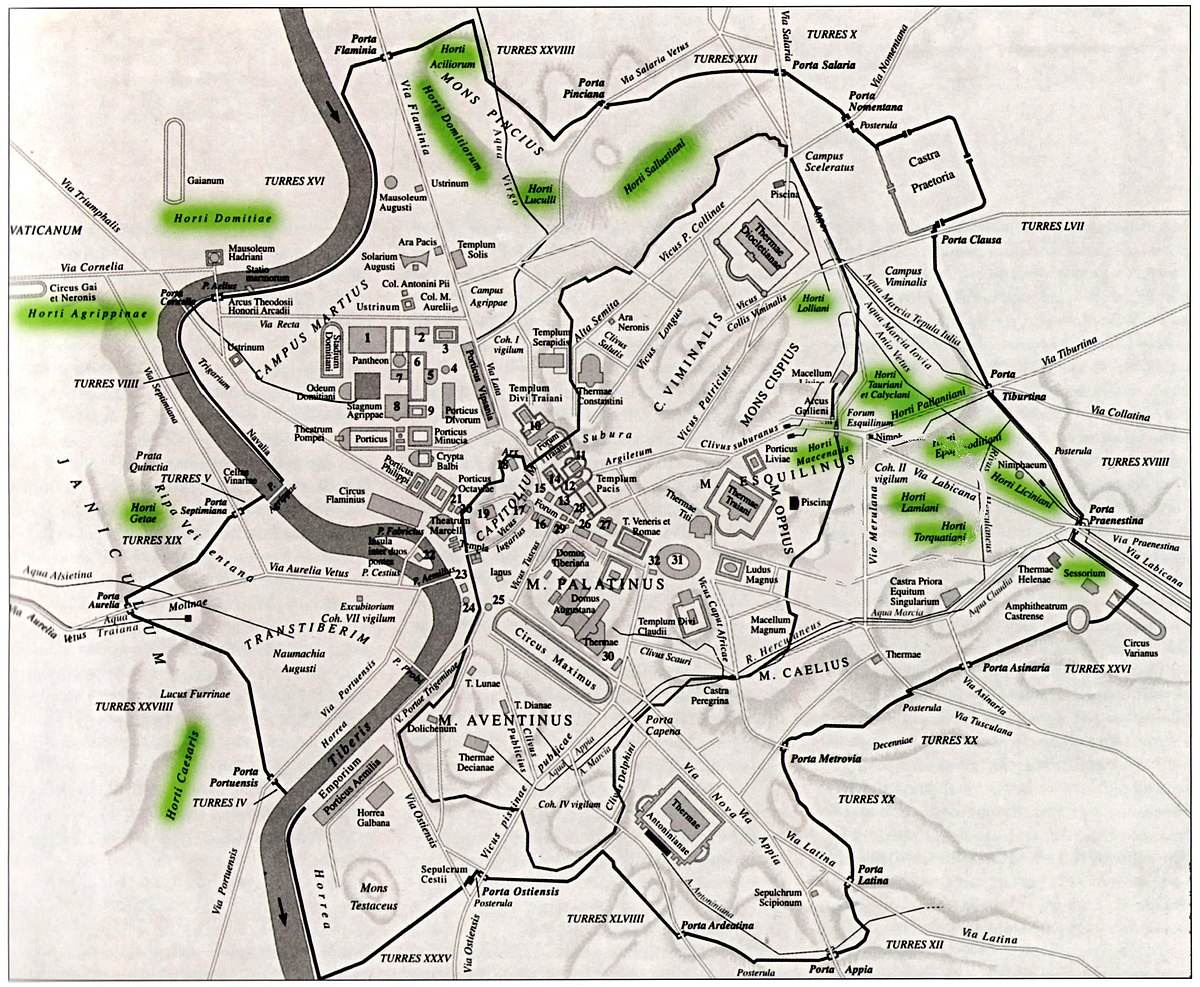

Horti Liciniani
Overview
The Horti Liciniani, located in the heart of ancient Rome, represents a fascinating glimpse into the horticultural practices and leisure activities of the Roman elite. This archaeological site, once an expansive garden complex, served as a private retreat for the wealthy during the Roman Empire. Its remnants provide insights into the luxurious lifestyles of ancient Romans, showcasing how they integrated nature into their daily lives. Although specifics about the gardens’ layout and design have faded over time, the Horti Liciniani remains a significant site for understanding Roman aesthetics and their relationship with the environment.
Positioned near the bustling areas of the city, the gardens are a reminder of how nature once played a vital role in urban life. Visitors to the site can reflect on the grandeur of what was once a vibrant green space, filled with the scents of blooming flowers and the sounds of water features. The significance of the Horti Liciniani extends beyond its physical remains; it symbolizes the cultural and social practices of a civilization that valued beauty and tranquility amidst the chaos of city life. As one explores the ruins, the echoes of history resonate, providing a unique opportunity to connect with the past.
History and Significance
The Horti Liciniani dates back to a period when gardens were not merely aesthetic spaces but rather reflections of power and status among the elite. These gardens were established by Licinius Crassus, a prominent Roman general and politician. While the exact date of their creation is not well-documented, it is understood that they flourished during the late Roman Republic and continued to hold importance throughout the early Imperial period. Such gardens were typically designed as private retreats, providing an escape from the urban environment.
The cultural significance of the Horti Liciniani extends beyond mere relaxation. These gardens were a testament to the Roman appreciation for nature and landscape design, combining elements of art, architecture, and horticulture. They illustrated the Roman desire to create spaces that mirrored the beauty of the natural world while simultaneously asserting their control over it. The gardens likely featured a variety of trees, shrubs, and flowers, alongside carefully designed pathways and possibly even water features such as fountains or ponds.
As the centuries progressed, the gardens fell into disrepair, much like many other ancient sites. However, their rediscovery has led to increased interest among historians, archaeologists, and tourists alike. The Horti Liciniani, while not as famous as other Roman sites, plays a crucial role in understanding the evolution of gardening practices in ancient Rome and the broader implications of urban green spaces throughout history.
Architecture and Features
The architectural remnants of the Horti Liciniani provide a fascinating insight into the design principles of ancient Roman gardens. Although much of the original structure has been lost to time, the layout suggests that the gardens were meticulously planned, incorporating both natural and man-made elements. The site likely featured terraced areas, which were common in Roman garden design, allowing for a diverse array of plant life and creating visually appealing vistas.
Visitors can expect to see the remnants of walls, pathways, and possibly the foundations of structures that once complemented the gardens. Among the notable features may have been shaded alcoves, areas for relaxation, and spaces for social gatherings, reflecting the gardens’ role as a leisure destination for the elite. The integration of water features, such as fountains or small pools, would have added to the serene ambiance, making the Horti Liciniani a perfect escape from the hustle and bustle of Roman life.
While much of the intricate details of the gardens are no longer visible, the site’s archaeological significance cannot be overstated. It offers a glimpse into the planning and execution of garden design in ancient Rome, highlighting the importance of aesthetics and nature in the daily lives of its citizens. The Horti Liciniani serves as a vital piece of the puzzle in understanding the broader context of Roman culture and urban planning.
Visiting Information
Visiting the Horti Liciniani can be a rewarding experience, providing an opportunity to connect with ancient Roman history. The site is accessible via various forms of public transport, making it convenient for both local residents and tourists. While specific hours and prices may vary, visitors are encouraged to check the official website for current information before planning their trip.
When visiting, it’s advisable to allocate a couple of hours to explore the site fully. Although the gardens may not take long to navigate, taking the time to appreciate the historical context and the remnants of the architecture will enhance the experience. The best times to visit are during the early morning or late afternoon when the light is softer and the temperatures are more comfortable, especially during the warmer months.
As you explore, be prepared for limited amenities at the site. While there may not be extensive facilities, the surrounding area of Rome offers numerous cafes and restaurants where visitors can enjoy a meal or a refreshing drink after their visit to the Horti Liciniani.
Nearby Attractions
- Palatine Hill: Just a short distance away, this iconic area is rich in ancient history and stunning views of the Roman Forum and Circus Maximus.
- Roman Forum: A bustling center of ancient Roman public life, this site is filled with ruins that tell the story of Rome’s political and social heart.
- Colosseum: One of the most famous landmarks in Rome, the Colosseum offers a glimpse into the grandeur of Roman architecture and the spectacles that took place there.
- Capitoline Museums: A short walk from the Horti Liciniani, these museums house a vast collection of art and artifacts that showcase Rome’s rich history.
- Piazza Venezia: A vibrant public square that is home to the impressive Vittoriano monument, making it a central hub for visitors exploring the city.
Insider Tips
To make the most of your visit to the Horti Liciniani, consider visiting during off-peak hours, such as early in the morning or later in the afternoon. This will help you avoid larger crowds and provide a more intimate experience as you explore the site’s remains. For photography enthusiasts, the soft light during these times can create beautiful images of the ruins and the surrounding area.
Additionally, wear comfortable shoes, as the terrain may be uneven in places. Bringing water and a small snack can also enhance your experience, allowing you to take breaks and enjoy the serenity of the site.
Practical Information
When planning your visit, it’s essential to consider the seasonal weather conditions in Rome. Summers can be quite hot, so lightweight clothing and sun protection are recommended. In contrast, the cooler months may require a light jacket, especially in the evenings.
Ensure you bring a camera to capture the beauty of the site, but remember to follow any photography guidelines posted at the location. Given the site’s historical significance, maintaining respect for the area is paramount.
Frequently Asked Questions
How long should I spend visiting?
A visit to the Horti Liciniani typically takes about 1-2 hours, allowing ample time to explore the ruins and absorb the historical context.
Is photography allowed?
Yes, photography is generally permitted, but it’s advisable to check for any specific rules or restrictions upon arrival.
Are there guided tours?
While specific guided tours may not be available at the site, local tour operators might offer packages that include the Horti Liciniani along with nearby attractions.
What’s the best time to visit?
The best times to visit are early morning or late afternoon to avoid crowds and enjoy more comfortable temperatures.
Is it wheelchair accessible?
Access may be limited due to the nature of the archaeological site. It’s best to check the official website for specific accessibility information.
Can I buy tickets online?
For ticket purchasing options, check the official website for current information regarding online sales.
Are there restrooms and cafes?
There may not be facilities directly at the site, but nearby cafes and restaurants in Rome offer refreshments and restrooms.
What should I wear?
Comfortable clothing and shoes are recommended due to the uneven terrain. Consider the weather conditions when selecting your outfit.
The Horti Liciniani offers a unique opportunity to delve into the ancient Roman world, providing a peaceful retreat amidst the hustle of modern-day Rome.
Photo Gallery
More in lazio
Abatino Park
📍 lazio, Italy
The Abatino Park is a serene natural park located in Lazio, Italy, offering visitors a peaceful retreat with lush landscapes and recreational …
Abbazia di Santa Maria di Ponza
📍 lazio, Italy
The Abbazia di Santa Maria di Ponza is a Cistercian monastery on Ponza Island, Italy, renowned for its serene atmosphere and historical significance.

Academia Belgica
📍 lazio, Italy
The Academia Belgica is a Belgian cultural institution located in Rome, Italy, notable for its role in promoting Belgian heritage and fostering …
Accademia di Belle Arti di Frosinone
📍 lazio, Italy
The Accademia di Belle Arti di Frosinone is an educational institution in Frosinone, Italy, renowned for its commitment to fostering artistic talent …
Acqua Vergine
📍 lazio, Italy
Acqua Vergine is a modern aqueduct located in Rome, Italy, known for its engineering marvel and role in the city's water supply system.

Acquedotto delle Arcatelle
📍 lazio, Italy
The Acquedotto delle Arcatelle is a 17th-century aqueduct located in Tarquinia, Italy, recognized for its impressive architectural design and …
More Archaeological Site

Abbazia di Santa Maria di Corazzo
📍 calabria, Italy
The Abbazia di Santa Maria di Corazzo is an archaeological site located in Carlopoli, Calabria, Italy, renowned for its historical significance and …

Abella
📍 campania, Italy
The archaeological site of Abella in Campania, Italy, is an ancient human settlement known for its historical significance and cultural heritage.

Abellinum
📍 campania, Italy
Abellinum is an archaeological site in Atripalda, Italy, known for its ancient ruins that reveal insights into Roman settlement and urban planning.

Aeculanum
📍 campania, Italy
Aeculanum is an archaeological site in Campania, Italy, known for its remnants of an ancient town that offer insight into early Roman urban life.
Aesernia
📍 molise, Italy
Aesernia is an ancient Roman archaeological site located in Molise, Italy, renowned for its well-preserved ruins that reflect the grandeur of Roman …

Alba Fucens
📍 lazio, Italy
Alba Fucens is an ancient archaeological site in Lazio, Italy, known for its well-preserved ruins that reflect the grandeur of a once-thriving Roman …