
Historical city centre
Overview
The Historical City Centre of Gradara offers a captivating glimpse into Italy’s medieval past, characterized by its well-preserved walls and charming streets. Located in the Marche region, this old town is perched on a hilltop, providing visitors with a delightful view of the surrounding countryside. Its historical significance is underscored by the presence of the iconic Gradara Castle, which has been a focal point of various legends and stories throughout the centuries. As you wander through its cobblestone streets, you will encounter a blend of history, culture, and art, making it a must-visit destination for history enthusiasts and casual travelers alike. Gradara’s atmosphere invites exploration; each corner reveals a piece of its storied past, from ancient fortifications to picturesque piazzas.
History and Significance
The Historical City Centre of Gradara is steeped in a rich tapestry of history, dating back to the Middle Ages. The town’s strategic position made it a key location for various feudal lords and a battleground for control over the region. It gained prominence during the 12th century when it was fortified and became the site of numerous battles and political intrigues. The most famous of these tales is the tragic love story of Paolo and Francesca, immortalized by Dante Alighieri in “The Divine Comedy.” This narrative adds a layer of romanticism to the town, attracting visitors intrigued by its legendary past.
Gradara was ruled by various noble families, including the Malatesta and the Sforza, who left an indelible mark on its architecture and culture. The town’s well-preserved medieval structures reflect its historical significance, offering insights into the lives of its inhabitants throughout the centuries. A visit to Gradara is not merely a stroll through a historic town; it is an immersion into the cultural and social dynamics that shaped this part of Italy.
Architecture and Features
The architectural landscape of Gradara is a stunning representation of medieval design, characterized by fortified walls and towers that once served defensive purposes. The most prominent feature is the Gradara Castle, a massive structure that dominates the skyline. Its robust walls, crenellated battlements, and elegant towers are a testament to the defensive architecture of the era. Inside the castle, visitors can explore various rooms that showcase medieval artifacts, frescoes, and furniture, providing a window into the life of the nobility during its peak.
The old town itself is a labyrinth of narrow streets and charming piazzas, lined with historic buildings that reflect different architectural styles influenced by various ruling families. Noteworthy sites include the Church of Santa Maria del Castello, which features beautiful frescoes and a serene atmosphere. The cobblestone streets are adorned with quaint shops and cafés, encouraging visitors to linger and soak in the ambiance of this historic locale.
Visiting Information
Visiting the Historical City Centre of Gradara is a delightful experience, easily accessible by road. For those traveling from nearby cities, public transport options may be available, but check the official website for current information on schedules and services. Once in Gradara, expect to spend a few hours exploring its winding streets, the castle, and various points of interest.
It is advisable to check the official website for hours and pricing of entry to specific sites within the city centre. The best time to visit is during the spring and early autumn months when the weather is mild, and the town is less crowded. Summer can be bustling with tourists, so plan accordingly if you prefer a quieter experience.
Nearby Attractions
- Gradara Castle: This iconic fortress is the highlight of the town, offering guided tours and stunning views from its ramparts.
- San Giovanni Battista Church: Located nearby, this church features beautiful artwork and is worth a visit for its historical significance.
- The Adriatic Coast: Just a short drive away, the coastline offers beaches and seaside activities for those looking to unwind after exploring the town.
- Montemaggiore al Metauro: A nearby village with its own historical sites and scenic views, perfect for a day trip.
- Riccione: A lively coastal town that offers a contrast to the historical atmosphere of Gradara, known for its vibrant nightlife and beaches.
Insider Tips
To capture the essence of Gradara, consider visiting early in the morning or later in the afternoon when the light casts beautiful shadows on the historic buildings. The town can become crowded during peak tourist season, so arriving early allows for a more peaceful experience. For photography, explore the less-traveled paths and vantage points around the castle for unique perspectives of this picturesque locale.
Practical Information
When visiting Gradara, comfortable walking shoes are essential due to the cobblestone streets. Bring a refillable water bottle, especially during warmer months, as you will be walking quite a bit. Seasonal considerations are important; spring and autumn offer pleasant weather, while summer can be hot and busy. Be sure to check for any local events or festivals that may coincide with your visit, as these can enhance your experience.
Frequently Asked Questions
How long should I spend visiting?
A visit of 2 to 4 hours is typically sufficient to explore the main attractions and enjoy the ambiance of Gradara.
Is photography allowed?
Yes, photography is generally permitted in the public areas of the Historical City Centre, but be respectful of private properties and any signs indicating restrictions.
Are there guided tours?
Guided tours may be available; check local listings or the official website for details on scheduling and pricing.
What’s the best time to visit?
Spring and early autumn are ideal for pleasant weather and fewer crowds.
Is it wheelchair accessible?
The cobblestone streets may pose challenges, so check specific accessibility options for attractions before your visit.
Can I buy tickets online?
For certain attractions, online ticket purchasing may be available; check the official website for current information.
Are there restrooms and cafes?
Yes, there are restrooms and cafes throughout the town, making it convenient for visitors to take breaks.
What should I wear?
Comfortable clothing and shoes are recommended, along with layers if visiting during spring or autumn when temperatures can fluctuate.
More in marche
Ambro
📍 marche, Italy
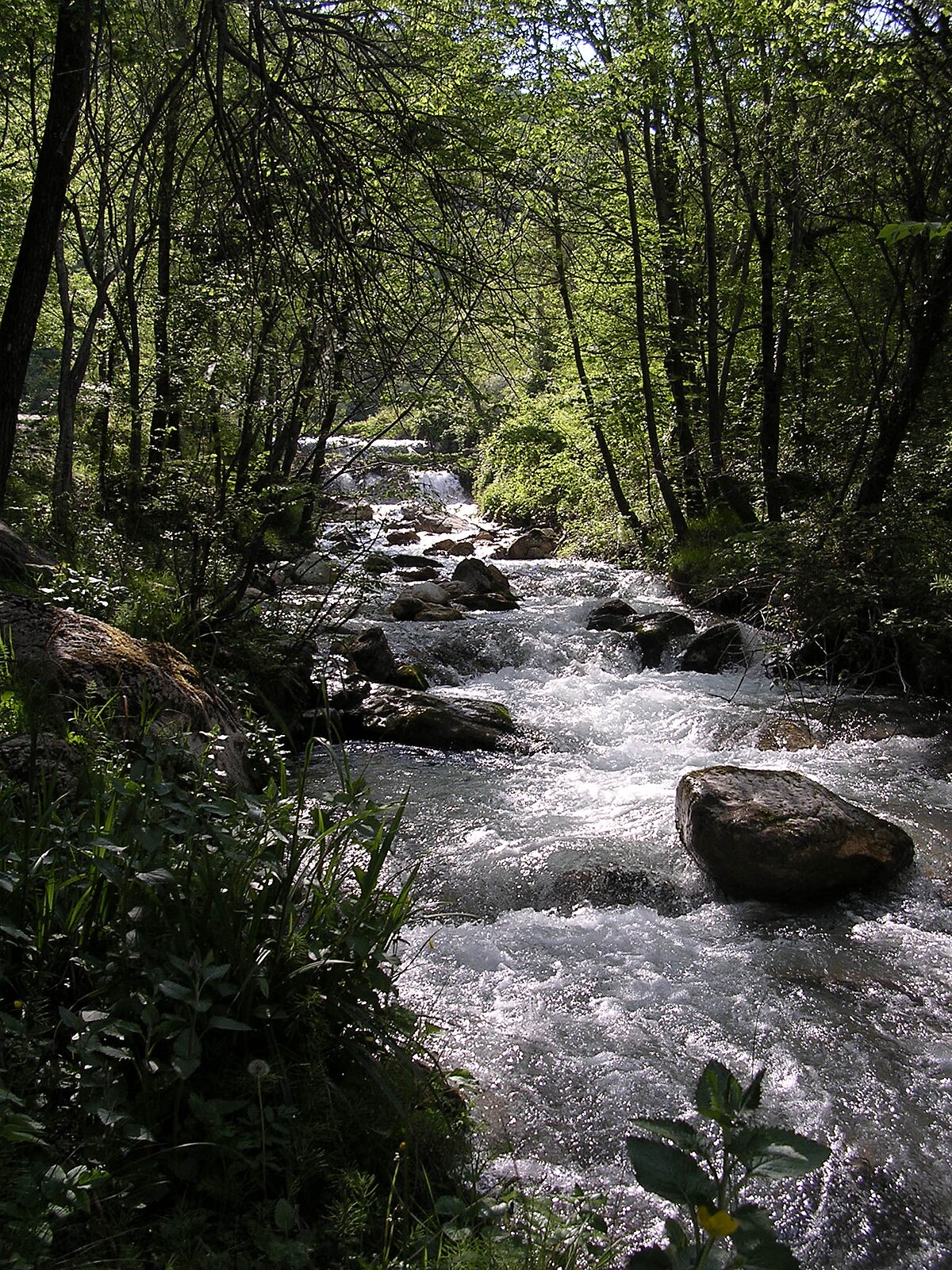
The Ambro River is a picturesque waterway in the Marche region of Italy, known for its serene landscapes and ecological significance.

Ancient Ostra
📍 marche, Italy
Ancient Ostra is an archaeological site located in Marche, Italy, notable for its remnants of an ancient Roman city that offers insights into …

Ancona
📍 marche, Italy
Ancona is a historic city in the Marche region of Italy, renowned for its stunning coastal views and significant maritime heritage.

Antiquarium of Palazzone
📍 marche, Italy
The Antiquarium of Palazzone is a museum located in Perugia, Italy, renowned for its collection of artifacts that showcase the region's rich …
Archivio Diocesano e Biblioteca dell'Arcidiocesi di Pesaro
📍 marche, Italy
The Archivio Diocesano e Biblioteca dell'Arcidiocesi di Pesaro is a conservation library in Marche, Italy, renowned for its extensive collection of …
Archivio e Biblioteca della Cattedrale di S. Rufino (Duomo)
📍 marche, Italy
The Archivio e Biblioteca della Cattedrale di S. Rufino (Duomo) is a historical library and archive located in Assisi, Italy, renowned for its rich …
More Old Town

Architecture in Poggiardo
📍 apulia, Italy
The architecture in Poggiardo is an enchanting old town located in Apulia, Italy, known for its charming streets and historical significance.

Borgo antico
📍 lombardy, Italy
The Borgo antico is the historic old town of Bagnaria in Lombardy, Italy, known for its charming medieval streets and authentic Italian atmosphere.
Borgo Antico Casamale
📍 campania, Italy
The Borgo Antico Casamale is an old town in Somma Vesuviana, Italy, renowned for its rich cultural heritage and historical architecture.
Borgo fortificato
📍 calabria, Italy
The Borgo fortificato is an old town in Condofuri, Calabria, Italy, celebrated for its historical architecture and cultural heritage.

Borgo medievale
📍 campania, Italy
Borgo medievale is a historical old town located in Brienza, Italy, renowned for its charming medieval architecture and rich cultural heritage.
borgo medievale di Introzzo
📍 lombardy, Italy
The borgo medievale di Introzzo is a historic old town in Lombardy, Italy, known for its charming medieval architecture and cultural heritage.