


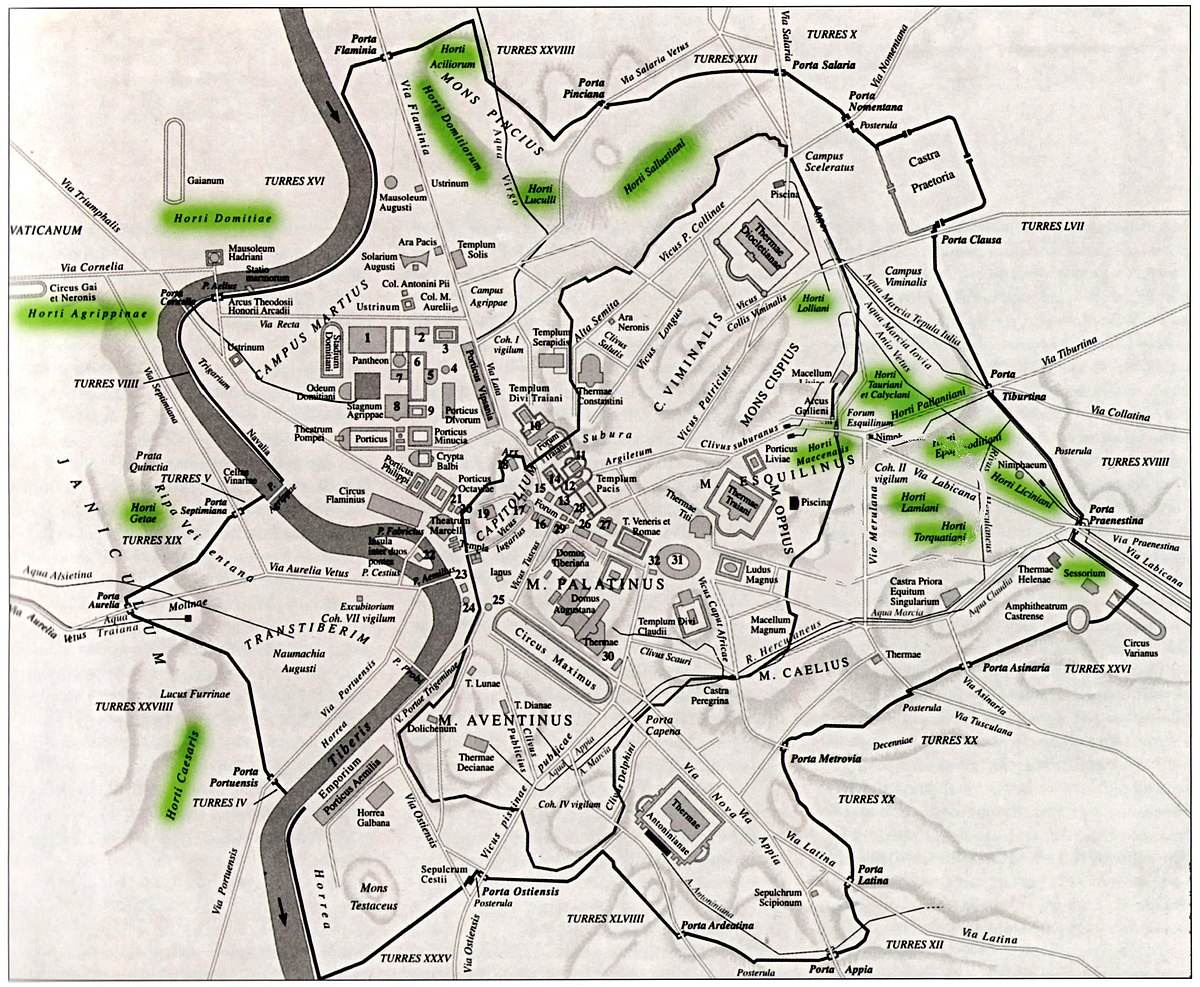

Gardens of Sallust
Overview
The Gardens of Sallust, or Horti Sallustiani, represent a fascinating chapter in the narrative of ancient Rome. Established in the mid-first century BCE, these gardens were one of the earliest examples of a private garden in the city, owned by the historian Sallust. Located in the Lazio region of Italy, the site is a testament to the opulence and innovation of Roman landscaping and architecture. Today, the remnants of these gardens offer a glimpse into the lifestyle and culture of the Roman elite, making it a significant destination for history enthusiasts and travelers alike.
Set against the backdrop of modern Rome, the Gardens of Sallust are not only an archaeological treasure but also a serene escape from the bustling city. Visitors can walk through the ruins, imagining the lush greenery and elaborate structures that once adorned the landscape. As you explore the site, you can reflect on the gardens’ influence on later European landscaping traditions, as well as the enduring legacy of Roman horticulture.
With a location that is both central and accessible, the Gardens of Sallust serve as a perfect starting point for those looking to delve deeper into the rich history of Rome. Whether you are a casual visitor or a serious scholar, the gardens promise an enlightening experience steeped in the echoes of history.
History and Significance
The Gardens of Sallust were created during a time of great transformation in Rome, around 50 BCE. Sallust, a prominent politician and historian, purchased this expansive piece of land, which was located on the Quirinal Hill, to build his luxurious residence and gardens. This site is significant for several reasons: it reflects the social and political dynamics of the late Roman Republic, showcases the evolution of Roman gardening practices, and illustrates the interplay between nature and architecture in ancient Rome.
The gardens were not merely aesthetic spaces; they were also symbols of power and wealth. The elite of Rome used gardens for leisure, entertainment, and as a display of their status. The Horti Sallustiani featured a variety of plants, ornamental water features, and possibly even sculptures, making it a sophisticated retreat. The site offers invaluable insights into Roman horticultural techniques and the cultural values associated with nature and beauty during this period.
Over the centuries, the gardens have undergone significant changes, particularly during the transition from the Roman Empire to the medieval period. As urban development continued, many parts of the gardens were lost, but excavations have revealed important archaeological findings that help historians piece together the site’s past. The Gardens of Sallust exemplify the complexities of Roman life, showcasing how nature, power, and culture were interwoven in the fabric of society.
Architecture and Features
While much of the Gardens of Sallust is in ruins today, the remnants reveal a complex and sophisticated landscape that reflects the architectural ingenuity of the ancient Romans. The gardens were designed with an intricate layout that incorporated terraces, pathways, and a variety of plant life. Visitors can still see the outlines of these features, which suggest an elaborate design that would have included shaded areas, open spaces, and ornamental plants.
Among the notable aspects of the gardens was the use of water, which played a crucial role in Roman garden design. It is believed that fountains and perhaps even small pools were integrated into the landscape, enhancing the natural beauty and providing a tranquil environment. The remains of these water features indicate the importance of hydrology in maintaining the gardens, showcasing Roman engineering skills.
The materials used in the construction of the gardens were characteristic of Roman architecture, with stone and concrete forming the basis of structures. Although much of the decorative elements have not survived, fragments of columns and other architectural remnants can be found throughout the site. These features not only illustrate the aesthetic values of the time but also the technological advancements in building and landscaping.
Walking through the Gardens of Sallust offers a unique opportunity to contemplate the past. The layout and design principles here influenced later European gardens and can be seen in various botanical settings across the continent. The gardens serve not just as a physical space but as a cultural landmark that continues to inspire contemporary gardening and landscape design.
Visiting Information
Visiting the Gardens of Sallust provides an opportunity to engage with Rome’s ancient history in a tranquil setting. Located centrally, the site is accessible via public transportation, including buses and the metro. Although specific hours and prices may vary, it is advisable to check the official website for current information before planning your visit.
Expect to spend around one to two hours exploring the gardens. The site is relatively compact, making it manageable for a leisurely stroll while allowing you to appreciate the historical context and architectural remains. The best times to visit are early in the morning or later in the afternoon, as this will help you avoid larger crowds and enjoy a more peaceful experience.
As you explore, look for informational signs that provide context about the various features of the gardens. While the site is not extensive, it is rich in history and provides an excellent opportunity for photography, especially in the softer light of early or late day.
Nearby Attractions
While the Gardens of Sallust are a destination in their own right, they are also conveniently located near several other notable attractions in Rome:
Santa Maria della Vittoria: This stunning Baroque church is famous for its spectacular artwork, including Bernini’s “Ecstasy of Saint Teresa.” It’s a short walk from the gardens.
Via Veneto: Known for its high-end shops and restaurants, this iconic street is just a stroll away. It served as the backdrop for the classic film “La Dolce Vita.”
Quirinal Palace: The official residence of the President of Italy, this historic palace features beautiful gardens and is open to visitors on select days.
Piazza Barberini: Home to the famous Triton Fountain and a gateway to the historic center of Rome, this bustling square is a short distance from the gardens.
Borghese Gallery: A little further afield, this art museum houses a magnificent collection of works by Caravaggio, Raphael, and Bernini, set within the beautiful surroundings of the Borghese Gardens.
Insider Tips
To make the most of your visit to the Gardens of Sallust, consider the following tips:
Photography: The gardens offer a picturesque setting for photography, particularly during the golden hours of sunrise and sunset. Bring a camera to capture the intricate ruins and serene atmosphere.
Crowd Avoidance: To enjoy a quieter experience, visit during weekdays rather than weekends. Early morning visits can also help you avoid larger groups.
Guided Tours: While self-exploration is rewarding, consider joining a guided tour for deeper insights into the history and significance of the gardens. Check for availability upon arrival.
Practical Information
When planning your visit to the Gardens of Sallust, keep these practical considerations in mind:
What to Bring: Wear comfortable shoes, as you will be walking on uneven surfaces. A water bottle is also advisable, especially during warmer months.
Seasonal Considerations: The gardens are best visited in spring or fall when the temperatures are mild. Summers can be hot, while winters may limit some outdoor activities.
Accessibility: The site may pose challenges for visitors with mobility issues due to uneven terrain. It is advisable to check the official website for specific accessibility information.
Frequently Asked Questions
How long should I spend visiting?
A visit typically takes around one to two hours, allowing you to explore the gardens at a leisurely pace and appreciate their historical significance.
Is photography allowed?
Yes, photography is allowed, so feel free to capture the beauty of the gardens and their architectural remains.
Are there guided tours?
Check for guided tour availability at the site, as they can provide valuable insights into the gardens’ history and features.
What’s the best time to visit?
Early mornings or late afternoons on weekdays are ideal for a quieter experience, allowing you to enjoy the gardens without large crowds.
Is it wheelchair accessible?
The terrain may be uneven, making accessibility challenging. It is best to consult the official website for detailed information.
Can I buy tickets online?
For current ticketing information, including online purchasing options, please refer to the official website.
Are there restrooms and cafes?
Facilities may be limited at the gardens, so check the official website for the latest information on available amenities.
What should I wear?
Comfortable clothing and shoes are recommended, as you will be walking through archaeological ruins and uneven surfaces.
Photo Gallery
Location
More in lazio
Abatino Park
📍 lazio, Italy
The Abatino Park is a serene natural park located in Lazio, Italy, offering visitors a peaceful retreat with lush landscapes and recreational …
Abbazia di Santa Maria di Ponza
📍 lazio, Italy
The Abbazia di Santa Maria di Ponza is a Cistercian monastery on Ponza Island, Italy, renowned for its serene atmosphere and historical significance.

Academia Belgica
📍 lazio, Italy
The Academia Belgica is a Belgian cultural institution located in Rome, Italy, notable for its role in promoting Belgian heritage and fostering …
Accademia di Belle Arti di Frosinone
📍 lazio, Italy
The Accademia di Belle Arti di Frosinone is an educational institution in Frosinone, Italy, renowned for its commitment to fostering artistic talent …
Acqua Vergine
📍 lazio, Italy
Acqua Vergine is a modern aqueduct located in Rome, Italy, known for its engineering marvel and role in the city's water supply system.

Acquedotto delle Arcatelle
📍 lazio, Italy
The Acquedotto delle Arcatelle is a 17th-century aqueduct located in Tarquinia, Italy, recognized for its impressive architectural design and …
More Archaeological Site

Abbazia di Santa Maria di Corazzo
📍 calabria, Italy
The Abbazia di Santa Maria di Corazzo is an archaeological site located in Carlopoli, Calabria, Italy, renowned for its historical significance and …

Abella
📍 campania, Italy
The archaeological site of Abella in Campania, Italy, is an ancient human settlement known for its historical significance and cultural heritage.

Abellinum
📍 campania, Italy
Abellinum is an archaeological site in Atripalda, Italy, known for its ancient ruins that reveal insights into Roman settlement and urban planning.

Aeculanum
📍 campania, Italy
Aeculanum is an archaeological site in Campania, Italy, known for its remnants of an ancient town that offer insight into early Roman urban life.
Aesernia
📍 molise, Italy
Aesernia is an ancient Roman archaeological site located in Molise, Italy, renowned for its well-preserved ruins that reflect the grandeur of Roman …

Alba Fucens
📍 lazio, Italy
Alba Fucens is an ancient archaeological site in Lazio, Italy, known for its well-preserved ruins that reflect the grandeur of a once-thriving Roman …