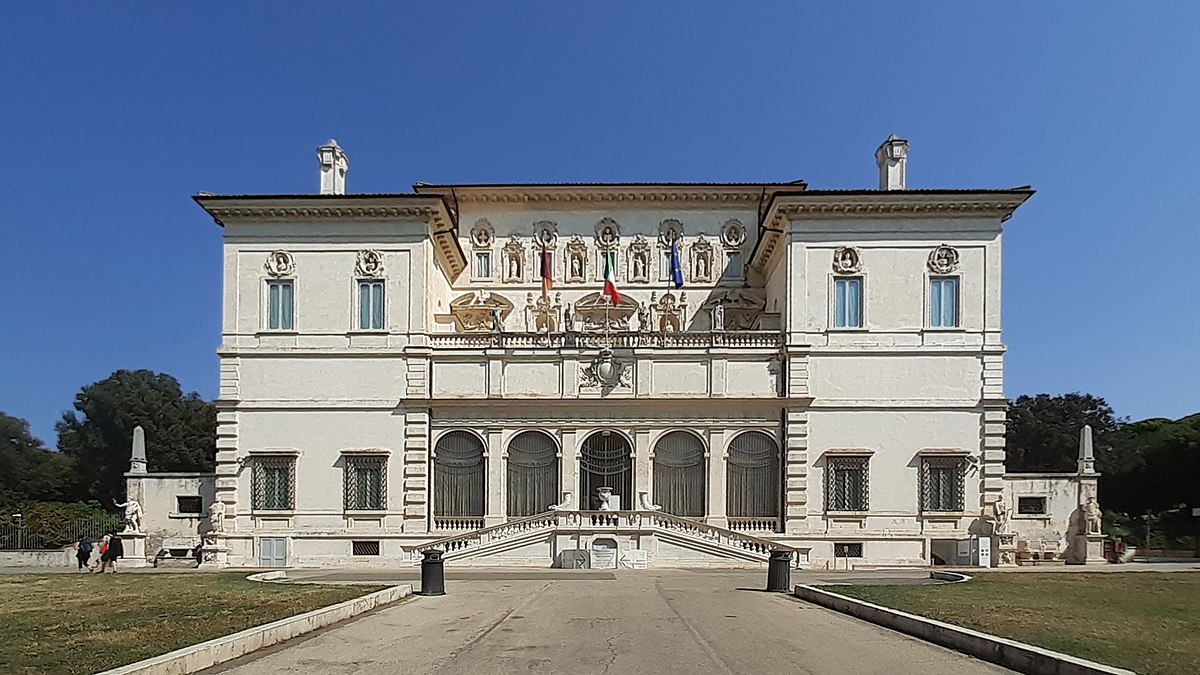


Galleria Borghese
Overview
The Galleria Borghese is an illustrious art museum located in the heart of Rome, housed within the serene Villa Borghese park. This museum stands out for its remarkable collection of Baroque and Renaissance art, featuring works by some of the most influential artists in history. Visitors to the Galleria Borghese can immerse themselves in a stunning array of paintings, sculptures, and antiquities that reflect the opulence of the Borghese family, who commissioned many of these works.
Set against the backdrop of the lush gardens of Villa Borghese, the museum not only showcases extraordinary art but also offers insights into the cultural and historical context of the period during which these works were created. As one of the premier cultural institutions in Rome, the Galleria Borghese presents an enriching experience that combines artistic beauty with historical significance, making it a must-visit destination for art lovers and history enthusiasts alike.
History and Significance
The origins of the Galleria Borghese can be traced back to the early 17th century when Cardinal Scipione Borghese, a prominent figure in the Catholic Church and a nephew of Pope Paul V, began amassing an impressive collection of art. His passion for collecting works of renowned artists led to the establishment of the gallery in 1613, transforming the villa into a showcase for his prized possessions.
Scipione’s collection included masterpieces by Caravaggio, who was known for his revolutionary use of light and shadow, and Gian Lorenzo Bernini, a celebrated sculptor whose dynamic works defined the Baroque style. The gallery’s collection also features significant works from Raphael, as well as ancient sculptures and Roman antiquities, reflecting the breadth of artistic endeavor during the Renaissance and Baroque periods.
The Galleria Borghese has played a crucial role in the preservation and promotion of Italian art, influencing generations of artists and collectors. It was officially opened to the public in the early 20th century, allowing a wider audience to appreciate the rich cultural heritage encapsulated within its walls. The museum is not only a repository of art but also a symbol of the Borghese family’s legacy, representing the intersection of art and aristocracy in Rome.
Architecture and Features
The Galleria Borghese occupies a villa designed by the architect Flaminio Ponzio in the early 17th century, showcasing an elegant blend of Renaissance and Baroque architectural styles. The building itself is a work of art, characterized by its symmetrical façade, classical columns, and decorative elements that reflect the grandeur of its collection.
Inside, the layout is designed to guide visitors through a series of elegantly appointed rooms, each housing different thematic collections. Among the notable rooms is the Salone, which features a stunning ceiling fresco by the artist Domenichino, depicting the story of Apollo and Daphne—a theme that is echoed in Bernini’s famous sculpture of the same name housed within the same space.
The museum’s collection is meticulously displayed, with an emphasis on allowing visitors to engage with the art in an intimate setting. Notable pieces include Caravaggio’s “Boy with a Basket of Fruit,” Bernini’s “David,” and Raphael’s “Lady with the Unicorn.” Each artwork is positioned to highlight its features, enabling visitors to appreciate the skill and creativity of the artists.
The surrounding gardens of Villa Borghese add to the charm of the museum, offering a peaceful retreat from the bustling streets of Rome. The combination of art and nature creates an inviting atmosphere, encouraging visitors to linger and soak in the beauty of their surroundings.
Visiting Information
Visiting the Galleria Borghese is an enriching experience, but it is essential to plan ahead. The museum is located within the Villa Borghese park, easily accessible by public transport. The nearest metro station is Spagna (Line A), and several bus lines also service the area. Check the official website for current information regarding hours and ticket prices, as these may vary.
A typical visit to the Galleria Borghese can take about two to three hours, allowing ample time to explore the various rooms and appreciate the artworks. It is advisable to book tickets in advance, as the museum limits the number of visitors to ensure a more enjoyable experience.
The best times to visit the museum are during the early morning or late afternoon, when crowds tend to be smaller. Weekdays are generally less busy than weekends, providing a more tranquil atmosphere for viewing the art.
Nearby Attractions
When visiting the Galleria Borghese, consider exploring these nearby attractions:
Villa Borghese Gardens: A sprawling park that surrounds the museum, perfect for leisurely strolls or picnics among lush greenery and beautiful fountains.
Bioparco di Roma: Located within the Villa Borghese, this historic zoo is home to a variety of animal species, making it a family-friendly destination.
Pincio Terrace: A scenic overlook that offers stunning panoramic views of Rome, particularly enchanting at sunset.
Museo Nazionale di Villa Giulia: A nearby museum dedicated to the Etruscan civilization, featuring a vast collection of Etruscan artifacts and art.
Spanish Steps: A short walk away, these iconic steps lead from the Piazza di Spagna to the Trinità dei Monti church, making for a picturesque photo opportunity.
Insider Tips
To enhance your visit to the Galleria Borghese, consider these insider tips:
Photography: While photography is often restricted inside museums, check the specific rules at Galleria Borghese. It is generally advisable to enjoy the art without the distraction of cameras.
Crowd Avoidance: Plan your visit during weekdays or early in the morning to avoid the largest crowds. Pre-booking your tickets can also help you bypass long lines.
Audio Guides: Consider renting an audio guide or joining a guided tour to gain deeper insights into the artworks and their historical context.
Practical Information
When preparing for your visit to the Galleria Borghese, keep these practical considerations in mind:
What to Bring: Comfortable walking shoes are recommended, as you’ll be exploring the museum and gardens. A small bag for personal items is advisable, but large backpacks may not be permitted.
Seasonal Considerations: The museum is open year-round, but be mindful of the varying crowd levels during peak tourist seasons, such as summer and major holidays.
Accessibility: The museum is equipped with facilities to accommodate visitors with mobility challenges. Check the official website for detailed information on accessibility options.
Frequently Asked Questions
How long should I spend visiting?
A visit typically takes about two to three hours, allowing time to fully appreciate the art and architecture.
Is photography allowed?
Photography rules may vary; check specific guidelines upon arrival.
Are there guided tours?
Yes, guided tours are available and can enhance your understanding of the collection.
What’s the best time to visit?
Early mornings or late afternoons on weekdays are generally less crowded.
Is it wheelchair accessible?
Yes, the museum offers facilities for visitors with mobility challenges.
Can I buy tickets online?
Yes, purchasing tickets online in advance is recommended to secure your entry.
Are there restrooms and cafes?
Restrooms are available, but check for any on-site dining options or nearby cafes.
What should I wear?
Dress comfortably, keeping in mind that you may be walking for an extended period.
Photo Gallery
Visit Information
Quick Facts
- Heritage Type
- Museum
- Region
- lazio
- Wikidata ID
- Q841506
More in lazio
Abatino Park
📍 lazio, Italy
The Abatino Park is a serene natural park located in Lazio, Italy, offering visitors a peaceful retreat with lush landscapes and recreational …
Abbazia di Santa Maria di Ponza
📍 lazio, Italy
The Abbazia di Santa Maria di Ponza is a Cistercian monastery on Ponza Island, Italy, renowned for its serene atmosphere and historical significance.

Academia Belgica
📍 lazio, Italy
The Academia Belgica is a Belgian cultural institution located in Rome, Italy, notable for its role in promoting Belgian heritage and fostering …
Accademia di Belle Arti di Frosinone
📍 lazio, Italy
The Accademia di Belle Arti di Frosinone is an educational institution in Frosinone, Italy, renowned for its commitment to fostering artistic talent …
Acqua Vergine
📍 lazio, Italy
Acqua Vergine is a modern aqueduct located in Rome, Italy, known for its engineering marvel and role in the city's water supply system.

Acquedotto delle Arcatelle
📍 lazio, Italy
The Acquedotto delle Arcatelle is a 17th-century aqueduct located in Tarquinia, Italy, recognized for its impressive architectural design and …
More Museum

Aghinolfi Castle
📍 tuscany, Italy
Aghinolfi Castle is a historic museum located in Montignoso, Tuscany, Italy, renowned for its medieval architecture and rich cultural heritage.
Alessi Museum
📍 sicily, Italy
The Alessi Museum is a captivating museum located in Sicily, Italy, renowned for its unique collection of decorative arts and design pieces.
Anatomical Museum "Eugenio Morelli"
📍 lazio, Italy
The Anatomical Museum "Eugenio Morelli" is a museum in Lazio, Italy, renowned for its fascinating collection of anatomical specimens and educational …

Antiquarium of Palazzone
📍 marche, Italy
The Antiquarium of Palazzone is a museum located in Perugia, Italy, renowned for its collection of artifacts that showcase the region's rich …
Aquarium of Alghero
📍 sardinia, Italy
The Aquarium of Alghero is a fascinating museum in Sardinia, Italy, known for its diverse marine life exhibits and educational experiences.

Ara Pacis
📍 lazio, Italy
The Ara Pacis is an ancient Roman monument located in Rome, Italy, renowned for its intricate relief sculptures and its role in celebrating peace and …