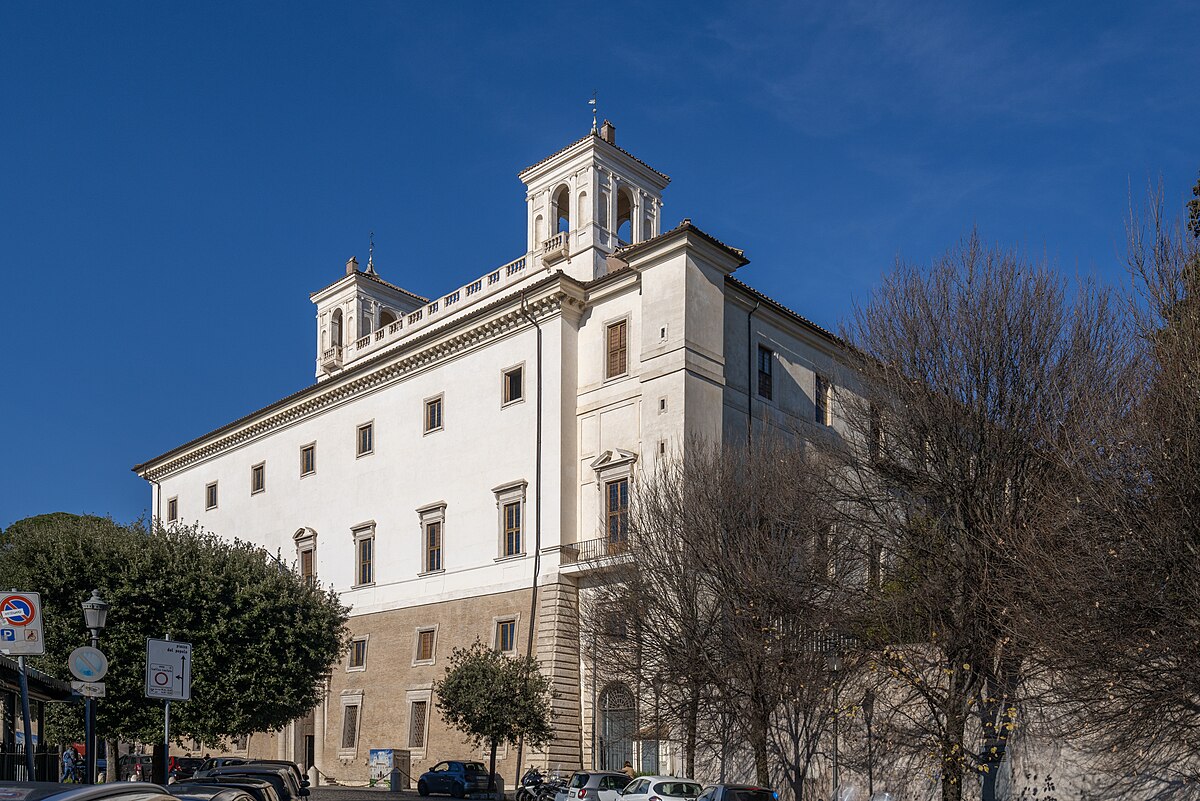


French Academy in Rome
Overview
The French Academy in Rome, or Académie de France à Rome, serves as a vital hub for artistic excellence and cultural exchange. Established with the intention of nurturing French artists and scholars, this academy is housed in the historic Villa Medici, an architectural masterpiece dating back to the Renaissance. The academy is situated atop the Pincian Hill, offering a unique perspective on the city of Rome while remaining closely linked to the rich artistic traditions of France.
Over the years, the French Academy has fostered a number of prominent artists, architects, and thinkers, contributing significantly to the cultural landscape of both France and Italy. Not only does it provide a place for artistic creation, but it also hosts various exhibitions, events, and performances, making it a dynamic part of Rome’s cultural scene. Visitors to the academy can expect to engage with contemporary art while appreciating the historical context that informs it.
History and Significance
The French Academy in Rome has its roots in the desire to cultivate artistic talent in a city that has long been a center of creativity and innovation. While the exact date of its founding is not specified, the academy has played a significant role in shaping the careers of numerous artists since its inception. The institution aims to provide an immersive experience for its residents, allowing them to draw inspiration from the rich artistic heritage of Rome.
The academy’s historical significance is underscored by its association with renowned artists who have walked its halls. It serves not only as a school but also as a cultural exchange platform, strengthening ties between France and Italy through artistic collaboration. The Villa Medici itself, with its Renaissance architecture and lush gardens, provides a picturesque backdrop that enhances the creative process for those who reside there.
In addition to its educational mission, the French Academy is known for its public programs, which include exhibitions of contemporary art and performances that attract art enthusiasts from around the world. This active engagement with the public ensures that the academy remains a living part of the artistic dialogue between France and Italy.
Architecture and Features
The Villa Medici, the home of the French Academy in Rome, is an exquisite example of Renaissance architecture. Originally built in the 16th century as a private residence, the villa features a grand façade, elegant courtyards, and beautifully landscaped gardens that reflect the aesthetic sensibilities of the time.
Upon entering the villa, visitors are greeted by a stunning staircase that leads to various galleries and studios. The interior spaces are designed to inspire creativity, with high ceilings, ample natural light, and a harmonious flow between rooms. The academy is equipped with modern art studios and exhibition spaces that contrast beautifully with the historical elements of the building.
The gardens surrounding the villa are equally noteworthy, offering a tranquil escape amidst the hustle and bustle of Rome. Here, visitors can stroll through meticulously maintained paths, enjoying views of the city and the surrounding landscape. The blend of historical architecture and contemporary artistic practice creates a unique environment that encourages both reflection and innovation.
Visiting Information
To visit the French Academy in Rome, travelers can easily reach the site via public transport. The academy is accessible by bus and metro, with various stops located nearby. The area surrounding the villa is pedestrian-friendly, making it easy to explore on foot.
Check the official website for current information on visiting hours and ticket prices, as special events and exhibitions may alter regular access. A typical visit to the academy can last anywhere from one to two hours, depending on the interest in the exhibitions and the gardens. For the best experience, consider visiting during the weekday when crowds are generally smaller, allowing for a more intimate exploration of the art and architecture.
While the academy is not primarily a tourist site, its public programs and exhibitions are open to visitors. Attending an event or exhibition can provide deeper insight into the work being produced by the resident artists and the current cultural dialogues being explored.
Nearby Attractions
The French Academy in Rome is strategically located near several notable attractions that enhance a visitor’s experience in the city:
Pincio Gardens: Just a short walk from the academy, these gardens offer stunning views of the city and a peaceful retreat within the bustling urban environment.
Villa Borghese: One of Rome’s most famous parks, Villa Borghese is home to several museums, including the Borghese Gallery, showcasing a remarkable collection of art.
Spanish Steps: A few minutes away, this iconic staircase is a must-visit landmark, connecting the Piazza di Spagna with the Trinità dei Monti church.
Galleria Doria Pamphilj: Located in the vicinity, this gallery houses an impressive collection of paintings and sculptures from the Renaissance and Baroque periods.
Piazza del Popolo: A vibrant public square, Piazza del Popolo is an excellent spot for people-watching and enjoying the local atmosphere.
Insider Tips
For those planning to visit the French Academy in Rome, here are some insider tips to enhance your experience:
Photography: While photography may be allowed in some areas, be mindful of any restrictions, especially during exhibitions. Always check signage and ask staff if unsure.
Crowd Avoidance: Visiting during the early afternoon on weekdays is often less crowded, allowing for a more leisurely exploration of the art and the grounds.
Attend Events: Check the academy’s schedule for public events, lectures, or performances that may coincide with your visit. These can provide unique insights into contemporary art practices.
Practical Information
When planning your visit to the French Academy in Rome, consider the following practical information:
What to Bring: A camera is recommended for capturing the beautiful architecture and gardens. Comfortable walking shoes are also advisable for exploring the grounds.
Seasonal Considerations: The best times to visit are during the spring and fall when the weather is pleasant, and the gardens are in full bloom.
Accessibility: While the academy is generally accessible, some areas may be challenging for those with mobility issues. It’s best to inquire ahead for specific accommodations.
Frequently Asked Questions
How long should I spend visiting?
A visit typically takes about one to two hours, depending on your interest in the exhibitions and gardens.
Is photography allowed?
Photography policies may vary; check local signs and ask staff for guidelines.
Are there guided tours?
While the academy may offer guided tours during specific events, it’s advisable to check the official website for availability.
What’s the best time to visit?
Weekdays, particularly in the early afternoon, tend to be less crowded, providing a more peaceful experience.
Is it wheelchair accessible?
The villa and gardens have some accessibility features, but it’s recommended to inquire about specific accommodations in advance.
Can I buy tickets online?
Check the official website for current ticketing options and any available online purchases.
Are there restrooms and cafes?
Facilities may be limited. It is advisable to plan accordingly and explore nearby cafes for refreshments.
What should I wear?
Dress comfortably, and consider wearing shoes suitable for walking, especially if you plan to explore the gardens.
Photo Gallery
Visit Information
Quick Facts
- Heritage Type
- Educational Institution
- Region
- lazio
- Wikidata ID
- Q337494
More in lazio
Abatino Park
📍 lazio, Italy
The Abatino Park is a serene natural park located in Lazio, Italy, offering visitors a peaceful retreat with lush landscapes and recreational …
Abbazia di Santa Maria di Ponza
📍 lazio, Italy
The Abbazia di Santa Maria di Ponza is a Cistercian monastery on Ponza Island, Italy, renowned for its serene atmosphere and historical significance.

Academia Belgica
📍 lazio, Italy
The Academia Belgica is a Belgian cultural institution located in Rome, Italy, notable for its role in promoting Belgian heritage and fostering …
Accademia di Belle Arti di Frosinone
📍 lazio, Italy
The Accademia di Belle Arti di Frosinone is an educational institution in Frosinone, Italy, renowned for its commitment to fostering artistic talent …
Acqua Vergine
📍 lazio, Italy
Acqua Vergine is a modern aqueduct located in Rome, Italy, known for its engineering marvel and role in the city's water supply system.

Acquedotto delle Arcatelle
📍 lazio, Italy
The Acquedotto delle Arcatelle is a 17th-century aqueduct located in Tarquinia, Italy, recognized for its impressive architectural design and …
More Educational Institution
Abiogen Pharma
📍 tuscany, Italy
Abiogen Pharma is an educational institution located in Pisa, Italy, recognized for its contributions to pharmaceutical education and research.
Academia Belgica
📍 lazio, Italy
The Academia Belgica is a Belgian cultural institution located in Rome, Italy, notable for its role in promoting Belgian heritage and fostering …

Accademia Atestina di Belle Arti
📍 emilia-romagna, Italy
Accademia Atestina di Belle Arti is a fine arts academy located in Emilia-Romagna, Italy, renowned for fostering artistic talent and creativity.
Accademia di Belle Arti di Frosinone
📍 lazio, Italy
The Accademia di Belle Arti di Frosinone is an educational institution in Frosinone, Italy, renowned for its commitment to fostering artistic talent …
Adventist Institute of Biblical Culture Villa Aurora
📍 tuscany, Italy
The Adventist Institute of Biblical Culture Villa Aurora is a cultural institution located in Florence, Italy, known for its dedication to biblical …

Agape Centro Ecumenico
📍 piedmont, Italy
Agape Centro Ecumenico is an educational institution located in Prali, Italy, offering a unique blend of spiritual retreat and educational programs in …