


Free Territory of Trieste
Overview
The Free Territory of Trieste, a once-sovereign entity, holds a unique place in European history, representing a crossroads of cultures and political narratives. Situated in the northeastern part of Italy, it was established in the aftermath of World War II, embodying the complexities of territorial disputes and international diplomacy. Although it has since been absorbed into Italy, the legacy of this city-state continues to shape its identity, making it a significant and intriguing destination for travelers.
Trieste’s geographical setting along the Adriatic Sea has historically made it a key port and a gateway between Central Europe and the Mediterranean. The city’s diverse influences—from Italian to Slavic, and even Austrian—are visible in its architecture, cuisine, and cultural practices. With a population that reflects a blend of these backgrounds, Trieste is a vibrant mosaic of traditions. Visitors to this remarkable city can expect to explore its fascinating history, experience its multicultural atmosphere, and appreciate its picturesque coastal views.
History and Significance
The Free Territory of Trieste emerged as a result of the geopolitical upheavals following World War II. Established in 1947 under the Treaty of Peace with Italy, it was designed to resolve territorial disputes involving Italy, Yugoslavia, and the local population. The territory included the city of Trieste and surrounding areas, functioning as a neutral zone for a brief period before it was officially annexed by Italy in 1954.
Trieste’s history is deeply entwined with that of the Austro-Hungarian Empire, which ruled the region until the end of World War I. This period brought about significant economic growth, transforming Trieste into a bustling port city. The empire’s influence also left a mark on the city’s architecture and cultural institutions, which continue to reflect a blend of Italian and Central European styles.
Culturally, Trieste is notable for its literary legacy. It was home to several prominent writers, including James Joyce and Italo Svevo, both of whom contributed to the city’s rich intellectual tradition. The multicultural fabric of Trieste is underscored by its diverse population, which includes Italians, Slovenes, and Croats, leading to a unique blend of languages, customs, and culinary traditions.
Today, the city celebrates its complex identity through various cultural festivals, museums, and historical sites that highlight its multifaceted heritage. The Free Territory of Trieste stands as a reminder of the region’s turbulent past and its ongoing evolution, continuing to attract visitors who are curious about its historical significance and cultural richness.
Architecture and Features
Trieste’s architectural landscape is a reflection of its diverse history, with influences from various eras and styles. The city’s skyline is dominated by the impressive Castello di Miramare, a 19th-century castle perched on a cliff overlooking the Adriatic Sea. Built for Archduke Ferdinand Maximilian of Austria, the castle is an exquisite example of Romantic architecture, featuring beautifully landscaped gardens and stunning sea views.
The central square, Piazza Unità d’Italia, is one of the largest waterfront squares in Europe, surrounded by neoclassical buildings that showcase Trieste’s grandeur. The square is a hub of activity, often hosting events and gatherings, and is an ideal spot for visitors to take in the vibrant atmosphere of the city. Key architectural landmarks around the square include the Palazzo del Governo and the historic Caffè degli Specchi, a traditional café that has been a meeting place for intellectuals and artists since the 19th century.
In addition to its historical buildings, Trieste is also home to several churches that reflect its religious diversity. The Cathedral of San Giusto, with its stunning mosaics and Romanesque architecture, stands as a testament to the city’s Christian heritage. The Serbian Orthodox Church of Saint Spyridon and the Basilica di Santa Maria Maggiore highlight the city’s multicultural fabric, showcasing the coexistence of different faiths.
The architecture of Trieste is a living history book, narrating tales of its imperial past and the various cultural influences that have shaped it over the centuries. Visitors are encouraged to explore the city’s streets, where each turn reveals a new architectural delight, from grand palaces to quaint alleyways adorned with local shops and cafés.
Visiting Information
Traveling to the Free Territory of Trieste is accessible and convenient. The city is serviced by the Trieste Airport, located approximately 30 kilometers from the city center, with regular flights connecting it to major European cities. Once in Trieste, visitors can use public transportation, including buses and trams, to navigate the city. The compact nature of Trieste also makes it ideal for exploration on foot, allowing travelers to immerse themselves in the local atmosphere.
When planning a visit, it’s important to check the official website for current information regarding opening hours and ticket prices for various attractions. Many sites, including museums and historical landmarks, may have specific visiting hours or seasonal schedules. A typical visit to Trieste can range from a few hours for a quick tour of the main sights to a couple of days for a more in-depth exploration of the city’s cultural offerings.
The best times to visit Trieste are during the spring and fall, when the weather is mild and conducive to outdoor activities. The summer months can be quite warm, while winter may bring cooler temperatures, although the city’s charm remains throughout the year.
Nearby Attractions
While exploring the Free Territory of Trieste, visitors can discover several nearby attractions worth visiting:
Miramare Castle: Located just a short distance from the city center, this historic castle offers beautiful gardens and stunning sea views.
The Roman Theatre of Trieste: An archaeological site that showcases the remnants of a Roman theater, providing insight into the city’s ancient history.
Grado: A charming coastal town known for its sandy beaches and picturesque canals, perfect for a day trip from Trieste.
Sistiana Bay: A scenic bay area offering opportunities for swimming, hiking, and enjoying the natural beauty of the region.
Villa Manin: Located a bit further afield, this historic villa features beautiful gardens and hosts art exhibitions throughout the year.
Insider Tips
To make the most of your visit to Trieste, consider these insider tips:
Photography: Early morning or late afternoon provides the best light for capturing the city’s architectural details. The waterfront areas of Piazza Unità d’Italia and Castello di Miramare offer particularly stunning backdrops.
Crowd Avoidance: Visit popular attractions during weekdays or early in the morning to avoid the larger crowds, especially during peak tourist seasons.
Local Cuisine: Don’t miss out on trying local specialties such as jota (a hearty bean and sauerkraut soup) and the region’s wines, particularly the whites from the Collio area.
Practical Information
When visiting Trieste, it’s advisable to bring comfortable walking shoes, as many attractions are best explored on foot. Given the city’s coastal climate, layers are recommended, with light clothing for warmer months and warmer attire for the cooler seasons.
Seasonal considerations include the various festivals that occur throughout the year, showcasing Trieste’s cultural vibrancy. Be sure to check local listings for events that may coincide with your visit.
Frequently Asked Questions
How long should I spend visiting?
A visit to Trieste typically ranges from a few hours to a couple of days, depending on your interests and the depth of exploration desired.
Is photography allowed?
Yes, photography is generally allowed in public spaces and many attractions, but be mindful of any specific restrictions at certain sites.
Are there guided tours?
Yes, guided tours are available for various attractions, providing insightful commentary on Trieste’s history and culture.
What’s the best time to visit?
The best times to visit Trieste are in spring (April to June) and fall (September to October) when the weather is pleasant and the city is less crowded.
Is it wheelchair accessible?
Many areas of Trieste are accessible, but some historical sites may have limitations. It’s advisable to check specific venues for accessibility options.
Can I buy tickets online?
Check the official website for current information regarding online ticket purchases for attractions and events.
Are there restrooms and cafes?
Public restrooms are available in various locations, and there are numerous cafés and restaurants throughout the city for dining options.
What should I wear?
Dress comfortably and in layers, especially if visiting during transitional seasons, to adapt to changing weather conditions.
Photo Gallery
More in friuli-venezia-giulia

acquedotto veneziano
📍 friuli-venezia-giulia, Italy
The acquedotto veneziano is an ancient aqueduct located in Palmanova, Friuli-Venezia Giulia, Italy, known for its historical significance and …
Associazione Corale C. A. Seghizzi, Archivio-Biblioteca
📍 friuli-venezia-giulia, Italy
The Associazione Corale C. A. Seghizzi, Archivio-Biblioteca is a library and archive located in Gorizia, Italy, known for its unique collection …

Ausa
📍 friuli-venezia-giulia, Italy
The Ausa River is a serene waterway located in the Friuli-Venezia Giulia region of Italy, known for its picturesque landscapes and cultural …

Bacino di Rutte
📍 friuli-venezia-giulia, Italy
The Bacino di Rutte is a significant dam located in Friuli-Venezia Giulia, Italy, known for its engineering prowess and role in local water …
Biblioteca del Corso di diploma per fisioterapista dell'Università degli studi di Trieste
📍 friuli-venezia-giulia, Italy
The Biblioteca del Corso di diploma per fisioterapista dell'Università degli studi di Trieste is a specialized library in Trieste, Italy, dedicated to …
Biblioteca del Dipartimento di ingegneria civile dell'Università degli studi di Trieste
📍 friuli-venezia-giulia, Italy
The Biblioteca del Dipartimento di ingegneria civile dell'Università degli studi di Trieste is a specialized library in Trieste, Italy, known for its …
More City-State

Alba Longa
📍 lazio, Italy
Alba Longa is an ancient city-state in Lazio, Italy, known for its historical significance as the legendary birthplace of Rome and rich cultural …

Caere
📍 lazio, Italy
Caere, an ancient Etruscan metropolis located in Lazio, Italy, is renowned for its archaeological significance and well-preserved necropolises.
Clusium
📍 tuscany, Italy
The ancient Etruscan city-state of Clusium in Tuscany, Italy, is renowned for its archaeological significance and rich cultural heritage.
Corniculum
📍 lazio, Italy
Corniculum is an ancient Latin town in Lazio, Italy, renowned for its historical significance as a former city-state and cultural center.
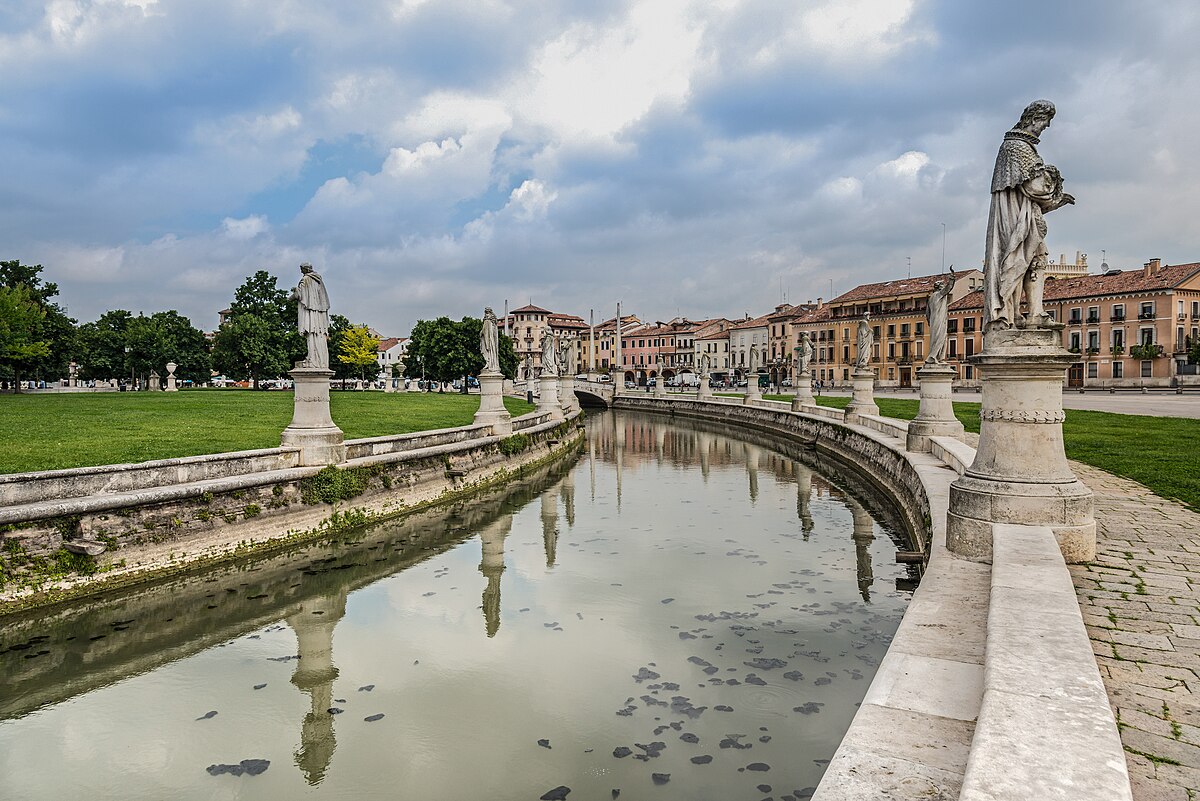
Padua
📍 veneto, Italy
Padua is a historic city-state in Veneto, Italy, renowned for its rich cultural heritage and stunning architecture, including the famous Scrovegni …