


Foglia
Overview
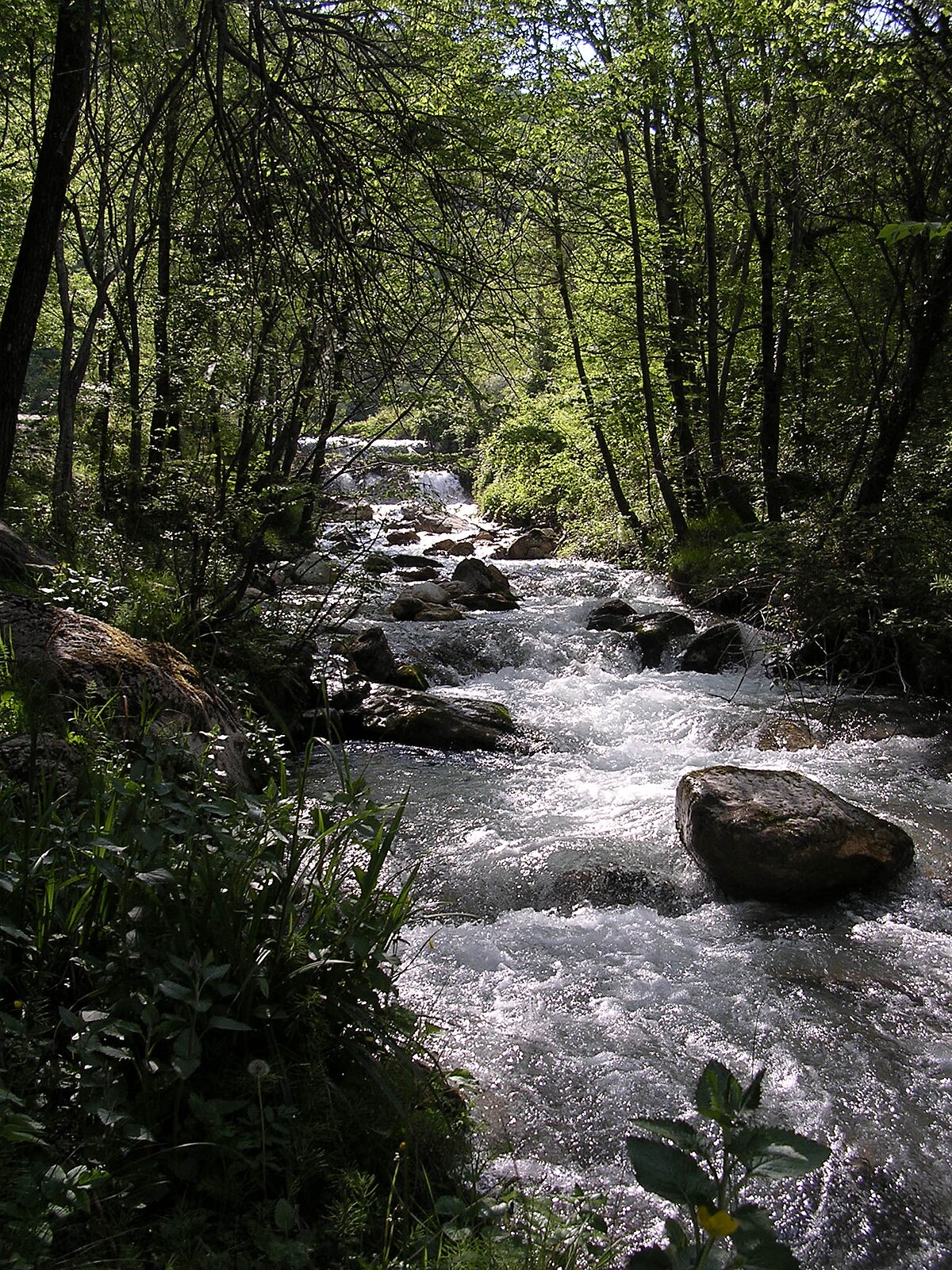
Flowing gracefully through the heart of Italy’s Marche region, the Foglia River is a natural feature that captivates visitors with its tranquil beauty and ecological importance. Originating from the Apennine Mountains, the river meanders for approximately 70 kilometers before reaching its confluence with the Adriatic Sea. The river’s course is characterized by lush vegetation and diverse wildlife, making it a vital ecosystem within the region. Its banks offer a peaceful retreat for nature enthusiasts, hikers, and those seeking a quiet escape from the hustle and bustle of urban life. The Foglia serves not only as a breathtaking natural landmark but also plays a crucial role in the local community’s heritage and economy, contributing to agriculture and tourism.
Visitors to the Foglia River can expect a combination of serene natural beauty and a glimpse into the cultural landscape of Marche, where traditional villages and historical sites are often just a stone’s throw away. Whether you are an avid bird watcher or a casual walker, the Foglia presents an enriching experience that highlights the harmonious relationship between nature and local culture.
History and Significance
The Foglia River has been an essential waterway throughout history, providing sustenance and a means of transportation for the communities along its banks. The river’s significance dates back to ancient times when it was integral to the agricultural practices of the region. The fertile lands surrounding the Foglia have long supported local farming, contributing to the economy and livelihood of the inhabitants.
Historically, the river has served as a boundary for various territories, influencing the development of settlements and trade routes in the area. The towns that have developed along the Foglia, such as Pesaro, have rich histories that intertwine with the river’s flow. Pesaro, for example, is known for its historical architecture and cultural landmarks, which reflect the region’s storied past.
In contemporary times, the Foglia continues to be vital not only for its ecological contributions but also for recreational purposes. The river is a popular spot for kayaking, fishing, and hiking, drawing visitors who seek to engage with the natural environment. Conservation efforts have also been implemented to preserve the river’s ecosystem, ensuring that it remains a vibrant habitat for flora and fauna.
Architecture and Features
The Foglia River is primarily recognized for its natural beauty rather than man-made structures. The river flows through a landscape characterized by rolling hills, dense woodlands, and agricultural fields. The banks of the Foglia are lined with lush greenery, which provides a habitat for a variety of wildlife, including numerous bird species that can be spotted throughout the year.
While the river itself does not feature traditional architectural elements, the towns and villages along its banks offer a glimpse into the region’s historical architecture. Many of these towns have preserved medieval structures, charming piazzas, and quaint streets that reflect the heritage of the Marche region. The surrounding landscape, combined with the river’s gentle flow, creates a picturesque setting that is both tranquil and visually captivating.
Visitors can often find picnic areas and walking trails along the river, allowing for leisurely exploration of its banks. These natural features create a harmonious backdrop for outdoor activities and provide ample opportunities for photography and wildlife observation.
Visiting Information
Traveling to the Foglia River is relatively straightforward, with several access points available throughout the Marche region. The river can be reached easily by car, with well-maintained roads leading to various towns along its path. For those using public transport, local buses connect major cities like Pesaro and Urbino to smaller towns near the river.
When planning a visit, it’s advisable to check the official website for current information regarding any seasonal activities or events that may be happening along the river. The best times to visit the Foglia are during the spring and fall when the weather is mild, and the natural scenery is at its most vibrant. Expect to spend a few hours exploring the riverbanks, enjoying activities such as walking, picnicking, or bird watching.
Facilities like restrooms and cafes may be limited, so it’s wise to prepare accordingly. Many visitors find that a half-day is sufficient to enjoy the tranquility of the river and its surroundings.
Nearby Attractions
- Pesaro: A nearby coastal city known for its rich history, architectural landmarks, and beautiful beaches. Visitors can explore the historic center and enjoy local cuisine.
- Urbino: A UNESCO World Heritage site famous for its Renaissance architecture and as the birthplace of the painter Raphael. The Ducal Palace is a must-see.
- San Marino: A small independent republic located nearby, known for its medieval architecture and stunning views from the mountain.
- Monte San Bartolo Natural Park: A protected area that offers hiking trails, coastal views, and opportunities to observe local wildlife.
- Fano: A charming seaside town with a rich history, featuring Roman ruins and a beautiful promenade along the Adriatic coast.
Insider Tips
For those keen on photography, early mornings or late afternoons offer the best natural lighting for capturing the serene beauty of the Foglia River. The surrounding landscape is particularly stunning at sunrise and sunset. To avoid crowds, consider visiting during weekdays rather than weekends.
Hikers should be aware that some trails may be more popular than others; seeking out less-traveled paths can enhance your experience of the river’s peaceful ambiance. Always carry a water bottle and wear comfortable shoes, as you may find yourself exploring for longer than expected.
Practical Information
When visiting the Foglia River, it’s essential to bring along some basic supplies. A picnic blanket, snacks, and a bottle of water can enhance your experience, especially if you plan to spend a few hours enjoying the peaceful surroundings.
Seasonal considerations are also important; summers can be warm, so sun protection and comfortable clothing are recommended. Spring and fall are generally more pleasant for outdoor activities, with milder temperatures and beautiful foliage.
Dress appropriately for outdoor activities, and consider bringing a light jacket for cooler evenings. If you plan to engage in any water activities, ensure you have the necessary gear and check conditions beforehand.
Frequently Asked Questions
How long should I spend visiting?
A visit of about 3-4 hours is ideal for leisurely exploring the river and its surroundings.
Is photography allowed?
Yes, photography is encouraged, especially of the natural landscape and wildlife.
Are there guided tours?
While there may not be structured guided tours specifically for the river, local tourist information centers can provide resources for self-guided exploration.
What’s the best time to visit?
Spring and fall are the best times to visit the Foglia River for pleasant weather and vibrant scenery.
Is it wheelchair accessible?
Access may vary by location along the river; check specific areas for wheelchair-friendly paths.
Can I buy tickets online?
There are no entry fees for accessing the river; however, check local attractions for ticketing information.
Are there restrooms and cafes?
Facilities may be limited; it’s advisable to bring your own supplies and plan for restroom breaks in nearby towns.
What should I wear?
Comfortable, weather-appropriate clothing and sturdy shoes are recommended for outdoor activities along the river.
Photo Gallery
More in marche
Ambro
📍 marche, Italy
The Ambro River is a picturesque waterway in the Marche region of Italy, known for its serene landscapes and ecological significance.

Ancient Ostra
📍 marche, Italy
Ancient Ostra is an archaeological site located in Marche, Italy, notable for its remnants of an ancient Roman city that offers insights into …

Ancona
📍 marche, Italy
Ancona is a historic city in the Marche region of Italy, renowned for its stunning coastal views and significant maritime heritage.

Antiquarium of Palazzone
📍 marche, Italy
The Antiquarium of Palazzone is a museum located in Perugia, Italy, renowned for its collection of artifacts that showcase the region's rich …
Archivio Diocesano e Biblioteca dell'Arcidiocesi di Pesaro
📍 marche, Italy
The Archivio Diocesano e Biblioteca dell'Arcidiocesi di Pesaro is a conservation library in Marche, Italy, renowned for its extensive collection of …
Archivio e Biblioteca della Cattedrale di S. Rufino (Duomo)
📍 marche, Italy
The Archivio e Biblioteca della Cattedrale di S. Rufino (Duomo) is a historical library and archive located in Assisi, Italy, renowned for its rich …
More River

Adige
📍 trentino-alto-adige, Italy
The Adige is a prominent river in northern Italy's Trentino-Alto Adige region, celebrated for its stunning landscapes and cultural significance.

Adigetto
📍 veneto, Italy
Adigetto is a serene river located in the Veneto region of Italy, known for its tranquil waters and natural beauty, offering a peaceful retreat for …
Afra
📍 tuscany, Italy
The Afra is a river in Tuscany, Italy, recognized for its tranquil waters and scenic surroundings that embody the natural beauty of the Italian …
Agamo
📍 lombardy, Italy
The Agamo is a river in Lombardy, Italy, known for its serene waters and the scenic landscapes it traverses, offering a tranquil escape into nature.
Agna
📍 tuscany, Italy
The Agna River is a serene waterway in Tuscany, Italy, known for its picturesque surroundings and the tranquil landscapes it traverses.

Agno
📍 veneto, Italy
The Agno River is a picturesque waterway in Veneto, Italy, recognized for its serene landscape and cultural significance in the region.