
Fiastrone
Overview
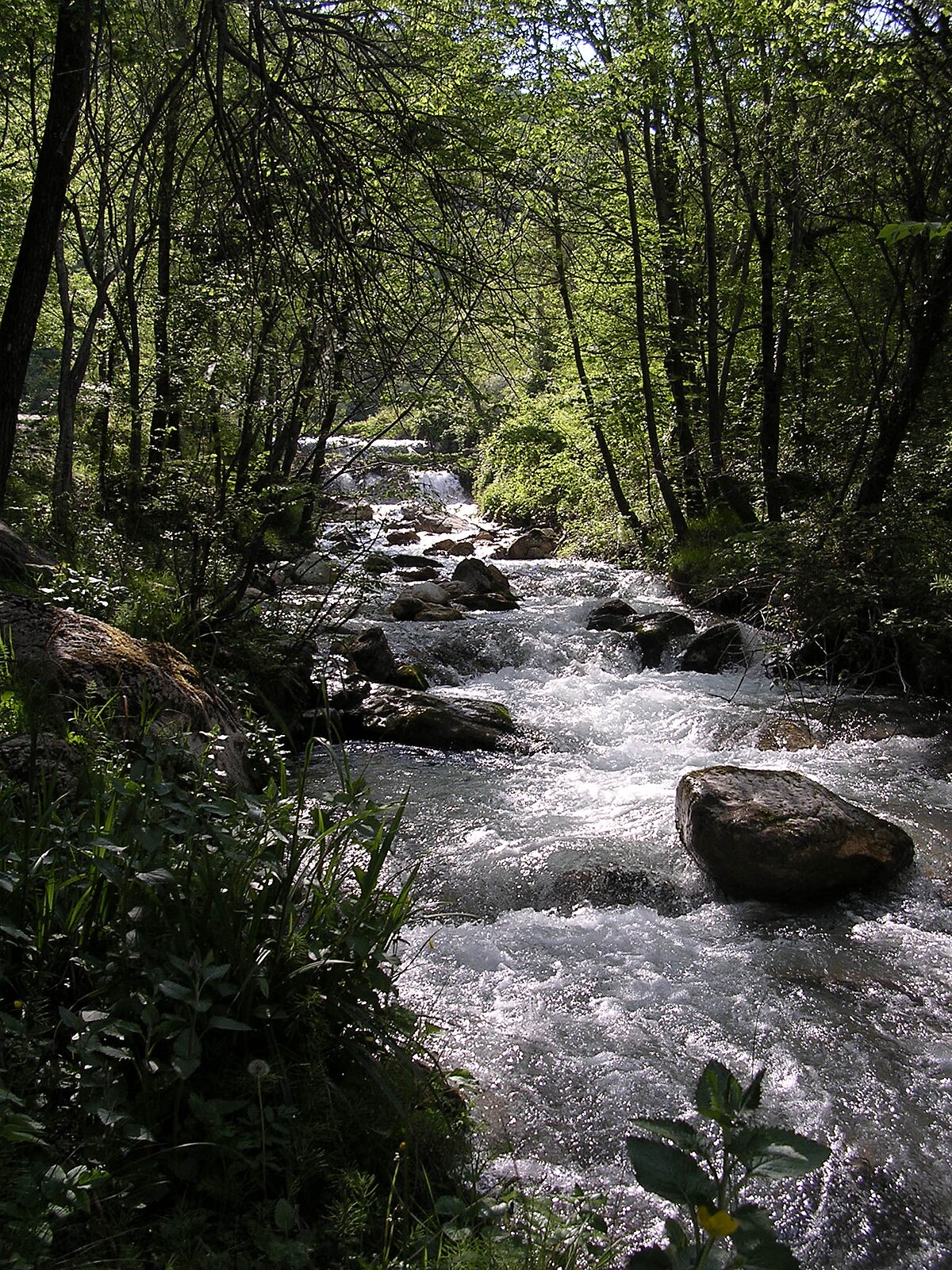
The Fiastrone river meanders through the enchanting landscapes of the Marche region in Italy, weaving a story of nature and culture that captivates visitors. This picturesque river, with its clear waters and surrounding lush greenery, serves as a vital lifeline for the region, historically nourishing the local communities and ecosystems. Its presence is not only essential for the local biodiversity but also enriches the cultural tapestry of the towns and villages that lie along its banks.
The Fiastrone is particularly significant for those who appreciate the interplay between water and landscape, as it flows through varying terrains that showcase the natural beauty of the Marche region. Visitors to the river can expect a tranquil experience, with opportunities for outdoor activities such as walking, picnicking, and observing wildlife. The allure of Fiastrone lies not only in its serene ambiance but also in the chance to connect with the rich heritage and natural history of the area.
History and Significance
The Fiastrone river has played a pivotal role in the historical and cultural development of the Marche region. Its waters have historically supported agriculture and facilitated trade among the nearby towns. The river’s valleys have been inhabited since ancient times, contributing to the growth of settlements that emerged along its banks. As a result, the Fiastrone has not only influenced the geography of the area but also the social and economic patterns of the communities that have thrived beside it.
The river is also significant for its ecological contributions, providing a habitat for various species of flora and fauna. The surrounding environment supports biodiversity, making it an important area for conservation efforts. The Fiastrone’s waters are crucial for maintaining the health of local ecosystems, and it has become a focal point for environmental awareness initiatives.
Moreover, the river is interwoven with local folklore and traditions, which have been passed down through generations. Local festivals often celebrate the river, highlighting its importance in community life and culture. Engaging with the Fiastrone allows visitors not only to appreciate its natural beauty but also to gain insights into the local heritage and the stories that have shaped this region.
Architecture and Features
While the Fiastrone is primarily a natural feature, it is complemented by various architectural elements that enhance its appeal. The riverbanks are often flanked by verdant vegetation, creating a harmonious environment that is both visually striking and ecologically significant. The landscape surrounding the river includes traditional stone bridges and pathways that facilitate access to the water, allowing visitors to appreciate its beauty up close.
The river’s course can vary, with sections that are tranquil and shallow, perfect for peaceful contemplation, while other areas may present gentle rapids that add a dynamic quality to the landscape. The clarity of the water reflects the surrounding flora, making it an ideal location for photography and enjoying nature.
Cultural landmarks nearby often provide context about the historical significance of the river. While specific buildings or structures directly associated with the Fiastrone may not be detailed, the overall architectural style of the region, characterized by rustic stonework and quaint villages, contributes to the charm of the area.
Visiting Information
Visiting the Fiastrone river is a delightful experience for nature lovers and those looking to escape the hustle and bustle of urban life. The best way to reach the river is by car, as public transport options may be limited. Visitors can explore the river on foot, with numerous paths and trails available for hiking and leisurely walks.
Check the official website for current information on accessibility, as well as any specific amenities that may be available for visitors. While there are no formal entrance fees for enjoying the river, it is advisable to plan for a few hours to fully soak in the tranquil atmosphere and engage in recreational activities.
The best times to visit are during the spring and early autumn months when the weather is mild, and the natural surroundings are in full bloom. During these seasons, the river is particularly inviting, offering a refreshing spot for picnicking, walking, or simply relaxing by the water.
Nearby Attractions
Sarnano: A charming medieval village known for its historical architecture and stunning views over the surrounding hills. It’s a fantastic spot for exploring local culture and heritage.
Parco Nazionale dei Monti Sibillini: This national park is renowned for its breathtaking landscapes and diverse wildlife, perfect for hiking and enjoying nature.
Fiastra Abbey: Located close to the river, this historic abbey offers a glimpse into the monastic life and features beautiful architecture set within tranquil grounds.
The Villages of the Sibillini: Explore the nearby traditional villages that offer a taste of local life, complete with artisanal shops and local cuisine.
Lake Fiastra: A nearby lake that provides additional opportunities for outdoor activities, such as swimming, fishing, and enjoying scenic views of the surrounding hills.
Insider Tips
For photography enthusiasts, the best spots along the Fiastrone river can be found during the golden hours of sunrise and sunset when the light beautifully illuminates the landscape. Early mornings are also less crowded, allowing for peaceful moments by the water.
To avoid larger crowds, consider visiting during weekdays rather than weekends, especially during peak tourist seasons. This will provide a more serene experience as you explore the river and its surroundings.
Practical Information
When visiting the Fiastrone river, it’s advisable to bring along essentials like water, snacks, and a comfortable pair of walking shoes, as exploring the trails can be an enjoyable way to engage with the environment. Depending on the season, dress in layers to accommodate for changing temperatures, and ensure your clothing is suitable for outdoor activities.
Additionally, consider bringing a camera or binoculars for wildlife observation. The river and its environment are home to various bird species and other wildlife that can be observed with a bit of patience.
Frequently Asked Questions
How long should I spend visiting?
A visit to the Fiastrone river can be enjoyed in a few hours. However, if you plan to hike or engage in recreational activities, consider spending half a day to fully appreciate the area.
Is photography allowed?
Yes, photography is encouraged, particularly to capture the natural beauty of the river and its surroundings.
Are there guided tours?
Check the official website for information about any available guided tours or local guides who may provide insights into the river’s history and ecology.
What’s the best time to visit?
The ideal seasons to visit are spring and early autumn when the weather is pleasant and the landscape is vibrant.
Is it wheelchair accessible?
Accessibility details may vary, so check the official website for current information regarding wheelchair access along the river and trails.
Can I buy tickets online?
There are no entrance fees for visiting the Fiastrone river, but check the official website for any specific events or activities that may require tickets.
Are there restrooms and cafes?
Facilities may be limited near the river, so it’s advisable to plan accordingly. Check the official website for information on nearby amenities.
What should I wear?
Wear comfortable clothing suitable for outdoor activities. Sturdy walking shoes are recommended for exploring the trails along the river.
More in marche
Ambro
📍 marche, Italy
The Ambro River is a picturesque waterway in the Marche region of Italy, known for its serene landscapes and ecological significance.

Ancient Ostra
📍 marche, Italy
Ancient Ostra is an archaeological site located in Marche, Italy, notable for its remnants of an ancient Roman city that offers insights into …

Ancona
📍 marche, Italy
Ancona is a historic city in the Marche region of Italy, renowned for its stunning coastal views and significant maritime heritage.

Antiquarium of Palazzone
📍 marche, Italy
The Antiquarium of Palazzone is a museum located in Perugia, Italy, renowned for its collection of artifacts that showcase the region's rich …
Archivio Diocesano e Biblioteca dell'Arcidiocesi di Pesaro
📍 marche, Italy
The Archivio Diocesano e Biblioteca dell'Arcidiocesi di Pesaro is a conservation library in Marche, Italy, renowned for its extensive collection of …
Archivio e Biblioteca della Cattedrale di S. Rufino (Duomo)
📍 marche, Italy
The Archivio e Biblioteca della Cattedrale di S. Rufino (Duomo) is a historical library and archive located in Assisi, Italy, renowned for its rich …
More River

Adige
📍 trentino-alto-adige, Italy
The Adige is a prominent river in northern Italy's Trentino-Alto Adige region, celebrated for its stunning landscapes and cultural significance.

Adigetto
📍 veneto, Italy
Adigetto is a serene river located in the Veneto region of Italy, known for its tranquil waters and natural beauty, offering a peaceful retreat for …
Afra
📍 tuscany, Italy
The Afra is a river in Tuscany, Italy, recognized for its tranquil waters and scenic surroundings that embody the natural beauty of the Italian …
Agamo
📍 lombardy, Italy
The Agamo is a river in Lombardy, Italy, known for its serene waters and the scenic landscapes it traverses, offering a tranquil escape into nature.
Agna
📍 tuscany, Italy
The Agna River is a serene waterway in Tuscany, Italy, known for its picturesque surroundings and the tranquil landscapes it traverses.

Agno
📍 veneto, Italy
The Agno River is a picturesque waterway in Veneto, Italy, recognized for its serene landscape and cultural significance in the region.