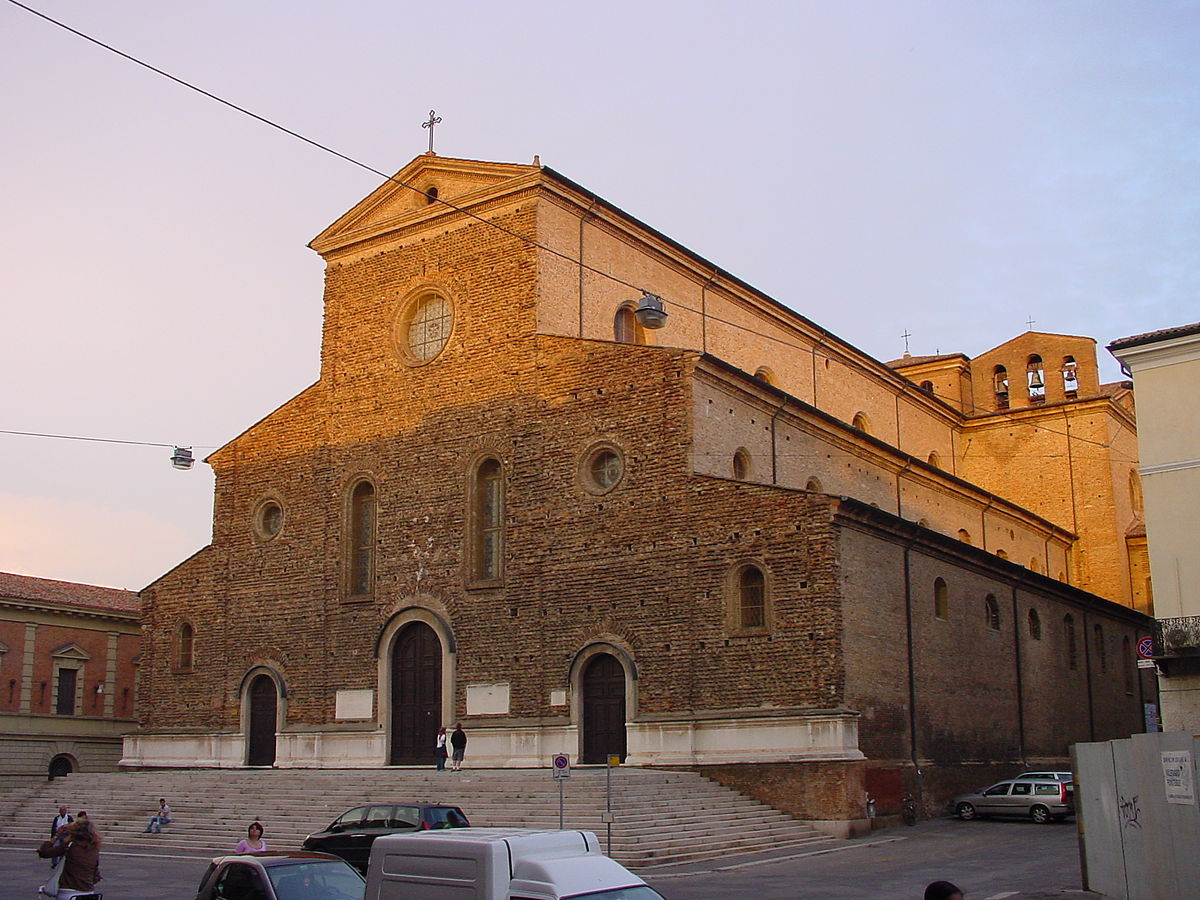


Faenza Cathedral
Overview
Faenza Cathedral, officially known as the Cattedrale di San Pietro Apostolo, serves as the main parish church of the city of Faenza in the Ravenna region of Italy. This cathedral is not only a place of worship but also a significant cultural and historical landmark, showcasing the evolution of architectural styles over the centuries. Situated in a vibrant city known for its rich artistic heritage, Faenza Cathedral invites visitors to explore both its spiritual ambiance and its artistic treasures.
The cathedral is strategically located in the heart of Faenza, making it easily accessible to locals and tourists alike. Its significance extends beyond the religious, as it has been a central point for community gatherings and cultural events throughout its history. Visitors are often drawn to the cathedral not only for its architectural beauty but also for its intricate artworks and the stories they tell about the region’s past.
As you approach the cathedral, you will be captivated by its grandeur and the intricate details that adorn its facade. The blend of styles, reflecting various historical epochs, adds to its allure, making it a must-visit for anyone interested in history, architecture, or the arts. Whether attending a service, exploring its artistic elements, or simply enjoying the atmosphere, Faenza Cathedral offers a unique glimpse into the heart of Italian heritage.
History and Significance
The history of Faenza Cathedral is woven into the broader narrative of the city itself, which has been a significant settlement since the Roman period. Although specific dates are not readily available, the cathedral has undergone various transformations that reflect the changing tides of architectural styles and religious practices throughout the centuries. Initially, it was built on the site of an earlier church, which suggests its longstanding importance to the community.
Throughout the Middle Ages, Faenza emerged as a vital cultural and economic center in Italy. The cathedral played a crucial role in the spiritual life of the city, serving as the seat of the bishop and a focal point for religious and community activities. Over time, it has witnessed numerous historical events, including political shifts and social changes, which have left their mark on its structure and the artworks housed within.
The architectural significance of Faenza Cathedral is underscored by its blend of different styles, including Romanesque, Gothic, and Baroque elements. This eclectic mix reflects the artistic movements that have influenced the region over the centuries. The cathedral’s interior is adorned with notable artworks, including frescoes and sculptures that highlight the talent of local artisans and their contributions to the cultural landscape of Faenza.
In addition to its architectural and artistic significance, Faenza Cathedral also serves as a symbol of community identity. It has been a gathering place for residents and visitors alike, representing a shared heritage that transcends individual experiences. The cathedral’s enduring presence in the city’s life underscores its role not just as a religious institution but also as a cultural landmark that continues to inspire and connect generations.
Architecture and Features
Faenza Cathedral is a remarkable example of ecclesiastical architecture that showcases a confluence of various styles. The exterior of the cathedral presents a striking facade, characterized by its intricate stonework and decorative elements that reflect the artistic trends of the eras in which it was constructed and renovated. The combination of Romanesque arches and Gothic spires creates a visually arresting silhouette against the backdrop of Faenza’s skyline.
One of the cathedral’s most notable features is its bell tower, which rises majestically above the surrounding buildings. This tower not only serves a functional purpose but also enhances the architectural elegance of the cathedral. Visitors often stop to admire the tower’s design, which incorporates elements that have evolved over time, symbolizing the cathedral’s historical journey.
Upon entering, visitors are greeted by a spacious nave that is both awe-inspiring and serene. The interior is home to numerous chapels, each adorned with beautiful frescoes and altarpieces that narrate biblical stories and local saints’ lives. These artworks are significant not only for their religious context but also for their artistic merit, showcasing the craftsmanship of various artists throughout history.
The cathedral also features a stunning altar, often highlighted for its intricate design and decorative elements. Surrounding the altar are statues and reliefs that further enrich the spiritual atmosphere of the space. Visitors are encouraged to take their time to absorb the details, as each element tells a story about the faith and artistry of the community.
In addition to these features, the cathedral’s layout and design reflect its functional role as a place of worship, with spaces designated for congregation and reflection. This thoughtful architecture contributes to the cathedral’s ambiance, making it a place where both the sacred and the aesthetic converge in harmony.
Visiting Information
Visiting Faenza Cathedral is a rewarding experience for travelers interested in history, architecture, and culture. The cathedral is conveniently located in the city center, making it easily accessible by foot or public transport. When planning your visit, be sure to check the official website for current information regarding opening hours and any potential admission fees, as these can vary throughout the year.
Typically, visitors can expect to spend around one to two hours exploring the cathedral and its surroundings. This timeframe allows ample opportunity to appreciate the architectural details, admire the artworks, and engage with the spiritual atmosphere. For those interested in photography, the best times for capturing the cathedral’s facade are during early morning or late afternoon when the natural light enhances its beauty.
The cathedral often hosts services, so visitors should be aware of scheduled mass times, as these may affect accessibility. Additionally, attending a service can provide a unique perspective on the cathedral’s role in the local community.
For the best experience, consider visiting during the shoulder seasons of spring and fall when the weather is mild, and tourist crowds are generally smaller. This will allow for a more intimate experience as you explore the cathedral and its surroundings at a leisurely pace.
Nearby Attractions
Faenza is rich in cultural attractions, making it an ideal destination for those looking to explore further after visiting the cathedral. Here are a few notable nearby sites:
Museo Internazionale delle Ceramiche: This museum showcases an extensive collection of ceramics, reflecting Faenza’s historical significance in the pottery industry. It’s a fantastic place to understand the artistic heritage of the region.
Palazzo Milzetti: An architectural gem, this neoclassical palace features beautifully decorated interiors and serves as a reminder of the city’s aristocratic past.
Piazza della Libertà: The main square of Faenza is a vibrant gathering place, surrounded by cafes and shops. It’s an excellent spot to enjoy a coffee while soaking in the lively atmosphere.
Chiesa di San Domenico: This nearby church is known for its beautiful artworks and serene environment, providing another opportunity to explore Faenza’s rich ecclesiastical history.
Teatro Masdoni: A historic theater offering cultural events and performances, it represents the city’s commitment to the arts and provides a glimpse into local entertainment.
Insider Tips
To make the most of your visit to Faenza Cathedral, consider these insider tips:
Photography: While photography is generally welcome, be respectful of worshippers and any signs indicating restrictions. Early mornings or late afternoons offer the best light for exterior shots.
Crowd Avoidance: If possible, visit during weekdays or outside of peak tourist seasons to enjoy a quieter experience. Early mornings tend to have fewer visitors, allowing for a more personal encounter with the space.
Engage with Local Guides: Consider joining a guided tour to gain deeper insights into the cathedral’s history and architectural features. Local guides can provide valuable context that enhances your understanding of the site.
Dress Respectfully: As a place of worship, appropriate attire is encouraged. Ensure that shoulders and knees are covered to show respect for the religious significance of the cathedral.
Practical Information
When visiting Faenza Cathedral, there are several practical considerations to keep in mind:
What to Bring: It’s advisable to bring a bottle of water and a small bag for personal items. If you plan to take photographs, a camera or smartphone will help capture the beauty of the cathedral.
Seasonal Considerations: The weather in Faenza can vary, so check the forecast before your visit. Summers can be hot, while winters might be chilly, so dress accordingly.
Accessibility: The cathedral is generally accessible, but it’s best to check the official website for specific information regarding facilities for those with mobility issues.
Restroom Facilities: Public restrooms may be available nearby, but it’s wise to plan accordingly. Cafes and restaurants in the vicinity also provide amenities for visitors.
Frequently Asked Questions
How long should I spend visiting?
Most visitors spend about one to two hours exploring Faenza Cathedral and its immediate surroundings.
Is photography allowed?
Photography is typically permitted, but be mindful of any signs indicating restrictions, especially during services.
Are there guided tours?
Yes, guided tours are often available and can enhance your understanding of the cathedral’s history and architecture.
What’s the best time to visit?
Visiting during weekdays or outside peak tourist seasons, particularly in spring or fall, offers a quieter experience.
Is it wheelchair accessible?
Check the official website for specific information regarding accessibility options at the cathedral.
Can I buy tickets online?
It’s advisable to check the official website for information regarding tickets and any associated fees.
Are there restrooms and cafes?
Public restrooms may be available nearby, and the area around the cathedral offers various cafes for refreshments.
What should I wear?
Dress respectfully as a place of worship; covering shoulders and knees is recommended.
Visiting Faenza Cathedral provides a unique opportunity to engage with the rich cultural heritage of Italy. Whether you are drawn by its architectural beauty, historical significance, or spiritual ambiance, the cathedral is sure to leave a lasting impression.
Photo Gallery
More in tuscany

Abbazia di San Gaudenzio
📍 tuscany, Italy
The Abbazia di San Gaudenzio is a historic abbey located in San Gaudenzio, Tuscany, Italy, notable for its architectural elegance and spiritual …

Abbey of St Maria del Monte
📍 tuscany, Italy
The Abbey of St Maria del Monte is a historic church building located in Cesena, Italy, celebrated for its architectural beauty and serene ambiance.
Abiogen Pharma
📍 tuscany, Italy
Abiogen Pharma is an educational institution located in Pisa, Italy, recognized for its contributions to pharmaceutical education and research.

Academia de la Crusca library
📍 tuscany, Italy
The Academia de la Crusca library is a historic library located in Tuscany, Italy, renowned for its dedication to the Italian language and its …

Acquedotto leopoldino
📍 tuscany, Italy
The Acquedotto Leopoldino is an impressive aqueduct system located in Livorno, Tuscany, Italy, recognized for its historical significance and …

Acquedotto Lorenese
📍 tuscany, Italy
The Acquedotto Lorenese is a historic aqueduct located in Campiglia Marittima, Tuscany, Italy, known for its 19th-century architecture and engineering …
More Cathedral

Acerenza Cathedral
📍 campania, Italy
Acerenza Cathedral is a historic church located in Acerenza, Italy, renowned for its architectural beauty and cultural significance in the region of …

Acerra Cathedral
📍 campania, Italy
Acerra Cathedral is a historic church building located in Acerra, Campania, Italy, renowned for its architectural features and cultural significance …

Adria Cathedral
📍 veneto, Italy
Adria Cathedral is a historic church building located in Adria, Italy, renowned for its architectural beauty and cultural significance in the Veneto …

Agrigento Cathedral
📍 sicily, Italy
Agrigento Cathedral is a historic church in Agrigento, Sicily, celebrated for its architectural beauty and cultural significance in the region.

Alba Cathedral
📍 piedmont, Italy
The Alba Cathedral is a Romanesque cathedral located in Alba, Piedmont, Italy, known for its stunning architecture and historical significance.

Albenga Cathedral
📍 liguria, Italy
Albenga Cathedral is a historic cathedral located in Albenga, Italy, known for its unique blend of architectural styles and significant cultural …