


Fabriano Cathedral
Overview
Fabriano Cathedral, a prominent church building in the charming town of Fabriano in the Marche region of Italy, serves as a focal point for both religious and cultural life. Situated within a picturesque landscape characterized by rolling hills and historic architecture, the cathedral is a testament to the town’s rich heritage and artistic legacy. While less well-known than some of Italy’s grander cathedrals, Fabriano Cathedral holds its own unique charm and significance, drawing visitors interested in exploring the lesser-known gems of Italy’s ecclesiastical architecture.
Dating back to earlier centuries, the cathedral stands as a symbol of the town’s resilience and dedication to preserving its cultural identity. The structure reflects a blend of artistic influences that have shaped the region, making it an important stop for those seeking to understand the evolution of church architecture in Italy. Visitors will find that the cathedral encapsulates both the spiritual essence of the city and its historical narrative, highlighting Fabriano’s role as an artistic hub, particularly in the fields of paper-making and painting during the Renaissance.
With its serene ambiance and rich history, a visit to Fabriano Cathedral promises not only spiritual reflection but also an appreciation of the artistry and craftsmanship that define this remarkable site.
History and Significance
The history of Fabriano Cathedral is intertwined with that of the town itself, which has been a significant center for various artistic and cultural movements throughout the centuries. Though specific dates of construction are not widely documented, the cathedral’s origins can be traced back to the medieval period when Fabriano began to flourish as a center of commerce and culture.
Over the years, the cathedral has undergone various renovations and restorations. These efforts were often motivated by the need to preserve its structural integrity and adapt to the evolving aesthetic preferences of the time. As a result, visitors can observe an amalgamation of architectural styles that reflect the changing tastes and influences that have permeated the region.
Culturally, the cathedral holds a special place in the hearts of the local community. It serves not only as a place of worship but also as a venue for significant civic events and celebrations. The town of Fabriano, known for its historical contributions to the arts, especially in the fields of painting and paper-making, finds its own identity reflected in the cathedral’s walls.
The cathedral has also been a witness to various historical events that have shaped the region, adding layers of significance to its presence. From local gatherings to religious ceremonies, the cathedral continues to be a vital part of the community’s social fabric.
Architecture and Features
Fabriano Cathedral showcases a blend of architectural styles, reflecting the various periods of construction and renovation it has experienced. The exterior of the cathedral is characterized by its robust stone façade, which presents a sense of strength and permanence. The entrance features an intricately designed portal, which invites visitors into its sacred space.
Inside, the cathedral is adorned with beautiful frescoes and artworks that illustrate biblical scenes and saints, contributing to its spiritual atmosphere. The artistic elements within the cathedral are a reflection of the local artistic traditions, emphasizing Fabriano’s reputation as a center for creativity.
One notable feature of the cathedral is its stunning altar, which serves as a focal point for both worship and reflection. The altar is often embellished with candles and floral arrangements, enhancing the serene ambiance of the space. Additionally, the vaulted ceilings and stained glass windows allow natural light to filter through, casting colorful patterns on the stone floor.
While the cathedral may not be as large as some of its counterparts in larger cities, its intimate scale and thoughtful design create a welcoming environment for visitors. The combination of historical significance and artistic expression makes Fabriano Cathedral a unique example of ecclesiastical architecture.
Visiting Information
Fabriano Cathedral is conveniently located in the heart of Fabriano, making it easily accessible for visitors exploring the town. Public transportation options may be available, but it is advisable to check local travel resources for the best routes. For those driving, parking may be found in nearby areas, allowing a short walk to the cathedral.
Visitors can expect to spend approximately 30 minutes to an hour exploring the cathedral, depending on their level of interest in the architecture and artwork. While the cathedral is generally open to the public, it is important to check the official website for current information on visiting hours and any potential entry fees.
To enhance your experience, consider visiting during weekday mornings or early afternoons when the cathedral is less crowded. This will allow for a more contemplative visit, providing an opportunity to appreciate the details of the architecture and artwork without distraction.
Nearby Attractions
Paper Museum: A short walk from the cathedral, the Paper Museum (Museo della Carta e della Filigrana) offers insight into Fabriano’s rich history of paper-making, showcasing traditional techniques and artifacts.
Palazzo del Podestà: This historic building features stunning architecture and is a significant landmark within Fabriano. It often hosts exhibitions and local events.
Sanctuary of the Madonna della Misericordia: Located a bit further away, this sanctuary is known for its beautiful interior and peaceful setting, offering a place for meditation and reflection.
Piazza della Repubblica: The town’s main square, surrounded by charming cafes and shops, is perfect for enjoying a leisurely afternoon and soaking in the local atmosphere.
Frasassi Caves: A short drive from Fabriano, these impressive natural caves are a must-visit for nature lovers, showcasing stunning stalactite and stalagmite formations.
Insider Tips
Photography Tips: When photographing the cathedral, consider visiting during golden hour (early morning or late afternoon) for the best natural light. Inside, be respectful of the sacred space and avoid using flash.
Crowd Avoidance: To experience the cathedral with fewer visitors, aim for weekday visits, particularly in the off-peak hours. This will allow for a more serene atmosphere and better opportunities for contemplation.
Practical Information
When visiting Fabriano Cathedral, it’s advisable to wear comfortable shoes, as you may want to explore the surrounding areas as well. Given the cathedral’s spiritual significance, modest clothing is recommended.
Seasonal considerations include checking the weather beforehand, as winter can be chilly in Marche, while summer may bring warmer temperatures. Always carry a bottle of water, especially if you plan to explore the nearby attractions.
Frequently Asked Questions
How long should I spend visiting?
Visitors typically spend about 30 minutes to an hour exploring the cathedral, depending on their interest in the artwork and architecture.
Is photography allowed?
Photography is generally allowed, but it’s best to be respectful of the sacred space and avoid using flash.
Are there guided tours?
Guided tours may be available, but it’s advisable to check the official website for details on scheduling and availability.
What’s the best time to visit?
Weekdays, especially during the morning or early afternoon, are ideal for avoiding crowds and enjoying a peaceful visit.
Is it wheelchair accessible?
Accessibility information is not specified; it’s recommended to check the official website for details on wheelchair access.
Can I buy tickets online?
For current ticketing options, including online purchases, check the official website for the latest information.
Are there restrooms and cafes?
Public restrooms and cafes may be available in the vicinity, but it’s advisable to check local resources for specific locations.
What should I wear?
Modest clothing is recommended, given the cathedral’s religious significance, and comfortable shoes are advisable for exploring the surrounding area.
Photo Gallery
More in marche
Ambro
📍 marche, Italy
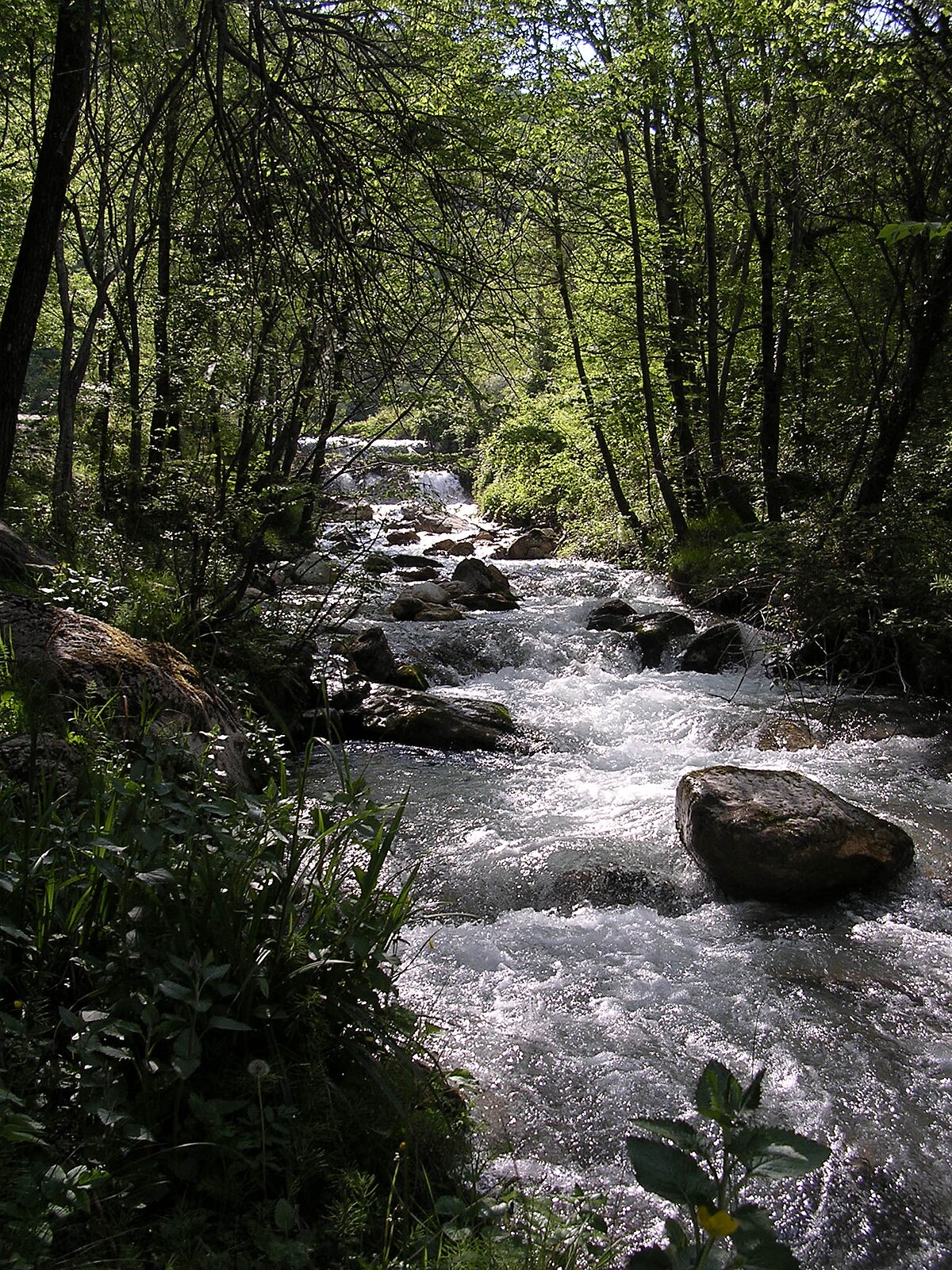
The Ambro River is a picturesque waterway in the Marche region of Italy, known for its serene landscapes and ecological significance.

Ancient Ostra
📍 marche, Italy
Ancient Ostra is an archaeological site located in Marche, Italy, notable for its remnants of an ancient Roman city that offers insights into …

Ancona
📍 marche, Italy
Ancona is a historic city in the Marche region of Italy, renowned for its stunning coastal views and significant maritime heritage.

Antiquarium of Palazzone
📍 marche, Italy
The Antiquarium of Palazzone is a museum located in Perugia, Italy, renowned for its collection of artifacts that showcase the region's rich …
Archivio Diocesano e Biblioteca dell'Arcidiocesi di Pesaro
📍 marche, Italy
The Archivio Diocesano e Biblioteca dell'Arcidiocesi di Pesaro is a conservation library in Marche, Italy, renowned for its extensive collection of …
Archivio e Biblioteca della Cattedrale di S. Rufino (Duomo)
📍 marche, Italy
The Archivio e Biblioteca della Cattedrale di S. Rufino (Duomo) is a historical library and archive located in Assisi, Italy, renowned for its rich …
More Cathedral

Acerenza Cathedral
📍 campania, Italy
Acerenza Cathedral is a historic church located in Acerenza, Italy, renowned for its architectural beauty and cultural significance in the region of …

Acerra Cathedral
📍 campania, Italy
Acerra Cathedral is a historic church building located in Acerra, Campania, Italy, renowned for its architectural features and cultural significance …

Adria Cathedral
📍 veneto, Italy
Adria Cathedral is a historic church building located in Adria, Italy, renowned for its architectural beauty and cultural significance in the Veneto …

Agrigento Cathedral
📍 sicily, Italy
Agrigento Cathedral is a historic church in Agrigento, Sicily, celebrated for its architectural beauty and cultural significance in the region.

Alba Cathedral
📍 piedmont, Italy
The Alba Cathedral is a Romanesque cathedral located in Alba, Piedmont, Italy, known for its stunning architecture and historical significance.

Albenga Cathedral
📍 liguria, Italy
Albenga Cathedral is a historic cathedral located in Albenga, Italy, known for its unique blend of architectural styles and significant cultural …