


Esino
Overview
The Esino River flows through the enchanting landscapes of the Marche region, offering visitors a glimpse into the natural beauty and cultural richness of central Italy. This river, with its origins nestled in the Apennines, meanders through quaint villages and lush countryside, providing a serene environment for outdoor enthusiasts and those seeking tranquility. The Esino plays an essential role in the local ecology and has historically supported agriculture and settlements along its banks.
As you explore the river, you will encounter a blend of natural splendor and cultural landmarks, from ancient towns to lush vineyards that line the water’s edge. The river’s course is marked by its gentle bend and clear waters, attracting nature lovers, artists, and photographers alike. The Esino is not just a body of water; it is an integral part of the landscape that reflects the heritage and traditions of the region, making it a unique destination for those interested in the interplay between nature and culture.
History and Significance
The Esino River has been a vital waterway for the local communities of the Marche region for centuries. Historically, it served as a crucial resource for agriculture, providing irrigation to the fertile lands that flank its banks. The river has been referenced in various historical texts, showcasing its significance in the development of the surrounding towns and villages.
Culturally, the Esino has inspired generations of artists and writers, serving as a backdrop for many works celebrating the beauty of the Italian landscape. The river’s banks have seen the rise of several settlements, each contributing to the local culture and economy. Villages along the Esino, such as those that dot its course, often host festivals and events that honor their connection to the river, emphasizing its role in communal life.
The river also plays a significant role in biodiversity, supporting a variety of flora and fauna that thrive in its ecosystem. The natural habitats surrounding the Esino are crucial for conservation efforts, making it a site of interest for environmental studies and ecological tourism.
Architecture and Features
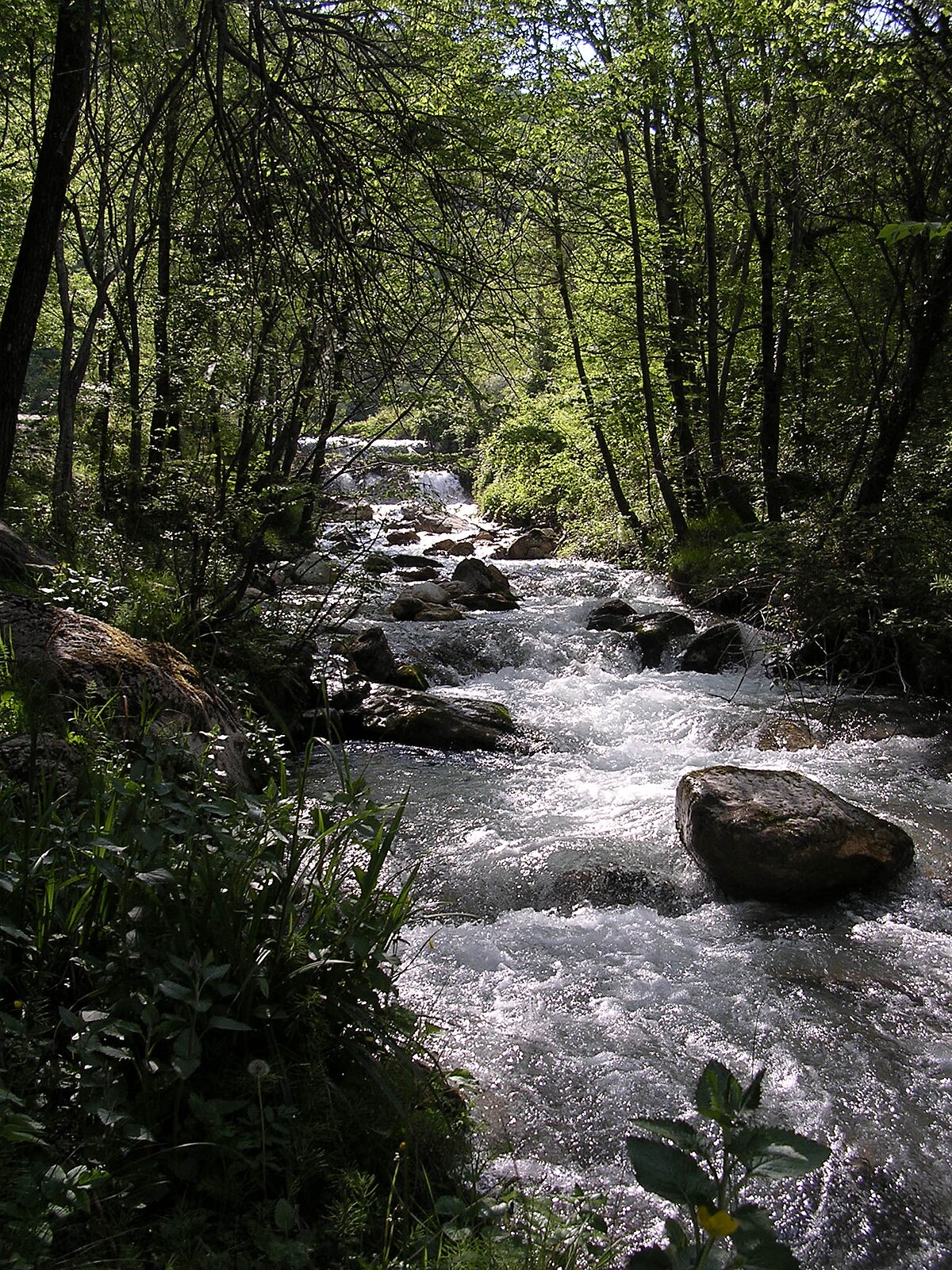
The physical characteristics of the Esino River contribute to its charm and allure. The river is characterized by clear, flowing waters that reflect the surrounding greenery and sky. Its banks are often lined with willows and other native vegetation, creating a peaceful environment that invites exploration and relaxation.
Notably, the river features various access points that allow for different activities such as fishing, walking, and picnicking. Some areas provide gentle pathways for hiking, where visitors can take in the local flora and fauna. The river’s meandering path creates picturesque scenes at every turn, making it a favorite spot for photographers and nature lovers.
In addition to its natural features, the Esino also has historical significance reflected in the architecture of the towns that border it. Many structures, including bridges and homes, showcase traditional Italian styles that harmonize with the landscape. These buildings often tell stories of the region’s past, further enhancing the cultural experience of visiting the river.
Visiting Information
Visiting the Esino River offers an array of experiences suited for nature enthusiasts, families, and cultural explorers. The river is accessible by road, with several entry points along its course. Public transport options may be limited, so visitors are encouraged to consider driving or arranging local transport to reach specific sites along the river.
Check the official website for current information on local amenities, including parking availability and any potential access restrictions. Depending on your interests, you can spend anywhere from a few hours to a full day exploring the river and its surroundings.
The best times to visit are during spring and early autumn when the weather is mild, and the natural beauty is at its peak. During these seasons, you can expect to see vibrant flora and possibly catch local festivals that celebrate the region’s heritage.
Nearby Attractions
- Fabriano: Known for its paper-making tradition, this charming town offers a rich history and various artisan shops.
- Genga: Famous for the Frasassi Caves, Genga provides stunning natural formations and guided tours through the underground.
- Jesi: A historic town with well-preserved architecture, Jesi is home to significant cultural sites and vibrant local markets.
- Ancona: The regional capital, Ancona features beautiful coastal views, historic monuments, and lively dining options.
- Cingoli: Often referred to as the “balcony of the Marche,” Cingoli offers panoramic views and a quaint village atmosphere.
Insider Tips
To capture the essence of the Esino River, consider visiting early in the morning or late in the afternoon when the light is softer, creating ideal conditions for photography. The river is less crowded during these times, allowing for a more peaceful experience.
For a truly immersive experience, bring along a picnic to enjoy by the riverbank. This not only enhances your visit but also allows you to fully appreciate the natural beauty surrounding you. If you prefer solitude, explore less traveled segments of the river where you can enjoy the sounds of nature without the bustle of larger crowds.
Practical Information
When visiting the Esino River, it is advisable to wear comfortable clothing and sturdy shoes suitable for walking along trails or riverbanks. Depending on the season, layers may be necessary as temperatures can fluctuate, especially in the mornings and evenings.
As the region can experience varied weather, check forecasts before your visit to ensure a pleasant experience. Bringing along essentials such as water, snacks, and a camera will enhance your exploration of this beautiful river.
Frequently Asked Questions
How long should I spend visiting?
Depending on your interests, a visit can range from a few hours to a full day. Plan time for walking, photography, and enjoying the natural surroundings.
Is photography allowed?
Yes, photography is encouraged, especially given the picturesque landscapes along the river. Early morning or late afternoon provides the best lighting conditions.
Are there guided tours?
While specific guided tours may not be widely advertised, local tourism offices can provide information on any available tours or activities focused on the river.
What’s the best time to visit?
Spring and early autumn are ideal for visiting the Esino River, as the weather is mild and the natural beauty is at its peak.
Is it wheelchair accessible?
Accessibility may vary by location along the river. It’s best to check specific access points in advance for suitability.
Can I buy tickets online?
As the Esino River is a natural feature, there are generally no entrance fees. Check local attractions along the river for any potential costs.
Are there restrooms and cafes?
Facilities may be limited near the river itself. It is advisable to stop in nearby towns for restrooms and dining options before or after your visit.
What should I wear?
Wear comfortable clothing and shoes suitable for walking along trails or riverbanks. Seasonal layers are recommended to accommodate temperature changes throughout the day.
Photo Gallery
More in marche
Ambro
📍 marche, Italy
The Ambro River is a picturesque waterway in the Marche region of Italy, known for its serene landscapes and ecological significance.

Ancient Ostra
📍 marche, Italy
Ancient Ostra is an archaeological site located in Marche, Italy, notable for its remnants of an ancient Roman city that offers insights into …

Ancona
📍 marche, Italy
Ancona is a historic city in the Marche region of Italy, renowned for its stunning coastal views and significant maritime heritage.

Antiquarium of Palazzone
📍 marche, Italy
The Antiquarium of Palazzone is a museum located in Perugia, Italy, renowned for its collection of artifacts that showcase the region's rich …
Archivio Diocesano e Biblioteca dell'Arcidiocesi di Pesaro
📍 marche, Italy
The Archivio Diocesano e Biblioteca dell'Arcidiocesi di Pesaro is a conservation library in Marche, Italy, renowned for its extensive collection of …
Archivio e Biblioteca della Cattedrale di S. Rufino (Duomo)
📍 marche, Italy
The Archivio e Biblioteca della Cattedrale di S. Rufino (Duomo) is a historical library and archive located in Assisi, Italy, renowned for its rich …
More River

Adige
📍 trentino-alto-adige, Italy
The Adige is a prominent river in northern Italy's Trentino-Alto Adige region, celebrated for its stunning landscapes and cultural significance.

Adigetto
📍 veneto, Italy
Adigetto is a serene river located in the Veneto region of Italy, known for its tranquil waters and natural beauty, offering a peaceful retreat for …
Afra
📍 tuscany, Italy
The Afra is a river in Tuscany, Italy, recognized for its tranquil waters and scenic surroundings that embody the natural beauty of the Italian …
Agamo
📍 lombardy, Italy
The Agamo is a river in Lombardy, Italy, known for its serene waters and the scenic landscapes it traverses, offering a tranquil escape into nature.
Agna
📍 tuscany, Italy
The Agna River is a serene waterway in Tuscany, Italy, known for its picturesque surroundings and the tranquil landscapes it traverses.

Agno
📍 veneto, Italy
The Agno River is a picturesque waterway in Veneto, Italy, recognized for its serene landscape and cultural significance in the region.