


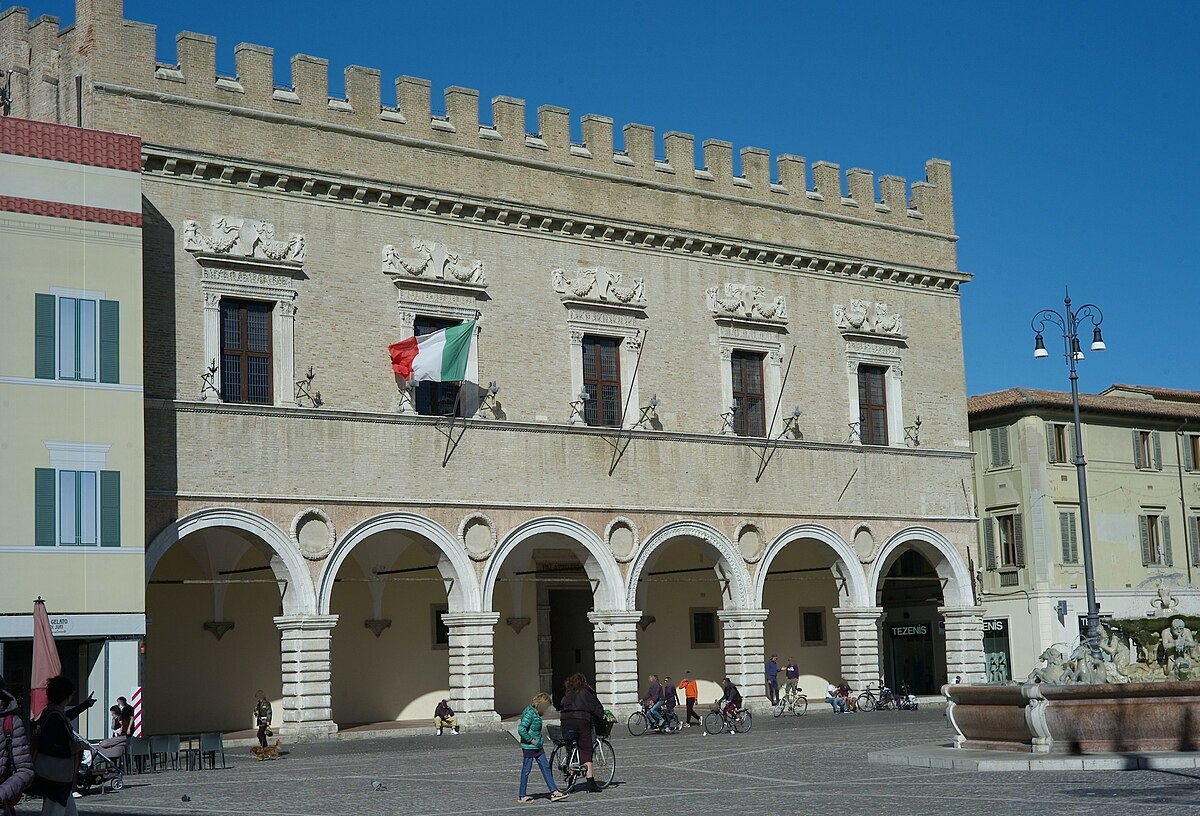

Ducal Palace of Pesaro
Overview
The Ducal Palace of Pesaro, an architectural landmark in the Marche region of Italy, is a reflection of the rich cultural heritage that permeates this part of the country. This impressive building serves as a testament to the artistic and historical developments during its time, particularly under the rule of the noble Della Rovere family. Known for its intricate design and grandeur, the palace has become a focal point for visitors interested in Italy’s Renaissance history and art.
Situated in the coastal town of Pesaro, the palace is conveniently located near the Adriatic Sea, making it an accessible destination for travelers exploring the region. The palace’s significance extends beyond its physical structure; it encapsulates the artistic flourishing that occurred during the Renaissance, showcasing the power and influence of the Della Rovere dynasty. A visit to the Ducal Palace promises an enriching experience, allowing guests to immerse themselves in the history and artistry that characterize this remarkable site.
History and Significance
The Ducal Palace of Pesaro is intrinsically linked to the Della Rovere family, who played a vital role in the political and cultural landscape of Renaissance Italy. The family’s influence began in the late 15th century when they rose to prominence in the region. Under their patronage, Pesaro transformed into a cultural hub, attracting artists, architects, and scholars. The palace itself was constructed to serve as a residence for the Dukes of Urbino, providing them with not only a home but also a venue for political gatherings and cultural events.
Throughout the centuries, the Ducal Palace has witnessed significant historical events, including political intrigue and artistic patronage. It was a site where art flourished, thanks in part to the Della Rovere’s commitment to commissioning works from notable artists of the era. The palace also served as a political center, hosting various dignitaries and leaders, adding to its historical narrative.
The building’s architectural evolution reflects the changing tastes and styles over the years. Originally designed in a Gothic style, it underwent various renovations and expansions that incorporated elements of the Renaissance and Baroque periods. Each phase of construction contributed to the palace’s aesthetic richness, making it a valuable subject of study for historians and architects alike.
Architecture and Features
The Ducal Palace of Pesaro is characterized by its striking architectural features that showcase a blend of Gothic, Renaissance, and Baroque influences. The building’s façade displays elegant symmetry and intricate stonework, drawing the eye with its decorative elements. Visitors will notice the grand entrance, which is framed by ornate arches and flanked by columns, setting the tone for the opulence that awaits inside.
Inside, the palace is equally impressive, with lavishly decorated rooms that highlight the artistic patronage of the Della Rovere family. The main hall features magnificent frescoes that depict allegorical scenes, contributing to the palace’s cultural significance. Each room is a testament to the artistic talents of the period, with elaborate ceilings and finely crafted furniture.
One of the most notable features of the Ducal Palace is its courtyard, an open space that allows for natural light to flood the surrounding rooms. This area is often used for events and gatherings, showcasing the palace’s role as a social hub during its peak. The intricate design of the courtyard, coupled with the surrounding architecture, creates a serene atmosphere that invites contemplation.
The palace also houses a collection of art and artifacts that reflect the era’s artistic achievements. Although specific details about the collections may vary, the presence of such works enhances the visitor experience, providing insight into the artistic legacy of the Della Rovere family.
Visiting Information
Reaching the Ducal Palace of Pesaro is straightforward, as it is located in the town center, making it accessible by various means of transport. Visitors can arrive by car, train, or bus, with ample parking available nearby. The palace is a short walk from other attractions in Pesaro, adding convenience for those exploring the area.
Check the official website for current information on opening hours and ticket prices, as these may vary seasonally. Typically, visitors can expect to spend around one to two hours exploring the palace, depending on their interest in the art and history. Guided tours may also be available, offering deeper insights into the palace’s significance and features.
The best times to visit are during the spring and fall months when the weather is pleasant, and crowds are generally smaller. This allows for a more immersive experience, as visitors can appreciate the palace’s architecture and art without the hustle and bustle of peak tourist season.
Nearby Attractions
- Pesaro Cathedral: Located just a short walk from the palace, the cathedral is an architectural marvel and a focal point of the city’s religious life.
- Rocca Costanza: This fortress offers panoramic views of Pesaro and the surrounding landscape, providing visitors with a glimpse into the city’s medieval past.
- Adriatic Coast: Just a few blocks away, the beautiful beaches along the Adriatic Sea offer a perfect opportunity for relaxation and recreation.
- Villa Imperiale: A historic villa with beautiful gardens, it showcases the grandeur of the region and is worth a visit for its art and architecture.
- Museo Nazionale Rossini: Dedicated to the composer Gioachino Rossini, this museum offers insights into his life and works, enriching the cultural experience in Pesaro.
Insider Tips
To make the most of your visit to the Ducal Palace, consider visiting during weekday mornings when the crowds are generally smaller. This will allow for a more intimate experience as you explore the palace’s art and architecture.
Photography enthusiasts should take note of the best lighting times for capturing the intricate details of the palace. Early mornings or late afternoons can provide softer light, enhancing the beauty of the building’s features. Additionally, be respectful of any areas where photography may not be permitted.
Practical Information
When planning your visit to the Ducal Palace, be sure to wear comfortable shoes, as you will be walking through various rooms and possibly navigating some stairs. Depending on the season, bringing a light jacket may be advisable, as indoor areas can be cooler.
Summer months can bring larger crowds, so if you prefer a quieter experience, consider visiting during the off-peak months of late fall or early spring. Ensure you check the official website for any seasonal events or exhibits that may enhance your visit.
Frequently Asked Questions
How long should I spend visiting?
Visitors typically spend about one to two hours at the Ducal Palace, depending on their interest in the exhibits.
Is photography allowed?
Photography policies can vary, so it’s best to check the official guidelines upon arrival to ensure compliance.
Are there guided tours?
Guided tours may be available, offering deeper insights into the palace’s history and art. Check the official website for details.
What’s the best time to visit?
The best times to visit are during the spring and fall when the weather is pleasant and crowds are smaller.
Is it wheelchair accessible?
While the palace aims to accommodate all visitors, specific accessibility features may vary. It’s advisable to check the official website for detailed information.
Can I buy tickets online?
Check the official website for options to purchase tickets in advance, as this can save time during your visit.
Are there restrooms and cafes?
Restrooms are typically available on-site; however, dining options may vary. It’s advisable to explore nearby cafes for refreshments.
What should I wear?
Comfortable clothing and shoes are recommended for exploring the palace, especially if you plan on walking through various rooms and areas.
Photo Gallery
More in marche
Ambro
📍 marche, Italy
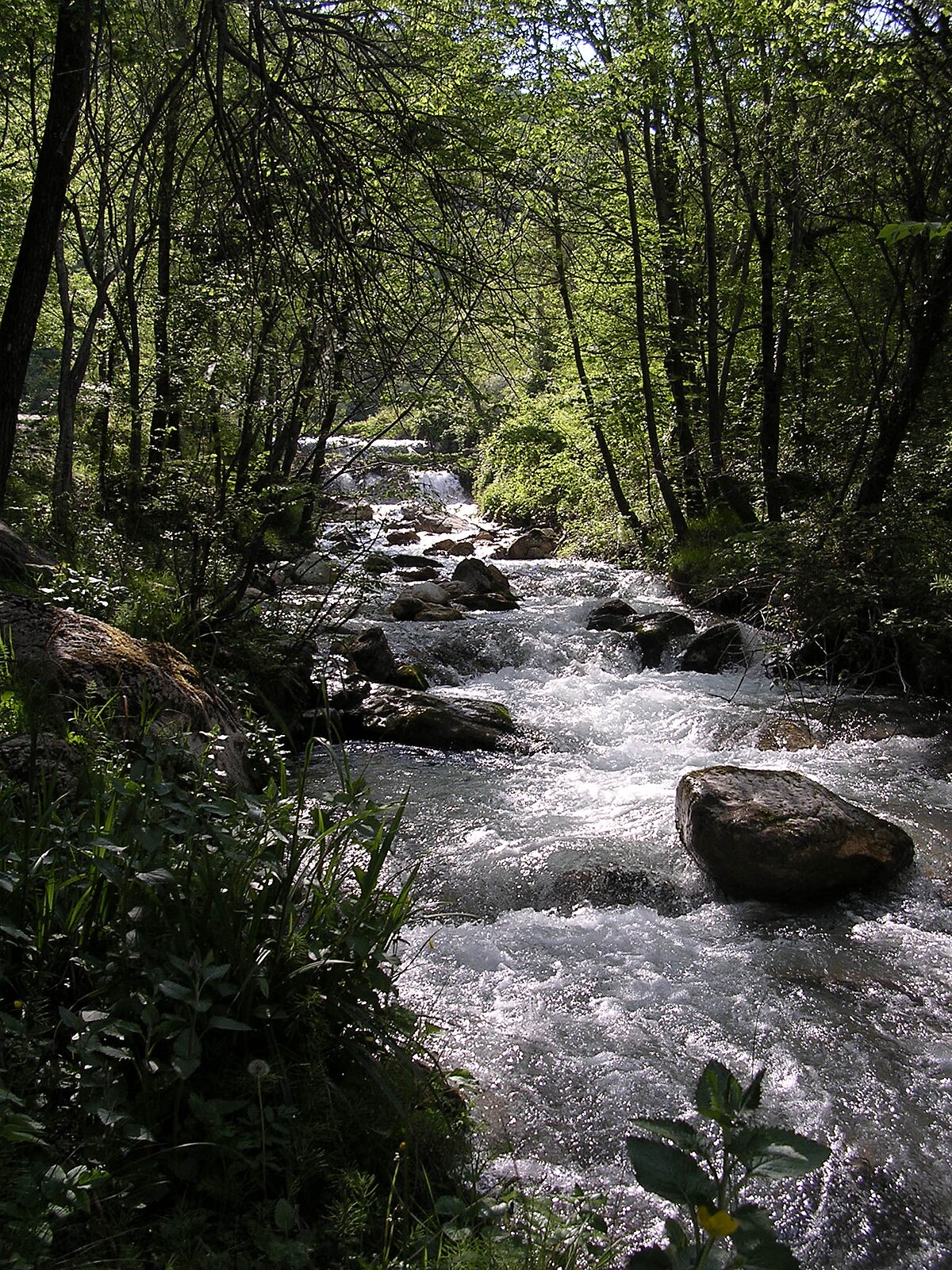
The Ambro River is a picturesque waterway in the Marche region of Italy, known for its serene landscapes and ecological significance.

Ancient Ostra
📍 marche, Italy
Ancient Ostra is an archaeological site located in Marche, Italy, notable for its remnants of an ancient Roman city that offers insights into …

Ancona
📍 marche, Italy
Ancona is a historic city in the Marche region of Italy, renowned for its stunning coastal views and significant maritime heritage.

Antiquarium of Palazzone
📍 marche, Italy
The Antiquarium of Palazzone is a museum located in Perugia, Italy, renowned for its collection of artifacts that showcase the region's rich …
Archivio Diocesano e Biblioteca dell'Arcidiocesi di Pesaro
📍 marche, Italy
The Archivio Diocesano e Biblioteca dell'Arcidiocesi di Pesaro is a conservation library in Marche, Italy, renowned for its extensive collection of …
Archivio e Biblioteca della Cattedrale di S. Rufino (Duomo)
📍 marche, Italy
The Archivio e Biblioteca della Cattedrale di S. Rufino (Duomo) is a historical library and archive located in Assisi, Italy, renowned for its rich …
More Palace

Archbishop's Palace
📍 campania, Italy
The Archbishop's Palace is a historic palace located in Naples, Italy, known for its architectural elegance and cultural significance in the region.

Bevilacqua Palace
📍 veneto, Italy
The Bevilacqua Palace is a historic palace located in Verona, Italy, renowned for its architectural elegance and cultural significance in the region.

Ca Cappello
📍 veneto, Italy
Ca Cappello is a historic palace located in Venice, Italy, renowned for its architectural elegance and cultural significance in the heart of the city.

Ca Robegan
📍 veneto, Italy
Ca Robegan is a historic palace located in Treviso, Italy, known for its architectural elegance and cultural significance in the Veneto region.

Ca' Amalteo
📍 veneto, Italy
Ca' Amalteo is a historic palace in Venice, Italy, renowned for its architectural elegance and rich cultural heritage.
Ca' Caotorta
📍 veneto, Italy
Ca' Caotorta is a historic palace in Venice, Italy, known for its unique architectural style and cultural significance in the heart of the city.