


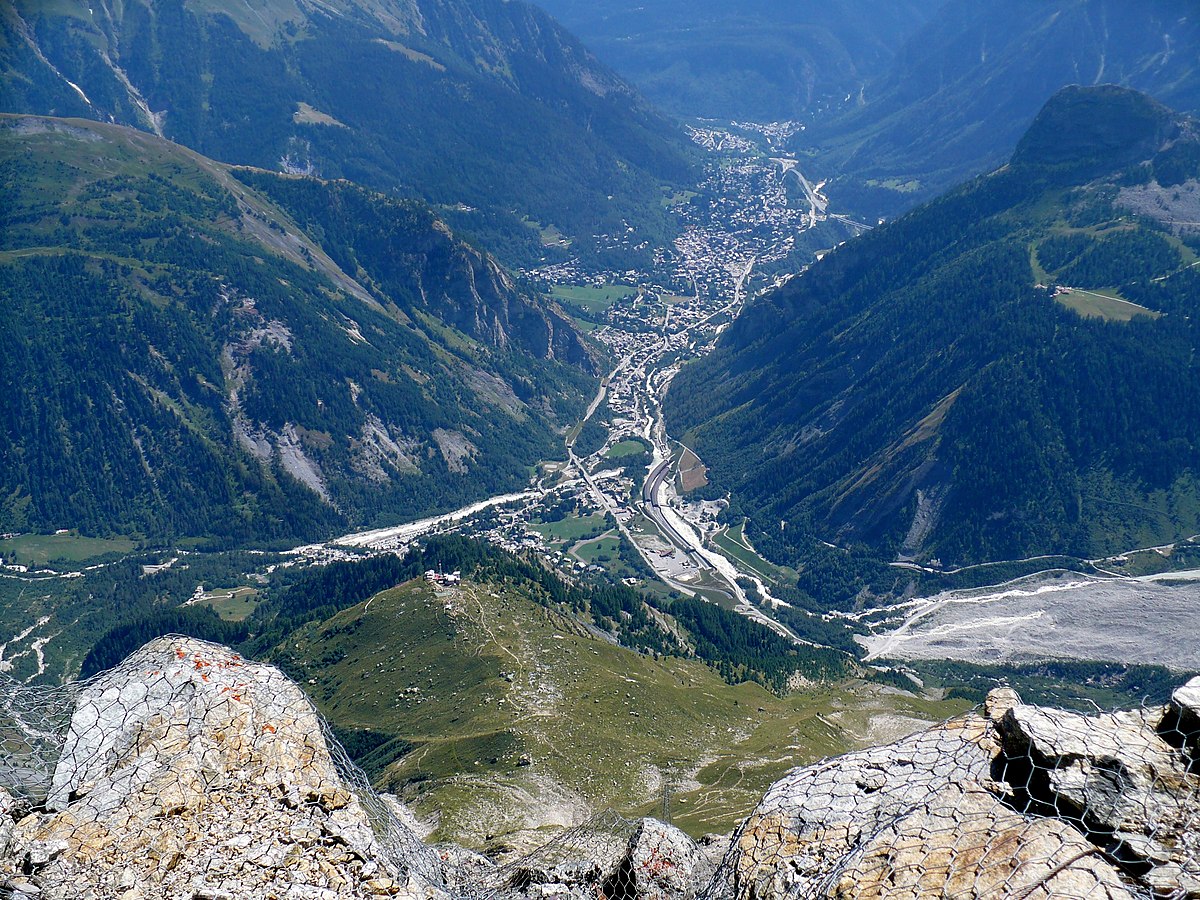

Dora Baltea
Overview
The Dora Baltea runs through the picturesque region of Piedmont in northern Italy, winding its way through the stunning Alpine landscape. This river, a major tributary of the Po River, spans a length of approximately 80 kilometers and offers a unique blend of natural beauty and cultural significance. The river originates from the Aosta Valley, flowing southward, and has played an essential role in the history and development of the surrounding areas.
The Dora Baltea is not merely a physical feature of the landscape; it has been a vital source of life for both the ecology and the communities that have settled along its banks. Its waters have historically supported agriculture, provided transportation routes, and offered recreational opportunities, making it a focal point for both locals and visitors.
The river’s banks are adorned with lush vegetation, creating a serene environment for outdoor enthusiasts. Whether you’re interested in hiking, fishing, or simply enjoying the tranquil surroundings, the Dora Baltea presents a delightful escape into nature, showcasing the region’s rich heritage and natural splendor.
History and Significance
The Dora Baltea has a profound historical significance that dates back to ancient times. The river has served as a crucial waterway for trade and communication, aiding in the development of settlements along its banks. Historically, the surrounding regions have been inhabited since prehistoric times, and archaeological findings indicate that the river area was once a thriving hub of activity.
During the Roman era, the Dora Baltea was an important route for transporting goods and people. The river’s strategic location facilitated trade between the regions of Aosta and Turin, contributing to the economic development of these areas. Over time, the river has continued to shape the cultural and economic landscape of Piedmont, influencing agricultural practices and settlement patterns.
The river is also significant in terms of ecology, providing a habitat for various flora and fauna. The riparian zones along the river support diverse ecosystems, making it a key area for biodiversity. Conservation efforts are underway to protect these natural habitats, ensuring that the river remains a vital resource for future generations.
In contemporary times, the Dora Baltea is celebrated for its recreational opportunities, drawing visitors for activities such as kayaking, fishing, and hiking. The river’s beauty and cultural importance have made it a cherished landmark in the Piedmont region, symbolizing the connection between nature and human history.
Architecture and Features
The Dora Baltea is primarily a natural feature, characterized by its flowing waters and surrounding landscapes rather than traditional architectural structures. However, the river is framed by a series of historical and modern infrastructures that enhance its appeal.
As you explore the banks of the Dora Baltea, you may encounter charming villages and towns that line the river, each featuring a mix of architectural styles. These settlements often showcase local stonework and traditional Alpine designs, providing insight into the region’s cultural heritage.
One of the notable features of the Dora Baltea is its picturesque bridges, which span the river and connect various communities. These bridges, often constructed from stone or wood, offer stunning vantage points for viewing the river and the surrounding landscape. They serve as functional crossings while also being popular spots for photography and relaxation.
The river’s course is marked by a variety of natural features, including gentle bends, rapids, and serene pools, making it an ideal location for both leisurely strolls and more adventurous activities. The lush vegetation along its banks contributes to the river’s picturesque scenery, creating a vibrant environment for wildlife and visitors alike.
Visiting Information
When planning a visit to the Dora Baltea, there are several factors to consider to enhance your experience. Access to the river is relatively easy, with several entry points available from nearby towns and villages. Transportation options include driving, which allows for flexible exploration, or utilizing public transport services that connect to key locations along the river.
As you explore, it’s advisable to check the official website for current information regarding any specific access points, events, or activities that might be taking place. The best times to visit the Dora Baltea are during the warmer months, typically from late spring to early autumn, when the weather is most conducive to outdoor activities.
Visitors can expect to spend a few hours exploring the river, depending on the activities they choose. Popular activities include hiking along the riverbanks, fishing, or simply enjoying the natural beauty of the surroundings. Ensure to bring suitable outdoor gear, including comfortable footwear and weather-appropriate clothing, as conditions can vary throughout the day.
Additionally, facilities such as rest areas and picnic spots may be available at certain locations along the river. It’s wise to pack a picnic to enjoy while taking in the serene atmosphere.
Nearby Attractions
While the Dora Baltea is a captivating destination on its own, several nearby attractions further enrich the experience:
Aosta Valley: This stunning valley is known for its dramatic mountains, outdoor sports, and rich history, including Roman ruins and medieval castles.
Gran Paradiso National Park: Located nearby, this national park is a haven for nature lovers, offering hiking trails, wildlife viewing, and breathtaking Alpine scenery.
Castles of the Aosta Valley: Explore the many castles that dot the region, such as the impressive Sarre Castle and the ancient Fenis Castle, which reflect the area’s feudal history.
Turin: Just a short drive away, the vibrant city of Turin offers rich cultural experiences, including museums, historical sites, and renowned cuisine.
Lake Ceresole: A beautiful lake within the Gran Paradiso National Park, perfect for hiking, picnicking, or simply enjoying the tranquil waters set against a backdrop of mountains.
Insider Tips
When visiting the Dora Baltea, consider the following insider tips to enhance your experience:
Photography: The river offers numerous picturesque spots for photography. Early mornings or late afternoons provide the best lighting conditions, casting soft shadows on the water and surrounding landscapes.
Crowd Avoidance: If you prefer a quieter experience, consider visiting during weekdays rather than weekends. Early mornings are often less crowded, allowing for a more peaceful exploration.
Local Advice: Engage with local residents or guides who can offer insights into the best spots along the river and share stories about the area’s history and ecology.
Practical Information
To make the most of your visit to the Dora Baltea, keep the following practical considerations in mind:
What to Bring: Essential items include comfortable walking shoes, a reusable water bottle, sunscreen, and insect repellent. If you plan to fish or engage in water sports, bring appropriate gear.
Seasonal Considerations: Each season offers unique experiences along the river. Spring and summer are ideal for outdoor activities, while autumn presents stunning foliage. Winter months may limit access but can offer a serene winter landscape.
Safety Measures: If participating in water activities, always prioritize safety by wearing life jackets and following local guidelines.
Frequently Asked Questions
How long should I spend visiting?
A visit to the Dora Baltea can range from a few hours to a full day, depending on your interests in hiking, fishing, or simply relaxing by the water.
Is photography allowed?
Yes, photography is encouraged, especially given the stunning landscapes and wildlife present along the river.
Are there guided tours?
While specific guided tours may not be widely available, local guides may offer insights into the area’s history and nature if arranged in advance.
What’s the best time to visit?
The best times to visit are during the warmer months, from late spring to early autumn, for optimal outdoor activities.
Is it wheelchair accessible?
Accessibility may vary by location along the river. It’s advisable to check specific entry points for wheelchair-friendly access.
Can I buy tickets online?
Access to the Dora Baltea is generally free; however, check the official website for any special events that may require tickets.
Are there restrooms and cafes?
Restroom facilities and cafes may be available in nearby towns, but it’s wise to plan ahead and bring any necessary supplies.
What should I wear?
Dress comfortably and appropriately for outdoor activities. Layered clothing is recommended due to varying temperatures throughout the day.
With its blend of natural beauty, historical significance, and recreational opportunities, the Dora Baltea is a compelling destination that invites exploration and appreciation of the Italian landscape.
Photo Gallery
More in piedmont

Abbazia di San Nicolò del Boschetto
📍 piedmont, Italy
The Abbazia di San Nicolò del Boschetto is a historic monastery located in Genoa, Italy, known for its serene ambiance and architectural heritage.

Agape Centro Ecumenico
📍 piedmont, Italy
Agape Centro Ecumenico is an educational institution located in Prali, Italy, offering a unique blend of spiritual retreat and educational programs in …

Agogna
📍 piedmont, Italy
The Agogna is a picturesque river in the Piedmont region of Italy, celebrated for its serene landscapes and ecological importance.

Alba Cathedral
📍 piedmont, Italy
The Alba Cathedral is a Romanesque cathedral located in Alba, Piedmont, Italy, known for its stunning architecture and historical significance.

antica sinagoga di Chieri
📍 piedmont, Italy
The antica sinagoga di Chieri is a historic synagogue located in Chieri, Piedmont, Italy, known for its cultural significance and architectural …

Antonini bridge
📍 piedmont, Italy
The Antonini Bridge is a historic bridge located in Varallo Sesia, Italy, known for its remarkable engineering and picturesque setting.
More River

Adige
📍 trentino-alto-adige, Italy
The Adige is a prominent river in northern Italy's Trentino-Alto Adige region, celebrated for its stunning landscapes and cultural significance.

Adigetto
📍 veneto, Italy
Adigetto is a serene river located in the Veneto region of Italy, known for its tranquil waters and natural beauty, offering a peaceful retreat for …
Afra
📍 tuscany, Italy
The Afra is a river in Tuscany, Italy, recognized for its tranquil waters and scenic surroundings that embody the natural beauty of the Italian …
Agamo
📍 lombardy, Italy
The Agamo is a river in Lombardy, Italy, known for its serene waters and the scenic landscapes it traverses, offering a tranquil escape into nature.
Agna
📍 tuscany, Italy
The Agna River is a serene waterway in Tuscany, Italy, known for its picturesque surroundings and the tranquil landscapes it traverses.

Agno
📍 veneto, Italy
The Agno River is a picturesque waterway in Veneto, Italy, recognized for its serene landscape and cultural significance in the region.