
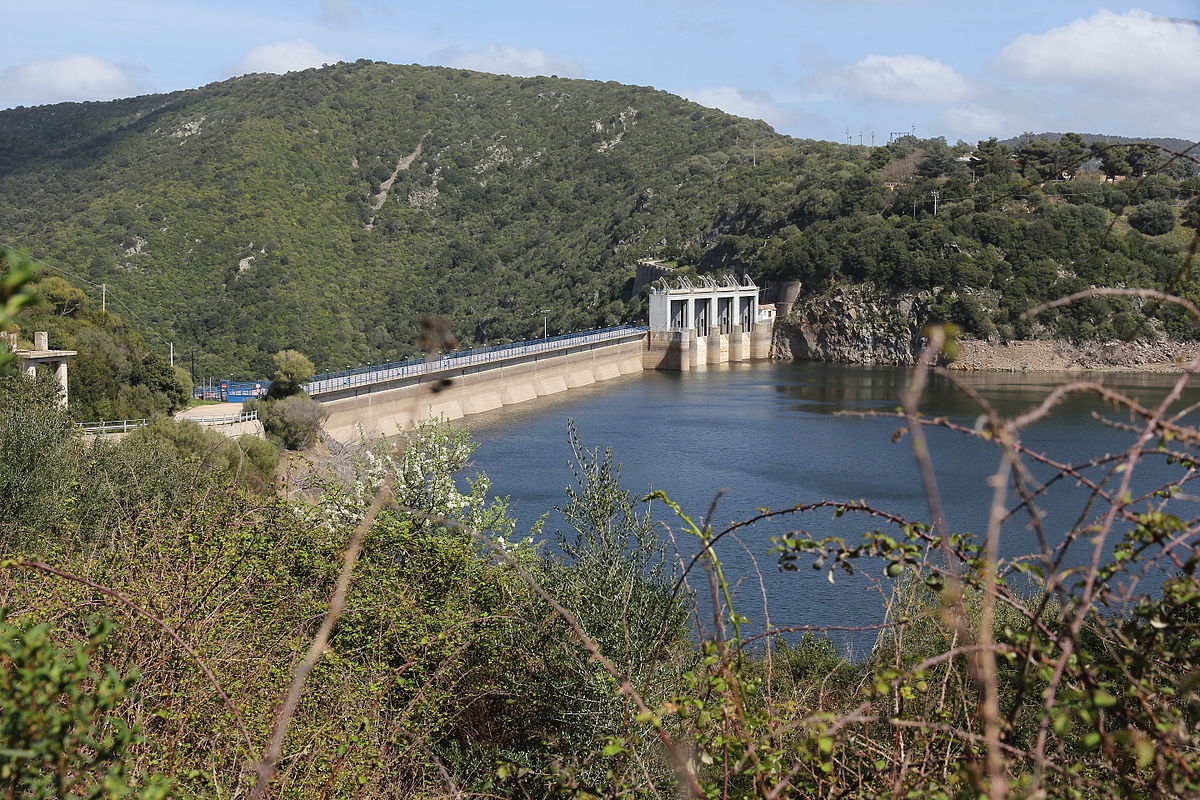


Diga del Liscia
Overview
The Diga del Liscia, or Liscia Dam, is an impressive engineering feat situated in the beautiful region of Sardinia, Italy. Constructed primarily for the purpose of water conservation and management, this dam plays a pivotal role in supplying water to the surrounding areas, particularly for agricultural and domestic use. The dam is located near the charming town of Calangianus, which is nestled in the Gallura region, known for its rugged landscape and rich cultural heritage.
The structure is not just functional but also offers a scenic backdrop that attracts visitors who appreciate both engineering marvels and natural beauty. The dam’s creation has significantly influenced the local ecosystem, contributing to the management of water resources in Sardinia, a region that often faces challenges related to water scarcity. The Diga del Liscia is an essential landmark for understanding Sardinia’s efforts in sustainable water management while also providing a picturesque site for exploration and photography.
History and Significance
The construction of the Diga del Liscia was part of a broader initiative to improve water management across Sardinia. The island’s unique geography and climate have historically posed challenges regarding water supply, making effective management crucial for both agricultural productivity and residential needs. Although specific dates of construction are not documented here, the dam represents a significant advancement in the region’s infrastructure, aimed at harnessing and controlling water flow in a sustainable manner.
The dam has had a profound impact on the local communities, allowing for enhanced agricultural practices and supporting the growth of local economies. By ensuring a stable water supply, the Diga del Liscia has helped to transform the landscape of Gallura, facilitating the development of vineyards, olive groves, and other agricultural endeavors that are central to Sardinia’s economy and culture.
Moreover, the dam serves as a reminder of the delicate balance between human intervention and natural resources. It is a focal point for discussions about environmental sustainability, resource management, and the importance of preserving the natural landscape while meeting human needs.
Architecture and Features
The Diga del Liscia is an impressive structural achievement characterized by its robust design and functional elegance. The dam features a concrete structure, which is a common material used in dam construction due to its durability and strength. Its primary function is to hold back water, creating a reservoir that supports various activities, including irrigation and recreation.
The dam’s design incorporates several features that enhance its effectiveness. For instance, it includes spillways that allow excess water to be released safely, preventing overflow and potential flooding. The surrounding areas are often characterized by lush vegetation and rocky terrains, providing a stunning visual contrast against the dam’s engineered form.
Visitors to the Diga del Liscia can appreciate the meticulous engineering that goes into such structures, as well as the natural beauty that envelops the area. The reservoir created by the dam is also a haven for wildlife, contributing to the region’s biodiversity.
Visiting Information
Visiting the Diga del Liscia offers a unique opportunity to explore both an engineering marvel and the stunning Sardinian landscape. To reach the dam, travelers can use personal vehicles or public transport, though it’s advisable to check local transportation schedules for the most accurate information.
While specific hours of operation and entry fees are not detailed here, potential visitors should check the official website for current information regarding visiting hours and any associated costs. The best time to visit the dam is during the spring and early fall when the weather is pleasant, and the surrounding flora is at its most vibrant.
Expect to spend a few hours exploring the area, with opportunities for photography, hiking, and simply enjoying the serene atmosphere. The dam’s surroundings are ideal for a leisurely stroll or a picnic, making it a perfect spot for families and nature enthusiasts alike.
Nearby Attractions
When visiting the Diga del Liscia, there are several nearby attractions worth exploring:
Calangianus: The nearby town is known for its rich history and local craftsmanship, particularly its production of cork and granite.
Monte Limbara: A stunning mountain range offering hiking trails with breathtaking views of the surrounding landscape.
Tempio Pausania: A charming town with beautiful granite architecture and a vibrant local culture, perfect for a day trip.
Liscia Ruja Beach: A short drive away, this beach is known for its crystal-clear waters and white sandy shores, ideal for relaxation.
Nuraghe Santu Antine: An ancient archaeological site featuring a well-preserved nuraghe, a type of ancient megalithic edifice found only in Sardinia.
Insider Tips
For photography enthusiasts, the best angles of the Diga del Liscia can be captured during the golden hours of early morning or late afternoon when the light reflects beautifully off the water. To avoid crowds, consider visiting during weekdays, as weekends can attract more visitors.
If you’re keen on exploring surrounding trails, be sure to wear comfortable footwear, as the terrain can be uneven. Bring along water and snacks, especially if you plan to spend several hours enjoying the natural beauty of the area.
Practical Information
When planning your visit to the Diga del Liscia, it’s advisable to bring essentials such as sunscreen, a hat, and comfortable walking shoes. Seasonal considerations are important; summers can be quite hot, so plan your excursions to avoid the midday sun.
Also, check the weather forecast before your visit, as rain might affect access to some areas. If you plan to hike or explore the surroundings, ensure you have a sufficient supply of water and snacks to keep you energized throughout your visit.
Frequently Asked Questions
How long should I spend visiting?
A visit to Diga del Liscia typically takes about 2-4 hours, allowing time for exploration and photography.
Is photography allowed?
Yes, photography is encouraged, especially given the picturesque views surrounding the dam.
Are there guided tours?
Check the official website for information regarding guided tours, as they may be available during peak seasons.
What’s the best time to visit?
Spring and early fall are ideal for pleasant weather and vibrant natural scenery.
Is it wheelchair accessible?
Check the official website for specific details regarding accessibility options at the dam.
Can I buy tickets online?
Information about purchasing tickets online can be found on the official website.
Are there restrooms and cafes?
Facilities may be limited; check the official website for the most current information regarding amenities.
What should I wear?
Wear comfortable clothing and sturdy footwear, especially if you plan to explore the surrounding trails.
Photo Gallery
More in sardinia

Abbazia di Nostra Signora di Paulis
📍 sardinia, Italy
Abbazia di Nostra Signora di Paulis is a historic church building located in Ittiri, Sardinia, Italy, celebrated for its architectural charm and …
Allée couverte Brancatzu
📍 sardinia, Italy
The Allée couverte Brancatzu is a prehistoric tomb located in Sardinia, Italy, known for its ancient burial practices and intriguing megalithic …
Aquarium of Alghero
📍 sardinia, Italy
The Aquarium of Alghero is a fascinating museum in Sardinia, Italy, known for its diverse marine life exhibits and educational experiences.

Auditorium Comunale di Cagliari
📍 sardinia, Italy
The Auditorium Comunale di Cagliari is a prominent theatre building in Cagliari, Italy, celebrated for its architectural beauty and vibrant cultural …

Auditorium del Conservatorio
📍 sardinia, Italy
The Auditorium del Conservatorio is a prominent theatre building located in Cagliari, Italy, renowned for its architectural elegance and cultural …

Basilica of San Gavino
📍 sardinia, Italy
The Basilica of San Gavino is a historic church building located in Sardinia, Italy, renowned for its unique architecture and deep-rooted cultural …
More Dam
Alpe Gera Dam
📍 lombardy, Italy
The Alpe Gera Dam is a significant dam located in Sondrio, Lombardy, Italy, recognized for its impressive engineering and role in regional water …

Bacino di Rutte
📍 friuli-venezia-giulia, Italy
The Bacino di Rutte is a significant dam located in Friuli-Venezia Giulia, Italy, known for its engineering prowess and role in local water …

Bissina Dam
📍 lombardy, Italy
The Bissina Dam is a significant dam located in Trentino, Lombardy, Italy, recognized for its engineering feats and scenic importance.

Campolattaro dam
📍 campania, Italy
The Campolattaro Dam is an essential infrastructure project located in Benevento province, Campania, Italy, recognized for its role in regional water …

Cavalciotto di Santa Lucia
📍 tuscany, Italy
The Cavalciotto di Santa Lucia is a historic dam located in Tuscany, Italy, recognized for its water derivation system of the Bisenzio River.

Chiusa dei Monaci
📍 tuscany, Italy
The Chiusa dei Monaci is a historic dam located in Tuscany, Italy, noted for its engineering significance and the scenic beauty surrounding the Canale …