




Curia Julia
Overview
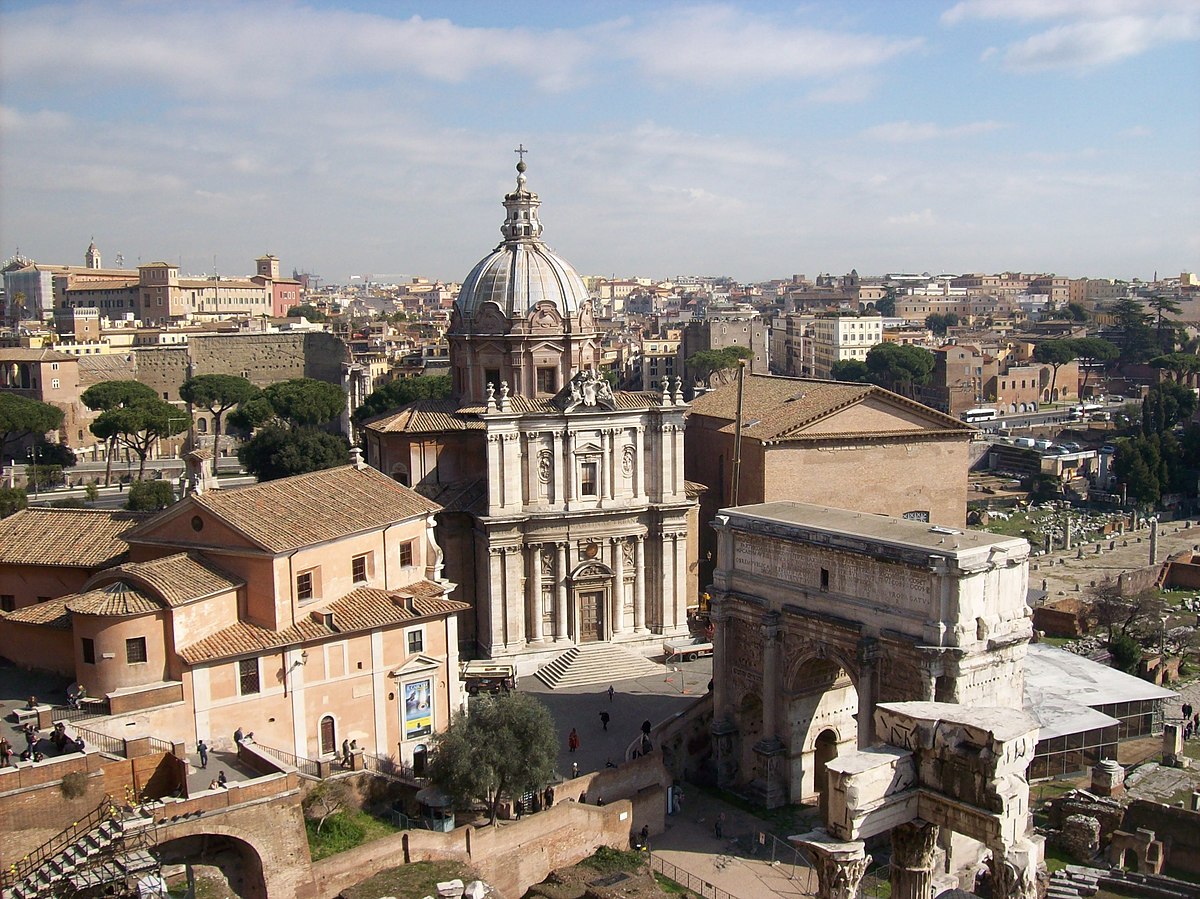
Situated within the bustling heart of Rome, the Curia Julia stands as a significant archaeological site reflecting the grandeur of ancient Roman governance. Originally constructed as the Senate house around 44 BC, it served as one of the key political venues of the Roman Republic, where important discussions and decisions shaped the future of the empire. Today, it resides in the Roman Forum, a vibrant area filled with remnants of Rome’s storied past, providing visitors with insights into the political and cultural life of ancient citizens.
The Curia Julia’s strategic location within the Forum offers easy access to a myriad of other historical sites, making it a central point for those wishing to explore the complexities of Roman history. As you walk through the remains of this impressive structure, you can almost feel the echoes of debates and decisions made within its walls. This site not only exemplifies Roman architectural innovation but also serves as a reminder of the political dynamics that once played a pivotal role in shaping Western civilization.
History and Significance
The Curia Julia was commissioned by Julius Caesar, designed to replace the earlier Curia Hostilia that had stood since the 7th century BC. The conversion of this structure into the basilica of Sant’Adriano marked a significant transition in its use, reflecting the changing religious and cultural landscape of Rome as pagan worship gave way to Christianity.
Throughout its history, the Curia Julia has witnessed some of the most critical moments in Roman history. It was within these walls that senators gathered to discuss vital issues, including legislation, military campaigns, and even matters of state security. The assassination of Julius Caesar in 44 BC, which occurred nearby, highlights the site’s connection to pivotal events that altered the course of Roman governance.
Over the centuries, the Curia Julia has been subject to various restorations, particularly during the Renaissance, which aimed to preserve its historical significance. The structure serves as a prime example of Roman civic architecture, blending functionality with aesthetic appeal, and continues to be a focal point for historians and archaeologists alike.
Architecture and Features
The architectural design of the Curia Julia is characterized by its robust and harmonious proportions, which reflect the Roman ideals of symmetry and order. The building features a rectangular plan, with a striking façade that originally included a portico supported by columns. Although much of the exterior detail has eroded over time, remnants of the original brick and stonework provide insight into the construction techniques employed by Roman engineers.
Inside, the Curia Julia was divided into various sections to accommodate the senators. The main chamber, or the Senate hall, was designed to facilitate discussions and debates, with seating arranged to allow visibility and communication among senators. The high ceiling and large windows would have provided ample light, creating an atmosphere conducive to deliberation.
One of the most notable features of the Curia Julia is its preserved floor, which showcases intricate mosaics that would have adorned the original structure. These artworks tell a story of craftsmanship and artistry that was prevalent in ancient Rome, offering visitors a glimpse into the aesthetic values of the time.
The transition of the Curia Julia into the Basilica of Sant’Adriano further transformed its architectural significance, merging classical Roman elements with early Christian design. This blend reflects the evolving religious landscape of Rome and marks the site as a significant point of convergence between ancient and medieval architectural traditions.
Visiting Information
Visiting the Curia Julia is an essential part of exploring the Roman Forum. The site is accessible via public transport, with various buses and metro stations nearby. The closest metro station is Colosseo, which is within walking distance of the Forum entrance.
Check the official website for current information regarding opening hours and ticket prices. Typically, visitors can expect to spend around one to two hours exploring the Curia Julia, with additional time allocated for the surrounding Forum area. The best times to visit are during the early morning or late afternoon when the crowds are fewer, allowing for a more intimate experience of this historical site.
As you prepare for your visit, expect to encounter a mix of ancient ruins and modern tourists, all sharing the same fascination with Rome’s rich heritage. The site is largely open-air, so comfortable walking shoes are recommended.
Nearby Attractions
- Roman Forum: Just steps away, this sprawling complex of ruins offers deeper insights into the political and social life of ancient Rome.
- Colosseum: An iconic symbol of Rome, the Colosseum is a short walk from the Forum and provides a glimpse into the grandeur of Roman entertainment.
- Palatine Hill: Overlooking the Forum, this hill is home to some of the oldest ruins in Rome and provides stunning views of the surrounding area.
- Arch of Septimius Severus: Located at the entrance to the Forum, this triumphal arch commemorates the victories of Emperor Septimius Severus.
- Basilica of Sant’Adriano: The structure that now occupies the Curia Julia offers a unique perspective on the transition from pagan to Christian architecture.
Insider Tips
For the best photographic opportunities, consider visiting during the golden hour, either early in the morning or late in the afternoon. The soft light enhances the textures of the ancient stones and creates a magical atmosphere. To avoid the largest crowds, plan your visit during weekdays, especially outside of peak tourist seasons.
If you’re interested in the history and significance of the site, consider joining a guided tour. This can provide deeper insights into the architectural features and historical context that you might miss on a self-guided visit.
Practical Information
When visiting the Curia Julia, wear comfortable clothing and shoes suitable for walking, as you will be exploring uneven surfaces and ancient ruins. Depending on the season, bring sun protection or an umbrella for unexpected rain. As the site is largely outdoors, consider visiting during milder months for a more enjoyable experience.
Make sure to carry a reusable water bottle, as hydration is essential while walking through the Forum. There are typically no cafes directly within the ruins, but you can find refreshments nearby, so plan your breaks accordingly.
Frequently Asked Questions
How long should I spend visiting?
A visit to the Curia Julia typically takes about one to two hours. However, if you plan to explore the entire Roman Forum, allocate additional time.
Is photography allowed?
Yes, photography is allowed at the Curia Julia, but be respectful of other visitors and the site’s historical significance.
Are there guided tours?
Yes, guided tours are available and can enhance your understanding of the site’s history and architecture.
What’s the best time to visit?
The best times to visit are early in the morning or late in the afternoon, particularly during weekdays to avoid large crowds.
Is it wheelchair accessible?
Check the official website for specific accessibility information, as some areas may be challenging to navigate.
Can I buy tickets online?
Yes, tickets can often be purchased online. Check the official website for current ticketing options and availability.
Are there restrooms and cafes?
While there are no restrooms or cafes directly at the Curia Julia, facilities are available nearby in the Roman Forum area.
What should I wear?
Wear comfortable clothing and shoes suitable for walking, as well as weather-appropriate attire for your visit.
Photo Gallery
Location
More in lazio
Abatino Park
📍 lazio, Italy
The Abatino Park is a serene natural park located in Lazio, Italy, offering visitors a peaceful retreat with lush landscapes and recreational …
Abbazia di Santa Maria di Ponza
📍 lazio, Italy
The Abbazia di Santa Maria di Ponza is a Cistercian monastery on Ponza Island, Italy, renowned for its serene atmosphere and historical significance.

Academia Belgica
📍 lazio, Italy
The Academia Belgica is a Belgian cultural institution located in Rome, Italy, notable for its role in promoting Belgian heritage and fostering …
Accademia di Belle Arti di Frosinone
📍 lazio, Italy
The Accademia di Belle Arti di Frosinone is an educational institution in Frosinone, Italy, renowned for its commitment to fostering artistic talent …
Acqua Vergine
📍 lazio, Italy
Acqua Vergine is a modern aqueduct located in Rome, Italy, known for its engineering marvel and role in the city's water supply system.

Acquedotto delle Arcatelle
📍 lazio, Italy
The Acquedotto delle Arcatelle is a 17th-century aqueduct located in Tarquinia, Italy, recognized for its impressive architectural design and …
More Archaeological Site

Abbazia di Santa Maria di Corazzo
📍 calabria, Italy
The Abbazia di Santa Maria di Corazzo is an archaeological site located in Carlopoli, Calabria, Italy, renowned for its historical significance and …

Abella
📍 campania, Italy
The archaeological site of Abella in Campania, Italy, is an ancient human settlement known for its historical significance and cultural heritage.

Abellinum
📍 campania, Italy
Abellinum is an archaeological site in Atripalda, Italy, known for its ancient ruins that reveal insights into Roman settlement and urban planning.

Aeculanum
📍 campania, Italy
Aeculanum is an archaeological site in Campania, Italy, known for its remnants of an ancient town that offer insight into early Roman urban life.
Aesernia
📍 molise, Italy
Aesernia is an ancient Roman archaeological site located in Molise, Italy, renowned for its well-preserved ruins that reflect the grandeur of Roman …

Alba Fucens
📍 lazio, Italy
Alba Fucens is an ancient archaeological site in Lazio, Italy, known for its well-preserved ruins that reflect the grandeur of a once-thriving Roman …