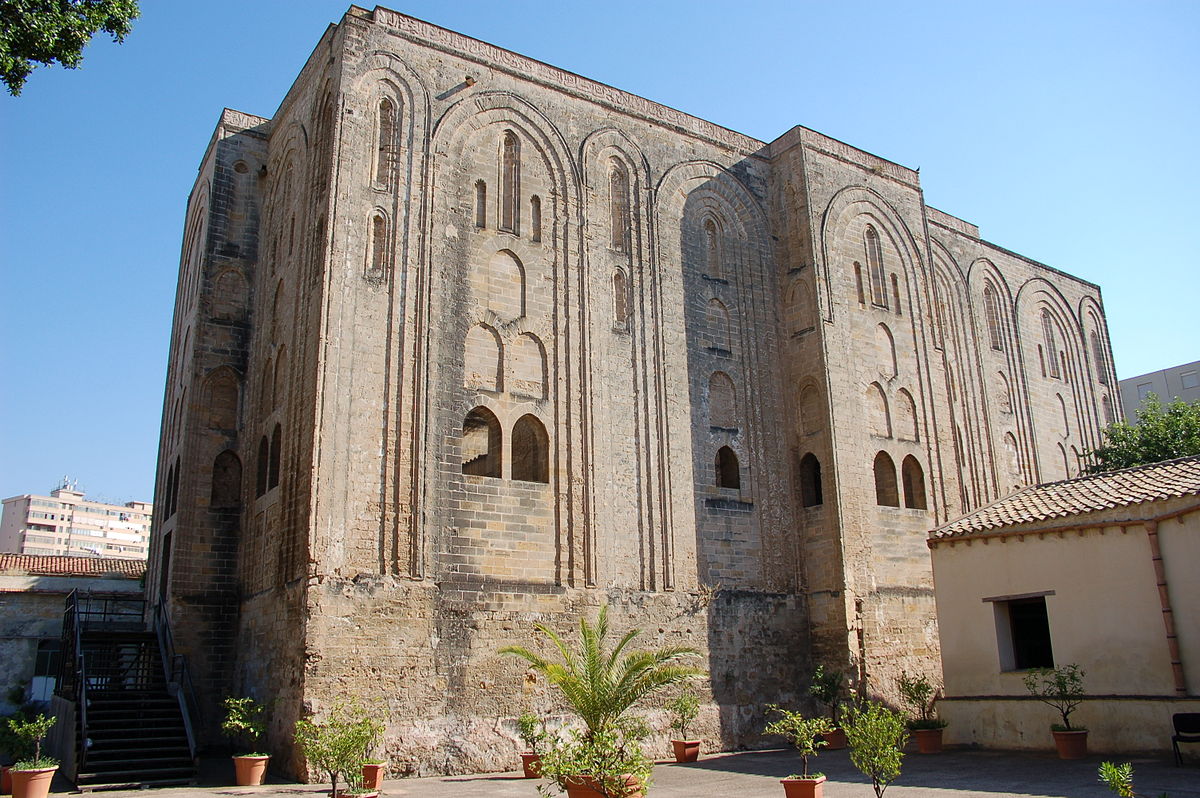


Cuba Palace
Overview
Cuba Palace, or simply “Cuba,” is a striking example of Arab-Norman architecture located in the vibrant city of Palermo, Sicily. This historical site, built during the 12th century, serves not only as a testament to the rich cultural blend of the Norman and Arab influences but also reflects the grandeur of medieval royal residences. The palace is situated in a lush garden setting, surrounded by greenery that enhances its charm. Its unique design and serene surroundings attract visitors who seek to delve into the history of Sicilian nobility and architectural innovation. A visit to Cuba Palace is not merely an exploration of a building; it is an immersion into a significant cultural narrative that shaped the region.
History and Significance
Cuba Palace was commissioned by the Norman King William II, who reigned during a period marked by significant cultural exchanges between the various peoples of Sicily. This palace served as a royal residence and a hunting lodge, highlighting its dual purpose of leisure and governance. The palace’s name, “Cuba,” derives from the Arabic word “qubba,” which translates to “dome,” a reference to the structure’s distinctive architectural style.
The significance of Cuba Palace extends beyond its function as a royal residence. It serves as an emblem of the Arab-Norman architectural legacy, which is recognized as a UNESCO World Heritage site. The combination of Islamic and Christian architectural elements is evident in the design and construction of the palace, showcasing the harmonious coexistence of cultures during medieval times. This melding of styles not only reflects the artistic trends of the era but also provides insight into the socio-political landscape of Sicily during the reign of the Normans.
Throughout its history, Cuba has undergone various restorations and renovations, particularly in the 18th and 19th centuries, which aimed to preserve its original charm while adapting it for contemporary use. Today, Cuba Palace stands as an essential part of Palermo’s historical narrative, drawing visitors interested in both its artistic beauty and its storied past.
Architecture and Features
Cuba Palace is celebrated for its unique architectural design, characterized by its striking circular plan and an impressive dome that dominates its silhouette. The structure is an amalgamation of Arabic and Norman architectural elements, featuring intricate decorative motifs that are reflective of the era’s artistic influences. The exterior of the palace is adorned with decorative arches and elaborate stonework, while the interior is known for its spacious halls and opulent chambers.
One of the most notable features of Cuba Palace is its magnificent ceiling, which is richly decorated with wooden coffered panels. The use of elaborate geometric patterns and vibrant colors exemplifies the artistic skill of the craftsmen of the time. Additionally, visitors can explore the palace’s expansive gardens, which add to the serene ambiance of the site. These gardens not only serve as a picturesque backdrop but also historically functioned as an extension of the palace, enhancing the royal experience with nature’s beauty.
The overall architectural design of Cuba Palace is a blend of utility and aesthetic appeal, making it a significant example of medieval architecture that has influenced subsequent building styles in Sicily and beyond.
Visiting Information
Cuba Palace is located in Palermo, easily accessible by public transport or on foot from the city center. The proximity to various transport hubs makes it a convenient stop for anyone exploring the rich history of Palermo. Visitors can expect to spend approximately one to two hours at the site, allowing time to appreciate the architecture and the surrounding gardens.
To ensure a smooth visit, it is advisable to check the official website for current information regarding opening hours and ticket prices. As with many historical sites, the best times to visit are typically during the early morning or late afternoon to avoid crowds and fully enjoy the serene atmosphere.
Exploring Cuba Palace offers a glimpse into the opulent lifestyle of the Norman kings, along with an appreciation for the intricate artistry that characterizes this unique architectural masterpiece.
Nearby Attractions
- Palermo Cathedral - A stunning example of medieval architecture, this cathedral features a mix of styles influenced by the various cultures that have inhabited Sicily.
- Palazzo dei Normanni - This royal palace is another significant site in Palermo, showcasing the grandeur of Norman architecture and housing the famous Cappella Palatina.
- Orto Botanico di Palermo - This botanical garden offers a tranquil escape filled with diverse plant species and beautiful landscapes, perfect for a leisurely stroll.
- Teatro Massimo - Renowned for its impressive size and acoustics, this opera house is a cultural hub in Palermo, hosting a variety of performances throughout the year.
Insider Tips
For the best photography opportunities, visit Cuba Palace in the early morning or late afternoon when the natural light casts a warm glow on the building’s intricate details. To avoid crowds, consider visiting during weekdays rather than weekends, especially during peak tourist seasons. Engaging a local guide can enhance your experience, providing deeper insights into the history and architecture of the palace.
Practical Information
When visiting Cuba Palace, it’s advisable to wear comfortable shoes as you may need to walk through its gardens and various levels of the palace. Bring a water bottle, especially during the warmer months, as exploring can be quite taxing. Seasonal considerations include checking for any special events or temporary closures that may affect your visit, so consulting the official website in advance is recommended.
Frequently Asked Questions
How long should I spend visiting?
Plan to spend about one to two hours exploring the palace and its gardens for a fulfilling experience.
Is photography allowed?
Yes, photography is generally permitted, but be mindful of any restrictions in specific areas.
Are there guided tours?
Guided tours may be available; check the official website for details and scheduling options.
What’s the best time to visit?
Early mornings or late afternoons during weekdays are ideal for avoiding crowds and enjoying a quieter experience.
Is it wheelchair accessible?
Accessibility information may vary; check the official website for specific details regarding wheelchair access.
Can I buy tickets online?
Ticket purchasing options may be available online. It’s best to check the official website for current information.
Are there restrooms and cafes?
Facilities may be available on-site; consult the official website for specifics.
What should I wear?
Comfortable clothing and footwear are recommended, particularly if you plan to explore the gardens and grounds of the palace.
Photo Gallery
More in sicily

Abbazia di S. Benedetto
📍 sicily, Italy
The Abbazia di S. Benedetto is a historic monastery located in Militello in Val di Catania, Sicily, renowned for its architectural beauty and serene …

Abbazia di Santa Maria
📍 sicily, Italy
Abbazia di Santa Maria is a historic church building located in Novara di Sicilia, Sicily, Italy, known for its architectural beauty and cultural …

Acquedotto Biscari
📍 sicily, Italy
The Acquedotto Biscari is a historic aqueduct located in Sicily, Italy, renowned for its impressive engineering and cultural significance in the …

Agrigento
📍 sicily, Italy
Agrigento is a historic city in Sicily, Italy, renowned for its ancient ruins and the Valley of the Temples, a UNESCO World Heritage Site showcasing …

Agrigento Cathedral
📍 sicily, Italy
Agrigento Cathedral is a historic church in Agrigento, Sicily, celebrated for its architectural beauty and cultural significance in the region.

Alcantara
📍 sicily, Italy
Alcantara is a river in Sicily, Italy, known for its ancient name Akesines and striking natural beauty, attracting nature enthusiasts and history …
More Palace

Archbishop's Palace
📍 campania, Italy
The Archbishop's Palace is a historic palace located in Naples, Italy, known for its architectural elegance and cultural significance in the region.

Bevilacqua Palace
📍 veneto, Italy
The Bevilacqua Palace is a historic palace located in Verona, Italy, renowned for its architectural elegance and cultural significance in the region.

Ca Cappello
📍 veneto, Italy
Ca Cappello is a historic palace located in Venice, Italy, renowned for its architectural elegance and cultural significance in the heart of the city.

Ca Robegan
📍 veneto, Italy
Ca Robegan is a historic palace located in Treviso, Italy, known for its architectural elegance and cultural significance in the Veneto region.

Ca' Amalteo
📍 veneto, Italy
Ca' Amalteo is a historic palace in Venice, Italy, renowned for its architectural elegance and rich cultural heritage.
Ca' Caotorta
📍 veneto, Italy
Ca' Caotorta is a historic palace in Venice, Italy, known for its unique architectural style and cultural significance in the heart of the city.