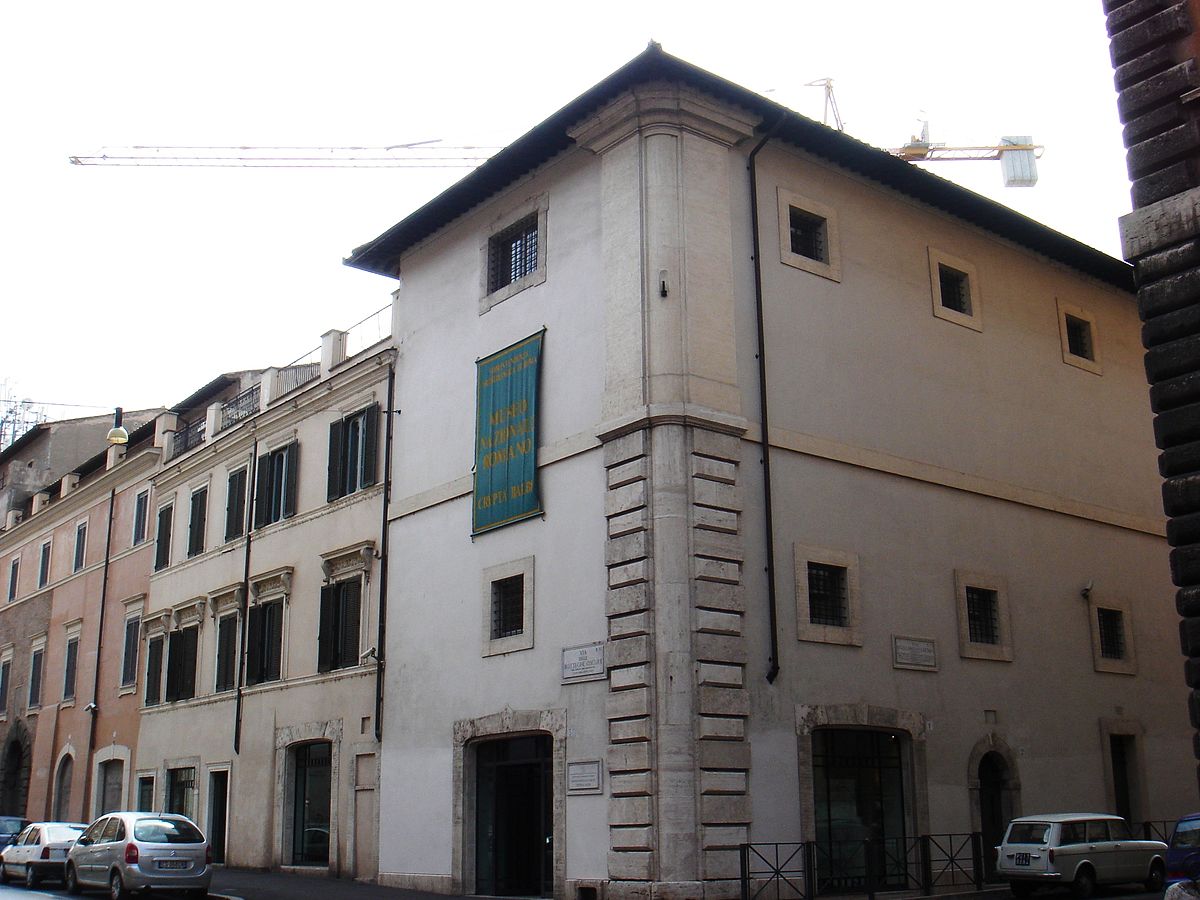


Crypta Balbi
Overview
The Crypta Balbi, part of the National Roman Museum, offers a unique glimpse into ancient Rome’s evolution from a bustling urban center into the modern city we see today. Located in the heart of Rome, this museum is set within the remnants of a Roman theater and a complex of structures used throughout the centuries. It presents an engaging narrative of the city’s history, showcasing how the urban landscape transformed over time. Visitors can explore archaeological finds that highlight the daily lives of Romans, revealing how they adapted their environment and lifestyles through various historical eras.
The museum is not only a repository of artifacts but also an active site of ongoing archaeological research. It serves as a valuable educational resource for anyone interested in the complexities of urban development in ancient Rome. The Crypta Balbi stands as a living testament to the layered history of the city, making it an essential stop for heritage travelers seeking to understand the rich cultural fabric of Rome.
History and Significance
The Crypta Balbi was originally part of a larger complex known as the Theater of Balbus, built in the late Roman Republic. Although specific dates are not documented, the theater is believed to have been constructed around the 1st century BC. This area has witnessed significant changes throughout the centuries, transitioning from its use as a theater to a vibrant neighborhood filled with various structures that catered to the needs of the local population.
The museum itself was established to showcase the archaeological findings from the site, which were uncovered during excavations that took place in the 1980s. These digs revealed layers of history that span from the Roman period through to the Middle Ages, allowing visitors to trace the development of urban life in Rome. The artifacts and architectural remnants provide insights into the societal changes that occurred as Rome evolved from an ancient empire to a modern city.
In addition to its historical importance, the Crypta Balbi is significant for its role in contemporary archaeology. It serves as a research hub where scholars study the findings to better understand urban dynamics and the interplay between historical events and urban development. As such, the museum not only preserves the past but also contributes to ongoing discussions about the preservation and interpretation of historical sites.
Architecture and Features
The architectural layout of the Crypta Balbi is a fascinating mix of ancient ruins and modern museum design. The museum is primarily housed within the remnants of the Theater of Balbus, which was one of the first theaters built in Rome. Visitors can explore the subterranean chambers and walkways that were once bustling with the activities of ancient Romans.
The museum features a diverse range of exhibits, including mosaics, pottery, and everyday objects that paint a vivid picture of life in ancient Rome. One of the notable features is the well-preserved sections of the ancient structures, which allow visitors to visualize the scale and grandeur of the original theater. The interplay of light and space in the museum enhances the experience, as natural lighting filters through the ruins, creating an atmospheric setting for the exhibits.
Additionally, the museum is designed to facilitate a deeper understanding of archaeological processes. Informational panels and multimedia displays provide context to the artifacts on display, explaining their significance and the methodologies behind their excavation. This educational approach enriches the visitor experience, making the Crypta Balbi not just a museum of artifacts, but a center for learning about the preservation of history.
Visiting Information
Getting to Crypta Balbi is convenient, given its central location in Rome. The museum is accessible via public transport, with multiple bus and metro lines serving the area. Visitors can check the official website for current information on hours of operation and ticket prices, as these may vary throughout the year.
It is advisable to allocate at least two hours for your visit to fully appreciate the exhibits. The museum can be busy, especially during peak tourist seasons, so visiting early in the day or later in the afternoon can help avoid crowds.
Plan your visit during weekdays if possible, as weekends tend to attract more visitors. The museum is typically less crowded during the late fall and winter months, providing a more intimate experience with the exhibits.
Nearby Attractions
National Roman Museum - Palazzo Massimo alle Terme: Located a short distance from the Crypta Balbi, this museum houses an extensive collection of Roman art, including frescoes and sculptures.
Largo di Torre Argentina: An archaeological site featuring the ruins of ancient temples and the remains of Pompey’s Theater, offering a glimpse into Rome’s republican past.
The Roman Forum: A short walk away, this iconic site provides insights into the political and social heart of ancient Rome, with its ruins of temples, marketplaces, and public spaces.
Palatine Hill: Overlooking the Forum, this historic site is home to ancient palaces and offers panoramic views of the surrounding areas.
Circus Maximus: Once the site of chariot races, this open space is now a park where visitors can relax while reflecting on its grand history.
Insider Tips
When visiting the Crypta Balbi, photography is generally permitted, but be sure to respect any guidelines regarding flash or tripods. To avoid the busiest times, consider visiting on weekdays or during the off-peak season.
Engage with the museum’s staff or take part in any available workshops or talks, as these can greatly enhance your understanding of the exhibits.
Additionally, consider bringing a notebook or using your smartphone to jot down thoughts and observations, as the museum’s layered history can inspire reflections on the connections between past and present.
Practical Information
Visitors to the Crypta Balbi should wear comfortable shoes, as exploring the museum may involve walking on uneven surfaces. Seasonal considerations are also important; summer can be hot, so dress in light clothing and stay hydrated.
Check the official website for information on any special exhibitions or events that might be taking place during your visit. Additionally, some areas may have limited accessibility, so it’s advisable to check in advance if you have specific mobility concerns.
Frequently Asked Questions
How long should I spend visiting?
It is recommended to spend at least two hours to fully explore the museum and appreciate its exhibits.
Is photography allowed?
Photography is generally permitted, but be sure to check for any specific restrictions within the museum.
Are there guided tours?
Guided tours may be available; check the official website for details on scheduling and availability.
What’s the best time to visit?
Visiting on weekdays and during off-peak seasons, such as late fall or winter, can result in a more enjoyable experience with fewer crowds.
Is it wheelchair accessible?
Accessibility options may be limited; check the official website for detailed information regarding accessibility features.
Can I buy tickets online?
Tickets may be available for online purchase; visit the official website for the latest information.
Are there restrooms and cafes?
Restroom facilities are typically available within the museum, but it’s best to check the official website for current amenities. Cafes and eateries can be found nearby.
What should I wear?
Dress comfortably and consider wearing shoes suitable for walking, as some surfaces may be uneven.
Photo Gallery
Visit Information
Quick Facts
- Heritage Type
- Museum
- Region
- lazio
- Wikidata ID
- Q3005742
More in lazio
Abatino Park
📍 lazio, Italy
The Abatino Park is a serene natural park located in Lazio, Italy, offering visitors a peaceful retreat with lush landscapes and recreational …
Abbazia di Santa Maria di Ponza
📍 lazio, Italy
The Abbazia di Santa Maria di Ponza is a Cistercian monastery on Ponza Island, Italy, renowned for its serene atmosphere and historical significance.

Academia Belgica
📍 lazio, Italy
The Academia Belgica is a Belgian cultural institution located in Rome, Italy, notable for its role in promoting Belgian heritage and fostering …
Accademia di Belle Arti di Frosinone
📍 lazio, Italy
The Accademia di Belle Arti di Frosinone is an educational institution in Frosinone, Italy, renowned for its commitment to fostering artistic talent …
Acqua Vergine
📍 lazio, Italy
Acqua Vergine is a modern aqueduct located in Rome, Italy, known for its engineering marvel and role in the city's water supply system.

Acquedotto delle Arcatelle
📍 lazio, Italy
The Acquedotto delle Arcatelle is a 17th-century aqueduct located in Tarquinia, Italy, recognized for its impressive architectural design and …
More Museum

Aghinolfi Castle
📍 tuscany, Italy
Aghinolfi Castle is a historic museum located in Montignoso, Tuscany, Italy, renowned for its medieval architecture and rich cultural heritage.
Alessi Museum
📍 sicily, Italy
The Alessi Museum is a captivating museum located in Sicily, Italy, renowned for its unique collection of decorative arts and design pieces.
Anatomical Museum "Eugenio Morelli"
📍 lazio, Italy
The Anatomical Museum "Eugenio Morelli" is a museum in Lazio, Italy, renowned for its fascinating collection of anatomical specimens and educational …

Antiquarium of Palazzone
📍 marche, Italy
The Antiquarium of Palazzone is a museum located in Perugia, Italy, renowned for its collection of artifacts that showcase the region's rich …
Aquarium of Alghero
📍 sardinia, Italy
The Aquarium of Alghero is a fascinating museum in Sardinia, Italy, known for its diverse marine life exhibits and educational experiences.

Ara Pacis
📍 lazio, Italy
The Ara Pacis is an ancient Roman monument located in Rome, Italy, renowned for its intricate relief sculptures and its role in celebrating peace and …