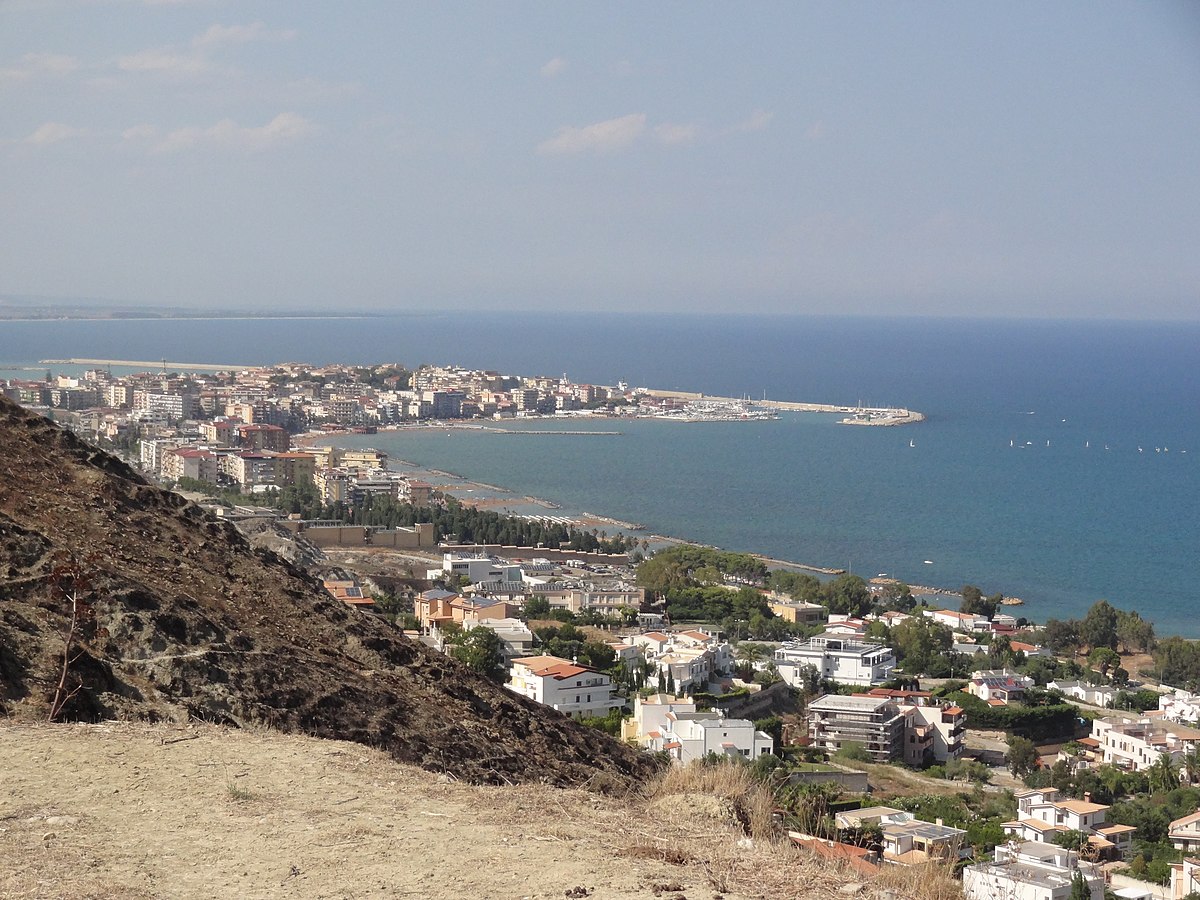


Crotone
Overview
Crotone, a historic city located on the eastern coast of Calabria, Italy, offers visitors a unique blend of ancient history and Mediterranean culture. Known for its strategic position on the Ionian Sea, Crotone has served as an important maritime hub since antiquity. The city’s rich history dates back to its establishment by the Greeks in the 8th century BC, originally named Kroton. This legacy is reflected in the remnants of ancient structures, archaeological sites, and a vibrant local culture that celebrates its storied past. Crotone is not only a gateway to the beautiful Calabrian coastline but also a place where history enthusiasts can delve into the remnants of ancient civilizations and explore the evolution of a city that has witnessed the rise and fall of various empires.
Visitors to Crotone can expect to discover an array of historical sites, from ancient ruins to beautiful medieval architecture. The city’s charming old town features narrow alleys, traditional eateries, and local artisans, providing a glimpse into everyday life in this coastal city. As a destination, Crotone promises to captivate travelers with its unique blend of history, culture, and the stunning natural beauty of its surroundings.
History and Significance
Crotone’s origins trace back to Ancient Greece when it was founded as a colony of Achaea in 710 BC. The city quickly flourished and became an important center for philosophy and science during the classical period. It was here that the renowned Pythagoras established his school, contributing significantly to mathematics and philosophy. The city’s name, Kroton, is often associated with Pythagorean teachings, making it a historical landmark for scholars and enthusiasts alike.
Throughout its history, Crotone faced various challenges, including invasions and occupations by the Romans, Byzantines, and Normans, each leaving their mark on the city’s development. The Roman period saw Crotone expand its influence, becoming a vital port and trade center. Significant archaeological remains, such as the ruins of the ancient city walls and temples, are testimonies to its past prominence.
In the Middle Ages, the city underwent a transformation as it became a feudal stronghold. The Normans constructed numerous castles and fortifications, some of which still stand today. The strategic importance of Crotone continued into the Renaissance, where it became a focal point for trade and culture. Over the centuries, Crotone evolved into a modern city while still preserving elements of its rich historical legacy, making it a fascinating destination for visitors interested in exploring Italy’s diverse cultural heritage.
Architecture and Features
Crotone’s architecture reflects its long and varied history, with influences from Greek, Roman, and Norman styles evident throughout the city. The most prominent feature is the ancient city walls, which were originally constructed by the Greeks and later reinforced by the Romans. These walls serve as a reminder of the city’s strategic importance in antiquity.
One of the key architectural highlights is the Church of Santa Maria Assunta, a stunning example of Baroque architecture that dominates the city’s skyline. Inside, visitors can admire intricate frescoes and ornate altarpieces that showcase the artistic talent of the region. The nearby Castle of Charles V, built in the 16th century, offers impressive views of the surrounding area and serves as a notable landmark that reflects the city’s medieval past.
Another significant site is the archaeological park of Capo Colonna, where the remains of the ancient Temple of Hera Lacinia can be found. This site, dedicated to the worship of the goddess Hera, includes a solitary column standing as a testament to the grandeur of the original temple. The park not only highlights the city’s ancient religious practices but also provides stunning views of the coastline.
Crotone’s old town is characterized by narrow, winding streets, picturesque plazas, and traditional houses that retain their charm and character. Local shops and eateries dot the landscape, inviting visitors to experience the warm hospitality and culinary delights of Calabrian cuisine.
Visiting Information
Reaching Crotone is relatively straightforward, with the city served by its own airport, Crotone Airport, which offers domestic flights. For those traveling by train, Crotone is accessible via regional rail services connecting it to larger cities like Catanzaro and Reggio Calabria. Additionally, road networks provide convenient access for those driving through Calabria.
When planning a visit, check the official website for current information on hours and prices for specific attractions, as these may vary seasonally. A typical visit to Crotone could last from a day to a weekend, depending on interests. Most visitors find that spending two to three days allows ample time to explore the city’s historical sites, relax on the beaches, and enjoy local cuisine.
The best time to visit Crotone is during the spring (April to June) and early autumn (September to October) when the weather is pleasant, and the tourist crowds are smaller. Summer can be hot, but it is also the peak season for beachgoers.
Nearby Attractions
While Crotone itself is rich in history and culture, several nearby attractions can enhance your visit:
Capo Colonna Archaeological Park: Located just south of Crotone, this park houses the ruins of the ancient Temple of Hera and offers a scenic coastal landscape.
Le Castella: A short drive from Crotone, this picturesque seaside village features a stunning Aragonese Castle set on a small island, surrounded by crystal-clear waters.
Sila National Park: A bit further inland, this national park offers hiking trails, beautiful lakes, and opportunities to explore the diverse flora and fauna of the region.
Punta Alice: Known for its beautiful beaches and clear waters, this area is perfect for swimming and sunbathing.
Ciro Marina: A charming coastal town famous for its vineyards and wine production, Ciro Marina is a great spot to enjoy local wines and seafood.
Insider Tips
For those looking to capture the essence of Crotone through photography, early morning or late afternoon light is ideal for shooting the ancient architecture and stunning seascapes. Avoiding the peak tourist hours will not only provide better photographic opportunities but also allow for a more intimate experience of the city’s attractions.
If you wish to avoid crowds, consider visiting during the shoulder seasons of spring and autumn. This is when you can enjoy a more relaxed atmosphere while still benefiting from pleasant weather.
Practical Information
When visiting Crotone, it’s advisable to bring comfortable walking shoes, as many streets in the old town are cobbled and may require some navigation. A hat and sunscreen are recommended, especially during the summer months when the sun can be intense.
Be sure to check seasonal considerations, as some attractions may have specific opening hours or offer different experiences based on the time of year. Local festivals and events may also provide a unique insight into the culture and traditions of Crotone, so it’s worth researching what’s on during your visit.
Frequently Asked Questions
How long should I spend visiting?
A stay of two to three days is recommended to fully explore Crotone and its surroundings.
Is photography allowed?
Yes, photography is generally allowed in public spaces and many attractions, but be respectful of private property.
Are there guided tours?
Yes, various guided tours are available, offering insights into the city’s history and culture.
What’s the best time to visit?
Spring and early autumn are ideal for pleasant weather and fewer crowds.
Is it wheelchair accessible?
While some areas of Crotone are accessible, the old town’s cobblestone streets may pose challenges for those with mobility issues.
Can I buy tickets online?
Check the official website for specific attractions to see if online ticket purchases are available.
Are there restrooms and cafes?
Public restrooms and cafes are available throughout the city, particularly in tourist areas.
What should I wear?
Dress comfortably, keeping in mind that some religious sites may have specific dress codes. Light clothing is suggested during the warmer months.
Photo Gallery
Location
Visit Information
Quick Facts
- Heritage Type
- City
- Region
- calabria
- Wikidata ID
- Q6681
More in calabria

Abbazia di Santa Maria di Corazzo
📍 calabria, Italy
The Abbazia di Santa Maria di Corazzo is an archaeological site located in Carlopoli, Calabria, Italy, renowned for its historical significance and …
Acquedotto rurale di Spilinga
📍 calabria, Italy
The Acquedotto rurale di Spilinga is a historic aqueduct located in Calabria, Italy, renowned for its impressive engineering and significance in …

Alessi creek
📍 calabria, Italy
Alessi Creek is a tranquil river located in Calabria, Italy, known for its serene landscape and natural beauty, perfect for nature enthusiasts.

Allaro
📍 calabria, Italy
The Allaro is a significant river in Calabria, Italy, known for its picturesque landscapes and ecological importance in the region.
Alli
📍 calabria, Italy
The Alli is a river in Calabria, Italy, celebrated for its natural beauty and vital role in the region's ecology and culture.

Amato
📍 calabria, Italy
The Amato River is a serene waterway in Calabria, Italy, celebrated for its natural beauty and cultural significance to the region.
More City

Agrigento
📍 sicily, Italy
Agrigento is a historic city in Sicily, Italy, renowned for its ancient ruins and the Valley of the Temples, a UNESCO World Heritage Site showcasing …

Albenga
📍 liguria, Italy
Albenga is an Italian urban comune located in the Liguria region, known for its medieval architecture and rich historical significance.

Alessandria
📍 lombardy, Italy
Alessandria is a historic city in Lombardy, Italy, known for its intriguing blend of cultural heritage and architectural features.

Ancona
📍 marche, Italy
Ancona is a historic city in the Marche region of Italy, renowned for its stunning coastal views and significant maritime heritage.

Andria
📍 apulia, Italy
Andria is a city in Apulia, Italy, known for its unique blend of historical architecture and cultural significance, particularly the stunning Castel …
Arretium
📍 tuscany, Italy
Arretium is an ancient city in Tuscany, Italy, recognized for its historical significance as a human settlement and its rich cultural heritage.