


Cosa
Overview
Cosa, situated in the picturesque region of Tuscany, Italy, is a remarkable archaeological site that offers a unique glimpse into ancient Roman urban planning and culture. Founded around 273 BCE as a Latin colony, it holds significant historical and cultural value, reflecting the expansion of Roman influence in the Italian peninsula. The site, with its well-preserved ruins, provides an opportunity for visitors to explore the remnants of a once-thriving community, including its fortifications, temples, and residential areas.
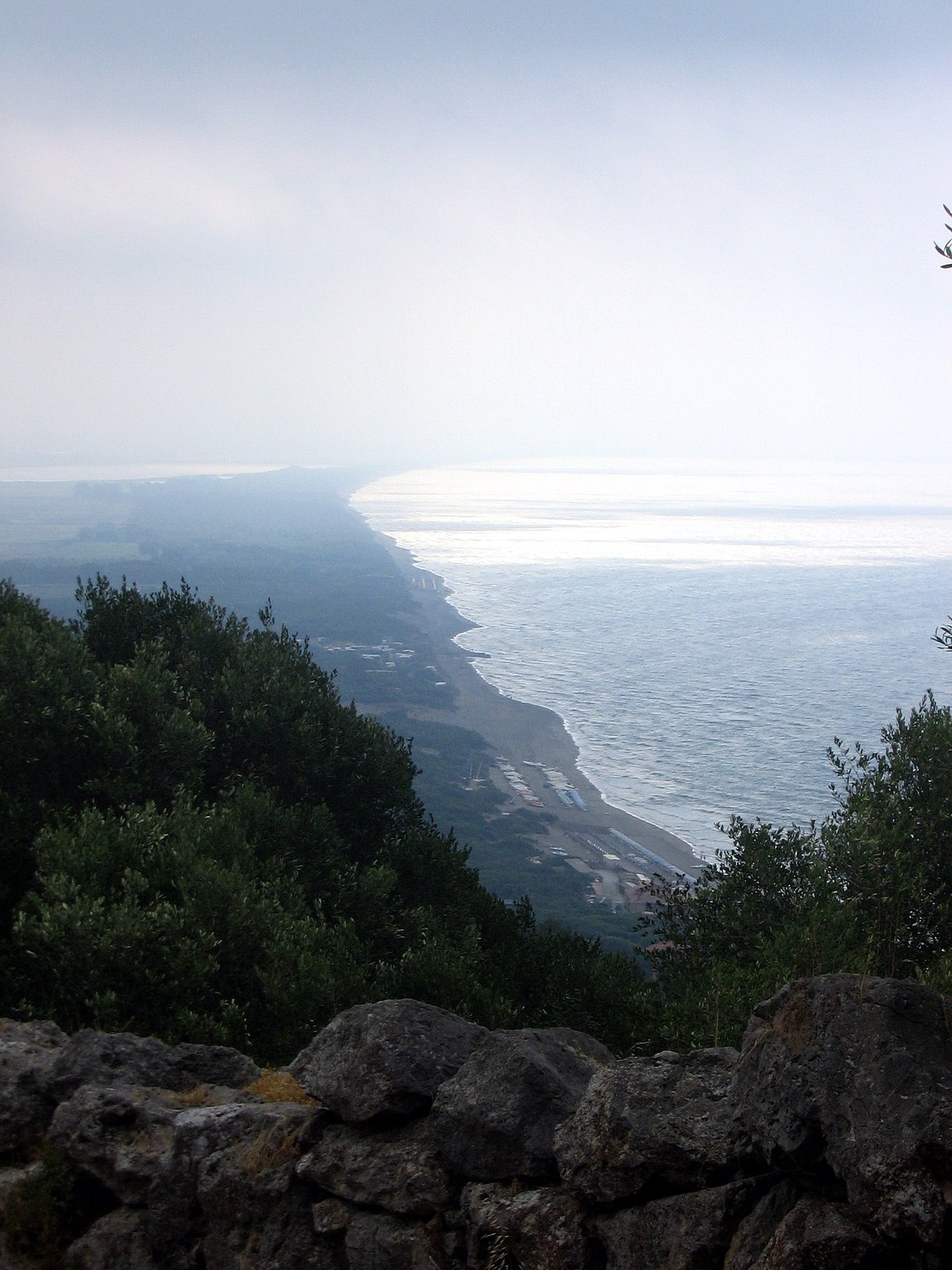
The archaeological remains of Cosa are not just a testament to the engineering prowess of the Romans but also a key to understanding their social and political structures. As you wander through the ruins, you can appreciate the strategic layout and design that were integral to Roman urban life. With its stunning location overlooking the Tyrrhenian Sea and the surrounding landscape, Cosa is a perfect destination for history enthusiasts and casual travelers alike, promising a blend of exploration and natural beauty.
History and Significance
Cosa was founded by the Romans in 273 BCE during a period of expansion when they sought to establish colonies along the western coast of Italy. Its establishment was part of a strategic initiative to control trade routes and secure the region against potential threats from rival factions. The colony was primarily populated by Roman citizens and served as a military outpost, which later evolved into a bustling town.
The significance of Cosa lies not only in its military function but also in its role as a cultural and economic center in the region. Archaeological excavations have revealed evidence of a thriving economy, with pottery, coins, and other artifacts indicating trade connections with other parts of the Mediterranean. The layout of the town reflects typical Roman urban planning, characterized by a grid-like street system, public spaces, and religious structures.
Throughout the centuries, Cosa experienced various phases of development and decline, influenced by changes in political power and shifts in trade patterns. The site was eventually abandoned, but archaeological efforts have uncovered layers of history, allowing researchers to piece together the life of its inhabitants. Today, Cosa serves as an important resource for understanding Roman colonization and its impacts on local cultures.
Architecture and Features
The archaeological site of Cosa is marked by its impressive remains, which reflect the typical features of Roman architecture. Visitors can explore the remnants of defensive walls, which once enclosed the town and provided protection against invaders. These fortifications demonstrate the strategic importance of Cosa, with towering stone structures that have stood the test of time.
One of the notable features of the site is the well-preserved forum, which served as the social and political heart of the community. The forum was likely surrounded by important civic buildings, including temples dedicated to deities worshipped by the inhabitants. Although many structures are now in ruins, the layout and foundational remains provide insight into the architectural style and urban planning practices of the Romans.
In addition to the public spaces, residential areas have also been uncovered, featuring remnants of houses that showcase domestic life in ancient Cosa. The design of these homes often included courtyards, which were central to daily activities and social interactions. The combination of military, religious, and residential architecture offers a comprehensive view of life in a Roman colony.
Visiting Information
To reach Cosa, visitors can access the site via road, as it is located not far from the coastal town of Ansedonia in Tuscany. The nearest major cities include Grosseto and Orbetello, both of which offer various transportation options. Visitors should check the official website for current information regarding hours and ticket prices, as these may vary seasonally.
When planning a visit, it is recommended to allocate around two to three hours to fully explore the site. The best times to visit Cosa are during the spring and fall when the weather is mild and the crowds are fewer. This allows for a more enjoyable experience as you wander through the ancient ruins.
At the site, expect to find informative signage that provides context and explanations about the various structures. Guided tours may also be available, offering deeper insights into the historical significance of the site. Prepare for some walking, as the terrain can be uneven in places.
Nearby Attractions
While visiting Cosa, there are several nearby attractions worth exploring:
- Orbetello: A nearby coastal town known for its beautiful lagoon and beaches, ideal for a relaxing afternoon.
- Monte Argentario: A stunning peninsula offering scenic views, hiking trails, and picturesque villages like Porto Ercole and Porto Santo Stefano.
- Parco della Maremma: A natural park featuring diverse ecosystems, perfect for hiking, birdwatching, and enjoying the outdoors.
- Tarquinia: Renowned for its Etruscan heritage, this town is home to ancient tombs and a museum showcasing Etruscan artifacts.
- Grosseto: The capital of the province, featuring medieval architecture, museums, and vibrant local markets.
Insider Tips
For the best photography opportunities, visit Cosa early in the morning or late in the afternoon when the sunlight casts beautiful shadows over the ruins. The natural landscape surrounding the site also provides stunning backdrops for capturing memorable images.
To avoid larger crowds, plan your visit during weekdays rather than weekends. This will enhance your experience as you can explore the site at a leisurely pace.
Practical Information
When visiting Cosa, it is advisable to wear comfortable shoes suitable for walking on uneven terrain. Bring along water, especially during the warmer months, to stay hydrated as you explore the site.
Seasonal considerations are important; spring and fall offer the most pleasant weather, while summer can be hot and crowded. Be prepared for occasional rain in the fall.
In terms of amenities, check the official website for information on available facilities, as these may change over time.
Frequently Asked Questions
How long should I spend visiting?
Most visitors find that spending two to three hours at Cosa allows for a thorough exploration of the site and its features.
Is photography allowed?
Yes, photography is generally permitted, but be respectful of the site and other visitors while capturing your memories.
Are there guided tours?
Guided tours may be available; check the official website for details on scheduling and availability.
What’s the best time to visit?
Spring and fall are ideal times to visit Cosa, as the weather is mild and crowds are typically smaller.
Is it wheelchair accessible?
The site may have some accessibility limitations due to uneven terrain; check the official website for specific information.
Can I buy tickets online?
For the most accurate and updated information about ticket purchasing, please check the official website.
Are there restrooms and cafes?
Amenities may vary; check the official website for the latest information regarding facilities on site.
What should I wear?
Comfortable clothing and sturdy footwear are recommended, especially for navigating uneven surfaces.
Photo Gallery
Visit Information
Quick Facts
- Heritage Type
- Archaeological Site
- Region
- tuscany
- Wikidata ID
- Q546547
More in tuscany

Abbazia di San Gaudenzio
📍 tuscany, Italy
The Abbazia di San Gaudenzio is a historic abbey located in San Gaudenzio, Tuscany, Italy, notable for its architectural elegance and spiritual …

Abbey of St Maria del Monte
📍 tuscany, Italy
The Abbey of St Maria del Monte is a historic church building located in Cesena, Italy, celebrated for its architectural beauty and serene ambiance.
Abiogen Pharma
📍 tuscany, Italy
Abiogen Pharma is an educational institution located in Pisa, Italy, recognized for its contributions to pharmaceutical education and research.

Academia de la Crusca library
📍 tuscany, Italy
The Academia de la Crusca library is a historic library located in Tuscany, Italy, renowned for its dedication to the Italian language and its …

Acquedotto leopoldino
📍 tuscany, Italy
The Acquedotto Leopoldino is an impressive aqueduct system located in Livorno, Tuscany, Italy, recognized for its historical significance and …

Acquedotto Lorenese
📍 tuscany, Italy
The Acquedotto Lorenese is a historic aqueduct located in Campiglia Marittima, Tuscany, Italy, known for its 19th-century architecture and engineering …
More Archaeological Site

Abbazia di Santa Maria di Corazzo
📍 calabria, Italy
The Abbazia di Santa Maria di Corazzo is an archaeological site located in Carlopoli, Calabria, Italy, renowned for its historical significance and …

Abella
📍 campania, Italy
The archaeological site of Abella in Campania, Italy, is an ancient human settlement known for its historical significance and cultural heritage.

Abellinum
📍 campania, Italy
Abellinum is an archaeological site in Atripalda, Italy, known for its ancient ruins that reveal insights into Roman settlement and urban planning.

Aeculanum
📍 campania, Italy
Aeculanum is an archaeological site in Campania, Italy, known for its remnants of an ancient town that offer insight into early Roman urban life.
Aesernia
📍 molise, Italy
Aesernia is an ancient Roman archaeological site located in Molise, Italy, renowned for its well-preserved ruins that reflect the grandeur of Roman …

Alba Fucens
📍 lazio, Italy
Alba Fucens is an ancient archaeological site in Lazio, Italy, known for its well-preserved ruins that reflect the grandeur of a once-thriving Roman …