Corniculum
Overview
Corniculum, once an influential city-state in ancient Italy, offers visitors a glimpse into the rich history of the Latin people. Situated in the region of Lazio, this ancient town is located at coordinates 42.020425, 12.757123, making it an intriguing destination for those interested in the early roots of Roman civilization. The site holds a special place in history as a vital hub of trade and culture, contributing to the development of the surrounding areas. Today, it stands as a testament to the strategic importance of Latin towns in the formation of the Roman Empire. Exploring Corniculum provides an opportunity to understand the socio-political dynamics that shaped this vibrant region, making it a must-visit for history enthusiasts and curious travelers alike.
History and Significance
Corniculum’s history is intertwined with the rise of the Latin League, a confederation of ancient Latin cities that played a critical role in resisting the encroachment of the expanding Roman state. This town served not only as a military stronghold but also as a center for commerce and governance. Although much of its specific historical timeline remains vague, Corniculum is recognized for its contributions to the Latin language and culture, which would eventually influence Roman society.
As a city-state, Corniculum was strategically located to control trade routes and military movements. Its residents engaged in agriculture and trade, fostering economic stability. The town’s significance grew as it became a site for political alliances and cultural exchange among neighboring communities. Even though Corniculum eventually fell into decline as Rome’s power expanded, its legacy continued through the cultural and linguistic contributions of the Latin people.
The archaeological remnants of Corniculum provide insight into the daily lives of its inhabitants and the political structures that governed them. Exploring these ruins allows visitors to appreciate the complexities of ancient life and the foundational role that places like Corniculum played in shaping modern European history.
Architecture and Features
The architectural remnants of Corniculum reflect its historical significance and the typical characteristics of ancient Latin towns. Although specific structures may not remain intact, the layout of the town is indicative of the organized urban planning typical of the era. The remains likely include sections of walls and foundations that delineate residential and communal spaces.
Visitors can expect to find traces of ancient roads, which would have facilitated trade and movement throughout the region. These pathways connect various parts of the town, showcasing the strategic foresight of its planners. Additionally, while the specific architectural styles may not be documented, it is reasonable to infer that the buildings in Corniculum would have shared similarities with those found in other contemporary Latin settlements, featuring stone constructions and practical layouts designed for both defense and daily life.
Moreover, the natural landscape surrounding Corniculum adds to its historical ambiance. While specific natural features are not detailed here, the general topography of Lazio, characterized by rolling hills and fertile plains, would have been conducive to agriculture and settlement during antiquity. This geographical context further enhances the understanding of why Corniculum was chosen as a site for habitation.
Visiting Information
Traveling to Corniculum can be an enriching experience for those interested in ancient history. Accessing the site may require some planning, as it is situated outside the main urban centers of Lazio. Visitors are encouraged to check the official website for current information regarding access, hours, and any potential guided tours.
When visiting, expect to spend a few hours exploring the remnants of the town and reflecting on its historical significance. Walking through the ruins allows for a personal connection to the past, where one can ponder the lives of those who once inhabited the area.
The best times to visit are during the spring and early autumn months when the weather is mild and conducive to outdoor exploration. This timing also helps avoid the larger tourist crowds typical in the peak summer season, allowing for a more contemplative experience.
Nearby Attractions
Ancient Rome: The capital of Italy, just a short drive away, is home to some of the most significant historical sites in the world, including the Colosseum and the Roman Forum.
The Alban Hills: Known for their picturesque scenery and historical significance, these hills offer excellent hiking opportunities and beautiful views of the surrounding countryside.
Cori: A charming town nearby, rich in history and known for its ancient ruins, including remnants of Roman temples and fortifications.
Nemi: Famous for its small lake and stunning views, Nemi also boasts an intriguing history tied to the ancient Roman Empire.
Castel Gandolfo: This town, known for its papal residence and beautiful landscapes, is another nearby destination that offers both cultural experiences and outdoor activities.
Insider Tips
To make the most of your visit to Corniculum, consider planning your trip during weekdays to avoid larger crowds. Early morning visits can also provide a quieter atmosphere, allowing for a more personal exploration of the site.
For photography enthusiasts, the ruins and surrounding landscapes can create stunning compositions, especially in the soft light of early morning or late afternoon. Bring a good camera and take your time to capture the beauty of the remnants and their historical context.
Practical Information
When preparing for your visit, bring comfortable walking shoes, as the terrain may be uneven in places. Water and snacks are advisable, especially if you plan to spend several hours at the site. Depending on the season, consider dressing in layers, as temperatures can vary throughout the day.
Since Corniculum is an outdoor site, be aware of the weather conditions when planning your visit. Spring and fall are generally ideal, but summer visits should be timed to avoid the hottest parts of the day.
Frequently Asked Questions
How long should I spend visiting?
Most visitors find that a 2-3 hour visit allows ample time to explore the ruins and appreciate the site’s historical context.
Is photography allowed?
Yes, photography is generally permitted, so feel free to capture the beauty of the site.
Are there guided tours?
Check the official website for information on guided tours, as availability can vary.
What’s the best time to visit?
Spring and early autumn are the best times, offering mild weather and fewer crowds.
Is it wheelchair accessible?
Due to the nature of the archaeological site, accessibility may be limited. It’s advisable to check directly with the site for specific accommodations.
Can I buy tickets online?
Check the official website for current information on ticket purchasing options.
Are there restrooms and cafes?
Facilities may be limited at the site, so it’s best to plan accordingly. Consider bringing your own refreshments.
What should I wear?
Dress comfortably and wear appropriate footwear, as you may encounter uneven terrain while exploring the ruins.
More in lazio
Abatino Park
📍 lazio, Italy
The Abatino Park is a serene natural park located in Lazio, Italy, offering visitors a peaceful retreat with lush landscapes and recreational …
Abbazia di Santa Maria di Ponza
📍 lazio, Italy
The Abbazia di Santa Maria di Ponza is a Cistercian monastery on Ponza Island, Italy, renowned for its serene atmosphere and historical significance.

Academia Belgica
📍 lazio, Italy
The Academia Belgica is a Belgian cultural institution located in Rome, Italy, notable for its role in promoting Belgian heritage and fostering …
Accademia di Belle Arti di Frosinone
📍 lazio, Italy
The Accademia di Belle Arti di Frosinone is an educational institution in Frosinone, Italy, renowned for its commitment to fostering artistic talent …
Acqua Vergine
📍 lazio, Italy
Acqua Vergine is a modern aqueduct located in Rome, Italy, known for its engineering marvel and role in the city's water supply system.

Acquedotto delle Arcatelle
📍 lazio, Italy
The Acquedotto delle Arcatelle is a 17th-century aqueduct located in Tarquinia, Italy, recognized for its impressive architectural design and …
More City-State

Alba Longa
📍 lazio, Italy
Alba Longa is an ancient city-state in Lazio, Italy, known for its historical significance as the legendary birthplace of Rome and rich cultural …

Caere
📍 lazio, Italy
Caere, an ancient Etruscan metropolis located in Lazio, Italy, is renowned for its archaeological significance and well-preserved necropolises.
Clusium
📍 tuscany, Italy
The ancient Etruscan city-state of Clusium in Tuscany, Italy, is renowned for its archaeological significance and rich cultural heritage.

Free Territory of Trieste
📍 friuli-venezia-giulia, Italy
The Free Territory of Trieste is a historic city-state located in Friuli-Venezia Giulia, Italy, renowned for its unique status and rich cultural …
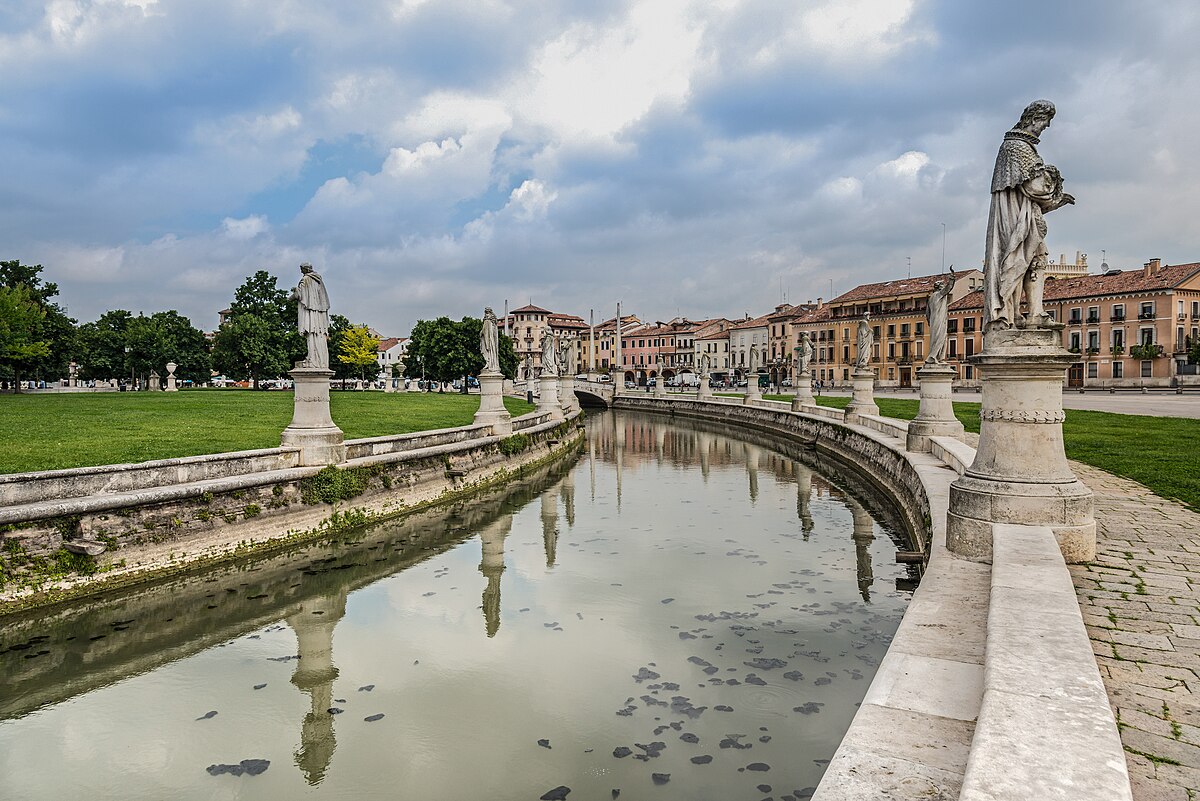
Padua
📍 veneto, Italy
Padua is a historic city-state in Veneto, Italy, renowned for its rich cultural heritage and stunning architecture, including the famous Scrovegni …