

Como
Overview
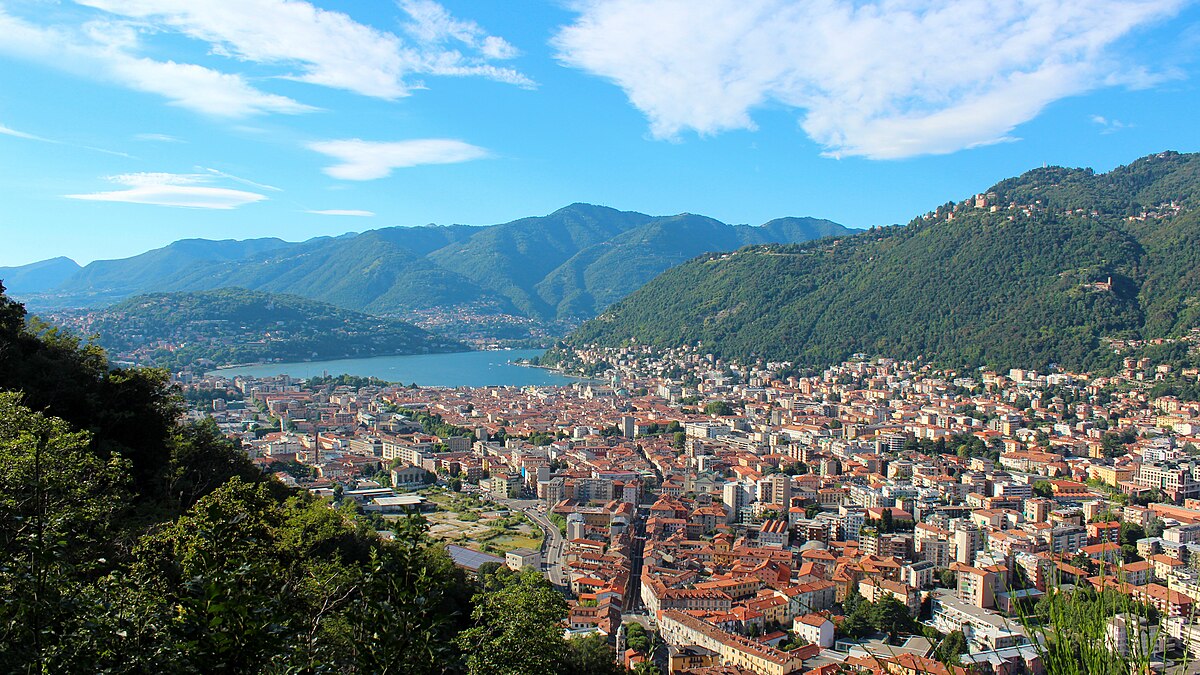
Como, located in the Lombardy region of Italy, is a vibrant city renowned for its breathtaking lakeside scenery and historical significance. Positioned at the southern tip of Lake Como, this city serves as both a gateway to the lake’s enchanting villages and a destination in its own right. With its picturesque waterfront, charming streets, and impressive architecture, Como attracts visitors seeking both relaxation and cultural experiences. The city boasts a unique blend of natural beauty and urban sophistication, making it an ideal spot for travelers looking to explore the Italian Lakes.
Beyond its visual allure, Como holds historical significance dating back to Roman times, when it was known as “Comum.” Its rich past is reflected in the remnants of ancient walls, impressive churches, and grand villas that dot the landscape. The city is also recognized for its silk production, a tradition that dates back centuries, which adds another layer to its cultural identity. Whether you’re strolling along the lakefront promenade or delving into the city’s history, Como promises a memorable experience for every visitor.
History and Significance
Como’s history can be traced back to the Roman era, when it was established as a significant settlement known for its strategic location and fertile surroundings. The Romans recognized the area’s potential and developed it into a thriving town. Evidence of this past can still be seen today in the remnants of ancient walls, which provide a glimpse into the city’s storied beginnings. As time progressed, Como evolved into a vital cultural and commercial center, particularly known for its silk industry. The production of silk has been a cornerstone of Como’s economy since the Middle Ages, and the city continues to be recognized for its high-quality textiles.
Throughout the centuries, Como has attracted artists, intellectuals, and aristocrats, contributing to its cultural richness. The city is home to several notable historical landmarks, including the stunning Cathedral of Como (Duomo di Como), which showcases a blend of Gothic and Renaissance architecture. The Basilica of San Fedele and the Volta Temple, dedicated to the famous inventor Alessandro Volta, further highlight the city’s importance in the realms of art and science.
Como’s vibrant cultural scene is also reflected in its annual events, festivals, and markets, which celebrate local traditions and crafts. The city serves as a cultural hub, drawing visitors who are eager to experience its artistic heritage. The combination of historical significance, architectural beauty, and cultural vibrancy makes Como a vital part of Italy’s heritage landscape.
Architecture and Features
Como’s architectural landscape is a testament to its rich history and artistic influences. The Cathedral of Como, or Duomo, stands as a centerpiece of the city, featuring an intricate façade adorned with sculptures and a stunning interior that showcases impressive stained glass windows. This Gothic-Renaissance masterpiece, completed in the 18th century, is a must-visit for its artistic and historical significance.
Another notable structure is the Basilica of San Fedele, which dates back to the 11th century. This Romanesque church features a striking bell tower and beautiful frescoes, making it a perfect example of medieval architecture in the region. The church’s serene atmosphere invites visitors to explore its interior and appreciate the craftsmanship that has endured through the ages.
In addition to religious buildings, Como is dotted with elegant villas, many of which are located along the lakeshore. Villa Olmo, a neoclassical villa built in the late 18th century, is particularly noteworthy. Surrounded by beautiful gardens, it often hosts exhibitions and cultural events, offering a glimpse into the opulence of the past.
The historic city center, with its winding streets and charming squares, provides a perfect backdrop for leisurely exploration. Visitors can wander through vibrant markets, quaint shops, and cafés, soaking in the local atmosphere. The architectural diversity and historical landmarks of Como create a captivating environment that enchants all who visit.
Visiting Information
Como is easily accessible by various modes of transport, making it a convenient destination for travelers. The city is well-connected by train, with regular services from major cities such as Milan, which is just a short ride away. Additionally, buses and ferries provide options for reaching the surrounding areas and exploring the picturesque villages along Lake Como.
For the latest information on hours and prices for specific attractions, check the official website. When visiting, it’s recommended to allocate at least a full day to fully experience Como. This allows for ample time to explore the city center, visit key landmarks, and enjoy the scenic beauty of the lake.
The best times to visit Como are during the spring and early autumn when the weather is mild and conducive to outdoor activities. Summer can be quite busy with tourists, while winter offers a quieter atmosphere but may limit some outdoor activities.
Expect a blend of cultural immersion and natural beauty during your visit. Whether you choose to relax by the lake, savor local cuisine, or delve into the city’s history, Como offers a delightful experience for every traveler.
Nearby Attractions
Como’s location makes it an ideal base for exploring other attractions in the region. Here are a few nearby places worth visiting:
Bellagio: Often referred to as the “Pearl of the Lake,” Bellagio is known for its charming streets, beautiful villas, and stunning views of the surrounding mountains and lake.
Varenna: This picturesque village features lovely waterfront promenades, historic churches, and the beautiful Villa Monastero, which boasts exquisite gardens.
Lenno: Home to the famous Villa del Balbianello, known for its stunning gardens and views, Lenno offers a serene escape with its beautiful lakeside setting.
Brunate: Accessible via a funicular from Como, Brunate provides panoramic views of the lake and surrounding area, making it a popular hiking destination.
Tremezzo: This town is famous for its elegant villas, particularly Villa Carlotta, known for its impressive botanical garden and art collections.
These nearby attractions enhance the experience of visiting Como, allowing travelers to explore the diverse beauty of Lake Como and its surroundings.
Insider Tips
When visiting Como, consider these insider tips to enhance your experience:
Photography: The best times for photography are early morning or late afternoon when the light is softer. Capture the reflections on the lake and the charming streets of the city.
Crowd Avoidance: To avoid the busiest times, plan your visit during weekdays, especially in the late spring or early autumn. Early mornings are also less crowded.
Local Cuisine: Don’t miss the chance to try local specialties, such as risotto with perch and polenta, at one of the lakeside restaurants.
Walking Tours: Consider joining a guided walking tour to gain deeper insights into Como’s history and architecture.
Practical Information
When preparing for your visit to Como, here are some practical considerations:
What to Bring: Comfortable walking shoes are essential for exploring the city’s cobbled streets. A light jacket may be useful, especially in the cooler months.
Seasonal Considerations: Summer can be hot, so pack sunscreen and hats. In winter, be prepared for cooler temperatures and occasional rain.
Local Currency: The currency used in Como is the Euro. Credit cards are widely accepted, but it’s advisable to carry some cash for smaller vendors.
Language: While many locals speak English, learning a few basic Italian phrases can enhance your interactions with residents.
Frequently Asked Questions
How long should I spend visiting?
A full day is recommended to explore Como’s main attractions, but a longer stay allows for more leisurely exploration and nearby excursions.
Is photography allowed?
Yes, photography is generally allowed in public spaces and most attractions, but be mindful of any specific rules at individual sites.
Are there guided tours?
Yes, guided tours are available and can provide valuable insights into Como’s history and culture.
What’s the best time to visit?
Spring (April to June) and early autumn (September to October) are ideal for pleasant weather and fewer crowds.
Is it wheelchair accessible?
Many areas in Como are accessible, but some historic sites may have limitations. It’s best to check specific attractions for accessibility details.
Can I buy tickets online?
Yes, many attractions offer online ticket purchases. Check the official website for each site for current information.
Are there restrooms and cafes?
Restrooms are available in public areas, and numerous cafés and restaurants can be found throughout the city.
What should I wear?
Dress comfortably for walking, and consider layers as temperatures can vary throughout the day.
Como, with its stunning scenery, rich history, and vibrant culture, is a destination that promises to leave a lasting impression on all who visit. Whether you’re an art enthusiast, a history buff, or simply seeking a peaceful retreat, this city has something to offer everyone.
Photo Gallery
Visit Information
Quick Facts
- Heritage Type
- City
- Region
- lombardy
- Wikidata ID
- Q1308
More in lombardy
Abbazia dei SS. Pietro e Paolo
📍 lombardy, Italy
The Abbazia dei SS. Pietro e Paolo is a historic monastery located in Lombardy, Italy, known for its serene atmosphere and cultural significance.

Abbazia dell'Acquafredda
📍 lombardy, Italy
The Abbazia dell'Acquafredda is a serene monastery located in Lombardy, Italy, near Lake Como, known for its tranquil atmosphere and historical …
Abbazia di S. Giovanni
📍 lombardy, Italy
The Abbazia di S. Giovanni is a historic monastery located in Lombardy, Italy, known for its serene atmosphere and architectural simplicity.
abbazia di San Giovanni
📍 lombardy, Italy
The abbazia di San Giovanni is a historic monastery located in Vertemate con Minoprio, Italy, known for its tranquil ambiance and architectural …

Abbazia di San Nicola (Rodengo Saiano)
📍 lombardy, Italy
The Abbazia di San Nicola is a historic monastery located in Rodengo Saiano, Italy, renowned for its architectural beauty and tranquil ambiance.
Abbey of Cavatigozzi
📍 lombardy, Italy
The Abbey of Cavatigozzi is a historic monastery located in Lombardy, Italy, renowned for its serene ambiance and architectural beauty.
More City

Agrigento
📍 sicily, Italy
Agrigento is a historic city in Sicily, Italy, renowned for its ancient ruins and the Valley of the Temples, a UNESCO World Heritage Site showcasing …

Albenga
📍 liguria, Italy
Albenga is an Italian urban comune located in the Liguria region, known for its medieval architecture and rich historical significance.

Alessandria
📍 lombardy, Italy
Alessandria is a historic city in Lombardy, Italy, known for its intriguing blend of cultural heritage and architectural features.

Ancona
📍 marche, Italy
Ancona is a historic city in the Marche region of Italy, renowned for its stunning coastal views and significant maritime heritage.

Andria
📍 apulia, Italy
Andria is a city in Apulia, Italy, known for its unique blend of historical architecture and cultural significance, particularly the stunning Castel …
Arretium
📍 tuscany, Italy
Arretium is an ancient city in Tuscany, Italy, recognized for its historical significance as a human settlement and its rich cultural heritage.