Clusium
Overview
Clusium, an ancient Etruscan city-state, holds a prominent place in the historical narrative of Tuscany, Italy. Situated at coordinates 43.01667, 11.95, this once-thriving urban center offers a glimpse into the life, culture, and governance of the Etruscans, a civilization that flourished before the rise of Rome. The city’s significance lies not only in its historical context but also in its contributions to the Etruscan civilization, especially in terms of trade, culture, and political power. Visitors to Clusium can expect an enriching experience, marked by remnants of its storied past and the allure of Etruscan heritage.
As you explore Clusium, its archaeological remains reveal a complex society that had a profound influence on the development of Rome. The city’s strategic location in Tuscany allowed it to thrive as a cultural and economic hub, making it a must-visit destination for those interested in ancient history and archaeology.
History and Significance
The history of Clusium is intertwined with the rise of the Etruscan civilization, which dominated central Italy between the 8th and 3rd centuries BCE. Clusium, known in Etruscan as “Clevsin,” was one of the key city-states that exemplified the Etruscan culture and its sophisticated urban development. The Etruscans are credited with numerous innovations in governance, architecture, and urban planning, many of which would later be adopted by the Romans.
Though specific dates are not available, it is believed that Clusium flourished during the height of Etruscan power. The city played a significant role in the political landscape of the region, involved in various alliances and conflicts with neighboring communities. The city’s influence extended beyond its borders, impacting trade routes and cultural exchanges across Italy.
Archaeological excavations have uncovered a wealth of artifacts, including pottery, inscriptions, and monumental architecture, which shed light on the daily lives of its inhabitants and their religious practices. Clusium is often cited in historical texts, including those of Livy and Pliny the Elder, which further underscores its importance in ancient history.
As a center of Etruscan civilization, Clusium also contributed to the cultural and political developments that paved the way for Rome’s ascendancy. The interactions between Etruscans and Romans were pivotal, with many Etruscan customs and technologies being absorbed into Roman culture. This historical significance makes Clusium an essential site for understanding the broader narrative of ancient Italy.
Architecture and Features
The architectural remnants of Clusium showcase the ingenuity of Etruscan builders and their advanced urban planning skills. While many structures have succumbed to the ravages of time, visitors can still observe the outlines of ancient fortifications and the layout of the city. The walls of Clusium, constructed from large stone blocks, exemplify the Etruscans’ expertise in masonry.
One of the most notable features of Clusium is the remains of its temples and public buildings, which reflect the religious and civic life of the community. The temples, dedicated to various deities, were often adorned with intricate sculptures and inscriptions, providing insights into the spiritual beliefs of the Etruscans. Although much of the original artwork has not survived, the foundations and layout of these sacred spaces remain, allowing for a better understanding of Etruscan worship practices.
In addition to religious structures, the city also contained residential areas that reveal the social stratification within Etruscan society. Excavated homes display features such as courtyards and communal spaces, indicative of the lifestyle and customs of the inhabitants. Artifacts found in these areas, including pottery and tools, offer a glimpse into the daily activities of the Etruscans.
Overall, the architecture and features of Clusium reflect the city-state’s significance in the Etruscan world, showcasing its historical importance and cultural richness.
Visiting Information
Visiting Clusium offers a unique opportunity to immerse oneself in the ancient Etruscan world. The site is accessible by various means of transportation, including car and public transit. While specific details on transportation options may vary, exploring the surrounding Tuscan countryside can enhance your experience.
Check the official website for current information regarding visiting hours and any potential admission fees. Typically, visitors can expect to spend a few hours at Clusium to fully appreciate the archaeological remains and the stories they tell. Guided tours may be available and can provide deeper insights into the history and significance of the site.
The best times to visit Clusium are during the spring and fall months, when the weather is mild and conducive to outdoor exploration. This timing also allows visitors to enjoy the picturesque landscapes of Tuscany, which are particularly stunning during these seasons.
Expect to see a mix of archaeological sites, informative signage, and possibly even ongoing excavations, providing a comprehensive understanding of Clusium’s significance in the ancient world.
Nearby Attractions
While exploring Clusium, consider visiting these nearby attractions that enhance your overall experience in Tuscany:
Lake Bolsena: A short drive from Clusium, this serene lake offers opportunities for leisurely walks, picnicking, and enjoying the natural beauty of the region.
Tarquinia: Renowned for its Etruscan tombs and vibrant frescoes, Tarquinia is a UNESCO World Heritage site that provides further insight into Etruscan culture.
Civita di Bagnoregio: Often referred to as the “dying town,” this picturesque village perched on a hilltop is famous for its unique architecture and stunning views.
Orvieto: Known for its striking cathedral and underground tunnels, Orvieto offers a blend of history, culture, and culinary delights.
Viterbo: With its well-preserved medieval architecture and thermal springs, Viterbo is a charming city that invites exploration and relaxation.
Insider Tips
For the best photography opportunities, aim to visit Clusium during the golden hours of early morning or late afternoon, when the natural light enhances the textures of the ancient stones. This timing also helps avoid the crowds, allowing for a more intimate exploration of the site.
To make the most of your visit, consider joining a guided tour, if available, as this can provide invaluable insights and context that may not be immediately apparent from the ruins alone.
Practical Information
When planning your visit to Clusium, bring along comfortable walking shoes, as the terrain can be uneven and requires some exploration. A water bottle and light snacks can also enhance your experience, especially if you plan to spend several hours delving into the history of the site.
Seasonal considerations are important; summer can be hot, while winter may bring cooler temperatures. Layering your clothing is advisable, and during the rainier months, an umbrella or waterproof jacket might be necessary.
Frequently Asked Questions
How long should I spend visiting?
A visit to Clusium typically requires 2 to 3 hours to fully appreciate the archaeological remains and gain insights into its history.
Is photography allowed?
Yes, photography is generally permitted, but be mindful of any specific restrictions that may be in place.
Are there guided tours?
Guided tours may be available, providing an in-depth understanding of Clusium’s historical significance.
What’s the best time to visit?
Spring and fall are ideal seasons for visiting, offering mild weather and beautiful landscapes.
Is it wheelchair accessible?
Access may be limited in certain areas due to the ancient terrain. It’s advisable to check in advance for specific accessibility options.
Can I buy tickets online?
Check the official website for information regarding online ticket purchases and availability.
Are there restrooms and cafes?
Facilities may be limited, so it’s best to have a plan for refreshments and restroom breaks before your visit.
What should I wear?
Comfortable clothing and sturdy walking shoes are recommended, given the outdoor nature of the site and terrain.
More in tuscany

Abbazia di San Gaudenzio
📍 tuscany, Italy
The Abbazia di San Gaudenzio is a historic abbey located in San Gaudenzio, Tuscany, Italy, notable for its architectural elegance and spiritual …

Abbey of St Maria del Monte
📍 tuscany, Italy
The Abbey of St Maria del Monte is a historic church building located in Cesena, Italy, celebrated for its architectural beauty and serene ambiance.
Abiogen Pharma
📍 tuscany, Italy
Abiogen Pharma is an educational institution located in Pisa, Italy, recognized for its contributions to pharmaceutical education and research.

Academia de la Crusca library
📍 tuscany, Italy
The Academia de la Crusca library is a historic library located in Tuscany, Italy, renowned for its dedication to the Italian language and its …

Acquedotto leopoldino
📍 tuscany, Italy
The Acquedotto Leopoldino is an impressive aqueduct system located in Livorno, Tuscany, Italy, recognized for its historical significance and …

Acquedotto Lorenese
📍 tuscany, Italy
The Acquedotto Lorenese is a historic aqueduct located in Campiglia Marittima, Tuscany, Italy, known for its 19th-century architecture and engineering …
More City-State

Alba Longa
📍 lazio, Italy
Alba Longa is an ancient city-state in Lazio, Italy, known for its historical significance as the legendary birthplace of Rome and rich cultural …

Caere
📍 lazio, Italy
Caere, an ancient Etruscan metropolis located in Lazio, Italy, is renowned for its archaeological significance and well-preserved necropolises.
Corniculum
📍 lazio, Italy
Corniculum is an ancient Latin town in Lazio, Italy, renowned for its historical significance as a former city-state and cultural center.

Free Territory of Trieste
📍 friuli-venezia-giulia, Italy
The Free Territory of Trieste is a historic city-state located in Friuli-Venezia Giulia, Italy, renowned for its unique status and rich cultural …
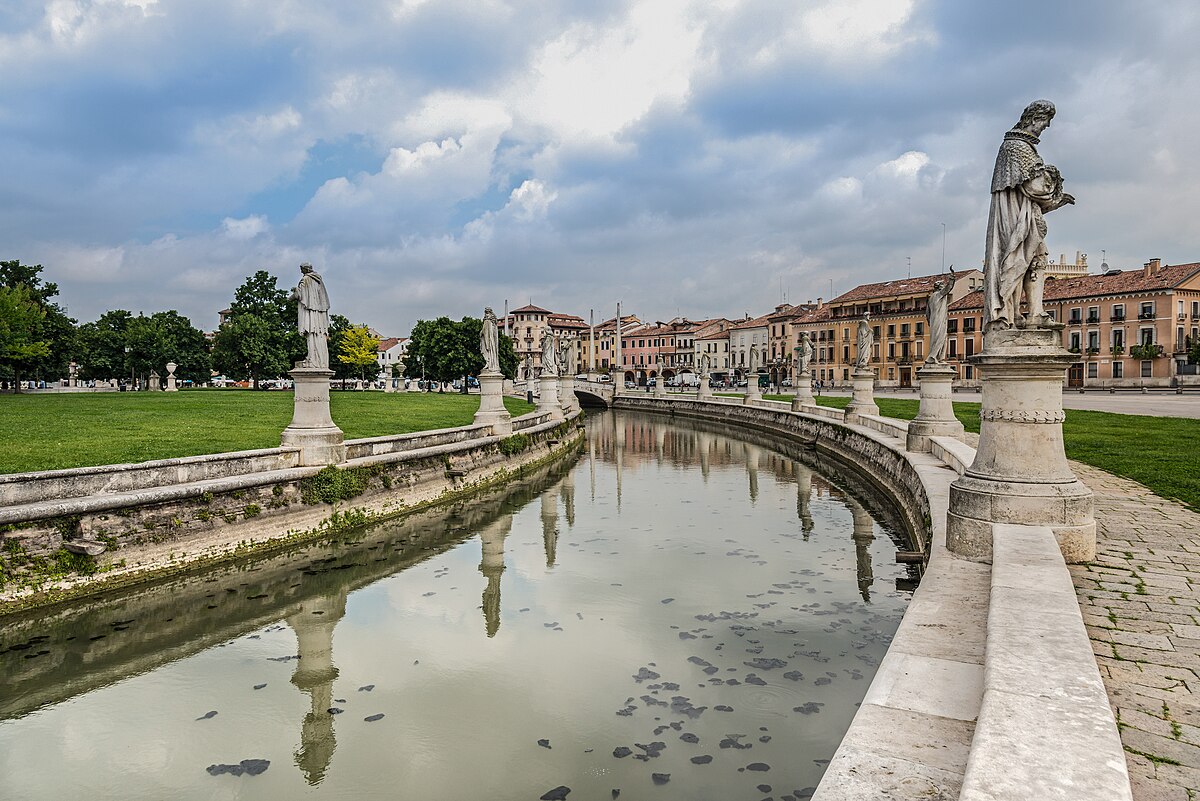
Padua
📍 veneto, Italy
Padua is a historic city-state in Veneto, Italy, renowned for its rich cultural heritage and stunning architecture, including the famous Scrovegni …