

Cloaca Maxima
Overview
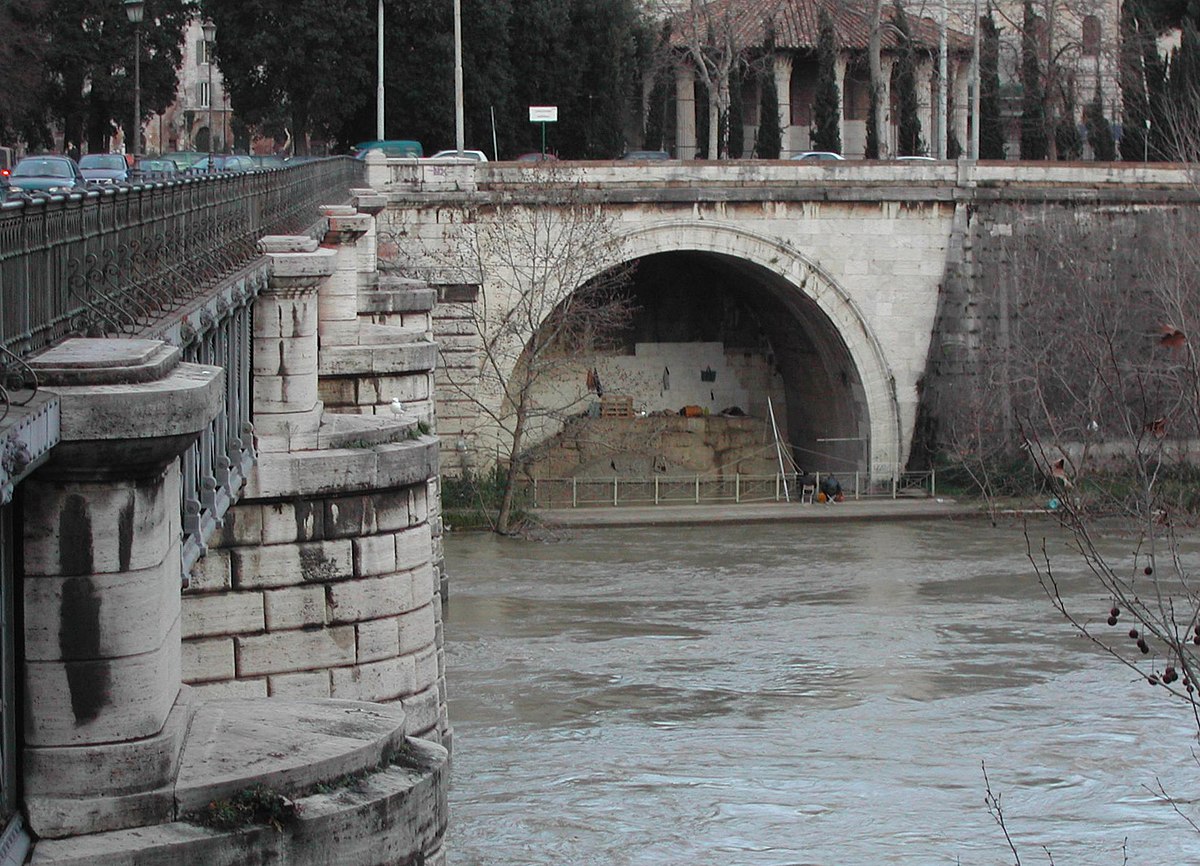
The Cloaca Maxima, often hailed as one of the world’s earliest and most significant sewerage systems, is a remarkable archaeological site located in the heart of Rome, Italy. Constructed during the Roman Republic, this sophisticated drainage network is a testament to the ingenuity of ancient Roman engineering. It stretches across the city, channeling waste and rainwater into the Tiber River, thus playing a vital role in maintaining public health and urban cleanliness. The Cloaca Maxima is not merely a functional infrastructure; it represents the Romans’ advanced understanding of hydraulics and urban planning, reflecting their commitment to the well-being of their citizens.
Visitors to this site can appreciate the historical context that surrounds it, as it lies in proximity to the Roman Forum and other significant landmarks. Standing in the presence of the Cloaca Maxima invites reflection on the evolution of urban infrastructure and the lasting impact of Roman innovation. As one walks along parts of this ancient sewer, it is fascinating to consider how this engineering feat has influenced modern urban sanitation systems.
History and Significance
The history of the Cloaca Maxima begins in the 6th century BCE, attributed to the early days of the Roman Republic. Initially conceived as a means to drain the marshy land between the Palatine and Capitoline Hills, it quickly evolved into an extensive network that would serve the growing population of Rome. The construction of the Cloaca Maxima is often linked to the efforts of King Tarquin the Proud, who sought to transform the city and improve its infrastructure.
Over the centuries, the Cloaca Maxima has undergone numerous renovations and expansions, adapting to the city’s changing needs. Notably, the sewer system was built using a combination of stone and concrete, showcasing the Romans’ advanced construction techniques. The durability of these materials allowed the Cloaca Maxima to remain functional for centuries, even as the city evolved and modernized.
The significance of the Cloaca Maxima extends beyond its engineering marvel; it is also a reflection of the social and political landscape of ancient Rome. The sewer system was crucial for public health, reducing the risk of waterborne diseases and contributing to the city’s overall sanitation. This focus on hygiene was particularly important during the height of the Roman Empire when the population swelled, and urban living conditions became more crowded.
Today, the Cloaca Maxima is not only an archaeological site but also a symbol of Rome’s enduring legacy in urban planning and engineering. It serves as a focal point for scholars and historians studying the complexities of ancient Roman life, as well as a reminder of the innovative spirit that characterized this great civilization.
Architecture and Features
The Cloaca Maxima is an extraordinary example of ancient Roman engineering, characterized by its impressive construction and functional design. The system’s main channel is approximately 3.5 meters wide and 4.5 meters high, with various branches extending throughout the city. It is predominantly built from large blocks of tuff, a volcanic stone that was readily available in the region, combined with concrete, which was a groundbreaking material for the time.
One of the most notable features of the Cloaca Maxima is its arched vaults, which not only provide structural integrity but also facilitate the flow of water. The arches are a hallmark of Roman engineering, allowing for the construction of larger and more expansive spaces without compromising strength. The design effectively channels water and waste through the system, demonstrating an understanding of hydraulics that was advanced for its time.
As visitors walk along sections of the Cloaca Maxima, they may notice the well-preserved portions of the ancient structure, which stand as a testament to the quality of Roman craftsmanship. The system includes several access points where workers could enter to maintain and clean the sewer, reflecting a practical approach to urban infrastructure.
In addition to its functional aspects, the Cloaca Maxima has also inspired awe through its sheer scale and durability. It is a striking reminder of the Romans’ ability to marry utility with artistry, creating a system that has endured the test of time. The remaining visible sections of the sewer provide a unique glimpse into the engineering principles employed by the Romans, and they continue to be a subject of study for architects and historians alike.
Visiting Information
Visiting the Cloaca Maxima offers a unique opportunity to explore a piece of ancient Roman history. While access to the site may vary, visitors can typically view portions of the sewer system from various points around the Roman Forum. This accessibility allows for a convenient exploration of the area, where the Cloaca Maxima is situated alongside other historical landmarks.
To reach the Cloaca Maxima, travelers can utilize public transportation, such as buses or the metro, to get to the city center. The site is within walking distance of many popular attractions, making it a perfect stop for those exploring the heart of Rome. Visitors should check the official website for current information regarding hours of operation and any potential guided tours that may be available.
When planning a visit, it is advisable to allocate at least an hour to explore the area surrounding the Cloaca Maxima. This includes time to marvel at the engineering marvel itself as well as to appreciate the historical context provided by nearby sites. The best time to visit is during the shoulder seasons of spring and fall, when the weather is typically mild and the tourist crowds are smaller.
While exploring, it is essential to remain mindful of the surroundings, as parts of the site may not be fully accessible due to preservation efforts. Visitors should also be prepared for varying levels of terrain, as some areas may involve uneven surfaces.
Nearby Attractions
Roman Forum: Just a short walk from the Cloaca Maxima, this ancient marketplace served as the social, political, and economic center of Rome. Visitors can wander through the ruins of temples, basilicas, and public spaces that once thrived with activity.
Palatine Hill: This historic hill overlooks the Forum and is considered the birthplace of Rome. It is home to several important archaeological sites, including ancient palaces and temples, offering stunning views of the city.
Colosseum: A symbol of ancient Rome, the Colosseum is an iconic amphitheater that hosted gladiatorial games and public spectacles. It is a must-visit for anyone interested in Roman history.
Capitoline Museums: Located nearby, these museums house an extensive collection of art and artifacts from ancient Rome, providing further context to the city’s rich history.
Piazza Venezia: This bustling square features the impressive Altare della Patria, a monument dedicated to Victor Emmanuel II, and serves as a central hub for exploring Rome’s historic center.
Insider Tips
For photography enthusiasts, the best time to capture the Cloaca Maxima is during the golden hours of sunrise and sunset, when the soft light accentuates the ancient stonework. Be sure to arrive early in the day to avoid larger crowds, especially during peak tourist seasons.
While the Cloaca Maxima may not be a primary destination for many tourists, the surrounding areas, including the Roman Forum and Palatine Hill, can become crowded. Planning your visit during weekdays or in the early morning can provide a more serene experience.
Practical Information
When visiting the Cloaca Maxima, it is advisable to wear comfortable walking shoes, as the terrain can be uneven and may require some walking. Bringing a refillable water bottle is also a good idea, especially during warmer months, to stay hydrated as you explore the area.
Seasonal considerations are important as well; spring and fall offer pleasant temperatures for outdoor exploration, while summer can be quite hot and crowded. If visiting during winter, be sure to dress in layers, as temperatures can be chilly.
Travelers should also consider having a small backpack for personal items, as well as a camera for capturing the remarkable sights. Check the official website for current information on any specific restrictions regarding what to bring.
Frequently Asked Questions
How long should I spend visiting?
A visit to the Cloaca Maxima typically takes about an hour, but you may want to allocate more time to explore nearby attractions.
Is photography allowed?
Photography is generally permitted, but be respectful of any signage or guidelines regarding flash photography or tripod use.
Are there guided tours?
Guided tours may be available and can provide additional context and insights into the history and significance of the Cloaca Maxima. Check the official website for options.
What’s the best time to visit?
The best times to visit are during the spring and fall to avoid the heat and crowds of summer.
Is it wheelchair accessible?
Accessibility may vary, so it is advisable to check in advance regarding specific routes and entry points.
Can I buy tickets online?
Check the official website for information on ticketing options and availability.
Are there restrooms and cafes?
Public restrooms and cafes can be found nearby, particularly in the Roman Forum area.
What should I wear?
Dress comfortably for walking, and consider layers depending on the season, as outdoor conditions can vary.
Photo Gallery
Location
More in lazio
Abatino Park
📍 lazio, Italy
The Abatino Park is a serene natural park located in Lazio, Italy, offering visitors a peaceful retreat with lush landscapes and recreational …
Abbazia di Santa Maria di Ponza
📍 lazio, Italy
The Abbazia di Santa Maria di Ponza is a Cistercian monastery on Ponza Island, Italy, renowned for its serene atmosphere and historical significance.

Academia Belgica
📍 lazio, Italy
The Academia Belgica is a Belgian cultural institution located in Rome, Italy, notable for its role in promoting Belgian heritage and fostering …
Accademia di Belle Arti di Frosinone
📍 lazio, Italy
The Accademia di Belle Arti di Frosinone is an educational institution in Frosinone, Italy, renowned for its commitment to fostering artistic talent …
Acqua Vergine
📍 lazio, Italy
Acqua Vergine is a modern aqueduct located in Rome, Italy, known for its engineering marvel and role in the city's water supply system.

Acquedotto delle Arcatelle
📍 lazio, Italy
The Acquedotto delle Arcatelle is a 17th-century aqueduct located in Tarquinia, Italy, recognized for its impressive architectural design and …
More Archaeological Site

Abbazia di Santa Maria di Corazzo
📍 calabria, Italy
The Abbazia di Santa Maria di Corazzo is an archaeological site located in Carlopoli, Calabria, Italy, renowned for its historical significance and …

Abella
📍 campania, Italy
The archaeological site of Abella in Campania, Italy, is an ancient human settlement known for its historical significance and cultural heritage.

Abellinum
📍 campania, Italy
Abellinum is an archaeological site in Atripalda, Italy, known for its ancient ruins that reveal insights into Roman settlement and urban planning.

Aeculanum
📍 campania, Italy
Aeculanum is an archaeological site in Campania, Italy, known for its remnants of an ancient town that offer insight into early Roman urban life.
Aesernia
📍 molise, Italy
Aesernia is an ancient Roman archaeological site located in Molise, Italy, renowned for its well-preserved ruins that reflect the grandeur of Roman …

Alba Fucens
📍 lazio, Italy
Alba Fucens is an ancient archaeological site in Lazio, Italy, known for its well-preserved ruins that reflect the grandeur of a once-thriving Roman …